 WhatsApp Us (24/7)
 +91 926 888 0303 (24/7)


To Book an Appointment
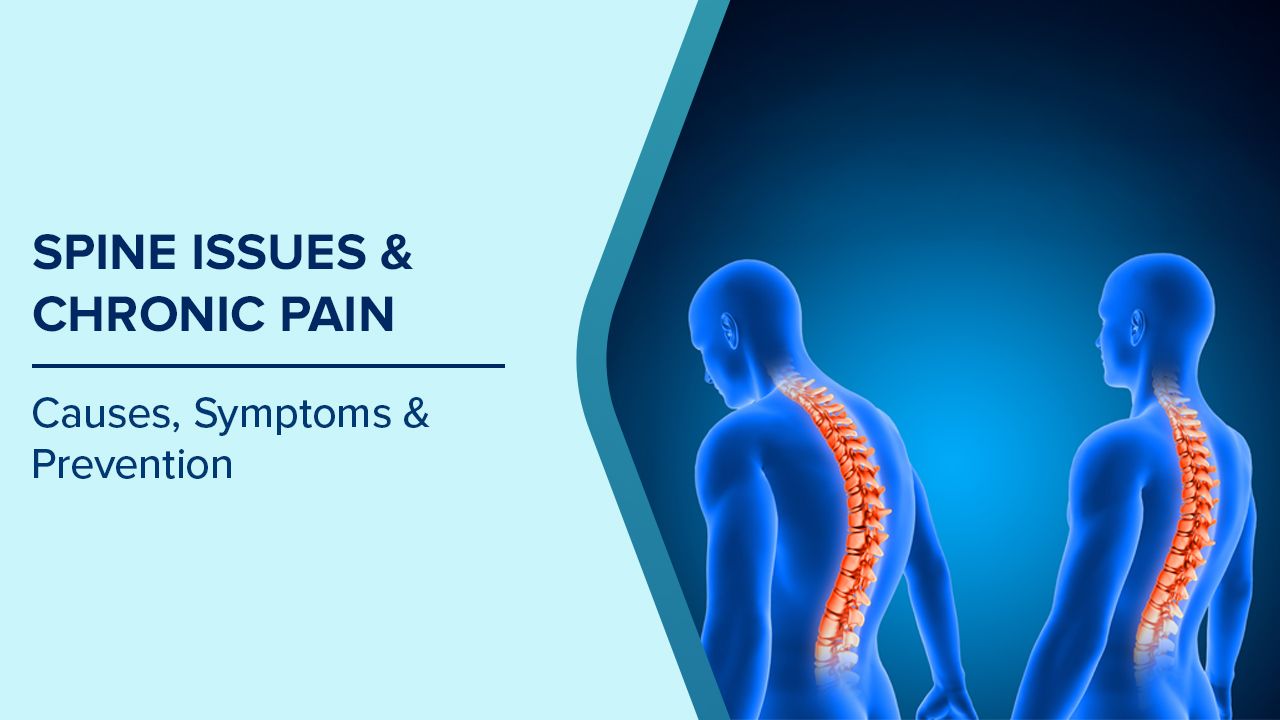
Call Us+91 926 888 0303How Spine Issues Lead to Chronic Pain: Causes, Symptoms & Prevention
By Dr Aditya Banta in Spine Surgery
May 05 , 2026
1

Chronic back pain is often not just a simple muscle issue, it is frequently linked to underlying spine problems such as disc damage, arthritis, or nerve compression. Many people ignore persistent discomfort, assuming it will resolve on its own, but long-term pain can signal structural issues in the spine. Understanding the causes of back pain and recognising early warning signs is essential for timely diagnosis. Identifying the root cause early can help prevent progression and improve long-term outcomes.
What Is Chronic Back Pain?
Chronic back pain is defined as pain that lasts for more than 12 weeks, even after the initial injury or cause has been treated. Unlike acute pain, which is temporary and often resolves with rest, long-term back pain tends to persist and may worsen over time.
This type of pain often indicates deeper structural or neurological issues rather than simple strain or fatigue.
Why Spine Problems Cause Long-Term Pain
The spine plays a central role in supporting the body, enabling movement, and protecting the spinal cord. It consists of vertebrae, intervertebral discs, joints, and nerves working together.
When any of these components are damaged or degenerate, it can lead to nerve compression in the spine, inflammation, or instability. These changes are key contributors to spine problems, causing back pain, especially when symptoms persist over time.
Common Spine Problems That Lead to Chronic Back Pain
This is the most important section for understanding the causes of chronic back pain linked to the spine.
Herniated Disc (Slipped Disc)
A herniated or slipped disc occurs when the soft inner portion of a spinal disc pushes through its outer layer.
Causes:
- Age-related wear and tear
- Sudden strain or injury
- Repetitive stress on the spine
Symptoms:
- Localised or radiating pain
- Sciatica pain (pain travelling down the leg)
- Numbness or tingling
- Muscle weakness
When the disc presses on nearby nerves, it can compress the nerves in the spine, a major cause of persistent pain.
Degenerative Disc Disease
Despite its name, this is not a disease but a condition where spinal discs gradually lose hydration and flexibility over time.
Causes:
- Natural ageing process
- Repeated stress on the spine
Symptoms:
- Chronic lower back pain
- Pain that worsens with sitting or bending
- Stiffness and reduced mobility
This condition is one of the most common causes of lower back pain in adults.
Spinal Stenosis
Spinal stenosis refers to the narrowing of the spinal canal, which puts pressure on the spinal cord and nerves.
Causes:
- Age-related changes
- Thickened ligaments
- Bone overgrowth
Symptoms:
- Pain while standing or walking
- Numbness or weakness in the legs
- Relief when bending forward
This condition often leads to long-term back pain due to ongoing nerve compression.
Sciatica
Sciatica is not a condition itself but a symptom caused by irritation of the sciatic nerve.
Causes:
- Herniated disc
- Spinal stenosis
- Bone spurs
Symptoms:
- Sharp, radiating pain from the lower back to the leg
- Tingling or burning sensation
- Weakness in one leg
Sciatica pain is a clear indicator of nerve involvement in spinal conditions.
Osteoarthritis of the Spine
This condition involves degeneration of the spine's joints, commonly seen with ageing.
Causes:
- Wear and tear of cartilage
- Joint inflammation
Symptoms:
- Stiffness, especially in the morning
- Localised back pain
- Reduced flexibility
Over time, it can lead to bone spurs that compress nerves.
Spondylolisthesis
This occurs when one vertebra slips forward over another, leading to spinal instability.
Causes:
- Congenital defects
- Stress fractures
- Degenerative changes
Symptoms:
- Lower back pain
- Tightness in hamstrings
- Difficulty standing or walking
This condition can worsen over time if not properly managed.
Symptoms That Indicate a Spine Problem
Certain symptoms suggest that back pain may be related to deeper spinal issues:
- Persistent pain lasting weeks or months
- Radiating pain into the arms or legs
- Numbness or tingling sensations
- Muscle weakness
- Limited range of motion
These signs often point toward spine problems causing back pain rather than simple muscle strain.
When Back Pain Becomes Serious
Not all back pain requires urgent care, but certain situations should not be ignored:
- Pain lasting longer than 4–6 weeks
- Gradually worsening intensity
- Difficulty walking or maintaining balance
- Loss of sensation or weakness in limbs
- Pain interfering with sleep or daily activities
These may indicate significant chronic back pain causes that require medical attention.
How Spine Problems Are Diagnosed
Diagnosing spinal conditions involves a combination of clinical evaluation and imaging:
- Physical examination to assess posture, movement, and pain points
- Neurological evaluation to check reflexes and nerve function
- Imaging tests, such as MRI or X-rays, to identify structural abnormalities
Accurate diagnosis is essential for targeted treatment.
Treatment Options for Chronic Back Pain
Medications
- Pain relievers and anti-inflammatory drugs
- Muscle relaxants
Physiotherapy
- Strengthening exercises
- Posture correction
- Mobility improvement
Lifestyle Modification
- Weight management
- Ergonomic adjustments
- Regular physical activity
Surgery (If Severe)
- Considered when conservative treatments fail
- Used for conditions like severe disc herniation or spinal stenosis
Preventing Chronic Spine Problems
- Practice proper posture while sitting and standing
- Engage in regular exercise to strengthen core muscles
- Maintain a healthy weight
- Avoid prolonged sitting or poor ergonomics
Prevention plays a key role in reducing long-term back pain.
When to See a Doctor
- Severe or persistent back pain
- Symptoms of nerve involvement (numbness, tingling)
- Pain affecting daily life or mobility
- No improvement despite rest and basic care
Understanding when to see a doctor for back pain helps ensure timely treatment and prevents complications.
Conclusion
Chronic back pain is often a sign of underlying spine problems rather than a temporary issue. Conditions like herniated discs, spinal stenosis, and degenerative changes are common causes of back pain that require proper evaluation. Early diagnosis allows for targeted treatment, helping prevent worsening symptoms and improving quality of life. If pain persists or shows signs of nerve involvement, seek medical advice. Understanding the root cause is the first step toward effective and lasting relief.
Frequently Asked Questions
Can chronic back pain go away on its own?
In some cases, mild chronic pain may improve with lifestyle changes. However, persistent pain often requires medical evaluation to identify underlying spine issues.
How do I know if my back pain is nerve-related?
Nerve-related pain often includes tingling, numbness, or radiating pain down the arms or legs, especially in conditions like sciatica.
Is surgery always needed for spine problems?
No, most spine conditions are treated non-surgically. Surgery is typically reserved for severe or progressive cases.
Can sitting too long cause spine issues?
Yes, prolonged sitting, especially with poor posture, can strain the spine and contribute to chronic back pain over time.
What is the most common cause of chronic back pain?
Degenerative disc changes and muscle strain are among the most common causes, often exacerbated by poor posture or ageing.
Can spine problems be reversed?
Some conditions can be managed effectively, but not all are fully reversible. Early diagnosis improves outcomes significantly.
Written and Verified by:

Related Blogs

Prof. (Dr). V.K.Jain In Neurosciences , Spine Surgery
Nov 07 , 2020 | 5 min read
Dr. Amit Gupta In Spine Surgery , Neurology
Nov 07 , 2020 | 2 min read
Blogs by Doctor
What is Minimally Invasive Spine Surgery: Purpose, Advantages & Recovery
Dr Aditya Banta In Spine Surgery
Sep 01 , 2025 | 3 min read

Desk Job Health Risks: How to Protect Joints & Posture in a Desk Job
Dr Aditya Banta In Spine Surgery
Sep 03 , 2025 | 5 min read
Most read Blogs


Related Blogs
Prof. (Dr). V.K.Jain In Neurosciences , Spine Surgery
Nov 07 , 2020 | 5 min read
Dr. Amit Gupta In Spine Surgery , Neurology
Nov 07 , 2020 | 2 min read
Blogs by Doctor
What is Minimally Invasive Spine Surgery: Purpose, Advantages & Recovery
Dr Aditya Banta In Spine Surgery
Sep 01 , 2025 | 3 min read
Desk Job Health Risks: How to Protect Joints & Posture in a Desk Job
Dr Aditya Banta In Spine Surgery
Sep 03 , 2025 | 5 min read
Most read Blogs