 WhatsApp Us (24/7)
 +91 926 888 0303 (24/7)


To Book an Appointment
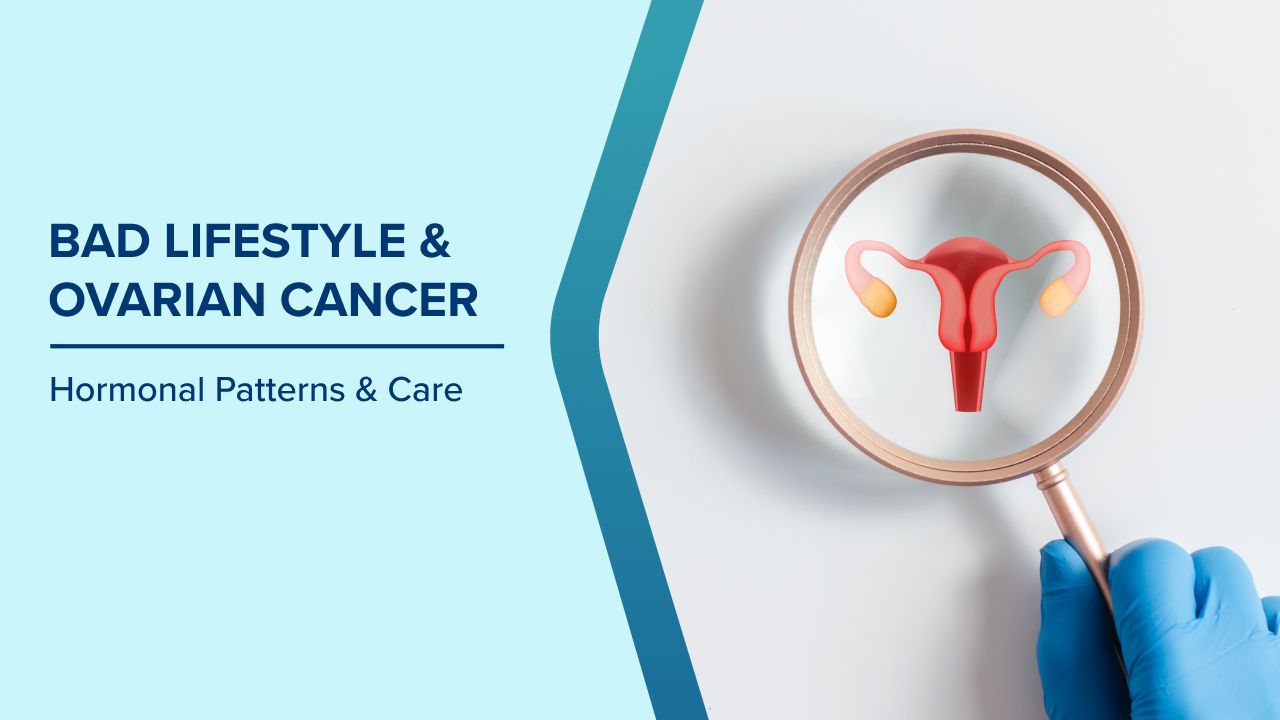
Call Us+91 926 888 0303How Lifestyle Influences Ovarian Cancer: Hormonal Patterns & Care
By Dr Monisha Gupta in Surgical Oncology , Cancer Care / Oncology , Gynecologic Oncology , Robotic Surgery
Mar 25 , 2026

Ovarian health is an important part of women’s wellbeing, yet conversations around ovarian cancer often focus only on symptoms or treatment. An equally important aspect is understanding which women may have a higher likelihood of developing the condition over time. Risk is rarely determined by a single factor. Instead, it is shaped by a combination of health patterns, reproductive history, lifestyle influences, and long-term changes within the body.
Many women who develop ovarian cancer do not fit into a single clear category. This is why a broader understanding of risk can be helpful. Looking beyond the most commonly discussed factors allows women to recognise patterns in their health and seek timely medical guidance when needed.
By understanding these influences, women can become more aware of their ovarian health and take a proactive approach to long-term well-being.
Why Understanding Risk Matters
Risk awareness does not mean predicting who will develop ovarian cancer. Rather, it helps identify situations where closer health monitoring may be beneficial. When women understand how different aspects of their health interact, they are better equipped to discuss concerns with their doctor and make informed decisions about their care.
Ovarian health is closely linked with hormonal balance, metabolic processes, reproductive history, and overall lifestyle patterns. When certain factors occur together, they may create conditions that increase vulnerability over time.
Hormonal Patterns That May Influence Ovarian Health
Hormones play an essential role in regulating the reproductive system. Throughout a woman’s life, hormonal fluctuations occur naturally during puberty, menstrual cycles, pregnancy, and menopause. However, persistent hormonal imbalances may affect the way reproductive tissues respond to long-term stimulation.
Women who experience prolonged hormonal irregularities may require closer attention to their reproductive health.
Some hormonal patterns that may influence ovarian health include:
- Long-standing irregular menstrual cycles
- Hormonal fluctuations related to endocrine conditions
- Extended exposure to certain hormonal medications
- Delayed onset of menopause
These situations do not automatically lead to disease. However, they may influence the hormonal environment within the body and contribute to long-term changes in ovarian tissue behaviour.
Reproductive Health Patterns Across Life Stages
A woman’s reproductive history can shape her overall ovarian health. The ovaries are active organs that respond to hormonal signals throughout different phases of life. Certain reproductive patterns may influence how often the ovaries undergo cyclical changes.
Life stages where reproductive patterns may influence ovarian health include:
Early Reproductive Years
During adolescence and early adulthood, the reproductive system is still stabilising. Persistent cycle irregularities or untreated hormonal disturbances during this stage may require careful monitoring over time.
Reproductive Years
During the years when fertility is highest, reproductive health conditions such as chronic pelvic inflammation or recurring ovarian cysts may influence ovarian function if they persist for extended periods.
Perimenopause
As women approach menopause, hormone levels begin to fluctuate more noticeably. This phase often involves irregular cycles and hormonal shifts that affect several aspects of reproductive health.
Metabolic Health and Its Connection to Ovarian Risk
The body’s metabolic system plays an important role in regulating hormones and cellular function. Conditions related to metabolic imbalance can influence how the body processes nutrients, maintains hormonal stability, and regulates inflammation.
Metabolic patterns that may influence ovarian health include:
- Persistent insulin resistance
- Long-term weight fluctuations
- Sedentary lifestyle patterns
- High intake of processed foods
When metabolic processes are consistently disrupted, they may affect hormonal pathways that interact with reproductive organs. Maintaining metabolic balance supports overall organ health, including the ovaries.
Chronic Pelvic Health Conditions
Certain long-term pelvic health conditions can affect the reproductive system over time. Chronic inflammation or repeated tissue irritation may alter the environment within the pelvic region.
Women who experience recurring pelvic health issues may benefit from ongoing monitoring of their reproductive health.
Examples of pelvic conditions that may influence ovarian health include:
- Recurrent pelvic inflammatory conditions
- Persistent ovarian cysts requiring repeated evaluation
- Long-term pelvic infections that affect reproductive tissues
Early medical attention and regular follow-up can help manage these conditions effectively and protect long-term reproductive health.
Environmental and Lifestyle Influences
Lifestyle choices and environmental exposures also contribute to overall health patterns. While these factors may not directly cause disease, they can influence the body’s long-term balance and resilience.
Several lifestyle factors that may affect ovarian health include:
Sedentary Daily Routines
Extended periods of physical inactivity can affect metabolic processes and hormonal regulation. Over time, sedentary patterns may influence overall reproductive health.
Long Term Stress
Chronic stress can affect hormone regulation through complex interactions within the body. Persistent stress may influence menstrual regularity and metabolic stability.
Dietary Patterns
Consistent consumption of highly processed foods, irregular meal schedules, or nutritional imbalance may influence metabolic health. Balanced nutrition supports hormonal stability and overall well-being.
Environmental Exposures
Daily exposure to environmental chemicals found in certain household products or industrial settings may influence hormonal systems over the long term.
Awareness of these factors helps women make lifestyle choices that support long-term health.
When Women May Consider Proactive Risk Discussions
Some women may benefit from proactive conversations with a gynaecologist or healthcare professional regarding their ovarian health. These discussions are not limited to individuals experiencing symptoms. They can also help women understand how their personal health history influences long-term risk.
Situations where proactive consultation may be useful include:
- Persistent hormonal irregularities
- Repeated ovarian cyst evaluations
- Long-standing metabolic health concerns
- Chronic pelvic inflammatory conditions
- Unusual reproductive health patterns over time
Discussing these factors with a healthcare professional allows women to better understand their personal health profile and receive guidance tailored to their needs.
Supporting Long-Term Ovarian Health
Maintaining ovarian health involves a combination of awareness, balanced lifestyle habits, and regular medical care. While not all health risks can be prevented, many aspects of reproductive wellbeing can be supported through consistent attention to overall health.
Practical steps that support ovarian health include:
- Maintaining balanced nutrition and stable meal routines
- Engaging in regular physical activity
- Managing stress through healthy coping strategies
- Seeking medical advice for persistent reproductive health concerns
- Attending routine gynaecological consultations
Small, consistent actions over time contribute significantly to long term wellbeing.
Conclusion
Understanding ovarian cancer risk requires looking beyond a single factor. Hormonal patterns, reproductive history, metabolic health, pelvic conditions, and lifestyle influences all contribute to the broader picture of ovarian health.
Many women may not immediately recognise how these elements interact over time. By becoming aware of these influences, women can take a more informed approach to their health and seek guidance when necessary.
A proactive mindset, combined with regular healthcare consultations, helps women maintain awareness of their reproductive health and supports overall well-being throughout different stages of life.
Frequently Asked Questions
1. Can ovarian cancer risk vary between different ethnic or regional populations?
Risk patterns may differ across populations due to variations in lifestyle habits, environmental exposures, and access to healthcare. Understanding personal health history remains important regardless of geographic background.
2. Does long-term use of certain cosmetic or household products affect ovarian health?
Some products contain chemicals that may interact with the body’s hormonal system over long periods. Being mindful of product ingredients and limiting unnecessary chemical exposure may support overall hormonal balance.
3. Should women track menstrual health for long-term ovarian wellbeing?
Keeping a record of menstrual patterns can help women recognise changes in cycle regularity or hormonal balance. This information can be useful during consultations with healthcare professionals.
4. Can travel-heavy lifestyles influence reproductive health patterns?
Frequent travel may disrupt sleep schedules, meal timing, and daily routines. Over time, these disruptions can influence metabolic stability and hormonal balance.
5. Is it useful for women to discuss ovarian health even when they feel well?
Yes, preventive discussions allow women to understand how their individual health patterns may influence future well-being. Early conversations with healthcare professionals can help address concerns before they become more complex.
Written and Verified by:

Related Blogs

Dr. S. VEDA PADMA PRIYA In Surgical Oncology , Cancer Care / Oncology
May 16 , 2016 | 2 min read

Dr. Kanika Batra Modi In Surgical Oncology , Cancer Care / Oncology
May 26 , 2016 | 4 min read
Blogs by Doctor

Breast Cancer in Women: Symptoms, Risk Factors & Prevention Tips
Dr Monisha Gupta In Surgical Oncology , Cancer Care / Oncology , Gynecologic Oncology , Robotic Surgery
Jul 22 , 2025 | 3 min read
Ovarian, Cervical and Uterine Cancers: What Every Woman Should Know
Dr Monisha Gupta In Surgical Oncology , Cancer Care / Oncology , Robotic Surgery
Oct 15 , 2025 | 4 min read
Most read Blogs


Related Blogs
Dr. S. VEDA PADMA PRIYA In Surgical Oncology , Cancer Care / Oncology
May 16 , 2016 | 2 min read
Dr. Kanika Batra Modi In Surgical Oncology , Cancer Care / Oncology
May 26 , 2016 | 4 min read
Blogs by Doctor
Breast Cancer in Women: Symptoms, Risk Factors & Prevention Tips
Dr Monisha Gupta In Surgical Oncology , Cancer Care / Oncology , Gynecologic Oncology , Robotic Surgery
Jul 22 , 2025 | 3 min read
Ovarian, Cervical and Uterine Cancers: What Every Woman Should Know
Dr Monisha Gupta In Surgical Oncology , Cancer Care / Oncology , Robotic Surgery
Oct 15 , 2025 | 4 min read
Most read Blogs