 WhatsApp Us (24/7)
 +91 926 888 0303 (24/7)


To Book an Appointment
Call Us+91 926 888 0303Ovarian, Cervical and Uterine Cancers: What Every Woman Should Know
By Dr Monisha Gupta in Surgical Oncology , Cancer Care / Oncology , Robotic Surgery
Oct 15 , 2025 | 4 min read

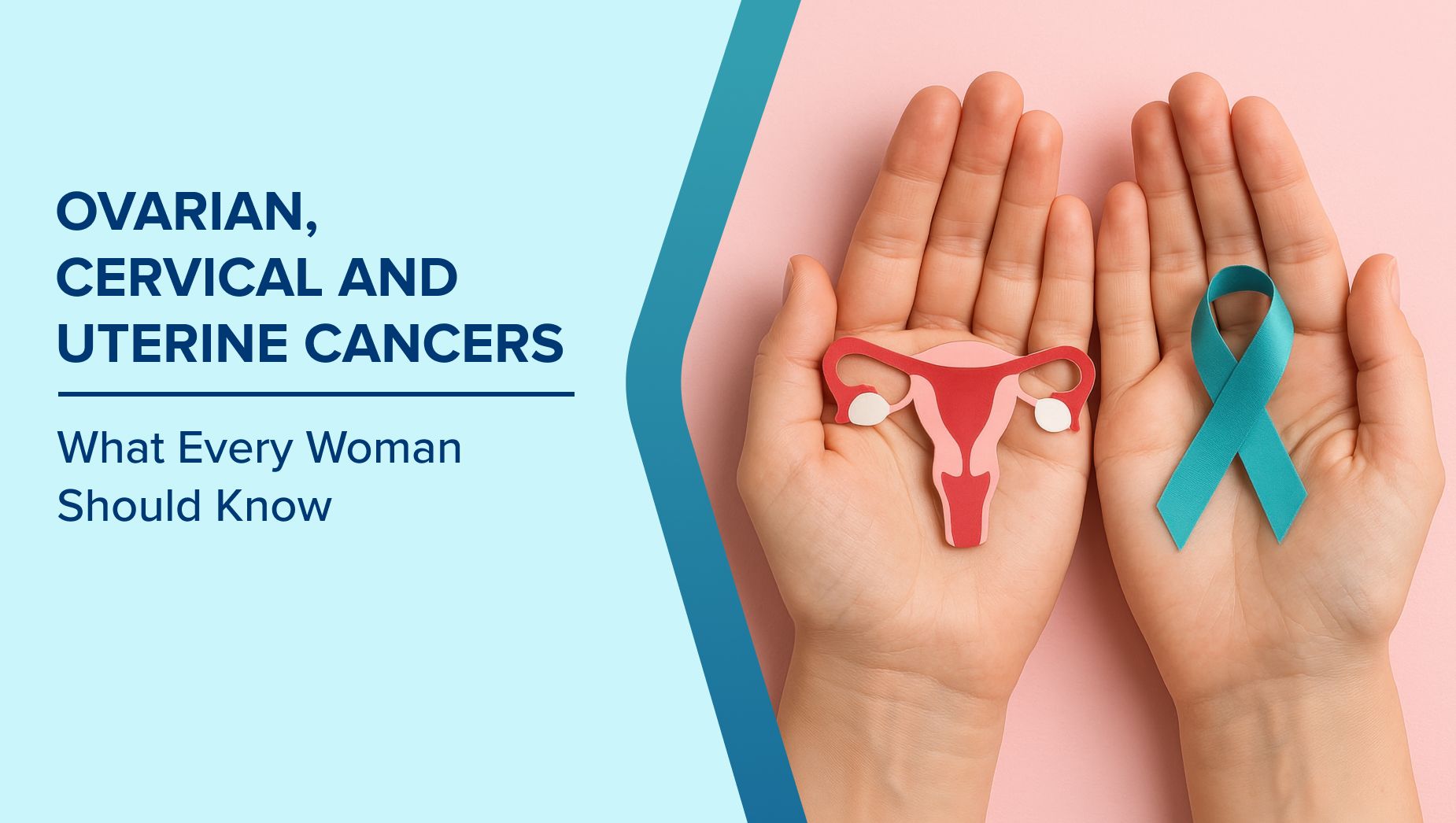
Female reproductive cancers are a growing concern worldwide. Ovarian, cervical, and uterine cancers affect thousands of women every year, often silently at first. Raising awareness about these cancers is crucial, as early identification significantly improves the likelihood of effective treatment and long-term survival. Many women are unaware of the subtle signs of these cancers or the preventive measures that can significantly reduce their risk.
Understanding female reproductive cancers, recognising early warning signs, and taking proactive steps can help women protect their health.
What Are Ovarian, Cervical and Uterine Cancers?
Ovarian Cancer
Ovarian cancer develops in the ovaries, which are the small organs that produce eggs and female hormones. It is often referred to as the "silent killer" because its symptoms may be vague or mistaken for common digestive issues. Early detection is necessary for improving survival rates.
Common types of ovarian cancer include:
- Epithelial tumours (most common)
- Germ cell tumours
- Stromal tumours
Cervical Cancer
Cervical cancer occurs in the cervix, the lower part of the uterus that connects to the vagina. It is closely linked to persistent infection with human papillomavirus (HPV), making screening and vaccination key tools in prevention.
Types of cervical cancer:
- Squamous cell carcinoma (most common)
- Adenocarcinoma
Uterine Cancer
Uterine cancer, also known as endometrial cancer, affects the lining of the uterus. It often causes early symptoms, such as abnormal bleeding, which can prompt timely medical attention.
Common forms include:
- Endometrial carcinoma
- Sarcoma (rare)
Early Warning Signs and Symptoms
Recognising early symptoms is vital for timely diagnosis and treatment. Symptoms often vary depending on the type of cancer, but may overlap.
Signs of Ovarian Cancer
- Persistent bloating or abdominal swelling
- Pelvic or lower back pain
- Feeling full quickly after meals
- Urinary urgency or frequency
- Unexplained weight loss or gain
Early Detection of Cervical Cancer
- Unusual vaginal bleeding between periods or after menopause
- Pain during sexual intercourse
- Unusual vaginal discharge
- Pelvic pain
Uterine Cancer Symptoms
- Abnormal uterine bleeding or spotting
- Prolonged menstrual periods
- Pelvic discomfort or pressure
- Unintended weight loss
Causes and Risk Factors
Several factors increase the risk of developing female reproductive cancers. While some risks cannot be controlled, lifestyle choices can significantly impact the outcome.
Common Risk Factors
For Ovarian Cancer:
- Family history of ovarian or breast cancer
- Age over 50, but younger women can also be affected
- Genetic mutations such as BRCA1 and BRCA2
- Endometriosis
For Cervical Cancer:
- Persistent HPV infection
- Smoking
- Multiple sexual partners
- Immunocompromised conditions
For Uterine Cancer:
- Obesity and high estrogen levels
- Age over 50
- Diabetes or high blood pressure
- Hormone therapy without progesterone
Diagnosis and Screening Methods
Early detection dramatically improves treatment outcomes. Women are encouraged to undergo regular screenings based on age and risk factors.
Ovarian Cancer Diagnosis
- Pelvic Exam: Detects abnormal masses
- Ultrasound: Checks for cysts or tumours
- Blood Tests: CA-125 marker can indicate cancer
- CT or MRI Scan: Determines tumour size and spread
Cervical Cancer Screening
- Pap Smear Test: Detects abnormal cervical cells
- HPV Test: Identifies high-risk strains
- Colposcopy: Detailed examination of the cervix if abnormal cells are detected
Uterine Cancer Screening
- Pelvic Exam: Initial check for uterine abnormalities
- Transvaginal Ultrasound: Detects abnormal thickness in the uterine lining
- Endometrial Biopsy: Confirms cancer by testing uterine tissue
Treatment Options Available
Treatment depends on the type, stage, and patient's overall health. A combination of surgery, medications, and supportive therapies is often used.
Surgery
- Ovarian Cancer: Removal of ovaries, fallopian tubes, and sometimes the uterus
- Cervical Cancer: Hysterectomy or conization for early-stage cases
- Uterine Cancer: Hysterectomy with or without removal of fallopian tubes and ovaries
Chemotherapy and Radiation
- Chemotherapy: Targets cancer cells throughout the body
- Radiation Therapy: Focused on specific areas to kill or shrink tumours
Targeted Therapy
- Drugs that attack specific cancer cell markers
- Used in advanced ovarian or recurrent cases
Supportive and Palliative Care
- Pain management and symptom control
- Emotional and mental health support
- Nutrition and physiotherapy guidance
Preventive Measures and Lifestyle Tips
While not all cancers can be prevented, certain steps can significantly reduce the risk of female reproductive cancers.
- HPV Vaccination: Effective in preventing cervical cancer
- Routine Screening: Pap smears, pelvic exams, and imaging
- Healthy Diet: High in fruits, vegetables, whole grains, and low in processed foods
- Regular Exercise: Maintains weight and reduces estrogen-related risks
- Avoid Smoking and Limit Alcohol: Reduces risk for cervical and uterine cancers
- Awareness of Family History: Discuss with a gynaecologist if close relatives had cancer
Emotional and Mental Health Support
A cancer diagnosis can be overwhelming, affecting mental and emotional well-being. Support is crucial for recovery and quality of life.
- Counselling: Individual or group therapy
- Support Groups: Connect with other women facing similar challenges
- Mindfulness and Stress Reduction: Meditation, yoga, and relaxation techniques
- Family Involvement: Emotional support from loved ones
Conclusion
Awareness and early action save lives. Ovarian, cervical, and uterine cancers may affect women of all ages, but timely detection, preventive measures, and healthy lifestyle choices can reduce risks and improve outcomes. Regular screening, attention to early warning signs, and consulting a gynaecologist for personalised guidance are essential steps every woman should take. Protect your health, stay informed, and adopt preventive habits to ensure long-term well-being.
Frequently Asked Questions
Can lifestyle changes reduce the risk of these cancers?
Yes, maintaining a healthy weight, exercising regularly, avoiding smoking, limiting alcohol, and eating a balanced diet can significantly reduce the risk of female reproductive cancers.
Are these cancers hereditary?
Some cancers, especially ovarian and uterine, may have a hereditary component. Mutations in genes such as BRCA1 and BRCA2 can increase risk, so women with a family history should discuss genetic testing with their doctor.
How effective are vaccines in prevention?
HPV vaccines are highly effective in preventing cervical cancer by targeting high-risk HPV strains responsible for most cases. Vaccination before exposure to HPV offers the best protection.
What are some common myths about female reproductive cancers?
Common myths include: only older women get these cancers, Pap smears are painful, and a healthy lifestyle guarantees complete prevention. Awareness and factual education are key to debunking myths.
Are there breakthroughs in treatment?
Targeted therapy, immunotherapy, and minimally invasive surgical techniques are improving treatment outcomes. Personalised treatment plans based on genetic markers are becoming increasingly common.
Written and Verified by:

Related Blogs

Dr. S. VEDA PADMA PRIYA In Surgical Oncology , Cancer Care / Oncology
May 16 , 2016 | 2 min read

Dr. Kanika Batra Modi In Surgical Oncology , Cancer Care / Oncology
May 26 , 2016 | 4 min read
Blogs by Doctor

Breast Cancer in Women: Symptoms, Risk Factors & Prevention Tips
Dr Monisha Gupta In Surgical Oncology , Cancer Care / Oncology , Gynecologic Oncology , Robotic Surgery
Jul 22 , 2025 | 3 min read
Most read Blogs


Related Blogs
Dr. S. VEDA PADMA PRIYA In Surgical Oncology , Cancer Care / Oncology
May 16 , 2016 | 2 min read
Dr. Kanika Batra Modi In Surgical Oncology , Cancer Care / Oncology
May 26 , 2016 | 4 min read
Blogs by Doctor
Breast Cancer in Women: Symptoms, Risk Factors & Prevention Tips
Dr Monisha Gupta In Surgical Oncology , Cancer Care / Oncology , Gynecologic Oncology , Robotic Surgery
Jul 22 , 2025 | 3 min read
Most read Blogs