 WhatsApp Us (24/7)
 +91 926 888 0303 (24/7)


To Book an Appointment
Call Us+91 926 888 0303How Arthritis Affects Daily Life and Ways to Cope
By Dr. Suvrat Arya in Rheumatology
Oct 23 , 2025 | 4 min read
1

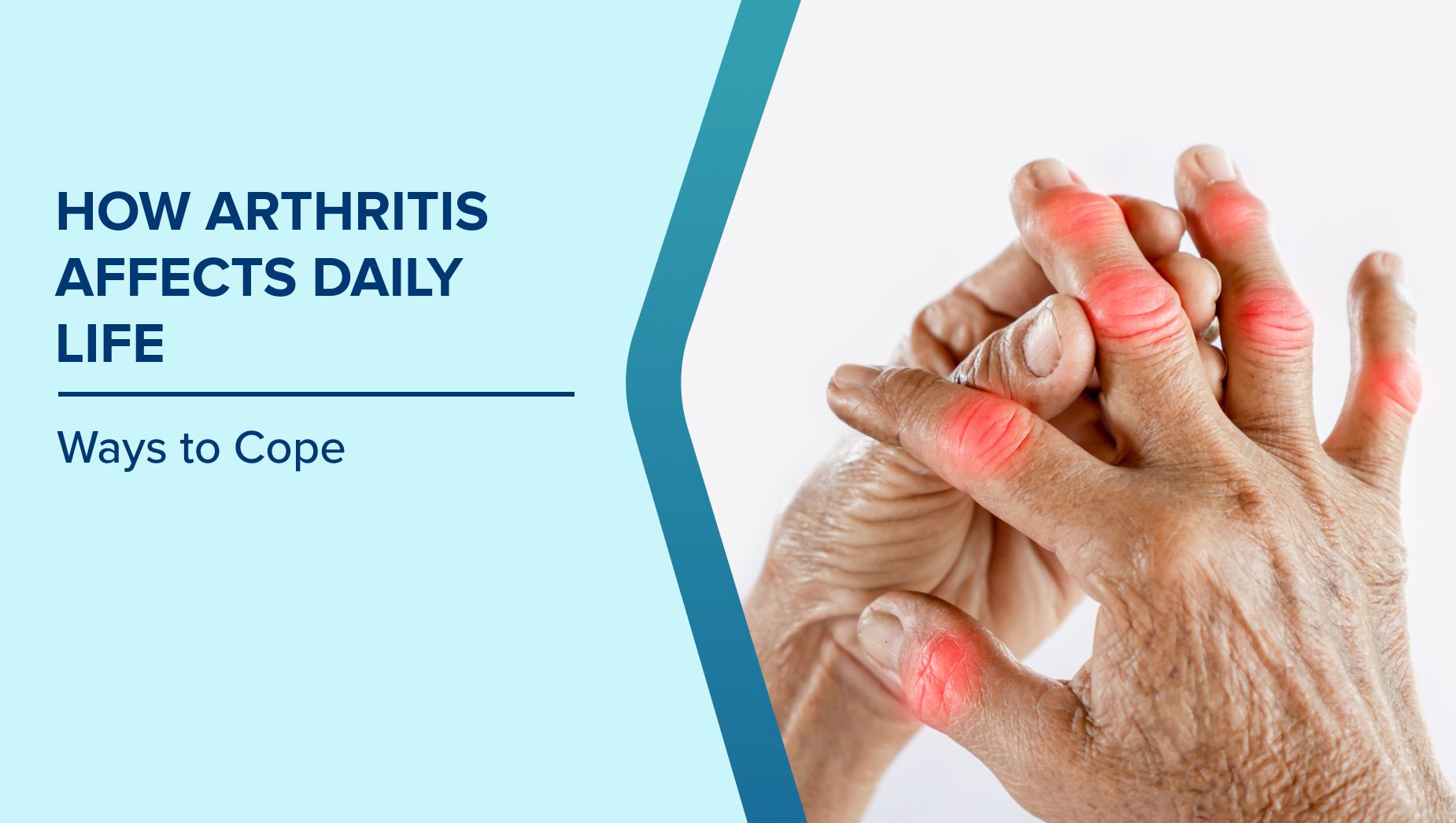
Arthritis is not just a condition of sore joints. It can influence almost every aspect of daily life, from mobility and sleep to emotional well-being and social interactions. For many individuals, living with arthritis means learning to manage symptoms while maintaining independence, productivity, and a positive outlook.
Understanding how arthritis affects daily life and exploring practical coping strategies can significantly improve the management of this chronic condition.
How Arthritis Impacts Daily Life
Arthritis refers to a group of over 100 disorders that impact the joints, surrounding tissues, and connective structures. The most common types are osteoarthritis, which results from gradual cartilage wear, and rheumatoid arthritis, an autoimmune condition that leads to joint inflammation.
Physical Effects
- Joint Pain and Stiffness: Persistent discomfort can make routine activities like dressing, cooking, or climbing stairs challenging. Morning stiffness is especially common in rheumatoid arthritis, affecting daily productivity.
- Reduced Mobility: Pain and swelling can limit the range of motion in affected joints, making movements slower or more difficult.
- Fatigue and Weakness: Chronic inflammation and pain drain energy, leaving individuals feeling tired even after minimal exertion.
Emotional and Social Effects
- Emotional Strain: Ongoing pain and limitations may cause frustration, anxiety, or low mood.
- Sleep Disruptions: Discomfort often interferes with sleep, further compounding fatigue and affecting focus.
- Social Isolation: Avoiding social events or activities due to mobility challenges or pain can lead to loneliness or withdrawal.
Impact on Daily Tasks
Even simple activities like gripping a pen, opening jars, or walking can become difficult. Arthritis may also influence:
- Work Life: Reduced stamina, hand discomfort, or joint pain can affect productivity.
- Household Chores: Tasks like vacuuming, laundry, or carrying groceries may require modifications.
- Hobbies and Leisure: Activities involving fine motor skills or prolonged physical effort may be limited, impacting quality of life.
Coping Strategies to Manage Arthritis
Managing arthritis is about combining medical care with lifestyle adaptations. A multifaceted approach can ease symptoms, preserve mobility, and enhance overall well-being.
Physical Activity and Exercise
Regular movement is crucial for joint health:
- Low-Impact Exercises: Walking, swimming, and cycling strengthen muscles around the joints without adding stress.
- Stretching and Flexibility: Gentle yoga or stretching routines improve range of motion.
- Strength Training: Resistance exercises help stabilise joints and reduce the risk of further damage.
- Consistency Over Intensity: Short, frequent sessions are more effective and safer than infrequent, intense workouts.
Diet and Nutrition
A nutrient-rich diet supports joint health and reduces inflammation:
- Anti-Inflammatory Foods: Omega-3 fatty acids from fish, nuts, and seeds, along with fresh fruits and vegetables, can help ease inflammation.
- Weight Management: Maintaining a healthy weight reduces pressure on weight-bearing joints, alleviating pain in knees and hips.
- Hydration: Adequate water intake keeps joints lubricated and supports overall metabolism.
- Avoid Triggers: Processed foods, high sugar, and trans fats may worsen inflammation and discomfort.
Pain Management
Managing pain is central to daily function:
- Topical Treatments: Creams, gels, or patches may relieve joint discomfort.
- Heat and Cold Therapy: Heat relaxes muscles and eases stiffness, while cold can reduce swelling and numb pain.
- Medication: Over-the-counter or prescribed anti-inflammatory drugs can help, but should be used under medical guidance.
Rest and Sleep
- Sleep Hygiene: Establishing a consistent bedtime, avoiding screens before sleep, and creating a comfortable sleep environment improve rest quality.
- Short Breaks During the Day: Resting painful joints periodically reduces strain and prevents flare-ups.
Stress Management and Mental Health
Chronic pain can affect mood and resilience:
- Mindfulness and Relaxation Techniques: Meditation, deep breathing, or guided relaxation reduces stress and muscle tension.
- Therapy and Counselling: Professional support can help cope with anxiety, depression, or social withdrawal.
- Community Support: Connecting with others living with arthritis through groups or forums provides emotional reassurance.
Assistive Devices and Home Modifications
Practical adaptations help maintain independence:
- Mobility Aids: Canes, walkers, or braces can reduce strain and prevent falls.
- Ergonomic Tools: Special utensils, jar openers, or pens reduce stress on hands.
- Home Adjustments: Grab bars in bathrooms, non-slip mats, and clear pathways improve safety and ease movement.
Work and Lifestyle Adaptations
- Ergonomic Workstations: Adjustable chairs, keyboards, or standing desks reduce joint stress.
- Task Scheduling: Planning tasks for times of peak energy helps manage fatigue.
- Pacing and Prioritisation: Breaking tasks into smaller steps prevents overexertion and preserves energy.
Recognising Flare-Ups and Preventing Complications
Arthritis symptoms can vary daily. Identifying triggers and early signs of flare-ups helps prevent long-term complications:
- Monitor Pain Patterns: Keeping a diary of pain, stiffness, and triggers can guide treatment adjustments.
- Joint Care: Avoid repetitive stress or heavy lifting during flare-ups.
- Medical Review: Regular check-ups ensure medication effectiveness and early intervention if symptoms worsen.
When to Seek Medical Advice
Consult a healthcare provider if you notice:
- Sudden worsening of joint pain or swelling
- Persistent fatigue affecting daily life
- Difficulty performing routine tasks
- Signs of infection in joints or unusual changes in mobility
Early medical attention improves outcomes, prevents joint damage, and ensures optimal management of symptoms.
Conclusion
Arthritis is a chronic condition that affects more than joints; it touches physical, emotional, and social aspects of life. By understanding how it impacts daily activities and adopting effective coping strategies, including exercise, nutrition, stress management, home adjustments, and medical care, individuals can maintain independence, reduce discomfort, and enhance quality of life. Empowerment, self-care, and professional support are key to living well with arthritis.
FAQs
Can arthritis affect sleep quality even without severe pain?
Yes, inflammation and joint stiffness can disrupt sleep patterns, making restful sleep difficult even if pain is mild.
Are there exercises to prevent arthritis progression?
Regular low-impact exercises, stretching, and strength training can help maintain joint function and slow symptom progression.
How can I manage fatigue from arthritis?
Balance activity with rest, maintain good sleep habits, and pace tasks throughout the day to conserve energy.
Is it safe to continue hobbies with arthritis?
Yes, but modify activities to reduce joint strain and use supportive tools or adaptive equipment if needed.
How can technology help manage arthritis daily?
Apps for tracking pain, reminders for medication, and wearable devices for posture or movement can aid symptom management.
How can I prepare for flare-ups in advance?
Keep a symptom diary, plan rest breaks, and have medications or supportive devices ready to minimise discomfort during flare-ups.
Written and Verified by:

Related Blogs

Dr. Vishal Kaura Aggarwal In Rheumatology
Mar 15 , 2018 | 1 min read

Dr. Swetal Chouhan In Rheumatology
Aug 28 , 2023 | 2 min read
Blogs by Doctor

Early Signs of Ankylosing Spondylitis: Back Pain, Stiffness & Joint Swelling
Dr. Suvrat Arya In Rheumatology
Sep 16 , 2025 | 4 min read
Most read Blogs


Related Blogs
Dr. Vishal Kaura Aggarwal In Rheumatology
Mar 15 , 2018 | 1 min read
Dr. Swetal Chouhan In Rheumatology
Aug 28 , 2023 | 2 min read
Blogs by Doctor
Early Signs of Ankylosing Spondylitis: Back Pain, Stiffness & Joint Swelling
Dr. Suvrat Arya In Rheumatology
Sep 16 , 2025 | 4 min read
Most read Blogs