 WhatsApp Us (24/7)
 +91 926 888 0303 (24/7)


To Book an Appointment
Call Us+91 926 888 0303Early Signs of Ankylosing Spondylitis: Back Pain, Stiffness & Joint Swelling
By Dr. Suvrat Arya in Rheumatology
Sep 16 , 2025 | 4 min read
1

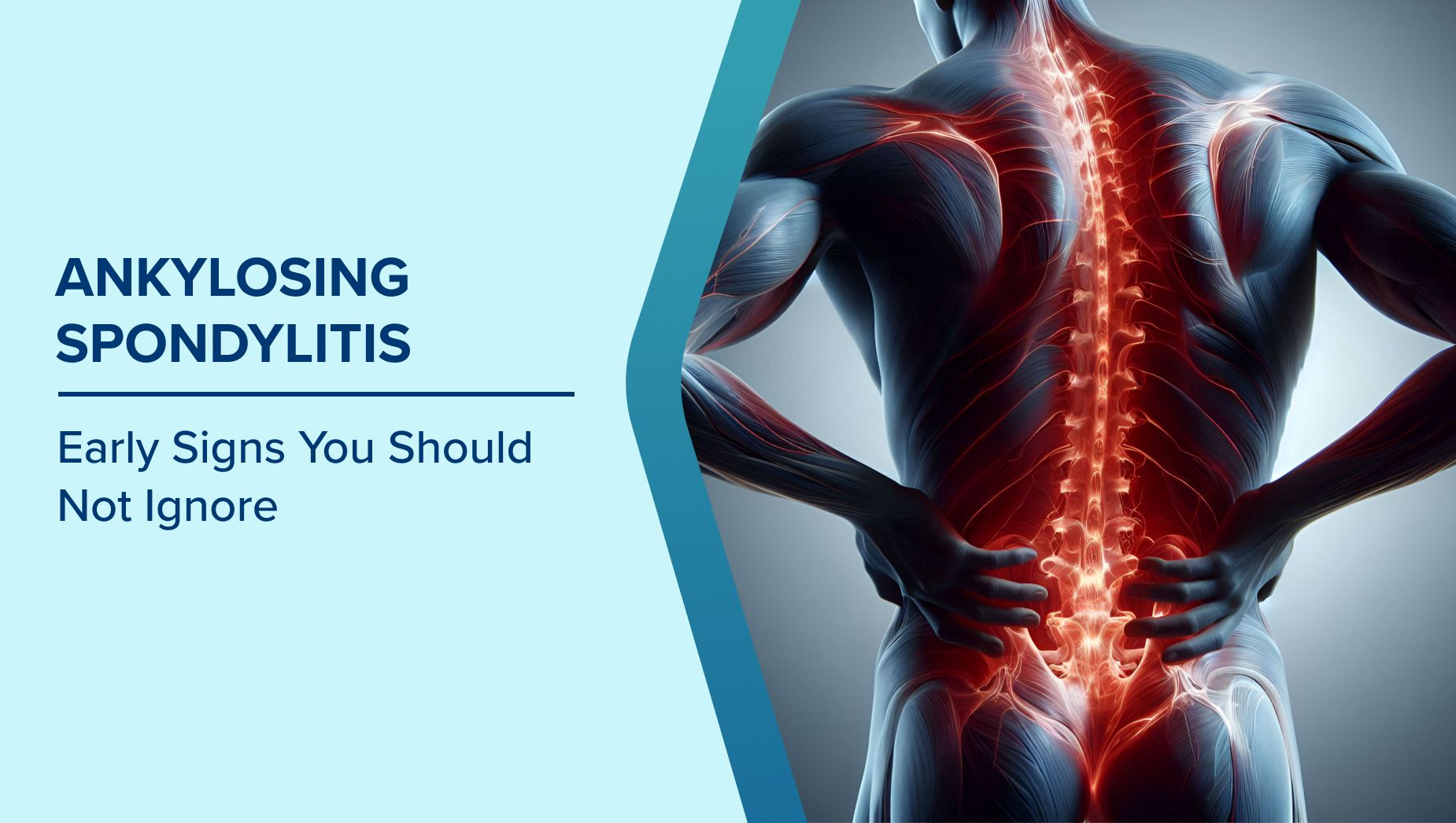
Ankylosing spondylitis (AS) is a chronic autoimmune spine condition that primarily affects the joints in the spine and pelvis. Early recognition of its symptoms is vital, as timely medical intervention can prevent long-term complications such as reduced mobility, spinal fusion, and chronic pain.
Many people dismiss mild back discomfort or occasional joint pain, believing it is caused by fatigue, posture, or ageing. However, ankylosing spondylitis often begins subtly, and recognising these early signs can help patients seek prompt medical advice and manage the condition effectively.
Spinal Symptoms
The spine is the most commonly affected area in ankylosing spondylitis, and the earliest symptoms often start here.
Persistent Lower Back Pain
Unlike typical back pain caused by injury or strain, inflammatory back pain associated with AS has distinctive characteristics:
- Gradual onset over weeks or months
- Pain that worsens at night or during periods of rest
- Relief with physical activity but not with prolonged rest
- Stiffness in the lower back, especially in the morning or after sitting for long periods
Early recognition of this type of back pain is crucial, as it differentiates AS from ordinary musculoskeletal discomfort.
Morning Stiffness
One of the hallmark early signs is morning stiffness lasting 30 minutes or more. Patients may feel difficulty bending, twisting, or standing up straight after waking. Gentle stretching or movement can provide temporary relief, but the stiffness usually returns until the condition is properly managed.
Reduced Spinal Flexibility
Subtle loss of flexibility in the spine can develop in the early stages. Patients may notice difficulty bending forward, twisting, or performing simple daily activities like tying shoelaces. Over time, untreated inflammation can lead to more pronounced spinal rigidity.
Pain at Night
Many patients with AS report nighttime back pain that interrupts sleep. Pain often starts in the lower back or sacroiliac region and may radiate to the buttocks or hips. Unlike mechanical pain, this symptom tends to improve with activity rather than rest.
Peripheral Joint Symptoms
While the spine is the main target, ankylosing spondylitis can also affect other joints:
Hip, Knee, and Shoulder Pain
Early symptoms may include intermittent discomfort in larger joints such as hips, knees, or shoulders. The pain is usually symmetric and worsens with inactivity, which can affect walking, climbing stairs, or lifting objects.
Enthesitis: Pain at Tendon or Ligament Attachments
AS often causes inflammation where tendons or ligaments attach to bones, known as enthesitis. Common sites include the heel (Achilles tendon) and the back of the heel bone (plantar fascia). This can lead to pain while walking, running, or standing.
Joint Swelling and Warmth
Though less common in early stages, mild swelling or warmth in affected joints can be an early indicator of systemic inflammation.
Systemic Symptoms
AS can also trigger systemic or extra-articular symptoms that may be overlooked initially:
Fatigue
Chronic inflammation often leads to persistent fatigue. Patients may feel exhausted even after minimal physical activity, making daily tasks more challenging.
Eye Inflammation
Some individuals experience uveitis or iritis, causing redness, pain, blurred vision, and light sensitivity. Eye inflammation can appear suddenly and may require urgent treatment to prevent complications.
Subtle Symptoms
Other early signs that are often missed include:
- Mild digestive issues linked to inflammatory bowel disease.
- Occasional chest discomfort due to inflammation in the rib joints.
- Intermittent numbness or tingling occurs if spinal inflammation affects nerves.
Recognising these subtle warning signs alongside spinal or joint pain can help patients seek early evaluation.
Subtle Warning Signs Often Missed
Many people experience minor, intermittent symptoms that are easily ignored:
- Back or hip discomfort after prolonged sitting or driving
- Mild morning stiffness that improves with light activity
- Occasional tenderness at tendon attachment points
- Fatigue that seems disproportionate to daily exertion
Paying attention to these patterns can be crucial for early detection, especially in high-risk individuals.
When to Seek Medical Help
Early consultation with a Rheumatologist is essential if you notice any of the following red flags:
- Persistent lower back pain lasting more than three months
- Morning stiffness or reduced spinal flexibility
- Pain affecting multiple joints or tendon attachment sites
- Sudden eye redness or visual disturbances
- Unexplained fatigue that interferes with daily activities
Doctors may recommend blood tests, X-rays, or MRI scans to confirm an ankylosing spondylitis diagnosis. Prompt evaluation allows for early treatment that reduces inflammation, preserves mobility, and improves long-term outcomes.
Conclusion
Early recognition of ankylosing spondylitis symptoms is critical to prevent chronic pain and maintain quality of life. If you notice any symptoms, especially if you are in a high-risk group, consult a healthcare professional for proper evaluation. Timely intervention and lifestyle adjustments can significantly improve daily functioning and long-term outcomes.
Being proactive and attentive to subtle signs of AS is the first step toward effective management and preserving spinal health.
Frequently Asked Questions
Can ankylosing spondylitis affect sleep quality even without severe pain?
Yes, inflammation can disrupt sleep patterns even before severe pain develops, leading to unrefreshing sleep or frequent awakenings.
Are there early lifestyle or activity changes that can help manage AS symptoms?
Yes, maintaining posture, performing gentle stretching, and staying physically active can help manage inflammation and delay stiffness even in the early stages.
How do environmental factors influence the onset of ankylosing spondylitis?
While genetics play a major role, environmental triggers like infections or prolonged sedentary lifestyles may influence the timing or severity of symptom onset.
Can minor digestive issues indicate early ankylosing spondylitis?
Some patients experience mild gastrointestinal discomfort linked to underlying inflammation, which may precede obvious back or joint symptoms.
Is there a link between ankylosing spondylitis and mental health in the early stages?
Early chronic pain and fatigue can affect mood and mental well-being, increasing anxiety or stress even before major physical limitations appear.
Written and Verified by:

Related Blogs

Dr. Vishal Kaura Aggarwal In Rheumatology
Mar 15 , 2018 | 1 min read

Dr. Swetal Chouhan In Rheumatology
Aug 28 , 2023 | 2 min read
Blogs by Doctor

How Arthritis Affects Daily Life and Ways to Cope
Dr. Suvrat Arya In Rheumatology
Oct 23 , 2025 | 4 min read
Most read Blogs


Related Blogs
Dr. Vishal Kaura Aggarwal In Rheumatology
Mar 15 , 2018 | 1 min read
Dr. Swetal Chouhan In Rheumatology
Aug 28 , 2023 | 2 min read
Blogs by Doctor
How Arthritis Affects Daily Life and Ways to Cope
Dr. Suvrat Arya In Rheumatology
Oct 23 , 2025 | 4 min read
Most read Blogs