 WhatsApp Us (24/7)
 +91 926 888 0303 (24/7)


To Book an Appointment
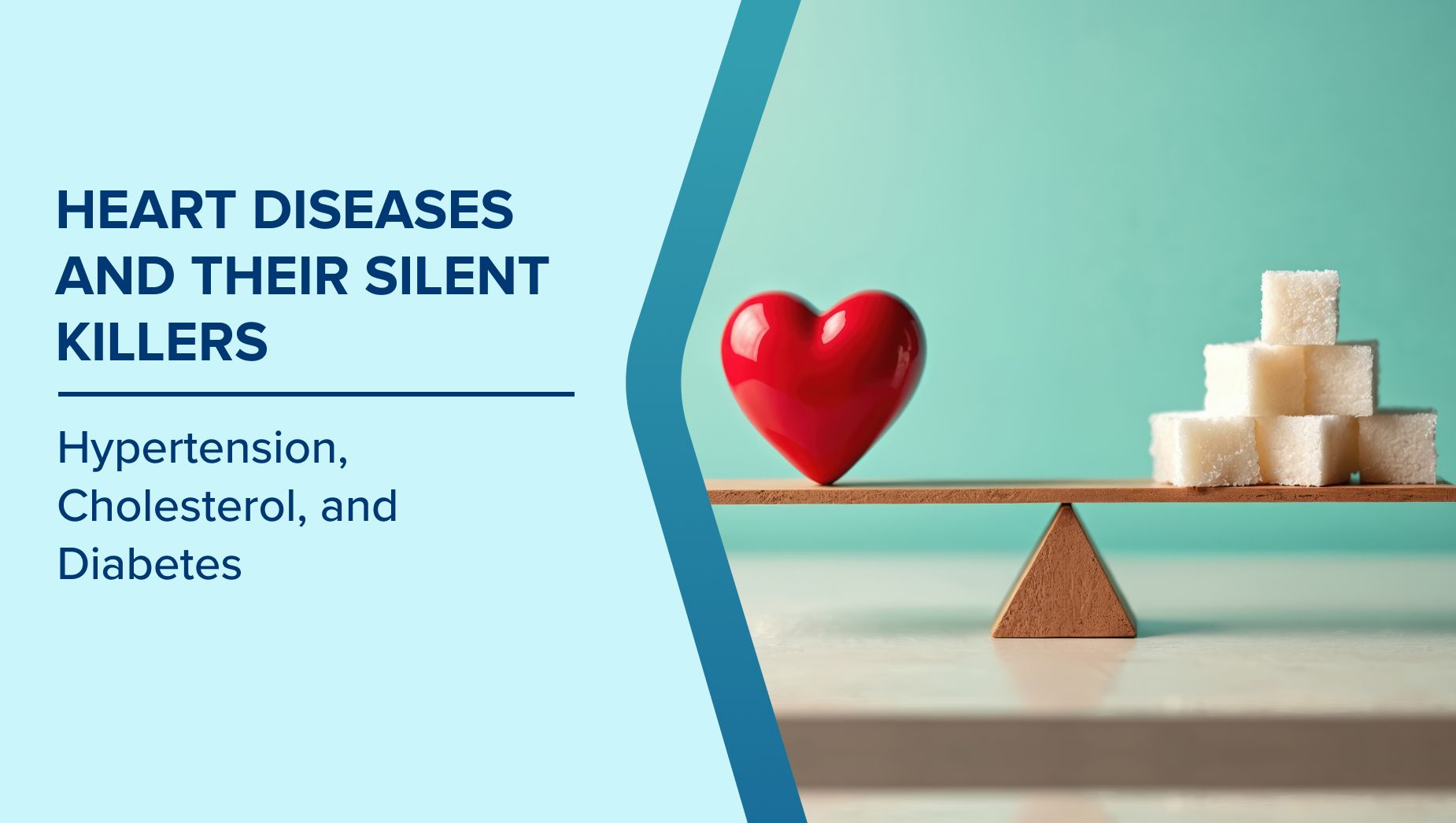
Call Us+91 926 888 0303Heart Diseases and Their Silent Killers: Hypertension, Cholesterol, and Diabetes
By Dr. Preeti Sharma in Cardiac Sciences , Cardiology , Interventional Cardiology , Cardiac Electrophysiology-Pacemaker
Sep 18 , 2025 | 3 min read

Heart disease is one of the leading causes of death worldwide. What makes it more alarming is that many of its biggest threats often remain silent until severe damage has already occurred. Conditions like hypertension, high cholesterol, and diabetes may not always show obvious signs, yet they quietly increase cardiovascular risk. Understanding how these silent killers affect the body and how to prevent them can make a difference in long-term health.
The Silent Connection Between Heart Disease, Hypertension, and Cholesterol
Heart disease is not one single condition but a group of disorders that affect how the heart and blood vessels function. Hypertension, or high blood pressure, silently damages artery walls over time, making them stiff and narrow. High cholesterol, especially LDL cholesterol, contributes to plaque build-up in these damaged arteries. Together, they create a dangerous environment that increases the risk of heart attacks and strokes.
A stroke happens when the blood supply to the brain is blocked or interrupted. Both hypertension and high cholesterol are leading risk factors for stroke, making early detection and lifestyle changes crucial for prevention.
Causes and Risk Factors
Several factors increase the risk of hypertension, cholesterol issues, and heart disease:
- Unhealthy diet high in saturated fats, salt, and processed foods
- Lack of physical activity leading to weight gain and poor circulation
- Smoking and alcohol use that damage blood vessels
- Chronic stress, which raises blood pressure and disrupts heart rhythm
- Family history of heart disease or stroke
- Age and gender, since risks increase after 40 and tend to be higher in men
Warning Signs to Watch For
The challenge with these conditions is that they often develop without symptoms. However, there are some warning signals to pay attention to:
- Persistent headaches or dizziness
- Chest pain or tightness
- Shortness of breath during activity or rest
- Irregular heartbeat or palpitations
- Sudden weakness, numbness, or difficulty speaking (possible stroke signs)
Recognising these early can lead to timely medical care and lower the risk of severe complications.
Preventive Lifestyle Choices
Most cases of hypertension, cholesterol imbalance, and even stroke risk can be reduced with consistent lifestyle changes. Some essential steps include:
- Eat for your heart: Focus on whole grains, leafy greens, lean proteins, nuts, and omega-3-rich foods. Limit salt, sugar, and trans fats.
- Stay active: Aim for at least 30 minutes of moderate exercise such as walking, cycling, or swimming five days a week.
- Manage stress: Practice relaxation techniques like yoga, deep breathing, or mindfulness.
- Quit smoking and limit alcohol: These habits directly harm blood vessels and raise blood pressure.
- Get regular health check-ups: Monitoring blood pressure, cholesterol, and sugar levels can help detect risks early.
Lifestyle Management Beyond Basics
Long-term heart health requires more than just diet and exercise. Sleep quality plays a major role in keeping blood pressure stable and supporting recovery. Hydration and maintaining a healthy body weight also reduce strain on the cardiovascular system. Building a routine that balances work, rest, and activity can protect heart health more effectively than short-term changes.
Conclusion
Hypertension, high cholesterol, and stroke may act silently, but their impact is powerful. Heart disease does not happen overnight. It builds up slowly, often unnoticed, until it reaches a critical point. By making conscious choices today, it is possible to protect the heart and avoid the dangerous consequences of these hidden threats. Prevention is always more effective than treatment, and the path to a healthier heart begins with awareness and action.
Frequently Asked Questions
Can stress alone cause hypertension even without other risk factors?
Yes, chronic stress can keep blood pressure elevated for long periods, increasing the risk of hypertension even in otherwise healthy individuals.
Is it possible to lower cholesterol without medication?
For many people, lifestyle changes such as a heart-healthy diet, exercise, and weight management can significantly reduce cholesterol levels. However, some may still require medication depending on their risk profile.
Does drinking coffee increase the risk of stroke?
Moderate coffee consumption is generally safe and has protective benefits. Excessive caffeine, however, can raise blood pressure and should be avoided by those at risk.
How often should adults check their cholesterol levels?
It is recommended that adults over 30 get their cholesterol checked at least once every 3 to 5 years, or more frequently if they have risk factors like obesity or family history.
Are women at the same risk of stroke as men?
Yes, but the risk in women often rises significantly after menopause due to hormonal changes. Awareness and regular screenings are equally important for both genders.
Written and Verified by:

Related Blogs

Dr. Ritwick Raj Bhuyan In Cardiac Sciences , Cardiac Surgery (CTVS)
Nov 08 , 2020 | 2 min read

Dr. Gaurav Minocha In Cardiac Sciences
Nov 08 , 2020 | 4 min read
Blogs by Doctor
Most read Blogs


Related Blogs
Dr. Ritwick Raj Bhuyan In Cardiac Sciences , Cardiac Surgery (CTVS)
Nov 08 , 2020 | 2 min read
Dr. Gaurav Minocha In Cardiac Sciences
Nov 08 , 2020 | 4 min read
Blogs by Doctor
Most read Blogs