 WhatsApp Us (24/7)
 +91 926 888 0303 (24/7)


To Book an Appointment
Call Us+91 926 888 0303Hand Burn Reconstruction: A Complete Guide for Optimal Recovery
By Dr. Ashish Rai in Aesthetic And Reconstructive Surgery
Sep 10 , 2025 | 4 min read
1

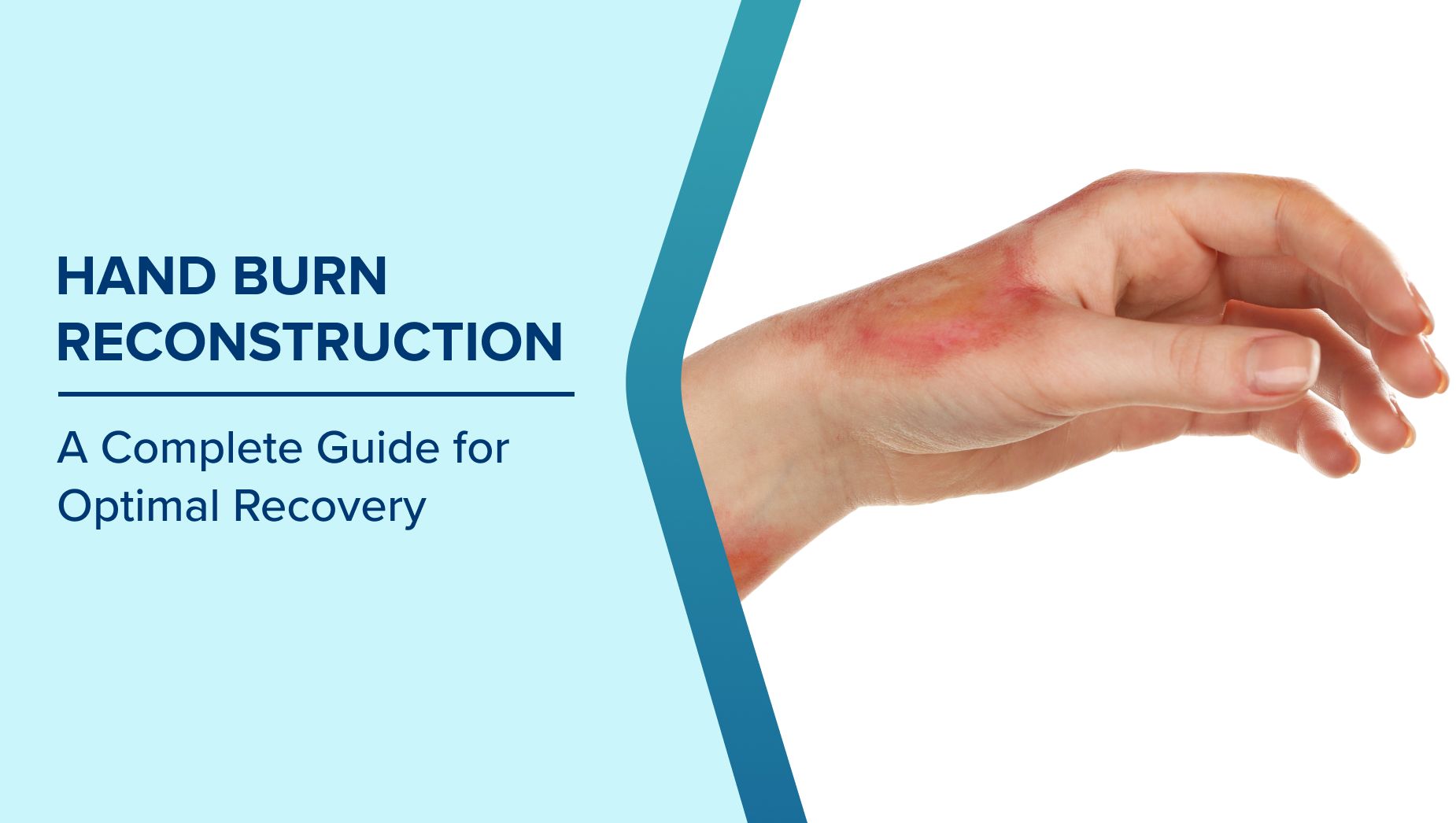
Our hands are vital for almost every daily activity, from working and cooking to expressing ourselves. When a burn injury affects the hands, it can have a profound impact not only on physical function but also on confidence and quality of life. While some minor burns heal with basic treatment, more severe injuries may require specialised care.
Hand burn reconstruction offers a path towards restoring movement, function, and appearance, helping individuals regain independence and live fully again. Understanding the available treatments and recovery strategies is key to achieving the best outcomes.
Understanding Hand Burns
Hand burns vary widely in severity and can result from heat, chemicals, electricity, or even radiation exposure. They are generally classified into:
- Superficial burns: Affect only the outer layer of skin, usually healing with minimal scarring.
- Partial-thickness burns: Extend into deeper skin layers and may cause blistering, stiffness, and visible scarring.
- Full-thickness burns: Damage all skin layers and sometimes underlying muscles or tendons, often requiring surgical treatment.
Because our hands are highly complex with delicate structures, even moderate burns can compromise grip, flexibility, and fine motor skills. Without proper intervention, long-term problems such as joint contractures or limited range of motion may develop, highlighting the importance of advanced burn care.
When Reconstruction Becomes Necessary
Not all burn injuries need surgery, but reconstructive surgery for burns becomes essential when:
- Skin fails to heal properly and leaves restrictive scarring.
- Fingers or joints are immobilised due to contractures.
- Functional ability is severely limited, affecting work, education, or self-care.
- Cosmetic appearance causes psychological distress.
The main goals of hand burn treatment are to restore function, improve appearance, and reduce long-term complications. Timely assessment by a plastic surgery specialist for burn injuries can determine the best course of action and prevent disability.
Surgical Techniques in Hand Burn Reconstruction
Surgery plays a central role in burn injury recovery when conservative methods are not enough. Some widely used techniques include:
- Skin grafting for burns: Healthy skin is taken from another part of the body and transplanted onto the injured area. This helps cover large wounds and aids faster healing.
- Flap surgery: Tissue with its own blood supply is moved to cover deep wounds, offering better resilience than grafts.
- Contracture release: Tight scar tissue that restricts movement is surgically released, allowing greater flexibility.
- Modern techniques: Advances such as bioengineered skin substitutes and microsurgical methods have greatly improved results, making reconstruction more effective and precise.
Each procedure is carefully chosen based on burn severity, location, and patient needs, with the aim of restoring both function and appearance.
The Role of Rehabilitation and Physiotherapy
Surgery alone cannot achieve full recovery. Post-burn physiotherapy and burn rehabilitation exercises are equally important for regaining strength and mobility. These may include:
- Stretching to maintain joint flexibility.
- Grip-strengthening exercises to restore function.
- Task-based training to improve fine motor skills.
- Splinting or supportive devices to prevent contractures.
Rehabilitation also focuses on pain management, swelling reduction, and restoring confidence in daily activities. Long-term commitment to therapy often makes the difference between partial recovery and complete functional independence.
Scar Management and Long-Term Care
Scarring is one of the most challenging aspects of hand burns. Scar management after burns involves both medical and supportive approaches:
- Pressure garments and silicone sheets can minimise raised scars.
- Massage therapy helps soften and improve scar mobility.
- In some cases, further surgical or laser treatments are used to refine the appearance of scars.
Emotional recovery is equally significant. Visible scars may affect self-image, leading to anxiety or social withdrawal. Access to counselling and peer support groups can provide reassurance and motivation during recovery.
Tips for Optimising Recovery at Home
A comprehensive recovery plan extends beyond hospital care. Individuals can support healing by:
- Maintaining proper wound care to reduce infection risks.
- Following a nutritious diet rich in protein, vitamins, and minerals aids tissue repair.
- Staying hydrated promotes skin elasticity and healing.
- Adhering to prescribed exercises to prevent stiffness and maintain progress.
- Protecting hands from further injury by avoiding excessive heat, chemicals, or physical strain.
Consistent follow-up with healthcare professionals ensures any emerging problems are addressed quickly.
Conclusion
Hand burn reconstruction is a journey that blends surgical expertise, rehabilitation, and personal resilience. With timely specialist care, the right treatment plan, and dedicated recovery efforts, individuals can regain hand function and improve their quality of life. If you or a loved one is coping with a serious hand burn, consulting a plastic and reconstructive surgeon ensures the best possible outcome. Seeking help early can mean the difference between lasting disability and complete recovery.
Frequently Asked Questions
How long does recovery after hand burn reconstruction usually take?
Recovery timelines vary depending on the severity of the injury and the type of surgery performed. Some patients notice improvement within weeks, while complete recovery may take several months with ongoing physiotherapy.
Can hand burn reconstruction restore full mobility?
While many patients regain excellent function, the outcome depends on the depth of the burn and adherence to rehabilitation programmes. Early intervention and consistent therapy often lead to the best results.
Are there risks of future surgeries after initial reconstruction?
In some cases, additional surgeries may be required to address contractures, improve scar appearance, or refine function. Regular follow-ups help identify such needs at an early stage.
What role does occupational therapy play in recovery?
Occupational therapy complements physiotherapy by focusing on daily tasks. It helps patients relearn skills such as writing, cooking, or using tools, ensuring independence in everyday life.
Can laser treatments help with burn scars?
Yes, laser therapy is increasingly used to reduce scar thickness, improve texture, and minimise discomfort. It is usually considered after initial healing and under specialist guidance.
Written and Verified by:

Related Blogs

Dr. Sunil Choudhary In Aesthetic And Reconstructive Surgery
Nov 07 , 2020 | 2 min read

Dr. Sunil Choudhary In Aesthetic And Reconstructive Surgery
Nov 07 , 2020 | 1 min read
Blogs by Doctor
Most read Blogs


Related Blogs
Dr. Sunil Choudhary In Aesthetic And Reconstructive Surgery
Nov 07 , 2020 | 2 min read
Dr. Sunil Choudhary In Aesthetic And Reconstructive Surgery
Nov 07 , 2020 | 1 min read
Blogs by Doctor
Most read Blogs