 WhatsApp Us (24/7)
 +91 926 888 0303 (24/7)


To Book an Appointment
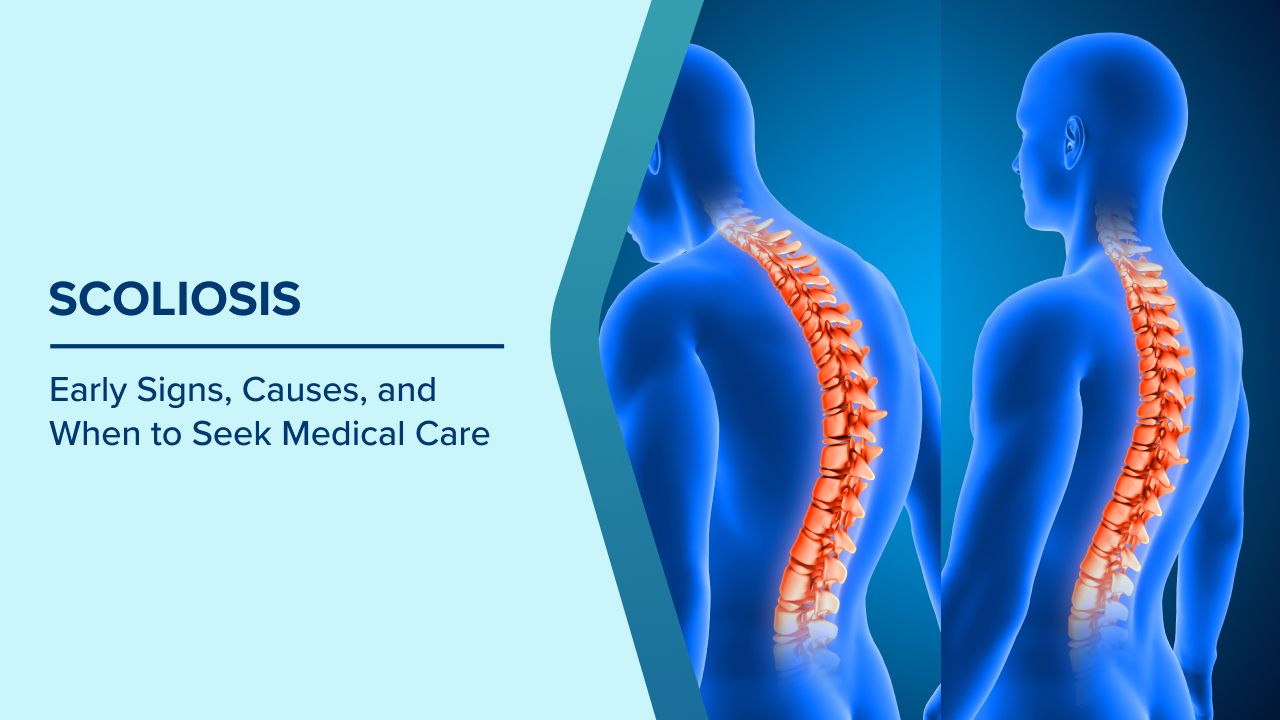
Call Us+91 926 888 0303Early Signs of Scoliosis: Causes & When to Seek Care
By Dr. Mohammed Faizan in Spine Surgery
Feb 12 , 2026

Scoliosis is often misunderstood as just a posture issue, but in reality, it is a spinal condition that can quietly progress if left unnoticed. Many people live with scoliosis for years without realising it, especially in the early stages when discomfort is minimal or absent. By the time visible changes or pain appear, the curve may have already advanced. Recognising scoliosis early can make a meaningful difference in long-term spinal health.
Understanding Scoliosis Beyond a Crooked Spine
Scoliosis is an abnormal sideways curvature of the spine that often develops during periods of rapid growth, especially childhood and adolescence. However, it is not limited to younger age groups. Adults can also develop scoliosis or experience progression of an existing curve.
What makes scoliosis complex is that it rarely follows a predictable pattern. Some curves remain mild throughout life, while others worsen gradually and begin to affect posture, mobility, and overall comfort. Because early symptoms can be easy to miss, awareness becomes essential.
Early Signs of Scoliosis That Are Often Overlooked
In its early stages, scoliosis may not cause obvious pain. Instead, the body gives subtle visual and physical clues that are often ignored or attributed to fatigue or poor posture.
Changes in Body Alignment
One of the earliest signs is a noticeable imbalance in the body's appearance when standing naturally. This may include:
- Uneven shoulders or shoulder blades
- One hip appearing higher than the other
- A tilted head position
- An uneven waistline
These changes may become more noticeable when wearing fitted clothing or while looking in a mirror.
Postural Fatigue and Muscle Tightness
People with early scoliosis often complain of feeling tired after sitting or standing for long periods. There may be tightness on one side of the back or discomfort that improves with rest.
Rib or Back Prominence
When bending forward, one side of the rib cage or lower back may appear more prominent. This is a key visual sign that should not be ignored, especially in growing children.
Subtle Movement Asymmetry
Some individuals notice reduced flexibility on one side of the body or difficulty maintaining balance during routine activities like walking or stretching.
Common Causes of Scoliosis
Scoliosis does not always have a single clear cause. Understanding the different contributing factors can help individuals recognise their risk and seek timely care.
Idiopathic Scoliosis
This is the most common form and often appears during adolescence. The exact cause is unknown, but it may be linked to growth patterns and genetic factors.
Congenital Factors
Some people are born with spinal abnormalities that lead to scoliosis. These cases may progress as the child grows, making early monitoring and sometimes early surgery essential.
Neuromuscular Conditions
Conditions that affect muscle control or nerve function can alter spinal support, leading to curvature over time.
Degenerative Changes in Adults
Age-related wear and tear of the spine can result in adult-onset scoliosis. Disc degeneration and joint changes may gradually pull the spine out of alignment.
Why Early Detection Makes a Difference
Early identification of scoliosis allows for careful monitoring and timely intervention before the curve worsens.
- Progression can often be slowed or managed
- Postural changes can be addressed proactively
- Long-term discomfort may be reduced
- Quality of life and mobility can be preserved
Ignoring early signs may allow the curvature to increase, leading to visible deformity, chronic pain, and reduced spinal flexibility later in life.
When to Seek Medical Care for Scoliosis
Seek medical advice if you notice:
- Visible changes in posture or body symmetry
- Persistent back discomfort without a clear cause
- Rapid changes in posture during growth years
- Uneven wear patterns on shoes
- Difficulty standing straight for extended periods
Parents should be especially attentive during a child’s growth phase.
Emotional and Social Impact of Scoliosis
Beyond physical changes, scoliosis can affect emotional well-being.
Living Proactively With Scoliosis Awareness
Scoliosis does not define a person’s abilities or future. With awareness and timely care, many people lead active, fulfilling lives.
Treatment Options for Scoliosis
The treatment of scoliosis depends on age, curve severity, symptoms, and progression.
1. Observation
For mild scoliosis, regular monitoring with clinical examinations and X-rays helps track curve progression.
2. Bracing
Bracing is often advised for moderate curves in children and teenagers who are still growing.
3. Physiotherapy and Exercises
Scoliosis-focused exercises along with physiotherapy can improve posture and muscle balance.
4. Surgical Treatment
Surgery is considered when the spinal curve is severe, progressive, or causing complications.
When Should One Consider Surgery for Scoliosis?
With advancements in implants, neuromonitoring, and safer anaesthesia, scoliosis surgery today offers improved outcomes and higher safety.
Conclusion
Scoliosis often develops quietly, making awareness the most valuable tool for protection. Seeking medical guidance at the right time supports long-term spinal health.
Frequently Asked Questions
Can scoliosis affect mental health even if physical symptoms are mild?
Yes, concerns about posture or long-term spinal health can cause anxiety.
Is scoliosis always detected during childhood?
No, some cases are diagnosed in adulthood.
Can scoliosis influence work performance?
Prolonged sitting or strain can increase fatigue if not managed properly.
Does scoliosis limit travel or daily activities?
Most individuals can travel and stay active with proper awareness.
Can scoliosis progress even without pain?
Yes, scoliosis can worsen silently, especially during growth periods.
Written and Verified by:

Related Blogs

Prof. (Dr). V.K.Jain In Neurosciences , Spine Surgery
Nov 07 , 2020 | 5 min read
Dr. Amit Gupta In Spine Surgery , Neurology
Nov 07 , 2020 | 2 min read
Blogs by Doctor
Most read Blogs


Related Blogs
Prof. (Dr). V.K.Jain In Neurosciences , Spine Surgery
Nov 07 , 2020 | 5 min read
Dr. Amit Gupta In Spine Surgery , Neurology
Nov 07 , 2020 | 2 min read
Blogs by Doctor
Most read Blogs