 WhatsApp Us (24/7)
 +91 926 888 0303 (24/7)


To Book an Appointment
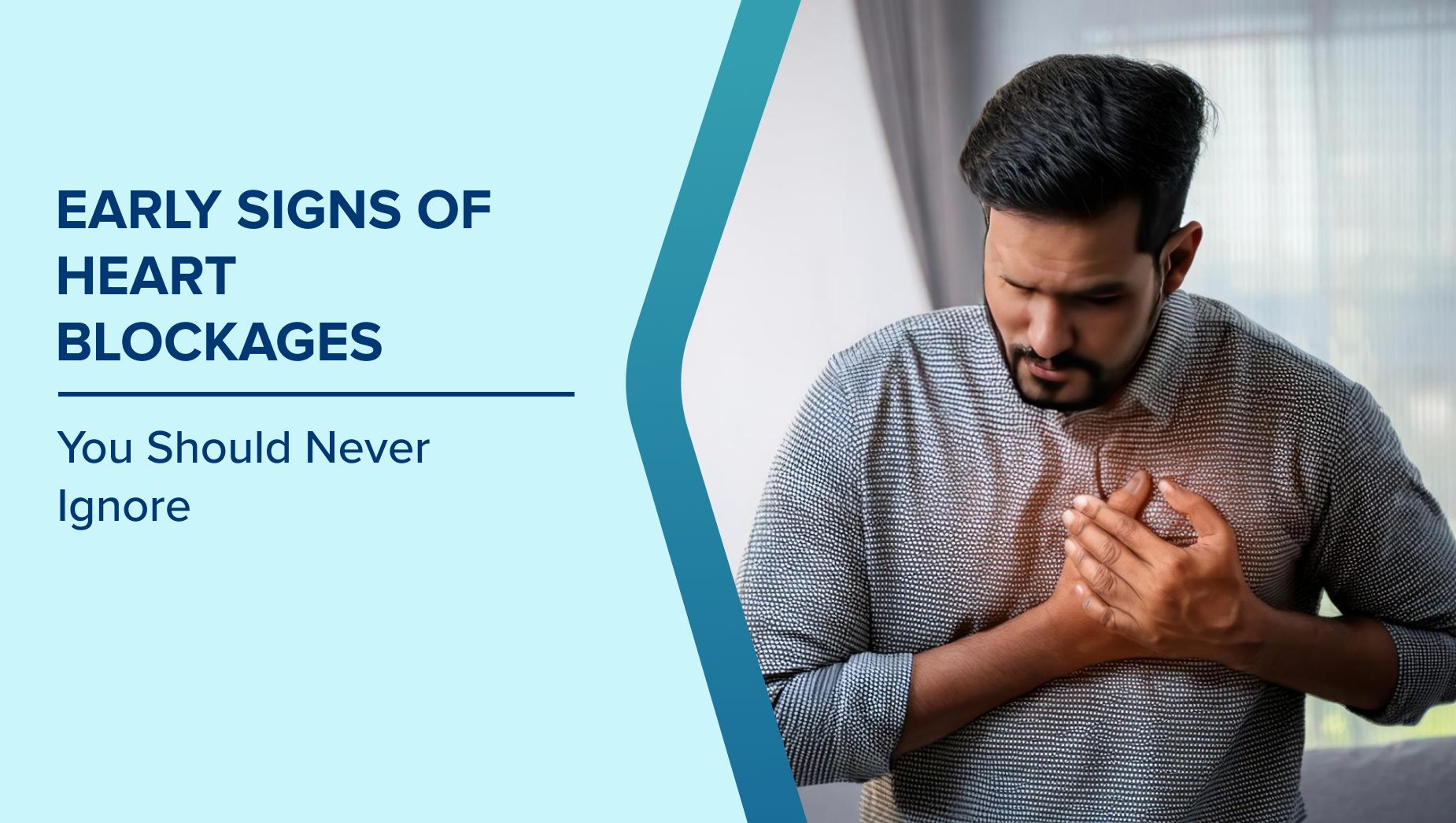
Call Us+91 926 888 0303Early Signs of Heart Blockages: You Should Never Ignore
By Dr Sujeet Narain in Cardiac Sciences , Interventional Cardiology
Dec 10 , 2025 | 6 min read

Heart blockages rarely appear suddenly. In most people, the body sends small warnings long before the situation becomes serious. These signs are often subtle, irregular, and easy to overlook, which is why early recognition plays a crucial role in preventing complications. Understanding these early clues can help you seek timely medical advice and protect your heart health.
Many people associate heart blockages only with major symptoms like intense chest pain or a sudden collapse. In reality, the earliest warning signs are far less dramatic. They often appear during daily activities, mild exertion or even moments of rest.
What Are Early Signs of Heart Blockages?
When the arteries supplying blood to the heart start narrowing, the heart muscle receives less oxygen than it needs. In the early stages, this reduced supply is mild and inconsistent, which is why symptoms come and go. The body tries to compensate, and at first, the discomfort may be too vague to identify.
Early signs often involve unusual sensations, unexplained fatigue, discomfort in unexpected areas, or changes in how your body responds to routine activities. These symptoms may not feel severe, but they indicate that the heart is working harder than usual to keep up.
Chest Discomfort That Does Not Feel Like Typical Pain
People expect chest pain to be sharp and intense. Early heart-related discomfort is often the opposite. You may feel:
- Pressure in the centre of the chest
- A strange tightness that feels like a heavy object resting on the chest
- Warmth or mild burning that is not related to acidity
- A sensation of fullness that appears during walking and settles with rest
This discomfort may last only a few minutes and may disappear when you stop the activity. Many ignore it because it feels mild, but recurring tightness during exertion is one of the earliest signs that the heart is struggling to receive enough blood.
Unexplained Breathlessness During Routine Activities
Shortness of breath is one of the most overlooked early signals. The key detail is that it appears during activities that never previously caused difficulty. For example:
- Feeling unusually winded after climbing a few steps
- Struggling to complete your regular walk
- Losing breath while carrying light groceries
- Feeling breathless when talking while walking
Breathlessness linked to heart blockages often improves after resting for a few minutes. Over time, episodes may become more frequent, which is an important sign that the heart is under strain.
Persistent Fatigue That Feels Out of Character
Occasional tiredness is normal. Heart-related fatigue is different because it feels excessive and out of proportion to your daily activities. People describe it as:
- Feeling drained for no clear reason
- Reduced stamina even after adequate sleep
- Struggling to complete tasks that used to feel easy
- Feeling mentally foggy or unusually low on energy
This happens because the heart is not pumping efficiently, reducing oxygen supply throughout the body. Even mild blockages can make you feel more tired than usual.
Discomfort That Appears in Areas Other Than the Chest
One of the most confusing signs of an early heart blockage is pain or discomfort in parts of the body that do not seem related to the heart. This happens because the nerves supplying the heart share pathways with other areas. You might feel:
- A dull ache in the left arm or shoulder
- Tingling or heaviness in both arms
- Discomfort in the jaw or lower face
- Tightness in the upper back, especially between the shoulder blades
- A strange sensation in the upper stomach area
These symptoms tend to appear during activity and settle with rest. People often blame acidity, nerve pain or muscle strain, which delays attention.
Sudden Sweating Without Physical Exertion
Unexpected sweating, especially when it feels cold or clammy, is an early alert that the body is under stress. This can happen even while sitting or lying down. Many people notice:
- Moist palms
- Damp forehead
- Unexpected sweating during mild exertion
- A feeling of uneasiness accompanying the sweating
This response occurs when the heart is struggling to maintain its normal rhythm and output.
Episodes of Light-headedness or Feeling Faint
When the blood flow to the brain drops even slightly, you may feel light-headed. This does not always mean you will faint, but it includes sensations such as:
- Brief spells of dizziness when standing
- A floating or unsteady feeling
- A momentary blackout sensation
- Feeling faint after light exertion
These moments may be quick and easy to dismiss, but when they recur, they can signal that the heart is having difficulty maintaining adequate circulation.
Unusual Palpitations or Awareness of Your Heartbeat
Not all palpitations are dangerous, but certain patterns may point toward early heart trouble. Signs to watch for include:
- A racing heartbeat during light activity
- Feeling the heart pound harder than usual
- Irregular beats accompanied by discomfort
- Palpitations linked with breathlessness or dizziness
When blood flow to the heart muscle is reduced, the rhythm may fluctuate, especially during exertion or emotional stress. Uncontrolled hypertension even with more than three medicines may be due to stress on the heart.
Sleep Disturbances and Night-time Discomfort
Heart blockages can affect sleep indirectly. Some people notice:
- Waking up breathless
- Needing to sit upright to feel comfortable
- Sudden episodes of chest or upper stomach discomfort during the night
- Restless sleep due to unexplained uneasiness
Although these may not appear severe, they are linked to changes in the heart’s ability to manage pressure during rest.
Reduced Exercise Tolerance
One of the earliest clues is a clear change in how much activity your body can handle before discomfort starts. You might notice:
- Walking slower than usual
- Feeling tired halfway through your usual route
- Needing more breaks during light activities
- A general decline in stamina over weeks or months
This gradual drop in tolerance occurs when the heart cannot cope with increased demand. It often becomes noticeable long before major symptoms appear.
Indigestion Like Discomfort That Appears Only During Exertion
Many people confuse early heart-related discomfort with indigestion. However, heart-related discomfort tends to follow a pattern:
- It appears during walking or climbing steps
- It eases after resting for a few minutes
- It returns with the same activity
- It may feel like pressure rather than typical acidity
This pattern makes it different from gastrointestinal issues. Recognising this difference can help identify early heart blockages.
Why People Commonly Ignore These Early Signs
The earliest symptoms are mild and unpredictable. People often assume they are caused by aging, tiredness, acidity or stress. Because the symptoms appear and disappear, many delay consultation.
Another reason is that early heart trouble does not always resemble classic heart attack symptoms. Discomfort in the jaw, arm, upper back or stomach can be misleading. Similarly, tiredness or breathlessness may be blamed on busy routines.
What To Do If You Notice Any Early Warning Signs
Early testing and timely medical advice can prevent complications. If you experience any recurring or unexplained symptoms, especially during exertion, it is important to get your heart evaluated. Discussing these concerns early allows for personalised guidance, lifestyle recommendations and timely interventions.
Conclusion
Heart blockages rarely begin with dramatic symptoms. Instead, the earliest signs are subtle, irregular and easily misunderstood. Paying attention to unusual discomfort during daily tasks, unexplained tiredness or changes in your normal stamina can help you identify problems early. Responding to these signals promptly plays a key role in protecting your heart and reducing the risk of complications. When something feels different or out of balance, it is always wise to discuss it with a healthcare professional.
FAQs
Can anxiety cause symptoms that feel similar to early heart blockages?
Yes, anxiety can produce chest tightness, breathlessness and palpitations, which may resemble heart-related symptoms. A medical evaluation helps distinguish the cause.
Do early heart blockage symptoms appear every day?
Not always. Some people experience symptoms only during activity or stress. Their irregular pattern is one reason early signs are often ignored.
Can early signs of heart blockages occur even if someone is fit and active?
Yes, fitness levels do not guarantee that arteries are clear. Even active individuals can experience early warning signs, especially if there is a family history of heart trouble.
Are early symptoms the same for men and women?
No, women may experience more subtle symptoms such as fatigue, nausea and upper back discomfort. Men may notice chest pressure or reduced stamina. Individual experiences vary widely.
How long should I wait before consulting a doctor if I notice possible early symptoms?
It is better not to wait. If symptoms recur, especially during exertion, seek advice promptly. Early evaluation can help prevent complications.
Written and Verified by:

Related Blogs

Dr. Ritwick Raj Bhuyan In Cardiac Sciences , Cardiac Surgery (CTVS)
Nov 08 , 2020 | 2 min read

Dr. Gaurav Minocha In Cardiac Sciences
Nov 08 , 2020 | 4 min read
Blogs by Doctor
Most read Blogs


Related Blogs
Dr. Ritwick Raj Bhuyan In Cardiac Sciences , Cardiac Surgery (CTVS)
Nov 08 , 2020 | 2 min read
Dr. Gaurav Minocha In Cardiac Sciences
Nov 08 , 2020 | 4 min read
Blogs by Doctor
Most read Blogs