 WhatsApp Us (24/7)
 +91 926 888 0303 (24/7)


To Book an Appointment
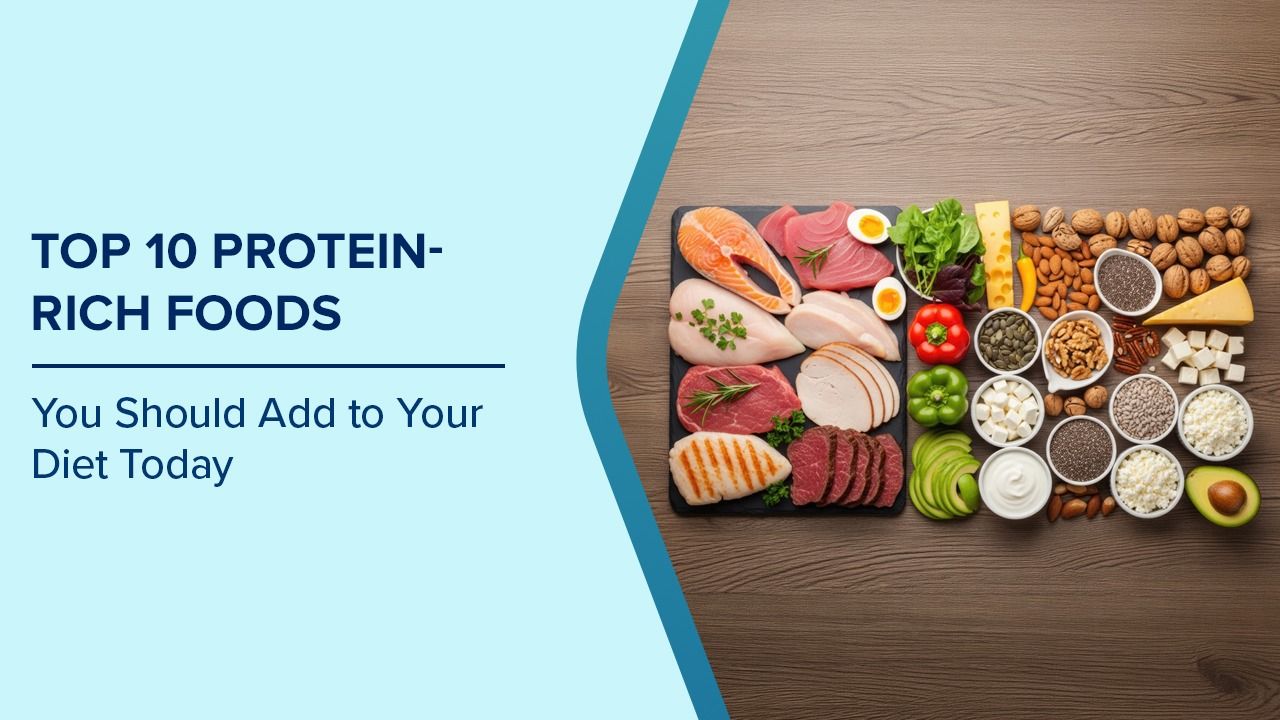
Call Us+91 926 888 0303Top 10 Protein-Rich Foods You Should Add to Your Diet Today
By Ms. Kalpana Gupta in Nutrition And Dietetics
Jun 16 , 2026

Protein does far more than build muscle. It fuels recovery after exercise, keeps you feeling full, drives a healthy metabolism, and keeps your immune system running properly. Yet most people are not getting enough of it, and the gap usually comes down to habit and awareness rather than access. The foods that can meaningfully boost your protein intake are not exotic or expensive. They are sitting in grocery stores, on restaurant menus, and probably already in your kitchen. In this blog we cover ten of the best protein sources worth making a regular part of your diet.
Role of Protein in the Body
Protein is a vital nutrient that supports several important functions in the body. These include:
- Tissue growth and repair: Supports the growth of new tissues and helps repair damaged muscles, skin, and organs after daily wear, physical activity, or injury
- Cell structure and function: Forms a major structural component of cells and helps maintain their shape, strength, and proper functioning
- Enzyme production: Helps in the formation of enzymes that are needed for digestion, energy release, and various chemical reactions in the body
- Hormone regulation: Assists in producing hormones that regulate key functions such as growth, metabolism, mood, and stress response
- Immune system support: Contributes to the production of antibodies that help the body defend against infections and illnesses
- Energy provision: Acts as an alternative energy source when carbohydrate and fat intake is insufficient, helping maintain energy balance
- Oxygen transport and storage: Plays a role in the formation of haemoglobin, which carries oxygen in the blood to different parts of the body
10 High Protein Foods to Add to Your Diet
Including a mix of animal and plant-based high protein foods in daily meals helps improve nutritional balance and supports long-term health. Here are ten high-protein foods that can be easily included in the diet:
Eggs
Eggs are considered a complete protein source as they contain all essential amino acids required by the body. They are also rich in important nutrients such as vitamin B12 and choline, which support brain function. Eggs are easy to prepare and can be included in meals in different forms such as boiled, poached, or as omelettes.
Chicken Breast
Chicken breast is a lean and high-quality source of protein with low fat content. It supports muscle repair and maintenance, especially for those who are physically active. It can be grilled, baked, or added to curries and salads, making it a versatile addition to meals.
Fish (Salmon, Tuna, Sardines)
Fish provides high-quality protein along with essential nutrients. Fatty fish such as salmon are rich in omega-3 fatty acids, which support heart health and brain function. Regular inclusion of fish in meals can help improve overall nutritional intake.
Paneer (Cottage Cheese)
Paneer is a rich source of protein and calcium, making it beneficial for bone and muscle health. It is widely used in Indian cooking and can be added to curries, wraps, or salads. Its soft texture and mild taste make it suitable for a variety of dishes.
Greek Yoghurt
Greek yoghurt contains a higher protein content compared to regular yoghurt. It also provides probiotics that support gut health. It can be consumed as a snack, added to smoothies, or paired with fruits and nuts for a balanced meal option. They are one of the high protein foods for vegetarians.
Lentils (Dal)
Lentils are a staple in many Indian households and provide a good amount of plant-based protein. They are also rich in fibre, which helps in digestion and keeps the body full for longer periods. Lentils can be prepared in different ways and easily included in daily meals.
Chickpeas (Chana)
Chickpeas offer a combination of protein, fibre, and essential nutrients. They support energy levels and digestion. They can be used in curries, salads, or roasted as a healthy snack, making them a flexible ingredient in the diet.
Tofu
Tofu is a plant-based protein made from soybeans and is suitable for vegetarian and vegan diets. It is a complete protein and also provides minerals such as calcium and iron. Its ability to absorb flavours makes it easy to include in a wide range of dishes.
Quinoa
Quinoa is a nutrient-rich grain alternative that contains all essential amino acids, making it a complete plant protein. It is also a good source of fibre and minerals. Quinoa can be used as a base for salads, bowls, or as a substitute for rice.
Nuts and Seeds (Almonds, Chia, Pumpkin Seeds)
Nuts and seeds are rich in protein, healthy fats, and fibre. They support heart health and help maintain energy levels throughout the day. They can be consumed as snacks or added to meals such as salads, yoghurt, or smoothies for extra nutrition.
Tips to Build a High-Protein Meal Plan
Planning meals with enough protein does not require major changes, but it does need some consistency and balance. The following tips can make it easier to build a high-protein meal plan:
- Include protein in every meal: Add a source of protein to breakfast, lunch, and dinner to maintain steady energy levels and support muscle health
- Start the day with protein-rich foods: Choose options such as eggs, yoghurt, or lentils in the morning to stay full for longer and reduce mid-morning hunger
- Balance animal and plant sources: Combine foods such as chicken, dairy, lentils, and chickpeas to improve overall nutrient intake
- Choose healthy snacks: Replace low-nutrient snacks with options such as nuts, seeds, or roasted chickpeas to increase protein intake through the day
- Plan meals in advance: Preparing a weekly meal plan helps ensure protein-rich foods are included and reduces last-minute unhealthy choices
- Watch portion sizes: Maintain balanced portions to meet protein needs without increasing overall calorie intake unnecessarily
- Pair protein with other nutrients: Combine protein with fibre-rich foods such as vegetables and whole grains for better digestion and satiety
- Limit processed protein foods: Focus on whole food sources instead of relying heavily on packaged or processed options
- Stay consistent with intake: Regular intake of protein throughout the day supports better absorption and utilisation by the body
Common Mistakes to Avoid
Increasing protein intake can be beneficial, but certain habits may reduce its effectiveness or lead to imbalance in the diet. These include:
- Relying on a single protein source: Depending only on one source such as only chicken or only lentils can limit the range of nutrients the body receives. A mix of animal and plant-based proteins supports better overall nutrition
- Ignoring overall diet balance: A diet focused only on protein and low in carbohydrates, healthy fats, and fibre can affect digestion, energy levels, and overall health
- Overconsumption of protein: Eating more protein than the body requires does not provide extra benefits and may lead to digestive discomfort or unnecessary calorie intake
- Skipping protein at certain meals: Missing protein in meals such as breakfast can lead to uneven intake across the day and may increase hunger or cravings later
- Choosing processed protein options: Packaged protein foods such as bars or ready-to-eat items may contain added salt, sugar, and preservatives, which can reduce their nutritional value
- Neglecting plant-based proteins: Avoiding plant sources like lentils, chickpeas, and nuts can reduce fibre intake and limit variety in the diet
- Not adjusting intake to lifestyle: Protein needs differ based on age, physical activity, and health goals, so following a fixed intake without considering these factors may not be effective
- Ignoring hydration: Higher protein intake increases the body’s need for water, and not drinking enough fluids can affect digestion and overall metabolism
Consult Today
Adding more protein to daily meals does not have to feel complicated, and small, consistent choices can make a noticeable difference in how you feel throughout the day. If there is still some confusion about how much protein is right or how to plan meals better, it is always helpful to speak with a qualified expert who can guide based on individual needs. Consider consulting a dietitian or nutritionist at Max Hospital, who can help you build a practical meal plan that works well with your lifestyle and health goals.
Frequently Asked Questions
Can too much protein affect kidney health?
Excess protein over a long period may put strain on the kidneys, especially in individuals with pre-existing kidney conditions. It is important to follow recommended intake levels and seek medical advice if there are concerns.
Is protein intake important for people who do not exercise regularly?
Protein is essential for everyone, not just those who are physically active. It supports basic body functions such as tissue repair, immunity, and maintaining muscle mass.
What is the best time to consume protein during the day?
Protein can be consumed at any time, but spreading intake evenly across meals helps the body use it more effectively and supports steady energy levels.
Are protein supplements necessary to meet daily requirements?
Most people can meet their protein needs through regular foods. Supplements are usually not required unless advised by a healthcare professional based on specific needs.
How does protein intake change with age?
Protein requirements may increase with age to help maintain muscle mass and strength. Older adults often need to pay closer attention to their daily intake.
Can a high-protein diet help with weight loss?
Protein can support weight management by promoting a feeling of fullness and helping reduce overall calorie intake when included as part of a balanced diet.
Are there any side effects of a high-protein diet?
In some cases, very high protein intake may lead to digestive discomfort or imbalance in nutrient intake if other food groups are neglected.
How can someone with lactose intolerance increase protein intake?
Lactose-free dairy options, plant-based sources such as lentils, tofu, and nuts, and fortified products can help meet protein needs without causing discomfort.
Written and Verified by:

Related Blogs


Dr. Neera Aggarwal In Obstetrics And Gynaecology , Nutrition And Dietetics
Nov 07 , 2020 | 7 min read
Blogs by Doctor

Impact of Heat Waves on Children’s Health
Ms. Kalpana Gupta In Nutrition And Dietetics
Jun 21 , 2022 | 1 min read

5 Benefits of Probiotics You Should be Aware of!
Ms. Kalpana Gupta In Nutrition And Dietetics
Sep 12 , 2022 | 2 min read
Most read Blogs

Related Blogs
Dr. Neera Aggarwal In Obstetrics And Gynaecology , Nutrition And Dietetics
Nov 07 , 2020 | 7 min read
Blogs by Doctor
Impact of Heat Waves on Children’s Health
Ms. Kalpana Gupta In Nutrition And Dietetics
Jun 21 , 2022 | 1 min read
5 Benefits of Probiotics You Should be Aware of!
Ms. Kalpana Gupta In Nutrition And Dietetics
Sep 12 , 2022 | 2 min read
Most read Blogs