 WhatsApp Us (24/7)
 +91 926 888 0303 (24/7)



To Book an Appointment
Call Us+91 926 888 0303Chickenpox: Causes, Symptoms, Treatment, and Prevention
By Dr. Nitin Vitthalrao Dambhare in Internal Medicine
Jan 05 , 2026 | 13 min read
14

Chickenpox, often thought of as a childhood illness, is a viral infection that can impact people of all ages. While typically mild in children, it can be more serious for adults, pregnant women, and those with weakened immune systems. This guide delves into chickenpox, exploring its causes, symptoms, treatment options, and most importantly, effective prevention methods. Read on as we discuss everything you need to know about chickenpox and how to protect yourself and your loved ones from this contagious disease.
Chickenpox Causes and Risk Factors
Chickenpox, also known as varicella, is primarily caused by the varicella-zoster virus (VZV), which belongs to the herpesvirus family. This highly contagious virus spreads easily through respiratory droplets from coughing or sneezing of an infected person. It can also be transmitted by direct contact with the fluid from the blisters of an infected individual.
The main cause of chickenpox is exposure to the varicella-zoster virus. Once the virus enters the body, it replicates in the respiratory tract and then spreads throughout the body via the bloodstream. This results in the characteristic symptoms of chickenpox, including fever, fatigue, and the development of a rash consisting of itchy, fluid-filled blisters that eventually crust over.
Chickenpox is most commonly seen in children, but it can affect individuals of any age who have not been previously infected or vaccinated against the virus. The virus remains contagious from about 1-2 days before the rash appears until all the blisters have crusted over, which typically takes around 5-7 days after the onset of the rash.
While the varicella-zoster virus is the primary cause of chickenpox, certain risk factors can increase the likelihood of contracting the disease. These risk factors include:
- Close Contact: Being in close proximity to someone with chickenpox increases the risk of transmission.
- Unvaccinated Status: Individuals who have not been vaccinated against chickenpox are at higher risk of contracting the disease.
- Weakened Immune System: People with weakened immune systems, such as those undergoing chemotherapy or individuals with certain medical conditions, are more susceptible to severe chickenpox infections.
- Pregnancy: Pregnant women who have not had chickenpox before or been vaccinated against it are at risk of complications both for themselves and their unborn babies if they contract the virus during pregnancy.
- Age: Infants, adolescents, and adults are more likely to experience severe symptoms and complications from chickenpox compared to young children.
Chickenpox Symptoms
Chickenpox is characterised by a distinct set of symptoms that typically develop within 10 to 21 days after exposure to the varicella-zoster virus (VZV). The symptoms usually begin with a mild fever, followed by the appearance of a rash. Here's a breakdown of the common symptoms associated with chickenpox:
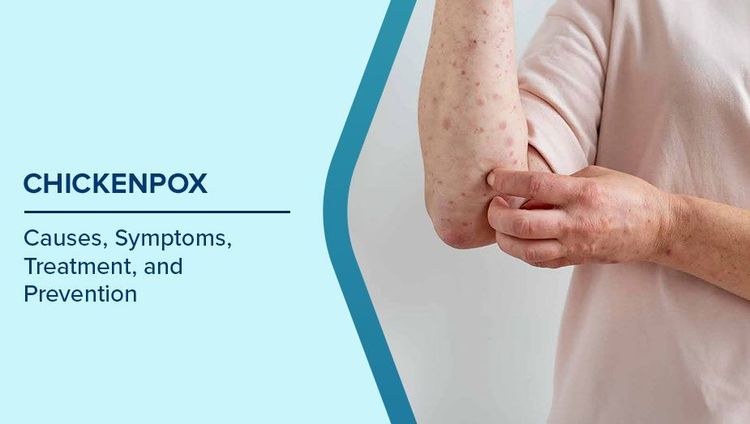
- Rash: One of the hallmark signs of chickenpox is a red, itchy rash that usually starts on the face, chest, or back and then spreads to other parts of the body. The rash progresses from small, red bumps to fluid-filled blisters over the course of several days. Eventually, these blisters will crust over and form scabs.
- Fever: Many individuals with chickenpox experience a mild to moderate fever, which typically ranges from 100.4°F to 102.2°F (38°C to 39°C). The fever may precede the appearance of the rash or occur simultaneously.
- Fatigue: Feelings of tiredness and fatigue are common symptoms of chickenpox, especially during the initial stages of the illness. This fatigue may persist throughout the duration of the infection.
- Headache: Some individuals may experience headaches or a general feeling of malaise along with other symptoms of chickenpox.
- Loss of Appetite: Chickenpox can cause a temporary loss of appetite, which may result in decreased food intake during the illness.
- Sore Throat: In some cases, chickenpox may be accompanied by a sore throat or other mild respiratory symptoms.
- Muscle or Joint Pain: Some individuals may experience mild muscle or joint pain during the course of the illness.
- Lesions in the Mouth: In addition to the rash on the skin, chickenpox can also cause small, red spots or ulcers in the mouth, throat, and on the mucous membranes.
It's important to note that the severity of chickenpox symptoms can vary widely from person to person. While most cases of chickenpox are mild and resolve on their own within one to two weeks, complications such as bacterial infections of the skin, pneumonia, or encephalitis (inflammation of the brain) can occur, particularly in certain high-risk groups such as infants, pregnant women, and individuals with weakened immune systems. If you or your child develop symptoms suggestive of chickenpox, it's essential to consult a healthcare provider for proper evaluation and management.
Chickenpox Treatment and Management
Treatment for chickenpox primarily focuses on relieving symptoms and preventing complications. While there is no cure for the varicella-zoster virus (VZV) that causes chickenpox, there are several measures that can help manage the symptoms and promote healing. Here's an overview of the common approaches to treating chickenpox:
- Antiviral Medications: In certain cases, antiviral medications such as acyclovir, valacyclovir, or famciclovir may be prescribed to individuals at high risk of complications from chickenpox, such as pregnant women, newborns, and individuals with weakened immune systems. These medications can help reduce the severity and duration of the illness if started early in the course of the infection.
- Symptom Management: Over-the-counter medications such as acetaminophen (Tylenol) or ibuprofen (Advil, Motrin) can help reduce fever and alleviate discomfort associated with chickenpox, such as headache and muscle aches. However, aspirin should be avoided in children and teenagers with chickenpox due to the risk of Reye's syndrome, a rare but serious condition.
- Preventing Complications: It's important to monitor for signs of complications such as bacterial skin infections, pneumonia, or encephalitis, especially in high-risk individuals. Prompt medical attention should be sought if complications are suspected.
- Rest and Hydration: Getting plenty of rest and staying well-hydrated are important aspects of chickenpox treatment. Encourage adequate fluid intake, particularly if fever is present.
- Avoiding Scratching: Although it can be difficult, it's essential to avoid scratching the chickenpox blisters to prevent secondary bacterial infections and scarring. Keep fingernails short and consider covering the affected areas with clean, soft clothing or mittens to minimise scratching, especially in young children.
- Itch Relief: Calamine lotion or colloidal oatmeal baths can help soothe the itching associated with chickenpox rash. Applying cool compresses or taking cool baths may also provide relief from itching.
- Isolation and Quarantine: Individuals with chickenpox should avoid contact with others, particularly those who are at increased risk of severe complications, until all the blisters have crusted over, typically about 5-7 days after the rash first appears. This helps prevent the spread of the virus to others who may be susceptible to infection.
In addition to these treatment measures, vaccination remains the most effective way to prevent chickenpox and its complications. The varicella vaccine is routinely recommended for children and adults who have not been previously vaccinated or had chickenpox. Individuals with symptoms suggestive of chickenpox should consult a healthcare provider for proper evaluation and guidance on management.
Chickenpox Prevention
Preventing chickenpox primarily involves vaccination and implementing good hygiene practices to reduce the risk of exposure to the varicella-zoster virus (VZV). Here's an overview of the key strategies for preventing chickenpox:
- Vaccination: The most effective way to prevent chickenpox is through vaccination. The varicella vaccine is a safe and highly effective vaccine that provides immunity against the varicella-zoster virus. It is routinely recommended for children as part of the childhood immunisation schedule, typically administered in two doses: the first dose at 12-15 months of age and the second dose at 4-6 years of age. Adults who have not been vaccinated or previously had chickenpox can also receive the vaccine to protect against the disease.
- Vaccine Boosters: In some cases, vaccine boosters may be recommended for individuals at higher risk of exposure to the varicella-zoster virus, such as healthcare workers, teachers, childcare providers, and certain high-risk populations. A booster dose can help maintain immunity and reduce the risk of breakthrough infections.
- Avoiding Close Contact: Since chickenpox is highly contagious, it's important to avoid close contact with individuals who have active chickenpox or shingles (a reactivation of the varicella-zoster virus). This includes staying away from school, work, or other public settings if you or your child are experiencing symptoms of chickenpox or have been diagnosed with the illness.
- Good Hygiene Practices: Practising good hygiene can help reduce the spread of the varicella-zoster virus. Encourage frequent handwashing with soap and water, especially after coughing, sneezing, or using the bathroom. Avoid touching the face, particularly the eyes, nose, and mouth, to minimise the risk of transferring the virus from contaminated surfaces to mucous membranes.
- Covering Coughs and Sneezes: Encourage individuals with chickenpox or respiratory symptoms to cover their mouth and nose with a tissue or their elbow when coughing or sneezing to prevent the spread of respiratory droplets containing the virus.
- Isolation and Quarantine: Individuals with chickenpox should be isolated from others, particularly those who are at increased risk of severe complications, until all the blisters have crusted over, typically about 5-7 days after the rash first appears. This helps prevent the spread of the virus to others who may be susceptible to infection.
- Post-Exposure Prophylaxis: For individuals who have been exposed to chickenpox but are not immune to the virus, post-exposure prophylaxis with the varicella vaccine or varicella-zoster immune globulin (VZIG) may be recommended, particularly for those at high risk of complications.
By following the above preventive measures, individuals can significantly reduce the risk of contracting chickenpox and help protect themselves and others from the potentially serious complications associated with the disease.
Wrapping Up
The prevalence of chickenpox has significantly decreased due to the widespread adoption of the chickenpox vaccine. Since the introduction of the vaccine, there has been a notable decline in the number of reported cases, illustrating the effectiveness of vaccination in preventing the spread of this contagious illness. By immunising individuals against the varicella-zoster virus, the vaccine has played a crucial role in minimising outbreaks and reducing the overall burden of chickenpox on public health. However, despite this progress, it's important to remain vigilant and ensure continued vaccination efforts to maintain herd immunity and prevent potential outbreaks in the future. Through ongoing vaccination initiatives and public health awareness, we can continue to build upon the success of the chickenpox vaccine and further decrease the incidence of this once-common childhood illness.
FAQs on Chickenpox
Can chickenpox occur more than once?
Chickenpox usually gives lifelong immunity after a single infection, and most people will not get it again. However, in rare cases, someone may experience a second episode. This is more likely if the first infection was very mild and did not produce a strong immune response. People with weakened immunity may also be at greater risk of re-infection.
A more common occurrence is the reactivation of the same virus, which causes shingles (herpes zoster), not a second chickenpox infection. This typically happens in elderly or those with compromised immune systems.
What is the difference between chickenpox and shingles?
Chickenpox and shingles are both caused by the varicella-zoster virus. Chickenpox is the initial infection, usually in childhood, and leads to an itchy, widespread rash with blisters. After recovery, the virus does not leave the body; instead, it becomes inactive and hides in the nerve tissues. Years later, especially if immunity weakens, the virus can reactivate in the form of shingles. Shingles typically causes a painful, localised rash, often on one side of the body. Though related, shingles is not the same as a second case of chickenpox.
How to prevent chickenpox from spreading at home?
To stop the virus from spreading within a household, it’s important to follow simple precautions. Isolate the infected person in a separate room and avoid sharing towels, bedding, or utensils. Encourage everyone in the home to wash their hands frequently and avoid touching their face. High-touch surfaces should be cleaned regularly. Household members who are not immune should speak with a doctor about vaccination. Until the infected person’s blisters crust over, visitors should be avoided to protect those who may be at higher risk.
Is it safe for pregnant women to be around someone with chickenpox?
Pregnant women who have never had chickenpox or the vaccine should avoid contact with infected individuals. Getting chickenpox during pregnancy can lead to serious complications such as congenital varicella syndrome, especially in the first half of pregnancy. It can also cause severe illness in the mother. If a pregnant woman is exposed to someone with chickenpox, a doctor may recommend varicella-zoster immune globulin (VZIG) to reduce the risk of complications.
Can chickenpox lead to chronic health problems?
Most cases resolve without long-term effects, but complications can occur in some people. These may include scarring from infected blisters, skin infections, or more serious problems like pneumonia or inflammation of the brain. In rare cases, neurological symptoms or coordination issues can develop. After recovery, the virus remains in the body and may cause shingles later in life, especially in older adults.
Can adults get chickenpox if they didn’t have it as children?
Yes, adults who were never infected or vaccinated can get chickenpox. In fact, adult cases are usually more severe than childhood cases. Adults are more likely to experience complications such as lung infections, skin infections, or inflammation of the brain. Adults who are unsure about their immunity can get a blood test to check for antibodies. If they are not immune, vaccination is recommended.
How is chickenpox diagnosed in unclear cases?
Chickenpox is usually diagnosed by its appearance, especially the rash that goes through different stages—bumps, blisters, and crusts. If the rash is not typical or appears in someone with an unclear history, a doctor may order a PCR test or blood test. These can confirm the presence of the varicella-zoster virus and help rule out other conditions that cause similar rashes.
Is the chickenpox vaccine effective after exposure?
Yes, the vaccine can still be helpful after exposure. If given within 3 days of being exposed, it may prevent the illness altogether. If given within 5 days, it can still reduce the severity. Even if that window passes, vaccination is recommended later to protect against future exposure. This is especially important for people in high-risk jobs or environments, such as healthcare workers or teachers.
What is congenital varicella syndrome?
This is a rare condition that occurs when a pregnant woman gets chickenpox during the early part of her pregnancy. It can affect the baby’s development and may lead to problems such as limb deformities, eye defects, and developmental delays. The risk is highest if the infection occurs during the first 20 weeks of pregnancy. Women planning pregnancy should consider checking their immunity and getting vaccinated if needed before conceiving.
Can someone spread chickenpox before showing symptoms?
Yes, people can spread the virus before the rash appears. In fact, chickenpox becomes contagious about 1 to 2 days before any skin changes are visible. It remains contagious until all blisters have formed crusts, which usually takes a week. Because of this early contagious period, people may unknowingly pass on the virus to others in schools, workplaces, or households.
Are there seasonal patterns in chickenpox outbreaks?
Chickenpox can occur at any time of the year but tends to be more common in late winter and early spring. Outbreaks are more likely in communities with lower vaccination rates, particularly in school settings. The seasonal trend is not as strong as with other viral illnesses, but awareness of peak times can help in identifying symptoms early and taking steps to prevent spread.
Can a breastfeeding mother with chickenpox pass the virus to her baby?
If a mother develops chickenpox around the time of delivery or shortly after, the newborn may be at risk. The virus is not passed through breast milk, but close contact during breastfeeding can lead to transmission through respiratory droplets or skin lesions. Breastfeeding is still encouraged if the mother is well enough, as breast milk contains antibodies that may help protect the baby. In high-risk situations, the baby may need immune globulin or antiviral medicine based on the doctor’s advice.
What should I do if my child is exposed to chickenpox but has no symptoms yet?
If your child has been exposed to chickenpox and hasn’t had the infection or vaccine before, speak to a doctor within a few days. The varicella vaccine, if given within 3 to 5 days of exposure, may help prevent or reduce the severity of illness. Watch for symptoms over the next 2 to 3 weeks, such as fever or rash, and keep the child home if any appear. Children with weak immunity may need extra precautions, so early medical advice is important.
Written and Verified by:

Related Blogs


Dr. Vandana Boobna In Internal Medicine
Nov 08 , 2020 | 2 min read
Blogs by Doctor
Most read Blogs


Related Blogs
Dr. Vandana Boobna In Internal Medicine
Nov 08 , 2020 | 2 min read
Blogs by Doctor
Most read Blogs