 WhatsApp Us (24/7)
 +91 926 888 0303 (24/7)


To Book an Appointment
Call Us+91 926 888 0303Chest Pain: When It Is Heart Problem & When It Is Not
By Dr Nitish Rai in Cardiac Sciences
Jan 28 , 2026

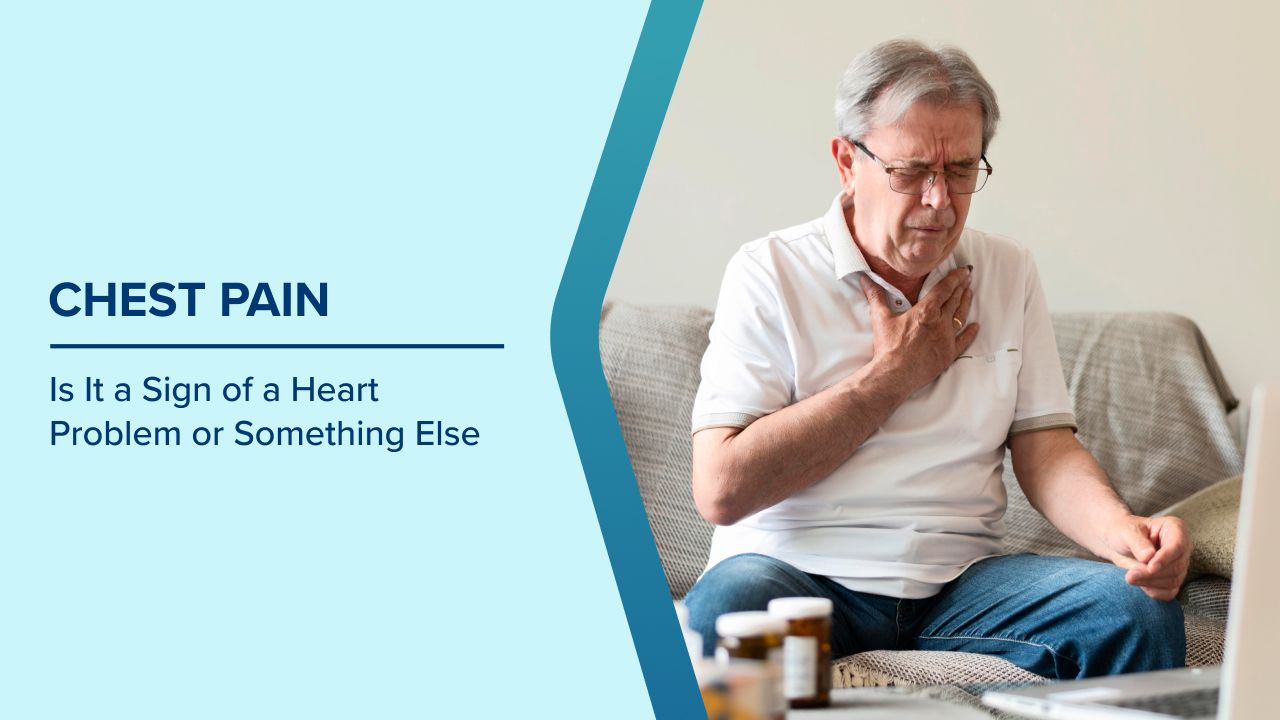
Chest pain is one of the most alarming symptoms a person can experience. Even mild discomfort in the chest can trigger anxiety and fear, often leading people to assume the worst. While chest pain can be linked to heart problems, it is not always cardiac in origin. Many non-heart conditions can cause similar sensations, making it important to understand how chest pain behaves, what it may indicate, and when it needs urgent attention.
Why Chest Pain Feels So Concerning
The chest houses vital organs, including the heart, lungs, and major blood vessels. Pain signals from this region are often intense or unfamiliar, which is why the brain interprets them as a serious threat.
Chest pain can feel:
- Sharp or dull
- Tight or burning
- Localised or spreading
- Constant or intermittent
Because different organs share nearby nerve pathways, pain from one area can feel like it is coming from another. This overlap is what makes chest pain difficult to interpret without proper evaluation.
Heart-Related Chest Pain and How It Usually Behaves
Pain related to the heart often has certain patterns, although not everyone experiences it the same way.
Common features may include:
- A feeling of pressure or heaviness in the centre or left side of the chest
- Pain that spreads to the left arm, neck, jaw, or upper back
- Discomfort triggered by physical exertion or emotional stress
- Relief with rest in some cases
- Associated symptoms such as sweating, breathlessness, or nausea
Heart-related pain may build gradually rather than appear suddenly. It often feels deep and persistent rather than sharp.
Chest Pain That Is Not Related to the Heart
Many episodes of chest pain originate outside the heart. These causes are common and often less dangerous, but they can feel just as intense.
Digestive System Causes
The oesophagus and stomach sit close to the heart, which is why digestive discomfort can mimic cardiac pain.
Possible digestive triggers include:
- Acid irritation causing burning pain behind the breastbone
- Spasms in the food pipe leading to tightness
- Bloating that creates pressure in the chest
This type of pain may worsen after meals, when lying down, or after consuming spicy or fatty foods.
Muscle and Joint-Related Chest Pain
Muscles, ribs, and joints of the chest wall are frequent but overlooked sources of pain.
Typical features include:
- Pain that increases with movement or deep breathing
- Tenderness when pressing the affected area
- Discomfort after physical strain, coughing, or poor posture
This pain is usually sharp and localised rather than heavy or spreading.
Lung-Related Causes
Problems involving the lungs or the surrounding lining can also cause chest pain.
This pain may:
- Worsen during deep breaths
- Be accompanied by a cough or shortness of breath
- Feel sharp rather than pressing
While not all lung-related chest pain is serious, it should not be ignored, especially if breathing becomes difficult.
Anxiety and Stress-Related Chest Pain
Mental stress can produce real physical symptoms. Anxiety-related chest pain is more common than many people realise.
It may present as:
- Sudden tightness or stabbing pain
- Rapid heartbeat
- Tingling sensations
- Shortness of breath without exertion
Stress-related pain often improves with relaxation but can recur during periods of emotional strain.
Why Chest Pain Feels Different in Different People
Chest pain does not follow a single pattern. Age, gender, existing health conditions, and pain tolerance all influence how it feels.
Some people experience:
- Mild discomfort rather than severe pain
- Unusual sensations like fullness or pressure
- Pain without any chest tightness at all
This variability is why chest pain should never be self-diagnosed based only on intensity.
When Chest Pain Should Never Be Ignored
Certain warning signs require immediate medical attention, regardless of age or fitness level.
Seek urgent medical care if chest pain:
- Appears suddenly and feels severe
- Spreads to the arm, jaw, or back
- Occurs with fainting or dizziness
- Is accompanied by breathlessness or sweating
- Persists despite rest
Early evaluation can prevent serious complications and provide reassurance when the cause is not cardiac.
Why Delaying Evaluation Can Be Risky
Many people delay seeking help because they fear embarrassment or assume the pain will pass.
Delaying care can:
- Allow heart conditions to worsen
- Increase recovery time
- Lead to unnecessary complications
- Increase anxiety due to uncertainty
Prompt assessment does not always mean hospital admission, but it provides clarity and safety.
Conclusion
Chest pain is a symptom, not a diagnosis. While heart problems are an important cause, many episodes arise from muscle issues, digestion, the lungs, or stress.
Listening to your body, avoiding assumptions, and seeking timely evaluation when symptoms feel unusual or persistent is the safest approach.
Frequently Asked Questions
Can chest pain occur without any underlying disease?
Yes, temporary chest pain can occur due to muscle strain, posture issues, or emotional stress, even in healthy individuals.
Is chest pain always sudden during a heart problem?
Not always. Some people experience gradual discomfort or vague pressure rather than sharp pain.
Can dehydration cause chest discomfort?
Severe dehydration may contribute to muscle cramps or palpitations that feel like chest discomfort.
Does chest pain always worsen with physical activity if it is heart-related?
Not necessarily. Some cardiac conditions may cause pain even at rest.
Can chest pain be felt more on the right side?
Yes, right-sided chest pain is often non-cardiac but still requires evaluation if persistent or severe.
Written and Verified by:

Related Blogs

Dr. Ritwick Raj Bhuyan In Cardiac Sciences , Cardiac Surgery (CTVS)
Nov 08 , 2020 | 2 min read

Dr. Gaurav Minocha In Cardiac Sciences
Nov 08 , 2020 | 4 min read
Blogs by Doctor

Most read Blogs


Related Blogs
Dr. Ritwick Raj Bhuyan In Cardiac Sciences , Cardiac Surgery (CTVS)
Nov 08 , 2020 | 2 min read
Dr. Gaurav Minocha In Cardiac Sciences
Nov 08 , 2020 | 4 min read
Blogs by Doctor
Most read Blogs