 WhatsApp Us (24/7)
 +91 926 888 0303 (24/7)


To Book an Appointment
Call Us+91 926 888 0303Anaemia in Adults: Common Causes, Symptoms & Prevention
By Dr Ankit Kumar in Bone Marrow Transplant , Hematology Oncology
Dec 29 , 2025 | 4 min read

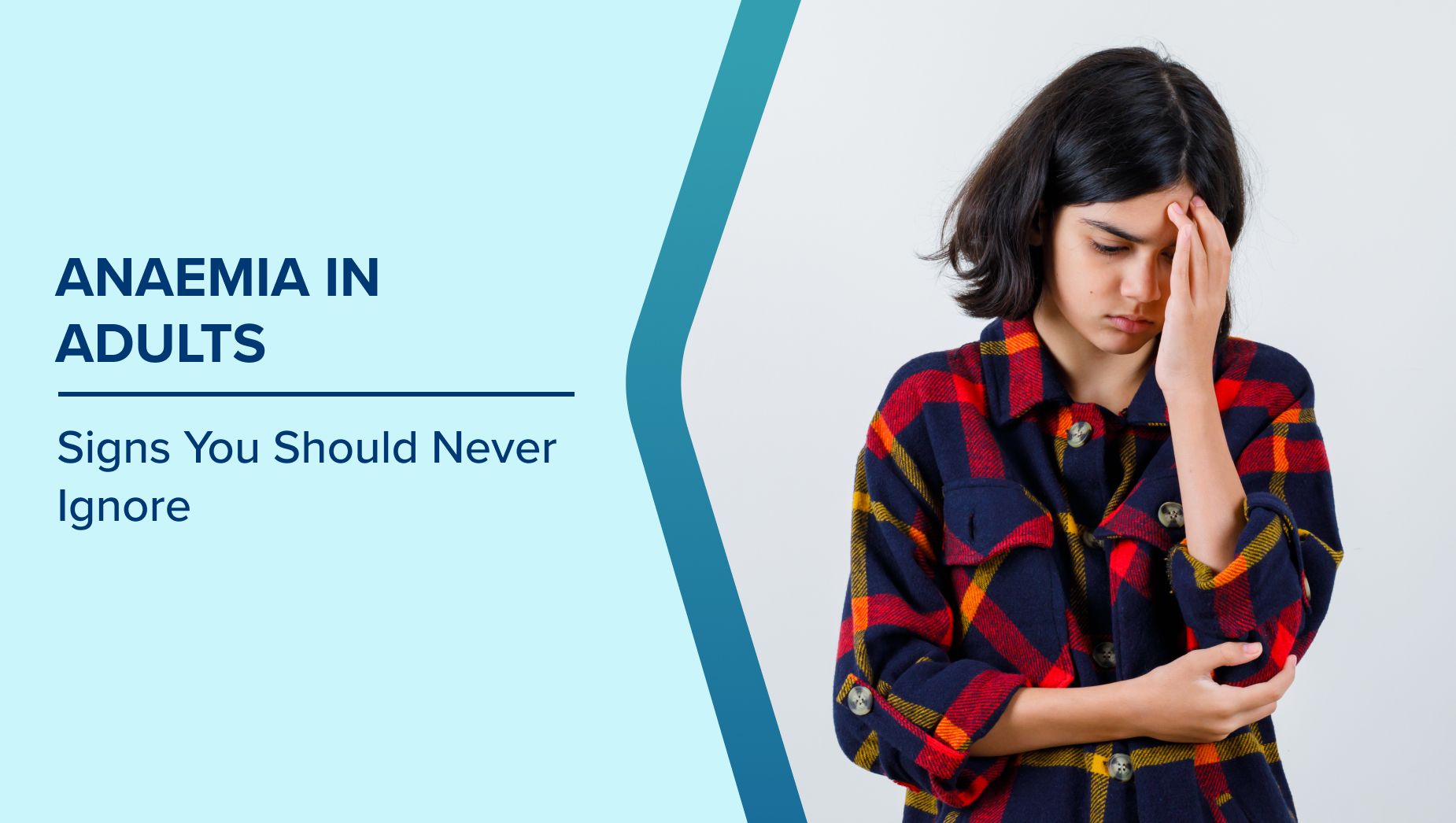
Anaemia in adults is not simply about feeling tired or low on energy. It develops when the body lacks sufficient healthy red blood cells or haemoglobin to transport oxygen effectively to tissues. This can result in persistent fatigue, weakness, and other health complications if left untreated. Identifying anaemia early is important, as it may indicate underlying medical conditions that need attention.
Understanding Anaemia in Adults
Anaemia is not a single disease but a condition with multiple possible causes. In adults, it can develop gradually, making it easy to overlook the early signs. While occasional tiredness or paleness may seem normal, persistent symptoms should not be ignored.
Key factors that contribute to anaemia include nutritional deficiencies, chronic illnesses, blood loss, and certain genetic conditions. By understanding these causes, you can take preventive measures and manage your health more effectively.
Common Causes of Anaemia in Adults
Iron Deficiency
Iron is essential for producing hemoglobin. Insufficient iron intake, poor absorption, or chronic blood loss can lead to iron-deficiency anaemia. Common causes include heavy menstrual periods, gastrointestinal bleeding, or a diet low in iron-rich foods.
Vitamin B12 Deficiency
Vitamin B12 is essential for red blood cell production. Low levels can result from dietary deficiencies, digestive disorders, or medications that interfere with absorption. Symptoms may develop slowly, often leading to numbness, tingling, and fatigue.
Folate Deficiency
Folate, or vitamin B9, helps your body produce healthy red blood cells. A lack of folate in the diet, certain medications, or chronic alcohol consumption can lead to folate-deficiency anaemia.
Chronic Diseases
Chronic illnesses such as kidney disease, autoimmune disorders, or chronic infections can affect red blood cell production. Anaemia associated with these conditions is often mild but persistent and requires proper management.
Blood Loss
Acute or chronic blood loss, whether from surgery, injury, gastrointestinal bleeding, or heavy periods, can deplete the body's red blood cell supply and lead to anaemia.
Genetic Conditions
Some inherited conditions, like sickle cell anaemia or thalassemia, affect the production or structure of red blood cells, leading to lifelong challenges with anaemia.
Recognising the Symptoms
Anaemia in adults may be subtle at first but tends to worsen over time if untreated. Key symptoms include:
- Persistent fatigue and weakness, even after rest
- Pale or yellowish skin
- Shortness of breath during simple activities
- Dizziness, lightheadedness, or fainting
- Rapid or irregular heartbeat
- Cold hands and feet
- Brittle nails or hair thinning
- Headaches or difficulty concentrating
It is important to pay attention to these signs, especially if they interfere with daily activities or gradually worsen over weeks or months.
Potential Complications of Untreated Anaemia
If anaemia remains untreated, it can cause serious health issues, including:
- Heart problems such as an enlarged heart or heart failure
- Increased risk of infections due to weakened immunity
- Severe fatigue and reduced work or physical performance
- Complications during pregnancy for women
- Nerve damage or cognitive difficulties in cases of vitamin B12 deficiency
Timely detection and proper management can prevent these complications and improve overall quality of life.
Preventive Measures and Lifestyle Tips
Maintaining healthy blood levels involves a combination of dietary changes, lifestyle adjustments, and medical guidance.
Balanced Diet
- Include iron-rich foods like lean meat, lentils, spinach, and fortified cereals.
- Incorporate vitamin C sources like oranges, bell peppers, and tomatoes to enhance iron absorption.
- Ensure adequate intake of vitamin B12 from eggs, dairy, and fortified plant-based foods.
- Include folate-rich foods such as leafy greens, beans, and avocados.
Hydration
Staying well-hydrated supports healthy circulation and overall body function.
Exercise
Regular moderate exercise can improve circulation and energy levels. However, avoid overexertion if anaemia is present, as it can worsen fatigue.
Avoid Habits That Interfere with Absorption
Limit excessive alcohol consumption and avoid medications that may affect nutrient absorption unless prescribed.
Routine Check-Ups
Regular health screenings, including blood tests, can detect anemia early, even before noticeable symptoms appear.
Practical Do’s and Don’ts for Adults with Anaemia
Do’s
- Take iron or vitamin supplements only as advised by a healthcare professional.
- Eat small, frequent meals rich in iron, B12, and folate.
- Rest adequately and manage stress to prevent worsening fatigue.
- Monitor your symptoms and seek help promptly if they worsen.
Don’ts
- Don’t self-prescribe supplements in high doses, which can cause harm.
- Don’t ignore persistent tiredness or paleness, even if mild.
- Avoid skipping routine blood tests or follow-up appointments.
- Don’t rely solely on diet or home remedies for severe or chronic anaemia.
When to Seek Medical Help
Consult a healthcare professional if you notice:
- Severe or persistent fatigue that affects daily life
- Unexplained paleness or jaundice
- Rapid heartbeat, shortness of breath, or dizziness
- Signs of bleeding in stool, urine, or unusual bruising
- Numbness, tingling, or neurological symptoms
Early evaluation allows for timely diagnosis, targeted treatment, and prevention of complications.
Conclusion
Anaemia in adults is more than just low energy; it can signal underlying health concerns that require attention. Recognising symptoms early, maintaining a nutrient-rich diet, practising healthy lifestyle habits, and seeking timely medical guidance are key to managing anaemia effectively. By taking these steps, adults can protect their overall health, improve energy levels, and prevent complications associated with untreated anaemia.
FAQs
1. Can anaemia cause hair loss?
Yes, chronic anaemia may lead to hair thinning and brittle hair due to reduced oxygen supply to hair follicles.
2. Are there lifestyle habits that worsen anaemia?
Smoking, excessive alcohol consumption, and poor sleep can worsen anaemia symptoms and hinder recovery.
3. Can anaemia affect mental health?
Persistent fatigue and low oxygen levels can lead to mood swings, irritability, and difficulty concentrating.
4. Is anaemia reversible with diet alone?
Mild cases may improve with a proper diet, but moderate or severe anaemia often requires supplements or medical treatment.
5. Can adults with chronic anaemia exercise safely?
Yes, but they should focus on low to moderate intensity workouts and avoid overexertion to prevent fatigue and heart strain.
Written and Verified by:

Related Blogs


Blogs by Doctor
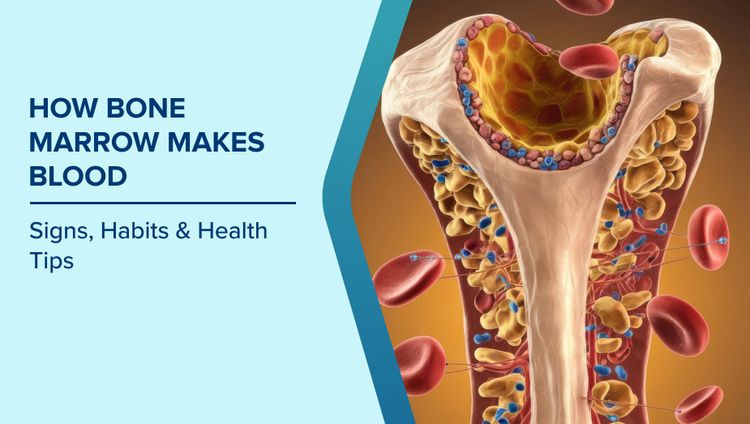
How Bone Marrow Makes Blood: Signs, Habits & Health Tips
Dr Ankit Kumar In Bone Marrow Transplant , Hematology Oncology
Dec 31 , 2025 | 7 min read
Most read Blogs


Related Blogs
Blogs by Doctor
How Bone Marrow Makes Blood: Signs, Habits & Health Tips
Dr Ankit Kumar In Bone Marrow Transplant , Hematology Oncology
Dec 31 , 2025 | 7 min read
Most read Blogs