 WhatsApp Us (24/7)
 +91 926 888 0303 (24/7)


To Book an Appointment
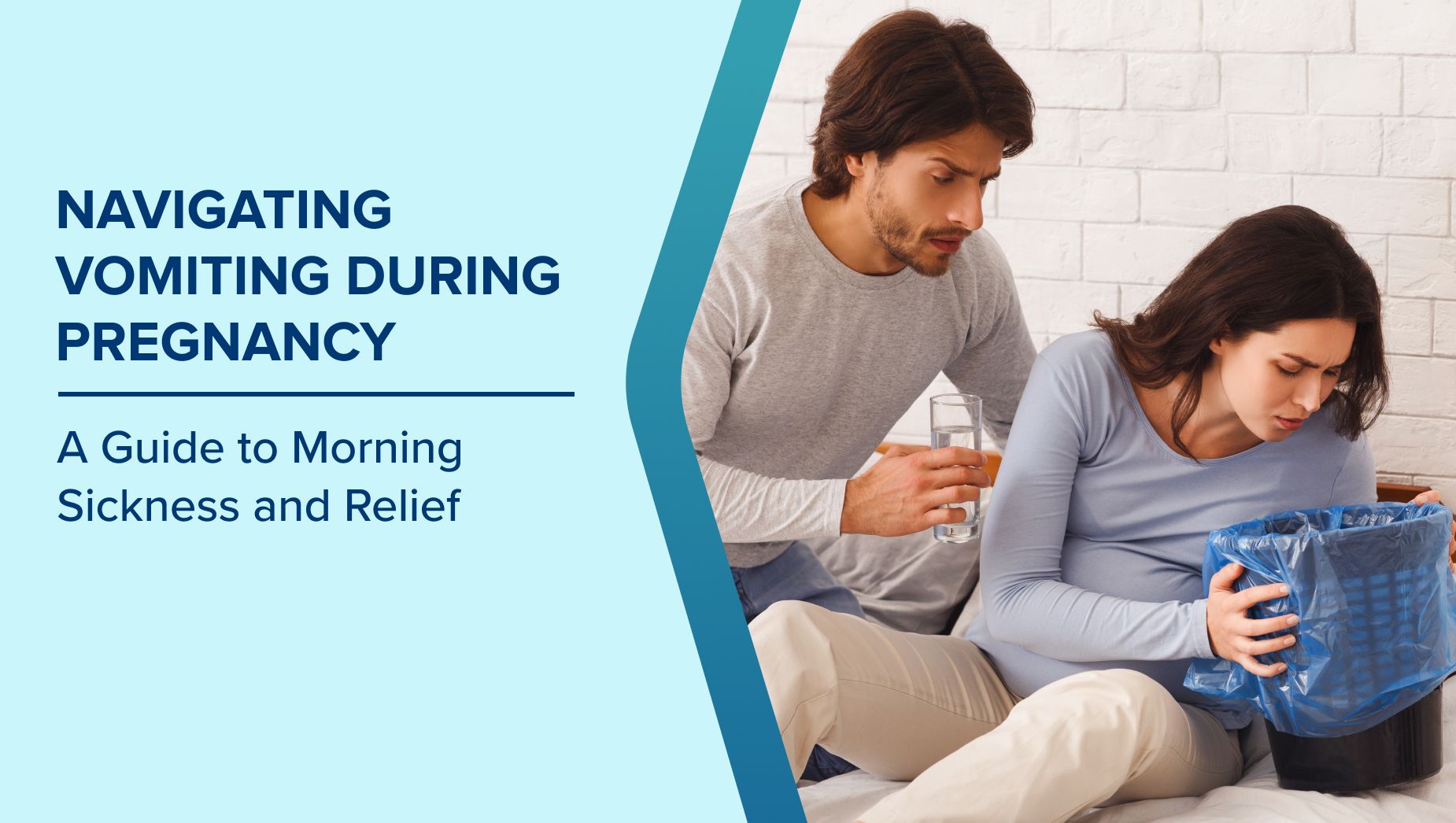
Call Us+91 926 888 0303Navigating Vomiting During Pregnancy: A Guide to Morning Sickness and Relief
By Dr. Neera Aggarwal in Obstetrics And Gynaecology
Dec 03 , 2025 | 5 min read

When you picture pregnancy, you might imagine a glowing expectant parent, but the reality for many is a constant battle with nausea and vomiting. Often called "morning sickness," this symptom can be a challenging part of early pregnancy, leaving you feeling exhausted and unwell. It's a topic that many people don't talk about openly, but it's one of the most common experiences during the first trimester.
What Causes Nausea and Vomiting During Pregnancy?
Vomiting during pregnancy is primarily caused by the rapid and dramatic rise in pregnancy hormones, particularly human chorionic gonadotropin (hCG) and estrogen. These hormonal shifts are a normal and healthy part of your body's adaptation to growing a new life.
The Role of Hormones and Other Factors
The surge of hCG hormone, which is what at-home pregnancy tests detect, is a major culprit. Its levels rise very quickly in the first few weeks, and this can directly affect the part of your brain that controls vomiting. Additionally, an increase in estrogen and a heightened sense of smell can make you more sensitive to certain odours, triggering nausea.
This is a sign of your body’s intensive work to establish the placenta and support the developing embryo. While it feels miserable, medical experts often suggest that a certain level of nausea and vomiting is a positive sign of a healthy, progressing pregnancy.
Differentiating Morning Sickness and Hyperemesis Gravidarum
While most vomiting during pregnancy is considered "normal" morning sickness, it's important to know the difference between typical symptoms and a more severe condition.
Morning Sickness (Nausea Gravidarum)
Morning sickness is nausea and vomiting that typically occurs in the first trimester. Despite its name, it can happen at any time of day or night. It is a common part of prenatal health, affecting pregnant people.
- Typical symptoms: Feeling sick to your stomach, occasional vomiting, and an aversion to certain smells or foods.
- Duration: Usually starts around week 6 and subsides by the end of the first trimester (week 13), though it can linger longer for some.
- Management: Can typically be managed with dietary changes and lifestyle adjustments. You can maintain a healthy pregnancy despite the discomfort.
Hyperemesis Gravidarum (HG)
Hyperemesis gravidarum is a severe form of morning sickness that causes persistent, uncontrollable vomiting, often leading to dehydration, weight loss, and an electrolyte imbalance. It is a rare pregnancy complication, affecting only a small percentage of pregnant individuals.
- Symptoms of HG:
- Severe, persistent vomiting: You might vomit multiple times a day, making it difficult to keep down any food or liquids.
- Significant weight loss: Losing more than 5% of your pre-pregnancy weight.
- Dehydration: Signs include dark urine, dizziness, and feeling lightheaded.
- Ketosis: A metabolic state that occurs when the body burns fat for energy, which can be harmful.
If you suspect you have HG, it is critical to contact your healthcare provider immediately. This condition often requires medical intervention, such as IV fluids or anti-nausea medication. It’s an important part of trimester care to seek help when symptoms are severe.
Practical Tips for Managing Nausea and Vomiting
While it may not be possible to prevent morning sickness entirely, certain measures can help reduce its intensity and make you feel better. These simple pregnancy tips can make a big difference in your daily life.
- Eat Small, Frequent Meals: An empty stomach can worsen nausea. Try to eat small snacks every two hours to keep something in your stomach. Crackers, toast, or a handful of almonds are great choices.
- Stay Hydrated: Dehydration can make nausea worse. Sip on water, clear broths, or decaffeinated tea throughout the day. Ice chips or frozen fruit can also be a refreshing way to stay hydrated.
- Choose Bland Foods: The BRAT diet (bananas, rice, applesauce, toast) is often recommended. Other bland foods like plain pasta or boiled potatoes can also be easy on the stomach.
- Listen to Your Body: If certain foods or smells trigger your nausea, avoid them.
- Ginger and Vitamin B6:
- Ginger: Ginger is a well-known remedy for nausea. Try ginger ale made with real ginger, ginger tea, or ginger chews.
- Vitamin B6: It’s commonly recommended that a Vitamin B6 supplement (pyridoxine) can help reduce nausea. Consult your doctor for the correct dosage.
- Acupressure: Some people find relief from nausea by wearing acupressure bands on their wrists, which are often used for motion sickness.
The Importance of a Healthy Pregnancy Diet
While managing nausea, it can be tempting to only eat whatever you can stomach, but a balanced pregnancy diet is still essential for you and your baby's health.
- Prioritize Nutrients: Even if your appetite is limited, try to focus on nutrient-dense foods when you can eat. Think of foods rich in protein, iron, and folic acid.
- Don't Stress: If you have a few days where you can only eat crackers and fruit, don’t stress. The baby is taking what it needs from your body's reserves. Once the nausea passes, you can get back to a more balanced diet.
- Prenatal Vitamins: Continue to take your prenatal vitamins, even if they make you queasy. Try taking them with a meal or at a different time of day to see if that helps.
When to Seek Medical Help
While vomiting is a common part of a healthy pregnancy, there are times when it’s important to talk to your healthcare provider.
- You can't keep anything down: If you are unable to keep down any food or liquids for more than 24 hours.
- Weight loss: If you have lost more than a few pounds.
- Signs of dehydration: Dizziness, a racing heart, or not urinating.
- Severe nausea: If the nausea and vomiting are so severe that they interfere with your daily life or work.
Conclusion
Vomiting and nausea during pregnancy can be a challenging and exhausting symptom, but it is a temporary one. Remember that this discomfort is a sign that your body is working hard to create a safe and nurturing home for your baby.
Frequently Asked Questions
Does morning sickness mean I'm having a girl or a boy?
No, there is no scientific evidence to support the old wives' tale that severe morning sickness predicts the baby's sex.
Can severe vomiting harm my baby?
Normal morning sickness does not harm your baby. In cases of severe vomiting (hyperemesis gravidarum), the primary concern is for the mother's health (dehydration and weight loss), which can indirectly affect the baby. Seeking prompt medical care is key.
Does vomiting during pregnancy mean I can't have a healthy pregnancy?
No, vomiting during pregnancy is very common and does not indicate a problem with the pregnancy itself. In fact, for many, it's a reassuring sign that their hormone levels are rising.
Are there any medications for morning sickness?
Yes, there are safe and effective prescription medications for morning sickness. If your symptoms are intense, your doctor can discuss options with you.
What is the difference between nausea and vomiting?
Nausea is the feeling of being sick to your stomach, while vomiting is the act of actually throwing up. You can experience one without the other.
Written and Verified by:

Related Blogs

Dr. Manju Khemani In Obstetrics And Gynaecology
Oct 27 , 2020 | 3 min read

Dr. Neera Aggarwal In Obstetrics And Gynaecology , Nutrition And Dietetics
Nov 07 , 2020 | 7 min read
Blogs by Doctor
Dr. Neera Aggarwal In Obstetrics And Gynaecology , Nutrition And Dietetics
Nov 07 , 2020 | 7 min read
Post-Pregnancy Depression: Symptoms, Causes, and Recovery
Dr. Neera Aggarwal In Obstetrics And Gynaecology
Oct 22 , 2025 | 3 min read
Most read Blogs

Related Blogs
Dr. Manju Khemani In Obstetrics And Gynaecology
Oct 27 , 2020 | 3 min read
Dr. Neera Aggarwal In Obstetrics And Gynaecology , Nutrition And Dietetics
Nov 07 , 2020 | 7 min read
Blogs by Doctor
Dr. Neera Aggarwal In Obstetrics And Gynaecology , Nutrition And Dietetics
Nov 07 , 2020 | 7 min read
Post-Pregnancy Depression: Symptoms, Causes, and Recovery
Dr. Neera Aggarwal In Obstetrics And Gynaecology
Oct 22 , 2025 | 3 min read
Most read Blogs