 WhatsApp Us (24/7)
 +91 926 888 0303 (24/7)


To Book an Appointment
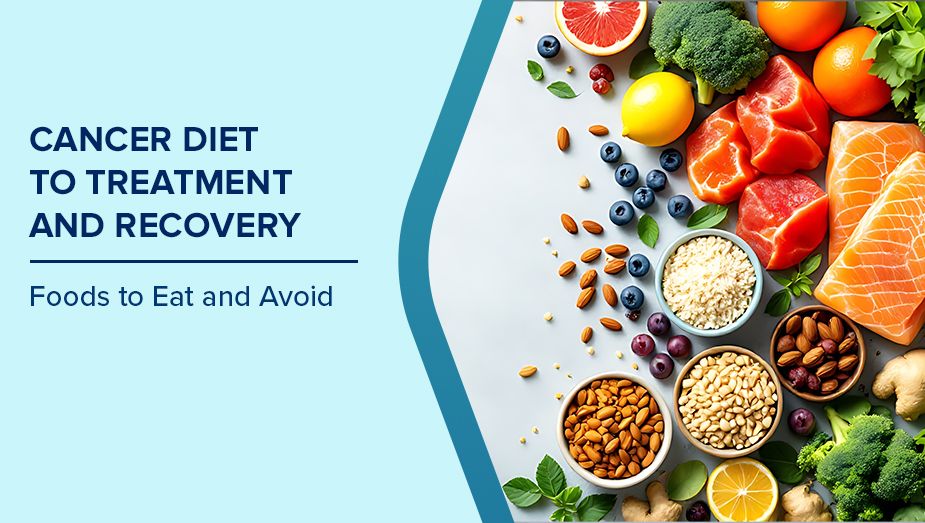
Call Us+91 926 888 0303Cancer Diet to Support Treatment and Recovery: Foods to Eat and Avoid
By RD Geeta Buryok in Dietetics
Jan 05 , 2026 | 10 min read
1

When undergoing cancer treatment, even something as basic as eating can feel like a challenge. Some days, food may seem unappealing, and on other days, certain foods might cause discomfort. Side effects of cancer treatment, such as nausea, loss of appetite, and digestive issues, often make it harder to get the right nutrition. Despite all this, it is important to understand that the body needs strength to cope with treatment, fight infection, and heal. A good diet is also important to maintain energy levels, support the immune system, and can even ease some of the side effects. Choosing the right foods can make having food easier and also support recovery, while certain foods may do more harm than good.
This blog explores some of the best foods for strength and healing, the ones that may interfere with recovery, and simple ways to manage common eating difficulties during treatment. But first, let us understand the significance of proper diet and nutrition during and after cancer treatment.
Why is Proper Nutrition Important During Cancer Treatment?
Proper nutrition plays a crucial role during cancer treatment, as it helps the body stay strong, recover, and cope with the effects of treatment. Cancer treatments, such as chemotherapy, radiation, and surgery, can weaken the immune system, reduce appetite, and lead to side effects like nausea, fatigue, and weight loss. A well-balanced diet can help counteract these effects, ensuring the body has the energy and nutrients needed for recovery.
Eating the right foods can support the immune system, helping the body fight infections and recover more quickly. Nutrient-rich foods also aid in repairing tissues damaged by treatment, maintaining muscle mass, and preventing malnutrition. Additionally, maintaining a healthy weight and hydration levels can reduce the risk of complications during treatment.
By focusing on the right foods, cancer patients can improve their overall well-being, ease treatment side effects, and increase their chances of a better outcome.
What Foods are Beneficial for Cancer Patients?
Here are some foods that can be especially beneficial for cancer patients during treatment and recovery:
Protein-Rich Foods
Protein is essential for building and repairing tissues, maintaining muscle mass, and supporting the immune system. During cancer treatment, the body may need extra protein to counteract the loss of muscle and tissue.
- Lean Meats (e.g., chicken, turkey): These provide high-quality protein and are easily digestible.
- Fish (e.g., salmon, tuna): Rich in omega-3 fatty acids, which help reduce inflammation and support the immune system.
- Eggs: A complete protein source, eggs provide essential amino acids necessary for tissue repair and overall body function.
- Legumes (e.g., beans, lentils): These plant-based proteins are high in fibre, which helps with digestion and maintaining healthy bowel function.
- Dairy (e.g., milk, yogurt): These are excellent sources of protein, calcium, and other vitamins, promoting bone health and muscle recovery.
Fruits and Vegetables
Fruits and vegetables are packed with vitamins, minerals, antioxidants, and fibre, all of which help boost the immune system, fight oxidative stress, and reduce inflammation.
- Leafy Greens (e.g., spinach, kale): These are rich in folate, a B-vitamin that supports red blood cell production and helps prevent anaemia.
- Cruciferous Vegetables (e.g., broccoli, cauliflower, Brussels sprouts): These contain compounds that may have cancer-fighting properties, helping detoxify the body and support immune health.
- Berries (e.g., blueberries, strawberries, raspberries): Rich in antioxidants like vitamin C, they help protect cells from damage and support immune function.
- Carrots and Sweet Potatoes: High in beta-carotene, these foods promote healthy skin, immune function, and help combat inflammation.
- Tomatoes: Packed with lycopene, a powerful antioxidant that may reduce the risk of certain cancers.
Whole Grains
Whole grains are an important source of fibre, which helps with digestion, maintains healthy blood sugar levels, and provides sustained energy.
- Brown Rice: A whole grain that provides fibre and essential minerals like magnesium, supporting heart health and digestion.
- Oats: Rich in soluble fibre, oats can help lower cholesterol, control blood sugar, and promote gut health.
- Quinoa: A complete protein and gluten-free grain, quinoa is a good choice for energy and overall nutrition.
- Whole Wheat Bread: Provides fibre, B-vitamins, and essential minerals that contribute to energy and overall health. Whole grains also help stabilise blood sugar levels, preventing energy dips during treatment.
Healthy Fats
Fats are essential for hormone regulation, brain health, and reducing inflammation. During cancer treatment, healthy fats help support the body’s cell membranes and provide energy.
- Olive Oil: Rich in monounsaturated fats, olive oil is known for its anti-inflammatory properties and helps maintain heart health.
- Avocados: A nutrient-dense food, avocados provide healthy fats, vitamins, and minerals that support the immune system and provide long-lasting energy.
- Nuts and Seeds (e.g., almonds, walnuts, chia seeds, flaxseeds): High in healthy fats, protein, and fibre, they offer a good source of energy and help maintain healthy brain function.
- Fatty Fish (e.g., salmon, mackerel, sardines): These are rich in omega-3 fatty acids, which can reduce inflammation, improve heart health, and support the immune system.
Hydration
Staying hydrated is essential for overall health, especially during cancer treatment. Dehydration can worsen symptoms like fatigue, constipation, and nausea, so it's important to drink plenty of fluids.
- Water: The most basic and important fluid for hydration, water helps with digestion, circulation, and detoxification.
- Herbal Teas (e.g., ginger, chamomile, peppermint): These can soothe the digestive system, reduce nausea, and provide a comforting drink.
- Broths: Nutritious and hydrating, broths are easy to digest and can help replenish electrolytes, especially if the patient is experiencing vomiting or diarrhoea.
- Coconut Water: A natural source of electrolytes, coconut water can help rehydrate the body and support recovery.
Other Beneficial Foods
- Turmeric: Contains curcumin, a compound with anti-inflammatory and potential cancer-fighting properties. It can be added to meals or smoothies.
- Ginger: Known for its ability to reduce nausea, ginger can be added to meals, teas, or smoothies for soothing relief.
- Garlic: It contains compounds that may boost the immune system and fight infection, making it a great addition to meals.
- Legumes and Beans: Excellent for digestion and providing protein, these are an essential part of a cancer-fighting diet.
What Foods Should Be Avoided?
Certain foods can interfere with cancer treatment, hinder recovery, or worsen side effects. Avoiding these can help reduce complications and improve overall well-being during treatment. Here are some foods that should be limited or avoided:
Processed Foods
Processed foods are often high in unhealthy fats, sugar, and salt, which can increase inflammation, suppress the immune system, and contribute to weight gain.
- Fast Food: Often high in unhealthy fats and calories, fast food can worsen treatment-related symptoms and increase the risk of further health problems.
- Frozen Ready Meals: These often contain excessive sodium, unhealthy fats, and preservatives that may hinder recovery.
Sugar and Sugary Foods
Excess sugar can cause blood sugar spikes and may promote inflammation, which can interfere with treatment effectiveness and healing.
- Sweets and Candies: These offer little nutritional value and can contribute to weight gain, which may be harmful during cancer treatment.
- Sugary Drinks: Sodas, sweetened teas, and fruit juices are high in sugar and can lead to weight gain, dehydration, and blood sugar imbalances.
Unhealthy Fats
Foods high in trans fats or saturated fats can increase inflammation, contribute to cardiovascular issues, and weaken the immune system.
- Fried Foods: These are high in unhealthy fats and can cause digestive discomfort.
- Margarine and Shortening: These contain trans fats, which are known to increase the risk of heart disease and worsen inflammation.
- Processed Meats (e.g., sausages, hot dogs, bacon): These are high in saturated fats, sodium, and preservatives that can increase the risk of further health complications.
Dairy Products
Some cancer treatments can make it harder to digest dairy, especially if a patient is experiencing nausea, diarrhoea, or lactose intolerance.
- Full-Fat Dairy: Full-fat milk, cheese, and ice cream may cause discomfort and digestive issues.
- Unpasteurised Dairy: It can increase the risk of foodborne illnesses, which is especially concerning during weakened immunity from cancer treatments.
Alcohol
Alcohol can interfere with chemotherapy and radiation by reducing the effectiveness of treatments, weakening the immune system, and increasing the risk of dehydration. Beer, wine, and spirits can contribute to dehydration and increase the risk of infections. They may also interact with medications, making them less effective.
Caffeinated Beverages
Caffeine can cause dehydration, digestive issues, and interfere with sleep patterns, all of which can affect recovery.
- Coffee and Energy Drinks: These can lead to dehydration and disrupt sleep, making it harder for the body to recover.
- Caffeinated Sodas: These are high in sugar and caffeine, which can lead to energy crashes and digestive discomfort.
Raw or Undercooked Foods
Raw or undercooked foods can increase the risk of foodborne illnesses, which is a serious concern for cancer patients with weakened immune systems.
- Raw Meat and Fish: These can contain harmful bacteria or parasites that may lead to infections.
- Raw Eggs: Risk of salmonella can increase, which can be dangerous during treatment.
- Unpasteurised Juices or Dairy: These products may contain bacteria or pathogens that can harm a weakened immune system.
Salty Foods
Excessive salt can lead to water retention, increased blood pressure, and kidney strain.
- Salty Snacks (e.g., chips, pretzels, salted nuts): These can increase sodium intake and worsen side effects like bloating and fatigue.
- Canned Foods: Often contain high levels of sodium, which can lead to dehydration and fluid retention.
Spicy Foods
Spicy foods can irritate the stomach, causing discomfort, acid reflux, or mouth sores, especially for patients undergoing chemotherapy or radiation. Hot peppers and spices can cause digestive upset, especially if the patient is experiencing nausea or acid reflux.
Artificial Sweeteners
Artificial sweeteners may cause digestive issues and are often found in foods and drinks that provide little nutritional value. Some examples of such foods include diet drinks and sugar-free candies. These may contain artificial sweeteners like aspartame and sucralose, which can irritate the digestive system and disrupt gut health.
How to Manage Eating Difficulties During Cancer Treatment?
Managing eating difficulties during cancer treatment can be challenging, but with the right approach, it’s possible to maintain good nutrition. Here are some practical tips to help:
- Eat Small, Frequent Meals: Have 5-6 small meals or snacks per day to ensure steady energy and nutrition without overwhelming the appetite.
- Focus on High-Calorie, High-Protein Foods: Choose protein-rich foods like eggs, lean meats, and dairy, and add healthy fats like avocado or olive oil to boost calories.
- Stay Hydrated: Drink plenty of fluids throughout the day, such as water, herbal teas, and broths, to prevent dehydration.
- Choose Easy-to-Digest Foods: Opt for plain, bland foods like rice, mashed potatoes, or crackers to reduce digestive discomfort.
- Address Taste Changes: Experiment with different flavours, such as adding herbs or trying sour foods like lemon or pickles, to make meals more appealing.
- Keep Meals Simple: Prepare easy-to-make meals like soups or stews to reduce stress around food and ensure comfort.
- Manage Nausea: Eat bland foods like crackers or ginger-based snacks and avoid strong-smelling foods that can worsen nausea.
- Get Help from a Dietitian: A dietitian can offer personalised advice and meal plans to manage weight loss, appetite, and other treatment-related issues.
- Involve Family or Caregivers: Get support with meal preparation or emotional encouragement from family or caregivers.
- Use Nutritional Supplements: Consider liquid meal replacements or protein shakes if getting enough nutrition from food alone is difficult.
Consult Today
Nutrition plays a key role in supporting recovery during cancer treatment, but it can be challenging without the right guidance. If you're unsure about what to eat or struggling with eating, consult our specialists at Max Hospital. We’re here to help you stay on track and focus on what matters most: your health and recovery.
FAQs on Cancer Diet
Can I still eat my favourite foods during cancer treatment?
It’s possible to enjoy some of your favourite foods, but you may need to modify them to suit your changing taste preferences or digestive issues during treatment. Consulting a dietitian can help you find a balance that works for you.
How can I cope with a loss of appetite during cancer treatment?
Loss of appetite is common during cancer treatment. Focusing on small, nutrient-dense meals, using appetite-stimulating herbs or spices, and eating foods with high calories and protein can help maintain energy and nutrition.
Are there any supplements I should take during cancer treatment?
Some patients may require supplements to meet their nutritional needs. However, it’s important to discuss any supplements with your healthcare provider before use, as they can interact with your treatment.
How can I prevent weight loss during cancer treatment?
To prevent weight loss, aim to eat high-calorie, high-protein foods. If eating is difficult, consider liquid meal replacements or protein shakes. It’s important to monitor your weight regularly and consult a dietitian for guidance.
Are there any foods that can help reduce cancer treatment side effects?
Certain foods, like ginger, can help alleviate nausea, while protein-rich foods can support healing and muscle maintenance. Foods high in antioxidants, like fruits and vegetables, may also help support your immune system.
Written and Verified by:

Related Blogs

Medical Expert Team
Jun 30 , 2014 | 2 min read

Blogs by Doctor

Sit Down While You Eat. It Makes A Big Difference.
RD Geeta Buryok In Dietetics , Nutrition And Dietetics
Nov 08 , 2020 | 3 min read

What Should Be the Nutrition During Pregnancy?
RD Geeta Buryok In Dietetics , Nutrition And Dietetics
Nov 08 , 2020 | 1 min read
Most read Blogs


Related Blogs
Medical Expert Team
Jun 30 , 2014 | 2 min read
Blogs by Doctor
Sit Down While You Eat. It Makes A Big Difference.
RD Geeta Buryok In Dietetics , Nutrition And Dietetics
Nov 08 , 2020 | 3 min read
What Should Be the Nutrition During Pregnancy?
RD Geeta Buryok In Dietetics , Nutrition And Dietetics
Nov 08 , 2020 | 1 min read
Most read Blogs