The liver plays a vital role in keeping your body healthy, from filtering toxins and aiding digestion to regulating blood clotting and metabolism. However, any disease or injury severely affecting this crucial organ can lead to a range of serious complications, especially when the liver becomes profoundly damaged or begins to fail. In such cases, a liver transplant may become the only life-saving option.
At Max Super Speciality Hospital, Mohali, we are fully equipped to handle even the most complex liver conditions. Our team of highly experienced transplant surgeons, hepatologists, and critical care specialists provides advanced, compassionate care to patients in need of liver transplantation. With state-of-the-art facilities, personalised treatment plans, and comprehensive pre- and post-transplant support, we ensure the safest and most effective path to recovery for both adults and children.
Conditions We Treat with Bone Marrow Transplant at Max Hospital Mohali
Liver transplantation is a vital treatment option for patients suffering from end-stage liver disease or certain life-threatening liver conditions. At Max Super Speciality Hospital, Mohali, our expert team performs liver transplants for a wide range of both adult and pediatric conditions. We combine clinical expertise with compassionate care to offer hope and healing to those who need it most.
Chronic Liver Diseases
One of the most common reasons for a liver transplant is cirrhosis, a condition where the liver becomes permanently scarred and can no longer function properly. This may be caused by long-term infections like Hepatitis B and Hepatitis C, excessive alcohol consumption, or conditions like Non-Alcoholic Steatohepatitis (NASH). We also treat cirrhosis due to autoimmune hepatitis, as well as less common diseases such as Primary Biliary Cholangitis (PBC) and Primary Sclerosing Cholangitis (PSC).
Acute Liver Failure
In some cases, the liver fails suddenly, often due to a viral infection, drug toxicity (such as paracetamol overdose), or autoimmune causes. This is a medical emergency, and liver transplantation may be the only life-saving solution. Our transplant team is equipped to handle such critical situations with speed and precision.
Liver Cancer (Hepatocellular Carcinoma)
For selected patients diagnosed with liver cancer, a transplant offers a curative option, especially when the cancer is detected early and falls within specific criteria such as the Milan Criteria. Our specialists carefully evaluate each case to determine suitability for transplant and ensure the best possible outcomes.
Genetic and Metabolic Liver Disorders
We also treat a variety of inherited liver conditions through transplantation. These include Wilson’s disease (a disorder of copper metabolism), Hemochromatosis (iron overload), and Alpha-1 Antitrypsin Deficiency. A timely transplant can significantly improve both quality of life and life expectancy for patients with these conditions.
Pediatric Liver Diseases
Children with conditions like biliary atresia, metabolic liver disorders, or progressive familial intrahepatic cholestasis (PFIC) may require a liver transplant at an early age. Our dedicated pediatric transplant team provides specialised care to ensure the safest and most effective treatment for young patients.
If you or your loved one is facing a serious liver condition, a transplant could be the most effective path to recovery. At Max Hospital Mohali, we offer comprehensive assessments to help you understand your options and take informed steps toward a healthier future.
Types of Liver Transplants We Perform at Max Hospital Mohali
At Max Super Speciality Hospital, Mohali, we offer a full spectrum of liver transplant procedures tailored to the unique medical needs of each patient, from children with congenital liver disorders to adults with end-stage liver disease or liver cancer. Our team of experienced transplant surgeons, hepatologists, and intensivists is equipped to perform even the most complex transplants with high precision and success.
Living Donor Liver Transplant (LDLT)
In this procedure, a healthy donor, usually a close family member, donates a portion of their liver to the patient. The liver’s natural ability to regenerate allows both donor and recipient to regain full liver function over time. This option helps overcome the shortage of deceased donor organs and allows for timely transplantation.
Deceased Donor Liver Transplant (DDLT)
This transplant involves receiving a liver from a brain-dead donor who has registered or been approved for organ donation. It is an essential option for patients without a suitable living donor. Our hospital is part of the national and regional organ sharing network to ensure fair and efficient allocation.
Paediatric Liver Transplant
Children suffering from conditions like biliary atresia, metabolic liver disease, or acute liver failure may require a transplant early in life. Our specialised pediatric transplant team provides age-appropriate surgical techniques, anaesthesia, and post-operative care to ensure a safe and effective recovery.
ABO-Incompatible Liver Transplant
Traditionally, donor and recipient blood types must match. However, advances in immunosuppression allow us to perform transplants even when the donor and recipient have different blood groups. This significantly increases the chances of finding a suitable donor, especially in urgent cases.
Dual Lobe Liver Transplant
In select cases where the recipient needs a larger graft volume, two living donors can donate separate lobes of their livers. The procedure is complex and requires advanced surgical expertise, which our team at Max Mohali is trained and equipped to handle.
Domino Liver Transplant
This is a rare but innovative type of transplant where the liver from a patient with a metabolic condition (not affecting liver function) is transplanted into another recipient. It is usually part of a planned sequence of transplants and requires highly specialised evaluation and coordination.
Auxiliary Liver Transplant
In certain conditions, such as acute liver failure, only a portion of a donor liver is transplanted alongside the patient’s native liver. If the patient’s own liver recovers, the auxiliary graft may shrink, and the native liver can resume full function, avoiding the need for long-term immunosuppression.
Re-transplantation
In cases where the initial liver graft fails due to rejection, recurrence of disease, or vascular complications, a second liver transplant (re-transplantation) may be necessary. These are more complex surgeries and are only performed after thorough evaluation and counselling.
Advanced Technology and Holistic Support at Max Hospital Mohali
At Max Super Speciality Hospital, Mohali, we combine advanced surgical expertise with personalised, end-to-end care to deliver outstanding outcomes in liver transplantation. From precise donor evaluation and minimally invasive techniques to dedicated post-operative support, every aspect of your journey is managed by a specialised team committed to your recovery and long-term health.
Advanced Imaging & Surgical Planning
We use high-resolution CT scans and 3D liver volumetry to evaluate both donor and recipient anatomy. This helps determine the ideal graft size and surgical strategy, reducing the risk of complications and ensuring the best possible match for each transplant.
Modern Organ Preservation Methods
Our transplant team employs advanced preservation techniques, including cold storage and machine perfusion, to maintain the health of the donor liver during transport and prior to surgery. These methods improve transplant success and expand the window of time available for the operation.
Specialised Hepatology & Liver Care
Our hepatologists are involved in every stage of treatment, from managing liver disease before the transplant to monitoring liver health after surgery. Their expertise ensures a smooth transition through each phase of care and helps prevent long-term complications.
Pre-Transplant Optimisation (Prehabilitation)
Before the surgery, patients receive personalised support to improve their physical strength, nutritional status, and medical fitness. This proactive approach, known as prehabilitation, helps enhance surgical readiness and promotes faster postoperative recovery.
Dedicated Transplant ICU & Monitoring
Post-transplant, patients are shifted to a specialised ICU equipped with advanced monitoring systems and staffed by critical care experts. Every patient is closely observed to ensure early detection of graft rejection, infections, or other complications.
Long-Term Follow-Up & Support
Our responsibility doesn’t end at discharge. Max Mohali offers structured follow-up programs to support patients through recovery and lifelong care. This includes routine liver function testing, medication management (such as immunosuppressants), physiotherapy, and psychological counselling.
Minimally Invasive Surgery for Donors
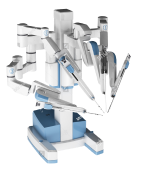
Where clinically appropriate, our surgeons use laparoscopic and robotic-assisted techniques to retrieve a portion of the liver from living donors. These minimally invasive approaches result in smaller incisions, less pain, faster recovery, and a safer experience for donors, without compromising surgical precision.
Donor & Patient Counselling
Living donor and recipient counselling is a critical part of our process. We provide in-depth education, emotional support, and transparent legal guidance to help families make informed, confident decisions, always ensuring safety, ethics, and consent.
Whether you're preparing for a liver transplant or supporting a loved one through it, Max Hospital Mohali is with you at every step, combining innovation with compassion to help you heal.
Liver Transplant Procedure at Max Hospital Mohali: What to Expect
At Max Super Speciality Hospital, Mohali, we understand that the decision to undergo a liver transplant can feel overwhelming. That’s why we follow a structured, transparent, and supportive approach to guide patients and their families every step of the way, from initial evaluation to long-term recovery.
Initial Consultation and Evaluation
Your liver transplant journey begins with a comprehensive assessment by our multidisciplinary team. This includes liver function tests, imaging, cardiac evaluation, and psychological counselling. The goal is to confirm whether a transplant is the best option and to assess your overall readiness for surgery.
Donor Evaluation (for Living Donor Transplants)
If a living donor is being considered, they undergo a detailed medical and psychological evaluation to ensure compatibility and safety. Our team ensures that the donor is healthy, informed, and confident about the decision.
Pre-Transplant Optimisation
Patients are supported with nutritional counselling, medical treatment for stabilising liver disease, and physical prehabilitation. This phase is important to improve surgical outcomes and recovery.
Transplant Surgery
Once a suitable donor liver is available, either from a living or deceased donor, the surgery is scheduled. Liver transplant is a complex procedure performed by our experienced transplant surgeons using advanced techniques. The surgery typically lasts 8–12 hours and involves removing the diseased liver and replacing it with a healthy one.
Post-Operative ICU Care
After surgery, patients are shifted to a dedicated transplant ICU where they are closely monitored by our liver-trained critical care team. Key parameters such as liver function, immune response, and overall stability are continuously tracked.
Recovery and Hospital Stay
Most patients stay in the hospital for 2–3 weeks after surgery. During this period, they receive medication (including immunosuppressants), wound care, physiotherapy, and regular tests to ensure smooth recovery and prevent complications.
Discharge and Home Care Plan
Before going home, patients and caregivers are given detailed instructions on medications, diet, activity, hygiene, and follow-up schedules. Our transplant coordinators ensure you’re well-prepared for recovery at home.
Long-Term Follow-Up
Regular follow-up is essential to monitor liver health, manage immunosuppressive therapy, and detect any early signs of rejection or complications. We offer in-person and teleconsultation options to make this phase as convenient as possible.
At Max Hospital Mohali, our goal is to make your liver transplant journey as safe, informed, and supported as possible, from the very first consultation to life after recovery.
Why Choose Max Hospital Mohali for Liver Transplant
At Max Super Speciality Hospital, Mohali, we bring together clinical excellence, advanced infrastructure, and a compassionate approach to ensure the best possible outcomes for liver transplant patients. And here’s why you must consider us if you or a loved one are planning to undergo a liver transplant.
Specialised Liver Transplant Team
Our liver transplant program is led by a team of highly experienced hepatologists, transplant surgeons, anaesthetists, and intensive care specialists who have successfully performed numerous complex liver transplants, including living donor and paediatric cases.
State-of-the-Art Facilities
Max Mohali is equipped with modern modular operation theatres, dedicated transplant ICUs, and advanced imaging and diagnostic tools to support every phase of the transplant journey, from evaluation and surgery to recovery and follow-up.
Comprehensive Donor and Recipient Care
Whether it’s a living donor transplant or a transplant from a deceased donor, both donor and recipient receive thorough medical, psychological, and ethical evaluation, along with personalised care plans tailored to their unique needs.
Advanced Techniques for Better Outcomes
We use 3D CT volumetry, minimally invasive donor surgery, precision planning tools, and modern liver preservation technologies to improve surgical accuracy, reduce complications, and enhance recovery times.
Multidisciplinary, Holistic Support
Transplant success depends on more than just surgery. Our team includes dietitians, physiotherapists, psychologists, and transplant coordinators who provide ongoing support before and after the procedure, helping patients regain strength and confidence.
Transparent, Ethical, and Patient-Centric Approach
At Max Mohali, we believe in clear communication, shared decision-making, and putting the patient’s wellbeing at the centre of everything we do. Our counsellors help families understand the transplant process, costs, timelines, and expectations at every stage.
Convenient Access for Patients in North India
Located in the heart of Punjab, Max Hospital Mohali is easily accessible for patients from Chandigarh, Himachal Pradesh, Haryana, Jammu & Kashmir, and beyond, providing world-class liver transplant care closer to home.
With a strong track record of clinical excellence and a deep commitment to compassionate care, Max Hospital Mohali is a trusted destination for liver transplant in North India.
Meet Our Liver Transplant Specialists at Max Hospital Mohali
At Max Hospital Mohali, our liver transplant programme is led by a team of highly trained and experienced transplant surgeons committed to delivering the highest standards of care. With decades of collective experience in liver transplant and hepatobiliary surgery, our specialists are known for their clinical precision, patient-centric approach, and commitment to safety and outcomes.
Each member of our liver transplant team brings a unique blend of surgical expertise and compassionate care, ensuring that every patient receives personalised attention throughout their treatment journey. Feel free to browse through the list of our specialists, including their clinical experience, areas of focus, and consultation availability, and choose a doctor based on your preferences and comfort. Whether you are seeking in-person or video consultations, our team is accessible and dedicated to guiding you every step of the way.
Read Less
 WhatsApp Us (24/7)
 +91 926 888 0303 (24/7)