 WhatsApp Us (24/7)
 +91 926 888 0303 (24/7)


Abstract: For over a decade, in vitro fertilisation (IVF) laboratories have witnessed a substantial surge in innovative adjunct technologies and procedures — commonly referred to as “add-ons” — designed to optimise IVF reproductive outcomes. While many adjuvants promise improvements in fertilisation, embryo development, and subsequent implantation success, their scientific underpinnings and clinical efficacy remain varied. This review critically examines the most prominent emerging add-ons in IVF, assesses current evidence regarding their effectiveness, and discusses their relevance in clinical practice.
Key words: In Vitro Fertilisation (IVF), Adjuvants-Add On, Success Rates, Pre-Implantation Genetic Testing for Aneuploidy (PGT-A), Artificial Intelligence (AI), Embryo Glue, Assisted Hatching (AH).
Introduction
In vitro fertilisation (IVF) add-ons are supplementary techniques or products introduced alongside conventional IVF treatment protocols in IVF laboratories, and aim to improve IVF success rates. The most widely used IVF laboratory adjuvants — time-lapse imaging, embryo glue, pre-implantation genetic testing for aneuploidy (PGT-A), artificial intelligence (AI)-based embryo selection, and assisted hatching (AH) are aimed at improving implantation and live birth rates. With the increasing competition among fertility clinics, the demand for cutting-edge technologies is rising, often outpacing the evidence supporting them. Many of the new techniques are embraced enthusiastically. But regulatory bodies like the Human Fertilisation and Embryology Authority (HFEA) have warned that approximately 73% of patients in the UK use unproven add-ons, often with limited effectiveness and inadequate risk disclosure. This review article aims to analyse the scientific data behind emerging IVF add-ons and evaluate their actual benefits in clinical settings
Prominent Emerging Add-Ons and Scientific Evidence
- Integrated time-lapse imaging (TLI) based on AI and morphokinetics
Time-lapse monitoring systems, such as embryoscope, allow high-frequency continuous imaging of embryo development without disturbing the culture conditions of the embryos (Figure 1). AI-based algorithms are now being integrated to assess embryo quality and objectively rank embryos based on morphology and kinetics. AI models like Intelligent data analysis for embryo evaluation (iDAScore) and AIVF’s EMA are using deep learning to interpret morphokinetics data. iDAScore versions 1.0 and 2.0 showed AI performance comparable to experts.1 A retrospective Chinese cohort found that iDAScore-guided TLI improved predictive power for pregnancy. These systems may standardise embryo selection, though prospective randomised controlled trial (RCT) validation remains pending.2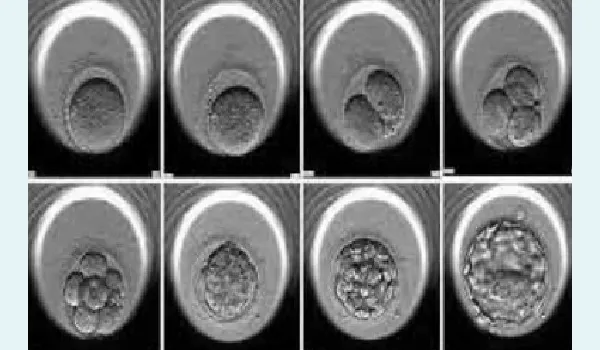
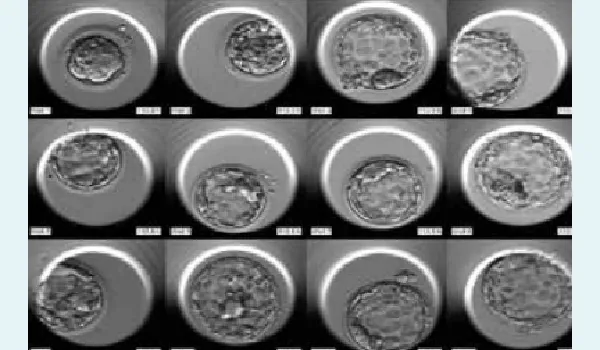
Figure 1: Illustration of the systematic development of human embryos in a time-lapse embryo monitoring system, depicting various stages, from zygote (Day 1) to blastocyst (Day 5) formation.
Scientific evidence: While TLI offers valuable morphokinetics data, meta-analyses show no consistent improvement in live birth rates compared to conventional embryo assessment.3 Preliminary findings suggest potential in improving consistency and predictive power in embryo selection, but more validated studies are needed.
Another major multicentre RCT (1,575 patients) found no significant improvement in live birth or pregnancy rates with approximately 33.7% TLI assisted live births vs 33%–36% control.4
- The American Society for Reproductive Medicine (ASRM) considers TLI an experimental technology. There is insufficient evidence to support the routine use of TLI system to improve IVF outcomes.
- European Society of Human Reproduction and Embryology (ESHRE) stated that while TLI provides detailed embryo development information, its clinical benefit remains unproven.
Clinical relevance: TLI is a non-invasive and helpful technique in selecting embryos, but not a standalone predictor of success. It is not yet proven to be superior to a skilled embryologist assessment and is evolving rapidly.
- PGT-A
PGT-A is a transformative tool in assisted reproductive technology (ART), which involves prior screening of embryos for chromosomal abnormalities followed by implantation via biopsy and genetic testing, aiming to improve IVF outcomes. Abnormal chromosome count or aneuploidy is a primary cause of implantation failure and miscarriage, especially in women over 35 years of age. PGT-A employs technologies like fluorescence in situ hybridisation (FISH), array-comparative genomic hybridisation (aCGH), single-nucleotide polymorphism (SNP), and nextgeneration sequencing (NGS) to select euploid embryo transfer. NGS enhances the detection of mosaicism and segmental anomalies with superior accuracy compared to older methods. There are some challenges and limitations associated with PGT that may complicate its usage, like mosaicism, biopsy impact on embryo, false positives, false negatives, cost, and ethical concerns.
PGT procedure involves the culture of embryos till the blastocyst stage. At this stage, the embryo has two distinct parts: inner cell mass (ICM) and trophectoderm (TE). With the help of a laser pulse, a small opening is made in the zona pellucida (ZP), and using a biopsy pipette (Figure 2), a few of the TE cells (approximately 6–8) are gently aspirated.
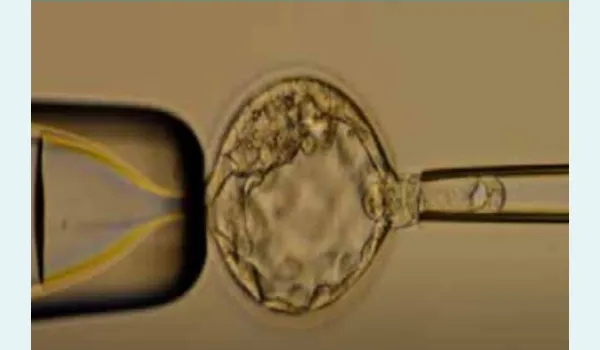
Figure 2: Illustration of human blastocyst (trophectoderm cells) biopsy — Day 5.
Types of PGT
- PGT-A: Screens for chromosomal aneuploidies, such as trisomy 21, Turner syndrome, Klinefelter syndrome, trisomy 13, and trisomy 18
- Preimplantation genetic testing for monogenetic or single gene disorder (PGT-M): Targets specific inherited disorders (e.g., cystic fibrosis, thalassaemia) in couples who are known carriers
- Preimplantation genetic testing for structural rearrangements (PGT-SR): Detects chromosomal structural abnormalities such as translocations and inversions, common in couples with recurrent pregnancy loss
Scientific evidence (Table 1): Although PGT-A may reduce miscarriage rates and improve implantation in certain age groups (e.g., advanced maternal age), as large RCTs suggest limited benefit in young patients with good prognosis.5
- American College of Obstetricians and Gynaecologists (ACOG 2020/ASRM 2024) does not recommend routine use of PGT-A and suggests its selective use in advanced maternal age (AMA) groups, recurrent miscarriage, or recurrent implantation failure after counselling on limitations.6
Patient group Live birth rate Miscarriage rate Clinical pregnancy Women > 35 years with poor prognosis ↑ Modestly ↓ Significantly ↑ Somewhat General population (≤ 35 years) No or ↓ benefit ↓ Low benefit No Benefit Known disease population ↑ Benefit ↓ Significant ↑ Improved by 5%–10% Table 1: Summary of outcomes by patient group.7
Clinical relevance: PGT-A offers clear benefits in older women (> 35 years) and those with recurrent loss or failure, reducing miscarriage and modestly improving live birth outcomes. It allows elective single embryo transfer (eSET), reducing multiple pregnancies. However, it does not benefit — and may harm — younger patients or those with few embryos. Its routine use requires cautious, informed consent, and selection based on age and prognosis.
- Embryo glue (hyaluronic acid-enriched transfer medium)
Embryo glue is a very specialised transfer medium containing hyaluronan to improve embryo adhesion to the endometrial wall. Hyaluronan is naturally elevated in the uterine environment during the implantation window, with roles in embryo adhesion (via CD44 receptors), trophoblast invasion, angiogenesis, and protection against expulsion by increasing medium viscosity. Commercially available embryo glue contains a high concentration of hyaluronan and recombinant albumin formulated to mimic uterine fluid.
Scientific evidence (Table 2): Some RCTs show a modest increase in implantation rates in patients having recurrent implantation failure, while others show negligible impact.8
- ESHRE (2023) categorises embryo glue as a “recommended" add-on for its moderate evidence.
- HFEA rates it “amber” (conflicting/moderate evidence).
Conditions Evidence summary Fresh transfer Live birth rate ↑ up to 28%; cleavage/blastocyst formation rate: +19%–22% Frozen embryo transfer (FET) No consistent benefit shown RIF patients Some benefit in clinical pregnancy; not universal Safety No increase in miscarriage or harm detected Cost-effectiveness Variable; low risk with marginal benefits; patient-informed choice needed Table 2: Summary of a systematic review and meta analysis.9
Abbreviations: FET: Frozen Embryo Transfer; RIF: Recurrent Implantation Failure.
Clinical relevance: Embryo glue may modestly increase live birth rate (approximately 20%) in fresh IVF cycles and possibly in implantation-challenged patients. Although the use of embryo glue is generally considered safe, its cost varies, and its benefits remain small. Thus, it is offered as an option rather than as a routine add-on. Transparent counselling on its likely marginal impact and cost aligns with current evidence-based practice.
- Assisted hatching (AH)
Implantation failure remains a significant hurdle in ART. For implantation to occur, a blastocyst must hatch from the ZP — a glycoprotein shell surrounding an embryo. Assisted hatching is a micromanipulation technique used in IVF, which involves mechanical, chemical, or laser thinning of the ZP to aid in implantation. Some embryos, particularly from older women or those used after cryopreservation, may have difficulty hatching because of the thickness of the ZP. To address this, AH was developed to artificially weaken or breach the ZP, theoretically facilitating embryo escape and improving pregnancy outcomes.
Scientific evidence (Table 3): Based on various studies, the usage of assisted hatching shows mixed evidence. It could be beneficial in frozen embryo transfers and in patients with prior implantation failure.10
- ASRM: AH is not recommended routinely; mixed data in FET; caution advised.11
- HFEA: Rates AH as “amber” (uncertain efficacy).
- ESHRE similarly endorses selective use of AH with informed consent.
Clinical relevance: The use of assisted hatching should be individualised based on patient age, the number of embryo transfer failures, and the thickness of the zona pellucida of embryos.
Future Directions
- Robust RCTs targeting AI-integrated TLI and emerging sequencing platforms, focusing on live birth and neonatal outcomes across age, ovarian reserve, and embryo quality strata are needed.
Outcome General population/ Fresh transfer Recurrent implantation failure FET/AM age Clinical pregnancy Not significant ↑ in RIF ↑ FET & advanced age Live birth Non-significant difference Slightly improved reported Minimal benefit Miscarriage Uncertain ↓ in young cleavage transfers Non-significant Multiple pregnancies Slight ↑ No ↑ No clear data Table 3: Summary of a systematic review.12
Abbreviations: AM: Advanced Maternal Age; FET: Frozen Embryo Transfer; GP: General Population; RIF: Recurrent Implantation Failure.
- Validation of AI models (e.g., iDAScore, EMA) across diverse clinics and patient subgroups is essential for generalisability. AI-based embryo assessment may complement genetic screening for better selection.
- Explore non-invasive alternatives (niPGT) that use cell-free DNA from spent culture media to assess embryo genetics, avoiding biopsy. Combining genomics, transcriptomic, and metabolomic profiling for comprehensive embryo assessment.
- Evaluate cost effectiveness, psychological impact, and health economics in diverse healthcare systems.
Guidelines and Recommendations
- HFEA (UK): Classifies add-ons with color-coded evidence rating (Green=Proven, Red=not Proven)
- ESHRE: Emphasises the need for high-quality RCTs before adopting new interventions
- ASRM (USA): Recommends personalised use of add-ons based on individual prognosis
Conclusion:
The IVF field continues to evolve with innovative technologies aiming to enhance success rates. However, the clinical utility of many emerging add-ons remains under debate. While some add-ons may improve outcomes in selected patient groups, many lack robust, high-quality evidence. The widespread use of these technologies raises ethical concerns about informed consent, cost-effectiveness, and patient expectations. Add-ons often carry hefty price tags with unclear benefits. Clinics sometimes fail to disclose their effectiveness and risks. While technologies like AI-powered embryo selection and enhanced TLI hold great promise, current evidence does not conclusively support their routine use to improve live births. Ethical provision requires transparent patient counselling and prioritising interventions supported by rigorous data. Future trials must validate the potential of the AI platform to ensure add-ons shift from innovative hype to concrete clinical progress. A critical evaluation of scientific evidence and a personalised approach to add-on use are essential to ensure ethical and effective fertility care. Clinicians must prioritise evidence-based practice and transparent communication with patients
Khushi Gupta, Soma Singh, Shakun Singh, Neha Chauhan. Emerging Add-Ons in In Vitro Fertilisation
Laboratories: Scientific Evidence and Clinical Relevance. MMJ. 2025, September. Vol 2 (3).
References
- Wang J, Guo Y, Zhang N, et al. Research progress of time-lapse imaging technology and embryonic development potential: A review. Medicine. 2023;102(38):e35203.
- Wu B, Li Q, Kuang Z, et al. ILETIA: An AI-enhanced method for individualized trigger-oocyte pickup interval estimation of progestin-primed ovarian stimulation protocol. arXiv preprint arXiv:2501.16386. 2025 Jan.
- Petrogiannis N, Filippa M, Chatzovoulo K, et al. Add-On Technologies That Aim to Improve Oocyte Quality and Embryo Implantation Potential. Medicina. 2025;61(3):367.
- Glatthorn HN, Dechereny A. The efficacy of add-ons: selected IVF “add-on” procedures and future directions. J Assist Reprod Genet. 2022;39(3):581–9.
- Sordia-Hernandez LH, Morales-Martinez FA, González-Colmenero FD, et al. The effects of preimplantation genetic testing for aneuploidy (PGT-A) on patient-important outcomes in embryo transfer cases: a meta-analysis. J Reprod Infertil. 2022;23(4):231.
- Subethawinukul C, Numchaisrika P, Chaengsawang A, et al. Determining factors influencing the successful embryo transfer and Pregnancy during the frozen cycle of in vitro fertilization: a retrospective cohort study. Int J Fertil Steril. 2024;18(4):352.
- Adamyan L, Pivazyan L, Obosyan L, et al. Preimplantation genetic testing for aneuploidy in patients of different age: a systematic review and meta-analysis. Obstet Gynecol Sci. 2024;67(4):356–79.
- Singh N, Gupta M, Kriplani A, et al. Role of Embryo glue as a transfer medium in the outcome of fresh non-donor in-vitro fertilization cycles. J Hum Reprod Sci. 2015;8(4):214–17.
- Bhoi NR, Murdia N, Murdia K, et al. Effect of hyaluronic acid-containing transfer media (EmbryoGlue®) on the live birth rate in frozen thawed embryo transfer cycles. Cureus. 2024;16(1):e52713.
- Alteri A, Vigano P, Maizar AA, et al. Revisiting embryo assisted hatching approaches: a systematic review of the current protocols. J Assist Reprod Genet. 2018;35(3):367–91.
- Practice Committee of the American Society for Reproductive Medicine. The role of assisted hatching in in vitro fertilization: a guideline. Fertil Steril. 2022;117(6):1177–82.
- Hammadeh ME, Fischer-Hammadeh C, Ali KR. Assisted hatching in assisted reproduction: a state of the art. J Assist Reprod Genet. 2011;28(2):119–28.