 WhatsApp Us (24/7)
 +91 926 888 0303 (24/7)


Abstract: In the intensive care units (ICUs), gram-negative sepsis has proven to be amongst the most difficult to treat infections. This retrospective study was conducted to examine the efficacy of ceftazidime-avibactam (CAZ-AVI) in patients with infections caused by carbapenem-resistant Klebsiella pneumoniae (CR-KP) in a Delhi hospital. We aimed to evaluate the clinical treatment success rate in patients treated with CAZ-AVI on day 14 or at the end of treatment (EOT), whichever was earlier. Data from 100 patients was analysed. The 14-day survival rate with CAZ-AVI was 55% and the 30-day survival rate was 52%, as 3 patients died between days 15 and 30. All surviving patients showed clinical improvement. Microbiological outcomes were available for 44 cases, of whom 38 (86.4%) were positive and 6 were negative. The mortality was lower in the negative cases, but was not statistically significant (p = 0.807). The CAZ-AVI success rate in our study was high with more than half of the patients surviving at the end of both the 14th and 30th day.
Categories: Internal Medicine, Infectious Disease
Key words: Ceftazidime-Avibactam (CAZ-AVI), Antimicrobial Resistance, Klebsiella Pneumoniae, Carbapenem Resistant Klebsiella Pneumoniae, Ceftazidime-Avibactam
Introduction
The widespread emergence of antibiotic-resistant organisms is a significant burden on the existing healthcare infrastructure. In the intensive care units (ICUs), gram-negative sepsis has proven to be amongst the most difficult-to-treat infections. In the World Health Organization’s priority pathogens list for research and development of new antibiotics, the most critical ones are carbapenem-resistant Enterobacterales (CRE), Pseudomonas aeruginosa and Acinetobacter baumannii.1 The development of resistance to carbapenems, which have formed the backbone of therapy for serious gram-negative infections, has been a growing concern. This has posed a serious threat in the last decade.2
The global trends of antimicrobial resistance (AMR) in Escherichia coli and K. pneumoniae suggest that by 2030, third-generation cephalosporins, as well as carbapenems, could be ineffective against almost half of the E. coli and K. pneumoniae invasive isolates.3 In the Indian settings, the cost constraints along with limitations in the diagnostic infrastructure make the treatment of gram-negative infections challenging.
The carbapenem resistance in Enterobacterales is driven by carbapenemases such as New Delhi metallo-β lactamase (NDM), Oxacillinase-48-like (OXA-48-like), Verona Integron encoded metallo-β-lactamase (VIM), Imipenemase (IMP), and K. pneumoniae carbapenemase (KPC).4 The Indian Council of Medical Research (ICMR)5 has described a high carbapenem resistance among Enterobacteriaceae with resistance rates up to 50% for K. pneumoniae and 30% for E coli. In the case of carbapenem-resistant (CR)-K. pneumoniae (CR-KP), the OXA 48-like enzyme was identified in 52% of the isolates while 20% of isolates had the NDM enzyme and 27% possessed both NDM and OXA-48-like genes. However, in CR E. coli, NDM was reported in 68% of the total isolates, OXA-48-like enzyme in 24%, and both NDM with OXA-48-like enzymes were identified in 8% of isolates.
The burden posed by CRE is significant owing to the higher mortality because of infections, longer duration of hospital and ICU stay, and the additional costs compared to those with carbapenem-susceptible Enterobacteriaceae (CSE).6-8 As the time to initiate appropriate antibiotic therapy is a predictor of mortality in patients with MDR gram-negative bacteremia, early appropriate treatment is vital for outcome optimization.9,10 It has also been demonstrated that carbapenem resistance is an independent risk factor for overall mortality.11-13
The treatment options for infections caused by CRE are very limited. Polymyxins have been used in the past for the treatment of such infections. However, concerns have been raised regarding its efficacy, increasing resistance, and toxicity.14-17 Ceftazidime-avibactam is a novel beta-lactam-beta-lactamase inhibitor combination that possesses potent activity against OXA-48 and KPC-producing CREs.18
The real-world evidence about the treatment of CR-KP with CAZ-AVI has not been adequately evaluated. A multicentre retrospective study by Caston et al.19 assessed the 30-day mortality in patients receiving CAZ-AVI for more than 48 hours and compared it with an alternate therapy. They concluded that CAZ-AVI was an effective treatment of CRE, and it was also an independent factor for microbiological eradication. Microbiological cure and outcomes were the focus of this study. A previous study20 suggested that microbiological cure in patients receiving CAZ-AVI was associated with improved survival.
Due to the limited data available from India, the present retrospective study was conducted to examine the efficacy of CAZ-AVI in patients with infections caused by CR-KP. We aimed to evaluate the clinical treatment success rate in patients treated with CAZ-AVI on day 14 or at the end of treatment (EOT), whichever was earlier. Our secondary objectives were to assess the 30-day mortality in these patients regarding the microbiological success, time to initiate CAZ-AVI, underlying comorbid status, and length of stay in the hospital.
Materials And Methods
This was a non-interventional study conducted at a single centre with a retrospective approach. The study was initiated after obtaining approval from the Institutional Ethics Committee (IHEC no. ECR/110/Inst/DL/2013/RR-19). The data were gathered from the electronic health records (EHR) of patients admitted between January 2020 and May 2022 in our hospital. Inclusion Criteria: Patients above the age of 18 years, who were admitted to the ICU with a documented infection caused by CR-KP and were being treated with CAZ-AVI were the subjects of this study. Only patients with comprehensive and complete data in the hospital records were included. Exclusion criteria: Patients who left against medical advice were excluded from the study.
Data on patient characteristics, length of hospital and ICU stay, co-morbidities, details about the treatment and its duration, and outcomes were extracted. Comorbidities were assessed by the Charlson Comorbidity Index which considers the number and seriousness of comorbidities.21
Statistical Analysis
The data extracted from the EHR was compiled in an Excel sheet and then exported to SPSS22 for analysis. We calculated the mean and standard deviation (SD) for quantitative measurements such as age and length of stay. The Anderson-Darling tests were conducted to check the distribution of the variables- hospital stay and ICU stay because these are durations and can have skewed distributions. We also determined the median and interquartile range (IQR) for skewed distribution. To ensure the robustness of our results, we used both the Student's t-test and the Mann-Whitney U test to calculate the P-value for differences between survivors and non-survivors for these parameters.
For qualitative characteristics, such as CAZ-AVI exposure for more than 48 hours and microbiological outcomes, we calculated counts and percentages. The chi-square test was used to assess the statistical significance of differences between the survivors and non-survivors. Fisher’s exact test was applied where cell frequencies were less than 5. Also, we conducted a multivariable logistic regression analysis to determine if any studied factor affected the survival rate. The significance level for all statistical tests was set at 5%.
Results
The data for a total of 100 patients was extracted from the EHR of the hospital. The comprehensive analysis of these cases revealed insights into the relationship of the success rate in terms of survival with factors such as age, sex, comorbidities, diagnostic delay, and the effect on the duration of ICU and hospital stay.
The mean age of the patients was 61.5 years (SD=15.6 years; range 19-86 years) (Table 1). Nearly two-thirds of the total patients (67%) were males. Their mean comorbidity index as per the Charlson Index was 4.1 (SD=1.9). In our patients, the maximum score was 11 out of a total of 24. Thus, the comorbidity level was not high.
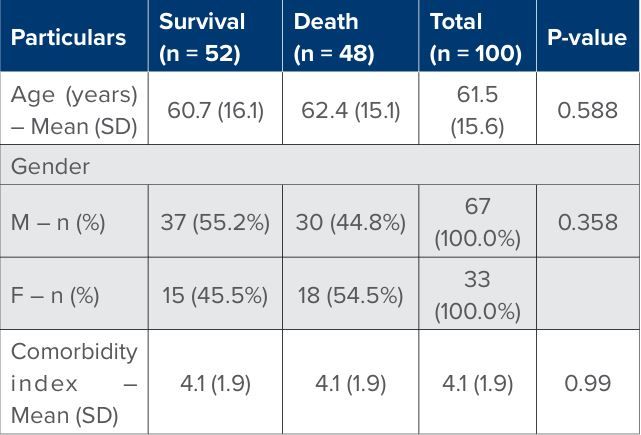
Table 1: Background characteristics of the patients
All 100 patients received CAZ-AVI for at least 48 hours. The mean duration of drug intake was 9.9 days (SD = 5.3 days) (Table 2). The time to initiate this drug from the time of the first test was an average of 3.8 days (SD = 3.4 days). Diagnostic delay of more than 3 days occurred in 41 (41%) patients. The other 59 (59%) received the drug within 3 days of the test.
Success Rate
The 14-day success rate of CAZ-AVI in terms of survival was 55% and the 30-day success rate was 52% as 3 patients died between days 15 and 30 days (Table 2). Tables 1 and 2 give details of how various factors affected the survival in these patients, all of whom received CAZ-AVI in CR-KP. The mean age of those who could not survive was slightly higher compared to those who survived but was not statistically significant (p = 0.588). Mortality was higher in females compared to males though, again, not statistically significant (p = 0.358).
The mean duration of exposure to the drug was nearly the same (9.9 days) in both groups: those who survived and those who died (p = 0.992). The average time to initiate therapy from the time of the first culture in the patients who did not survive was 4.3 days against 3.3 days in patients who survived. This difference, though, was not statistically significant (p = 0.137). The diagnostic delay of more than 3 days occurred in 41 cases, of which 19 (46.3%) survived. This is less compared to 33 (55.9%) survivors out of 59 patients with a delay of 3 days or less. This difference too was not statistically significant (p = 0.345).
All patients who survived showed clinical improvement. Microbiological outcomes were available for 44 cases, of whom 38 (86.4%) were positive and 6 were negative. The mortality (Table 2) was lower in the negative cases but was not statistically significant (p = 0.807).
The average length of hospital stay was 38.7 days (SD = 25.0) and the median was 31.0 days (IQR: 20.3-51.3). The mean was 40.2 days (SD = 26.7), and the median, 32.5 days (IQR: 21.5-53.5) in patients who survived, while the mean was 37.1 days (SD = 23.2), and the median, 30.0 days (IQR: 20.0-46.5) in those who died. This difference was not statistically significant either by Student t-test for means (p = 0.535) or by the Mann-Whitney test (p = 0.730). The average length of ICU stay was 28.5 days (SD = 22.0 days), and the median 23.0 days (IQR: 12.3- 38.8). The mean (SD) and the median (IQR) for those who survived and who did not are given in Table 2. This difference also was not statistically significant (p = 0.341 by Student t-test and 0.066 by Mann-Whitney test).
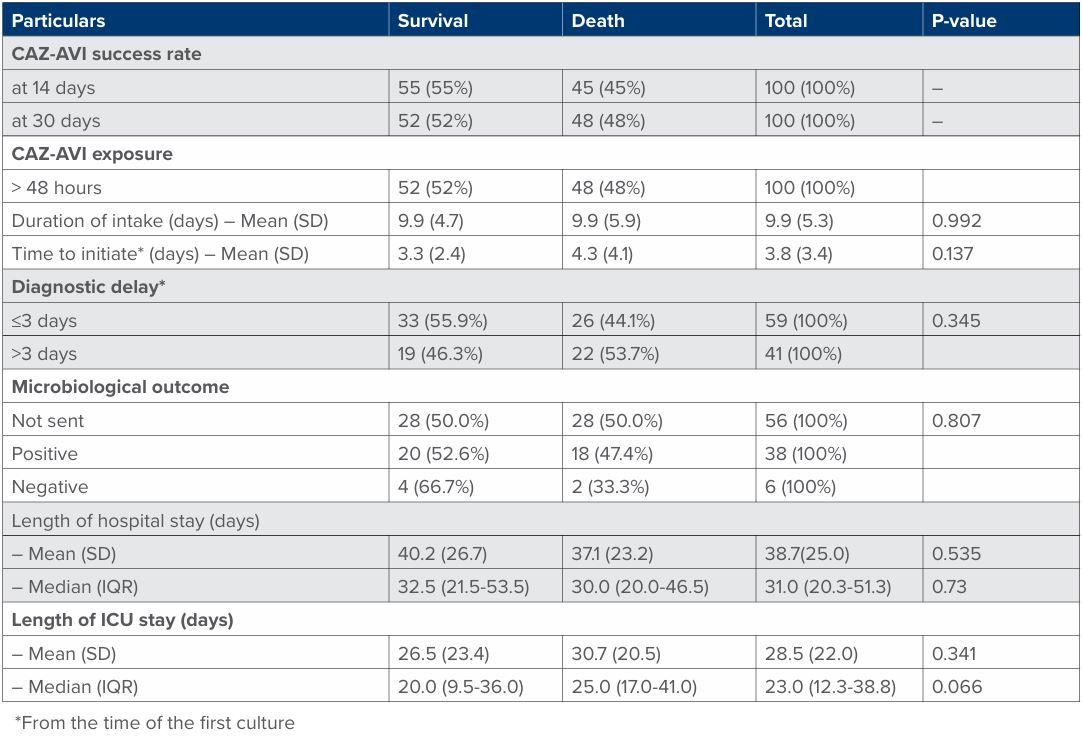
Table 2: CAZ-AVI exposure and the outcomes
Covariates
We performed a multivariable logistic regression to identify factors that may be contributing to death (Table 3). None of the factors we studied could be detected as an independent significant contributor to mortality in our cases, although the adjusted odds ratio was more than 1.0 for age, length of ICU stay, and time to initiate the treatment, showing their positive contribution to mortality, and less than 1.0 for males, comorbidities, and duration of intake showing a negative contribution.
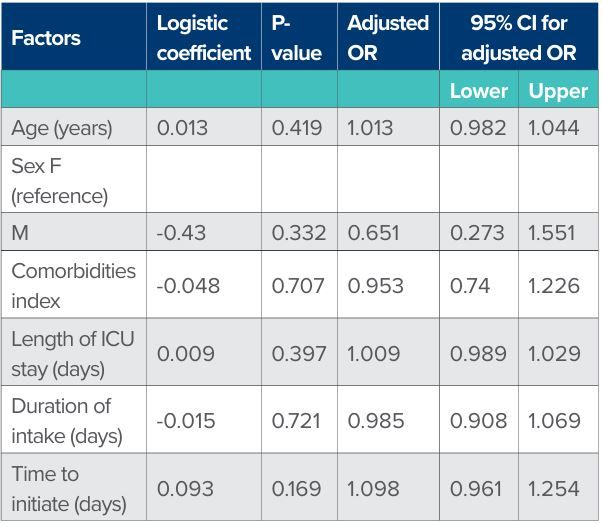
Table 3: Results of the logistic regression of mortality on its possible covariates
Discussion
This study was aimed to evaluate the effectiveness of CAZ-AVI in treating CR-KP infections. We found that the 14-day success rate of CAZ-AVI in terms of survival was 55%, and the 30-day success rate was 52% as 3 patients died between days 15 and 30 days, which highlights that CAZ-AVI could be an effective option for the treatment of patients with CR-KP infection. Also, the mortality pattern suggests the critical importance of timely and effective initial interventions in influencing survival outcomes. Similar results can be seen in the study conducted by van Duin et al. on patients infected with CRE (96% of them with KPC-producing K. pneumoniae infections) who received first-line treatment with ceftazidime/avibactam or colistin. In the group of patients treated with CAZ-AVI, a very low 30-day mortality rate was observed (9%). In their analysis of disposition at 30 days, patients treated with CAZ-AVI, compared with those treated within colistin, had a better outcome of 64%.22 The results of another analysis conducted by Torres A et al. reports are also in-line with the results of our study, which states that CAZ-AVI was comparable to meropenem in the treatment of nosocomial pneumonia.23 Vena A et al. also reported 90% overall treatment success at the end of CAZ-AVI treatment in all assessed patients of their research and emphasized the role of CAZ-AVI in the management of CRE.24 Shields et al.25 conducted a study to compare 13 patients treated with CAZ AVI with 96 patients treated with other antibiotics for CR-KP infections. They found that the survival rate at the end of 30 days was significantly higher in those treated with CAZ-AVI. In a retrospective study in India, Prayag et al.26 compared the outcomes between CRE-infected patients treated with polymyxin-based therapy vs CAZ-AVI-based therapy. They demonstrated that CAZ-AVI-based therapy was 66% less likely to be associated with mortality on Day 14 (p = 0.04) and 67% less likely to be associated with mortality on Day 30 (p = 0.04) compared to the patients on polymyxin-based therapy. Even in the case of patients who have undergone a kidney transplant, it was observed that recipients of CAZ-AVI therapy showed a significantly lower 30-day mortality rate compared to those who received other treatment regimens.27
The average time for which both the survivor and non-survivor groups received CAZ-AVI was similar in our study. However, the average time taken to initiate therapy was longer in the group that did not survive compared to the group of patients that survived. This delay might be contributing to some mortality. In our series, the percentage of patients that survived was higher when the diagnostic delay was less than 3 days compared to those with a delay of 3 days or more, although the difference was not statistically significant (p = 0.345). Corbella et al.28 in their study observed that a delay in the initiation of therapy with CAZ-AVI was associated with a lack of clinical cure.
Limitations of the study included its retrospective design and the smaller sample size. Studies with a larger sample size are needed to be conducted in the future.
All patients who survived in our series showed clinical improvement and microbiological cure was positive for a large percentage (86.4%) of patients treated with CAZ-AVI. Our results are similar to the results of some of the previous studies. Temkin et al.20 demonstrated that a large percentage of patients (74%) experienced microbiological cure when CAZ-AVI was administered as salvage therapy for the treatment of infections caused by CRE. In recipients of kidney transplants, it was found that those on CAZ-AVI therapy had a significantly higher microbiological cure compared to those on other regimens.27 Zheng et al.29 carried out a retrospective cohort study to determine the efficacy of CAZ-AVI compared to polymyxin B (PMB) for the treatment of CR-KP infections and reported a significantly higher 30-day microbiological eradication rate in the group treated with CAZ-AVI compared to PMB. Shi et al.30 compared a CAZ-AVI based regimen to a tigecycline (TGC) based regimen for the treatment of CR-KP in patients admitted to the ICU. They found that the clinical as well as microbiological cure rates were superior in the CAZ-AVI group compared to the TGC group. Thus, the authors concluded that CAZ-AVI is an effective alternative to TGC for the treatment of CR-KP-induced hospital-acquired pneumonia (HAP) or ventilator-associated pneumonia (VAP).30
CONCLUSION:
The CAZ-AVI success rate in our study was high as the survival rate for patients treated with CAZ-AVI was 55% at 14 days and 52% at 30 days. The average time taken to initiate therapy was longer in the group that did not survive (4.3 days) compared to the group of patients that survived (3.3 days). Although the difference is not statistically significant (P = 0.137), which could be due to the small sample size, but the difference indicates that the effect of early initiation of therapy is worth investigating.
Additional Information
Disclosures
Human subjects: Consent was obtained or waived by all participants in this study. Devki Devi Foundation issued approval 77348601. The study was conducted in accordance with the Declaration of Helsinki, and approved by the Institutional Ethics Committee (IEC), Devki Devi Foundation, Service Floor, office of Ethics Committee, East Block, Near to Conference Room, Max Super Specialty Hospital, Saket (A Unit of Devki Devi Foundation) 2, Press Enclave Road, Saket, New Delhi-110017. Animal subjects: All authors have confirmed that this study did not involve animal subjects or tissue. Conflicts of interest: In compliance with the ICMJE uniform disclosure form, all authors declare the following: Payment/services info: This research was funded by Pfizer, - Pfizer Inc, approval number 77348601. Financial relationships: All authors have declared that they have no financial relationships at present or within the previous three years with any organizations that might have an interest in the submitted work. Other relationships: All authors have declared that there are no other relationships or activities that could appear to have influenced the submitted work.
Acknowledgments
This real-world evidence study has been supported through a grant by Pfizer Inc.
References
- Mo Y, Lorenzo M, Farghaly S, et al. What's new in the treatment of multidrug-resistant gram-negative infections? Diagnostic Microbiology and Infectious Disease. 2019;93(2):171-81.
- Patel G, Bonomo RA. “Stormy waters ahead”: global emergence of carbapenemases. Frontiers in microbiology. 2013;4:48.
- Alvarez-Uria G, Gandra S, Mandal S, et al. Global forecast of antimicrobial resistance in invasive isolates of Escherichia coli and Klebsiella Pneumoniae. International journal of infectious diseases. 2018;68:50-3.
- Devanga Ragupathi NK, Veeraraghavan B, Muthuirulandi Sethuvel DP, et al. First Indian report on genome-wide comparison of multidrug-resistant Escherichia coli from bloodstream infections. PLoS One. 2020;15(2):e0220428.
- Annual report January 2021-December 2021. Antimicrobial resistance research and surveillance network. Available at: https://main.icmr.nic.in/sites/default/files/upload_documents/AMR_Annual_Report_2021.pdf. Accessed on 12 August 2024.
- Escandón-Vargas K, Reyes S, Gutiérrez S, et al. The epidemiology of carbapenemases in Latin America and the Caribbean. Expert review of anti-infective therapy. 2017;15(3):277-97.
- Ben-David D, Kordevani R, Keller N, et al. Outcome of carbapenem-resistant Klebsiella Pneumoniae bloodstream infections. Clinical Microbiology and Infection. 2012;18(1):54-60.
- Patel G, Huprikar S, Factor SH, et al. Outcomes of carbapenem-resistant Klebsiella Pneumoniae infection and the impact of antimicrobial and adjunctive therapies. Infection Control & Hospital Epidemiology. 2008;29(12):1099-106.
- Van Duin D, Kaye KS, Neuner EA, et al. Carbapenem-resistant Enterobacteriaceae: a review of treatment and outcomes. Diagnostic microbiology and infectious disease. 2013;75(2):115-20.
- Villegas MV, Pallares CJ, Escandón-Vargas K, et al. Characterization and clinical impact of bloodstream infection caused by carbapenemase-producing Enterobacteriaceae in seven Latin American countries. PloS one. 2016;11(4):e0154092.
- Kohler PP, Volling C, Green K, et al. Carbapenem resistance, initial antibiotic therapy, and mortality in Klebsiella Pneumoniae bacteremia: a systematic review and meta-analysis. Infection control & hospital epidemiology. 2017;38(11):1319-28.
- Falagas ME, Tansarli GS, Karageorgopoulos DE, et al. Deaths attributable to carbapenem-resistant Enterobacteriaceae infections. Emerging infectious diseases. 2014;20(7):1170.
- Yao X, Doi Y, Zeng L, et al. Carbapenem-resistant and colistin-resistant Escherichia coli co-producing NDM-9 and MCR-1. The Lancet infectious diseases. 2016;16(3):288-9.
- Liu YY, Wang Y, Walsh TR, et al. Emergence of plasmid-mediated colistin resistance mechanism MCR-1 in animals and human beings in China: a microbiological and molecular biological study. The Lancet infectious diseases. 2016;16(2):161-8.
- Rojas LJ, Salim M, Cober E, et al. Colistin resistance in carbapenem-resistant Klebsiella Pneumoniae: laboratory detection and impact on mortality. Clinical Infectious Diseases. 2017;64(6):711-8.
- Sheu CC, Chang YT, Lin SY, et al. Infections caused by carbapenem-resistant Enterobacteriaceae: an update on therapeutic options. Frontiers in microbiology. 2019;10:80.
- Shirley M. Ceftazidime-avibactam: a review in the treatment of serious gram-negative bacterial infections. Drugs. 2018;78:675-92.
- Castón JJ, Cano A, Pérez-Camacho I, et al. Impact of ceftazidime/avibactam versus best available therapy on mortality from infections caused by carbapenemase-producing Enterobacterales (CAVICOR study). Journal of Antimicrobial Chemotherapy. 2022;77(5):1452-60.
- Temkin E, Torre-Cisneros J, Beovic B, et al. Ceftazidime-avibactam as salvage therapy for infections caused by carbapenem-resistant organisms. Antimicrobial agents and chemotherapy. 2017;61(2):10-128.
- Charlson Morbidity Index (CCI). Available at: https://www.mdcalc.com/calc/3917/charlson-comorbidity-indexcci. Accessed 13 Feb. 2024.
- van Duin D, Lok JJ, Earley M, et al. Colistin versus ceftazidime-avibactam in the treatment of infections due to carbapenem-resistant Enterobacteriaceae. Clin Infect Dis. 2018; 66:163-71.
- Torres A, Zhong N, Pachl J, et al. Ceftazidime-avibactam versus meropenem in nosocomial pneumonia, including ventilator-associated pneumonia (REPROVE): a randomised, double-blind, phase 3 non-inferiority trial. The Lancet Infectious Diseases. 2018;18(3):285-95.
- Vena A, Giacobbe DR, Castaldo N, et al. Clinical experience with ceftazidime-avibactam for the treatment of infections due to multidrug-resistant Gram-negative bacteria other than carbapenem-resistant Enterobacterales. Antibiotics. 2020;9(2):71.
- Shields RK, Nguyen MH, Chen L, et al. Ceftazidime-avibactam is superior to other treatment regimens against carbapenem-resistant Klebsiella Pneumoniae bacteremia. Antimicrobial agents and chemotherapy. 2017;61(8):10-128.
- Prayag¹ PS, Patwardhan SA, Panchakshari S, et al. Ceftazidime-avibactam with or without Aztreonam vs Polymyxin-based combination therapy for carbapenem-resistant enterobacteriaceae: A retrospective analysis. Indian Journal of Critical Care Medicine: Peer-reviewed, Official Publication of Indian Society of Critical Care Medicine. 2023;27(6):444.
- Zhang F, Zhong J, Ding H, et al. Efficacy of ceftazidime-avibactam in the treatment of carbapenem-resistant Klebsiella Pneumoniae infection after kidney transplantation. Infection and Drug Resistance. 2021:5165-74.
- Corbella L, Boán J, San-Juan R, et al. Effectiveness of ceftazidime-avibactam for the treatment of infections due to Pseudomonas aeruginosa. International journal of antimicrobial agents. 2022;59(2):106517.
- Zheng G, Cai J, Zhang L, et al. Ceftazidime/avibactam-based versus polymyxin B-based therapeutic regimens for the treatment of carbapenem-resistant Klebsiella Pneumoniae infection in critically ill patients: a retrospective cohort study. Infectious Diseases and Therapy. 2022;11(5):1917-34.
- Shi Y, Hu J, Liu P, et al. Ceftazidime–avibactam-based versus tigecycline-based regimen for the treatment of carbapenem-resistant Klebsiella Pneumoniae-induced pneumonia in critically ill patients. Infectious diseases and therapy. 2021;10:2721-34.