 WhatsApp Us (24/7)
 +91 926 888 0303 (24/7)


Abstract:
Adult immunisation is a vital yet underprioritised component of preventive healthcare, particularly in India, where the burden of vaccine-preventable diseases (VPDs) has shifted towards adults. Immunosenescence and rising chronic diseases amplify susceptibility; however, vaccination coverage remains poor due to low awareness and the lack of a national policy. This review consolidates the 2025 adult immunisation recommendations from global (Centres for Disease Control and Prevention [CDC], World Health Organisation [WHO]) and Indian (Associations of Physicians of India [API]) guidelines, with an emphasis on vaccine updates, risk-based strategies, and implementation challenges. A narrative review of official guidelines, peer-reviewed literature, and consensus statements published between 2020–2025 was performed, focusing on adult vaccination schedules, contraindications, and special-risk groups such as pregnant women, immunocompromised individuals, and those with chronic diseases. Key vaccines reviewed include influenza, pneumococcal, coronavirus disease 2019 (COVID-19), hepatitis A and hepatitis B, human papillomavirus (HPV), zoster, tetanus–diphtheria–acellular pertussis (Tdap), meningococcal, measles-mumps-rubella (MMR), and varicella vaccines. Recent additions — respiratory syncytial virus (RSV) and monkeypox vaccines — expand protection for older and high-risk adults. Despite robust global frameworks, India faces barriers including limited awareness (4.9%), fragmented delivery systems, and inadequate provider advocacy. Strengthening adult immunisation through unified national policy, integration with chronic disease programs, and enhanced public education is imperative. Adopting a life-course vaccination approach will improve adult health outcomes and align India with World Health Organization (WHO) Immunisation Agenda 2030.
Key words: Adult Immunisation, Vaccine-Preventable Diseases, CDC 2025, API Guidelines, Life-Course Vaccination, India.
Introduction
Adult immunisation remains substantially underutilised globally, particularly in low- and middle-income countries like India, despite clear evidence of substantial disease burden and clinical benefit.
Vaccine-preventable diseases are shifting epidemiologically from children to older adults. In India, approximately 95% of deaths from infectious diseases occur in adults, with pneumococcal disease, influenza, and hepatitis B causing significant morbidity and mortality. Older adults (≥ 60 years) comprise 8.6% of India's population ( ~130–140 million); projections indicate 300–324 million elderly individuals by 2050 (19%–20% of the population). Immunosenescence progressively reduces immune protection in this population. 1
Chronic diseases (diabetes, cardiovascular disease [CVD], chronic obstructive pulmonary disease [COPD], and chronic kidney disease [CKD]) are prevalent in older Indian adults. These populations experience 3–9-fold higher incidence of pneumococcal disease and an elevated risk of influenza and hepatitis B compared with healthy peers. 2
Only 4.9% of Indian adults are aware of all recommended vaccines, while 70.9% are aware of at least one. Awareness of tetanus vaccination is 63.5%, but awareness of hepatitis B, pneumococcal, and influenza vaccines is substantially lower. Awareness of newer vaccines (herpes zoster, human papillomavirus [HPV], and meningococcal vaccines) remains around 10%. Healthcare providers also show inadequate knowledge: 27.6% of postgraduate residents are unaware of adult immunisation schedules, and only 35.6% of adults receive vaccine recommendations from physicians. 3
The Centres for Disease Control (CDC) and the Advisory Committee on Immunisation Practices (ACIP) (2025) recommend age- and risk-stratified vaccination for influenza, pneumococcal disease, coronavirus disease 2019 (COVID-19), herpes zoster, hepatitis A and hepatitis B, HPV infection, pertussis, and meningococcal disease. The World Health Organisation (WHO) Immunization Agenda 2030 emphasises life-course vaccination. The Association of Physicians of India (API) (2024) provides India-specific guidelines aligned with international standards but faces implementation gaps. Unlike the well-established paediatric Universal Immunisation Programme (UIP), India lacks a unified national adult immunisation schedule despite multiple society guidelines.
This review synthesises evidence on adult immunisation epidemiology, vaccine recommendations across risk groups, efficacy and safety data, and implementation strategies, comparing Indian and international (CDC, WHO, and API) guidelines to optimise adult immunisation coverage in India.
Classification of Vaccines
Table 1 presents the six major vaccine classes used
in adult immunisation. Key features of each platform are described below:
1. Inactivated vaccines
These vaccines contain killed pathogens that cannot replicate but can still elicit an immune response. They are safe for immunocompromised and pregnant individuals.
Key point: Often require multiple doses and booster shots to maintain immunity.
2. Live-attenuated vaccines
These vaccines contain weakened forms of the pathogen capable of limited replication, producing a strong and long-lasting immune response.
Key point: Contraindicated in pregnancy and in individuals with severe immunosuppression.
3. Ribonucleic acid (RNA) and deoxyribonucleic acid (DNA) vaccines
These newer-generation vaccines use genetic material to encode antigenic proteins that stimulate immunity.
Key point: Do not contain live virus, can be rapidly developed, and produce both humoral and cellular immunity.
4. Subunit, recombinant, polysaccharide and conjugate vaccines
These vaccines use specific antigenic components of the pathogen (protein, polysaccharide, or conjugate) to induce immunity without the risk of infection.
Key point: Safe in immunocompromised individuals; often require adjuvants and multiple doses.
5. Toxoid vaccines
These vaccines contain inactivated bacterial toxins (toxoids) that stimulate antitoxin antibody production.
Key point: Immunity wanes over time; booster doses are recommended every 10 years.
6. Viral vector vaccines
These vaccines use harmless carrier viruses (vectors) to deliver genetic material encoding the target antigen.
Key point: Produce robust immune responses; rare risks include vector-related adverse events such as thrombosis.
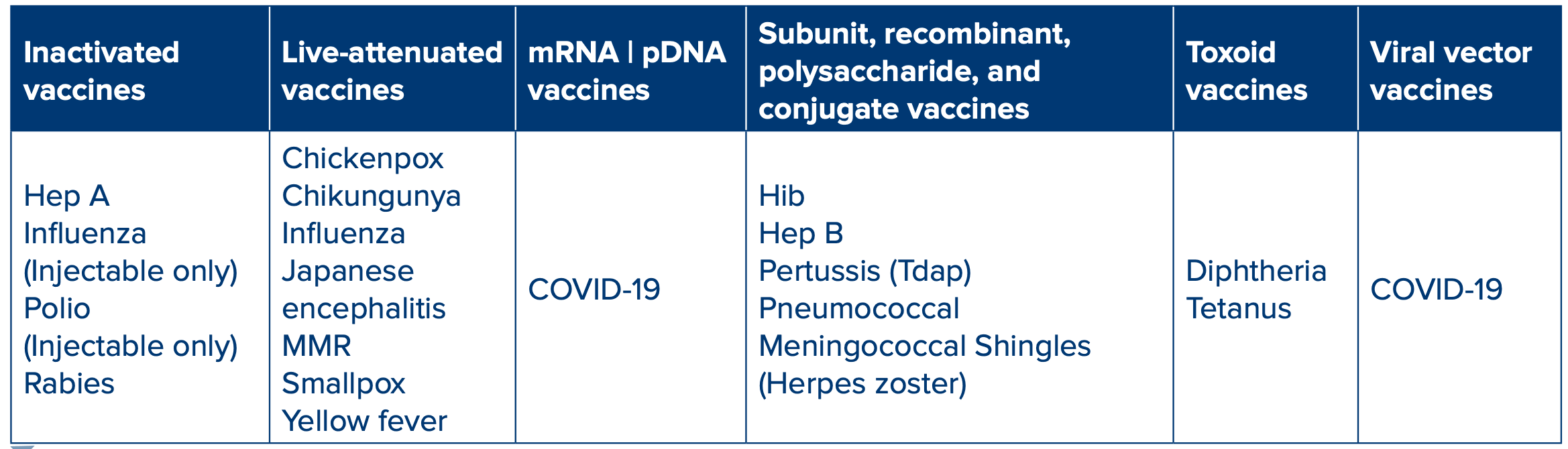
Table 1: Classification of vaccines.
Abbreviations: COVID-19: Coronavirus Disease 2019; Hep A: Hepatitis A; Hep B: Hepatitis B; Hib: Haemophilus influenzae Type b; HPV: Human Papillomavirus; MMR: Measles, Mumps, and Rubella; mRNA: Messenger Ribonucleic Acid; pDNA: Plasmid Deoxyribonucleic Acid; Tdap: Tetanus, Diphtheria, and Acellular Pertussis.
Key Principles of Vaccination
Route of administration: The route specified must be strictly adhered to. Intramuscular (IM) is standard for most adult vaccines and is administered in the deltoid muscle (45° angle, 22–25-gauge needle). Subcutaneous (SC) administration is used for select vaccines (e.g., varicella), administered at a 45° angle. Deviation from the specified route may compromise efficacy or increase adverse events.5
Dose and dosing: Vaccine doses are fixed and calibrated for immunological efficacy and clinical protection. For example, hepatitis B vaccination in adults requires 20 μg (versus 10 μg in children); most inactivated vaccines are administered as 0.5 mL. Interrupted schedules do not require restarting; remaining doses should be administered as soon as possible while maintaining minimum intervals.5
Spacing between doses: For inactivated vaccines, the minimum interval is 4 weeks, with no maximum interval; prolonged delays do not require restarting the series. For live vaccines, if two live vaccines cannot be administered on the same day, they should be separated by ≥ 28 days. Live vaccines can be administered after inactivated vaccines without spacing; inactivated vaccines administered after live vaccines should be separated by ≥ 28 days. For pneumococcal vaccines, the 13-valent pneumococcal conjugate vaccine (PCV13) and the 23-valent pneumococcal polysaccharide vaccine (PPSV23) should be separated by ≥ 1 year in either sequence; intervals of < 1 year may cause hyperresponsiveness.
Simultaneous co-administration: Multiple vaccines may be administered during a single visit, supported by extensive safety and efficacy data. Different vaccines should be administered at separate sites using different syringes and needles; vaccines should never be mixed in the same syringe. Up to two injections may be administered in the deltoid region, separated by ≥ 2.5 cm). Administering the most reactogenic vaccine last may minimise injection-site pain.
Technical requirements: The "Eight Rights" of immunisation include the right patient, vaccine/ diluent, time, dose, route, site, technique, and documentation. Cold chain storage should be maintained at 2–8°C. Sterility should be ensured by using a new sterile needle and syringe for each injection; reuse of multidose vials should be avoided where possible. Individuals should be monitored for at least 15 minutes post-vaccination for adverse events.
Overall Vaccination Schedule6
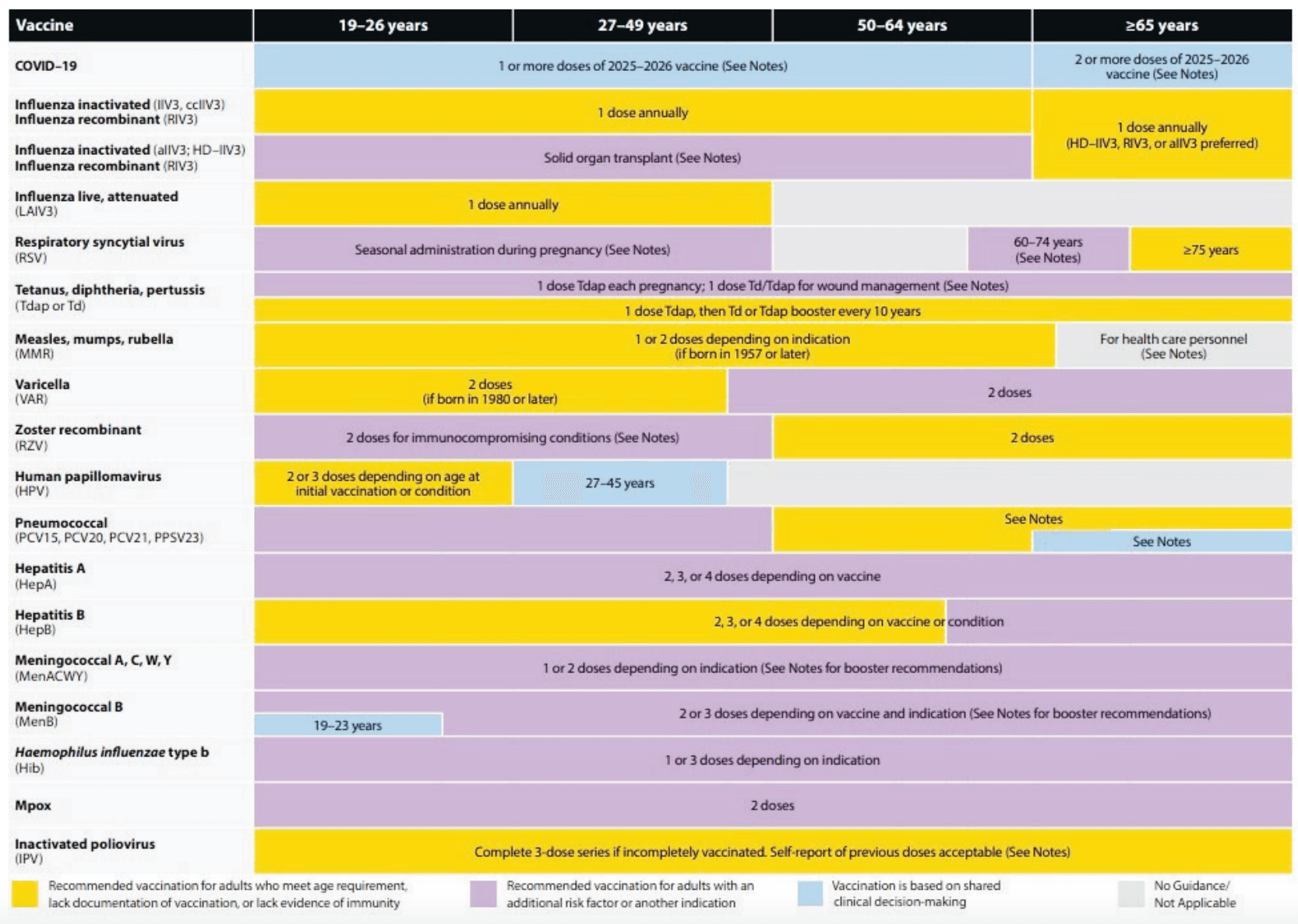
Figure 1: Adult Immunisation Schedule - 2025 by the Centers for Disease Control and Prevention (CDC).
Abbreviations: aIIV3: Adjuvanted Inactivated Influenza Vaccine, Trivalent; ccIIV3: Cell Culture–Based Inactivated Influenza Vaccine, Trivalent; COVID-19: Coronavirus Disease 2019; HepA: Hepatitis A; HepB: Hepatitis B; Hib: Haemophilus influenzae Type b; HPV: Human Papillomavirus; IIV3: Inactivated influenza vaccine, trivalent; IPV: Inactivated poliovirus vaccine; LAIV3: Live-Attenuated Influenza Vaccine, Trivalent; MenACWY: Meningococcal A, C, W, Y Vaccine; MenB: Meningococcal B Vaccine; MMR: Measles, Mumps, And Rubella; Mpox: Monkeypox; PCV15: 15-Valent Pneumococcal Conjugate Vaccine; PCV20: 20-Valent Pneumococcal Conjugate Vaccine; PCV21: 21-Valent Pneumococcal Conjugate Vaccine; PPSV23: 23-Valent Pneumococcal Polysaccharide Vaccine; RIV3: Recombinant Influenza Vaccine, Trivalent; RSV: Respiratory Syncytial Virus; RZV: Recombinant Zoster Vaccine; Td: Tetanus and Diphtheria Toxoids; Tdap: Tetanus, Diphtheria, and Acellular Pertussis; VAR: Varicella Vaccine.
Individual Vaccines
1. Hepatitis A vaccine:
The hepatitis A vaccine is an inactivated whole virus vaccine, administered IM in the upper arm (deltoid region). It is available under brand names such as Havrix, Vaqta, and Twinrix (combined hepatitis A and B). The routine schedule includes a two-dose series: Havrix at 0 and 6 months, or Vaqta at 0 and 12 months, with a minimum interval of 6 months between doses. Twinrix may also be used as a three-dose series (0, 1, and 6 months).
Indications for vaccination include individuals with chronic liver disease (CLD), Human Immunodeficiency Virus (HIV) infection, men who have sex with men (MSM), people who inject drugs, and those in settings with exposure risk. In special situations, vaccination is advised during pregnancy if there is risk for infection or severe disease, and for travellers to high-risk countries, ideally at least 2 weeks before travel, with Twinrix being the preferred option. For rapid protection, an accelerated schedule (0, 1, and 3 weeks, followed by a 12-month booster) may be used. Additionally, close contacts of international adoptees arriving from highrisk regions should receive one dose within 2 weeks before the adoptee’s arrival.
The vaccine is contraindicated in individuals with a history of anaphylaxis to a previous dose or vaccine component such as neomycin, and should be deferred in cases of moderate or severe acute illness. Incomplete vaccine series should not be restarted; only the remaining doses should be administered to complete the schedule.
2. Hepatitis B vaccine
The hepatitis B vaccine is a recombinant subunit vaccine containing hepatitis B surface antigen (HBsAg). It is administered IM in the deltoid region, and is available under several brand names including Engerix-B, Heplisav-B, PreHevBrio, Recombivax HB, and Twinrix (combined hepatitis A and B). The routine schedule varies by formulation: for adults aged 19–60 years, the two-dose series (Heplisav-B) is given at 0 and 1 month, while the three-dose series (Engerix-B, PreHevBrio, Recombivax HB, or Twinrix) follows a 0, 1, and 6-month schedule. An accelerated four-dose series (Twinrix: 0, 1, 3 weeks + 12-month booster) may be used when rapid protection is needed. For adults over 60 years, vaccination is indicated when risk factors are present. Indications include all adults aged 19–60 years and adults over 60 years with conditions such as CLD, HIV infection, MSM, injectable drug use, exposure-prone occupations, and dialysis or end-stage renal disease (ESRD). In special situations, vaccination is recommended during pregnancy if there is a risk of infection or severe outcomes, although PreHevBrio is not recommended because of limited data. For travellers to high-risk countries, it should be given at least 2 weeks before travel, with Twinrix being preferred, and an accelerated schedule (0, 1, 3 weeks + 12-month booster) may be used. In dialysis patients, Engerix-B (2 mL, dialysis formulation) is given at 0, 1, 2, and 6 months, while Recombivax HB (1 mL = 40 μg) is given at 0, 1, and 6 months. For immunosuppressed individuals, Heplisav-B (0, 1 month) or dialysis formulations of Engerix-B or Recombivax HB are used as per the same schedules. The vaccine is contraindicated in individuals with a history of anaphylaxis to a previous dose or vaccine component. It should be deferred in cases of moderate or severe acute illness. Incomplete series should not be restarted; remaining doses should be completed as scheduled. Booster doses every 5 years are recommended for high-risk individuals to maintain protection.
3. Human papillomavirus (HPV) vaccine
The HPV vaccine is a recombinant virus-like particle (VLP) vaccine that provides protection against multiple oncogenic and non-oncogenic HPV types. It is administered IM, and is available as Gardasil 9 (best), as well as bivalent (types 16 and 18), and quadrivalent (types 6, 11, 16, and 18) formulations. Gardasil 9 provides protection against nine HPV types (6, 11, 16, 18, 31, 33, 45, 52, and 58).
The routine schedule includes a two-dose series (0 and 6 months) for individuals aged 9–14 years, and a three-dose series (0, 1, and 6 months) for those aged 15–26 years. The vaccine is indicated for all individuals aged 9 to 26 years of age. In special situations, adults aged 27–45 years who have not completed vaccination may be offered either the two- or three-dose series. The vaccine is contraindicated during pregnancy, and should be deferred until after delivery. In immunosuppressed individuals, including those with HIV infection, a three-dose schedule should always be followed regardless of age or prior doses.
The main contraindication is anaphylaxis to a previous dose or vaccine component. The vaccine should be deferred in moderate or severe acute illness. Importantly, if the series is interrupted, it should not be restarted; the remaining doses should simply be completed according to schedule.
4. Influenza vaccine
Influenza vaccines are available in multiple formulations, including inactivated influenza vaccine (IIV3), adjuvanted inactivated influenza vaccine (A-IIV3; FluAd), high-dose inactivated influenza vaccine (HD-IIV3; Fluzone), cell-culture inactivated influenza vaccine (CC-IIV3; FluCelVax), recombinant influenza vaccine (RIV3; FluBlok), and live-attenuated influenza vaccine (LAIV3; FluMist). All inactivated forms are administered IM, while the live-attenuated vaccine is given intranasally as a spray.
The routine schedule recommends one dose annually for all adults aged 19 years and older. The live- attenuated vaccine (LAV) of influenza should not be used in individuals over 50 years.
Indications include all adults aged over 19 years, with emphasis on pregnant women, older adults, and individuals with chronic diseases.
In special situations, LAV is contraindicated during pregnancy; however, all inactivated forms may be used safely. In solid organ transplant recipients, HD-IIV3 or A-IIV3 formulations are preferred. For close contacts of severely immunosuppressed patients, LAV should be avoided, but other formulations can be used.
Contraindications include a history of anaphylaxis to a previous dose or vaccine component. Additionally, the LAV is contraindicated in pregnancy, immunosuppression, asplenia, individuals with cochlear implants or cerebrospinal fluid (CSF) leaks, age over 50 years, and asthma. Egg allergy is not a contraindication for any influenza vaccine.
Precautions include a history of Guillain–Barré syndrome (GBS) within 6 weeks of a prior influenza vaccine and moderate or severe acute illness. Annual vaccination is essential due to frequent strain variation.
5. Measles, mumps, and rubella (MMR) vaccine
The MMR vaccine is a LAV, and is also available as MMRV (a combination of MMR and varicella). It is administered SC and is available under brand names such as MMR II and Priorix.
The routine schedule consists of a single dose for adults. Travellers and healthcare workers (HCW) should receive a two-dose series at 0- and 1-month intervals. The vaccine is indicated for adults lacking evidence of immunity, including those without documented vaccination or prior infection.
In special situations, pregnancy and immunosuppression are absolute contraindications. However, in HIV-infected persons with a CD4 count > 15% or > 200 cells/mm³, a two-dose schedule (0 and 1 month) may be given safely. During outbreaks, a booster dose may be administered.
Contraindications include anaphylaxis, immunosuppression, and pregnancy. Precautions include receipt of antibody-containing blood products within the past year (should wait at least 3 months before vaccination), a history of thrombocytopenia or thrombotic thrombocytopenic purpura (TTP), positive tuberculin skin test (TST), or moderate to severe acute illness.
An important additional point is that people born before 1957 are generally considered immune to MMR and do not require vaccination. If the vaccination series is interrupted, it should not be restarted; the remaining doses should simply be completed.
6. Meningococcal vaccine
The meningococcal vaccine is available in multiple formulations, including MenACWY (brands: Menveo, MenQuadfi), MenB (Bexsero, Trumenba), and MenABCWY (Penbraya). The MenACWY vaccine is a conjugate vaccine (linked to tetanus toxoid), while MenB is a recombinant protein vaccine containing factor H-binding protein (FHbp) antigen, and MenABCWY is a combination of MenACWY–tetanus toxoid (TT) + MenB–FHbp.
The route of administration depends on the formulation: polysaccharide vaccines are given SC, whereas conjugate vaccines are given IM. The routine schedule includes MenACWY at 0 and 2 months, followed by boosters every 5 years, and MenB at 0, 1, and 6 months, with a booster dose at 1 year, and every 3 years thereafter.
Indications include individuals with asplenia, complement deficiencies, those receiving eculizumab or ravulizumab therapy, HIV infection, and travellers to endemic regions. Special situations include first- year college students living in dormitories and military recruits, both of whom should receive a single dose of MenACWY. During pregnancy, MenACWY can be administered if indicated, whereas MenB is contraindicated. Travellers to endemic areas should receive MenACWY with 5-yearly boosters for continued protection.
Contraindications include anaphylaxis to a previous dose or vaccine component; MenACWY is specifically contraindicated in individuals with anaphylaxis to TT. Precautions include moderate or severe acute illness and latex sensitivity.
Additional points include avoiding interchange of vaccine brands and completing, rather than restarting, interrupted vaccination series. Booster intervals are 5 years for MenACWY and 3 years for MenB.
7. Pneumococcal vaccine
The pneumococcal vaccine protects against Streptococcus pneumoniae and is available in conjugate and polysaccharide formulations. Conjugate vaccines include pneumococcal conjugate vaccine 13-valent (PCV13; available in India), PCV15 (Vaxneuvance),
PCV20 (Prevenar 20), and PCV21 (Capvaxive). The polysaccharide vaccine is pneumococcal polysaccharide vaccine 23-valent (PPSV23; Pneumovax 23). PCV15, PCV20, and PCV21 contain capsular polysaccharides conjugated to diphtheria toxoid (DT), while PPSV23 consists of pure polysaccharides.
Conjugate vaccines are given IM, whereas polysaccharide vaccines are given SC. The routine schedule depends on prior vaccination status:
- If no previous pneumococcal vaccination has been received, administer one dose of PCV15, PCV20, PCV21.
- If PCV15 is used, follow with one dose of PPSV23 after 1 year.
- If PCV13 was given previously, administer PCV20 or PCV21 after 1 year.
- If PPSV23 was given earlier, give PCV15, PCV20, or PCV21 after 1 year.
- If PCV13 plus PPSV23 were previously given, then PCV20 or PCV21 should be administered after 5 years.
The minimum interval between any two doses is 2 months. If PCV20 or PCV21 is administered at any point, PPSV23 is not required.
As per API recommendations:
- Adults aged 19–50 years with high-risk conditions should receive PCV13 followed by PPSV23 after 2 months.
- Adults aged over 50 years should receive PCV13 followed by PPSV23 after 1 year.
Indications include all adults aged > 50 years, and 19–50 years with risk factors such as chronic heart, lung, liver, or kidney disease, dialysis, diabetes, smoking, alcohol use, CSF leak, cochlear implant, or immunosuppression.
With regard to special situations, no specific recommendations exist for use during pregnancy.
Contraindications include anaphylaxis to a previous dose or vaccine component, particularly to DT. Precautions are advised in cases of moderate or severe acute illness.
Additionally, if a vaccination series is interrupted, it should not be restarted; the remaining doses should be completed as scheduled.
8. Varicella (chickenpox) vaccine
The varicella vaccine is a LAV administered either SC or IM. It is available under the brand name Varivax. The routine schedule depends on vaccination history:
- Adults with no previous dose should receive two doses at 0 and 1 month.
- Those who have received one prior dose should receive the second dose after 1 month.
The vaccine is indicated for adults lacking evidence of immunity, including those without prior vaccination, no history of varicella disease, individuals born after 1980 (in the United States of America [USA]), and household contacts of susceptible persons.
In special situations, the vaccine is contraindicated in pregnancy but may be given to healthcare personnel (HCP) as a two-dose series (0 and 1 month). I HIV-infected individuals with CD4 count > 15% or >200 cells/mm³, two doses are recommended at 0 and 3 months.
Contraindications include anaphylaxis, immunosuppression, and pregnancy. Precautions include:
- Recent receipt of antibody-containing blood products (within the past year), as this may interfere with vaccine response.
- Avoiding antiviral drugs (e.g., acyclovir) for 1 day before and 14 days after vaccination, since antivirals can reduce vaccine efficacy.
- Avoiding aspirin use due to the risk of Reye’s syndrome.
- Deferring vaccination during moderate or severe acute illness.
Additional notes include completing, rather than restarting, interrupted vaccination series. When given with another LAV, both may be administered on the same day; if not, they should be spaced at least 4 weeks apart.
9. Zoster (shingles) vaccine
The zoster vaccine is a recombinant zoster vaccine (RZV) containing Varicella-Zoster Virus (VZV) glycoprotein antigen with adjuvant. It is administered IM or SC, and is available under the brand name Shingrix.
The routine schedule includes two doses given at 0 and 2 months (2–6 months), with a minimum interval of 1 month between doses. It is indicated for adults aged ≥ 50 years, as well as for individuals aged ≥ 19 years with immunosuppression or HIV infection.
In special situations, the vaccine should be given regardless of prior history of shingles (herpes zoster). It helps prevent both primary herpes zoster and postherpetic neuralgia in older and immunocompromised adults.
Contraindications include a history of anaphylaxis to a previous dose or vaccine component. Precautions include a current episode of zoster infection, pregnancy, or moderate to severe acute illness at the time of planned vaccination.
Additionally, if the vaccine series is interrupted, it should not be restarted; the remaining doses should be completed as per schedule.
10. Tetanus, diphtheria, and pertussis vaccine (Tdap/Td)
The Tdap/Td vaccine is an inactivated toxoid vaccine containing TT, DT, and acellular pertussis antigen. It is administered IM and is available under the brand names Boostrix (Tdap) and Tenivac (Td).
The routine schedule for adults aged ≥ 19 years includes one dose of Tdap, followed by Td or Tdap every 10 years thereafter.
Indications include all adults over 19 years, pregnant women, wound prophylaxis, and close contacts of infants to prevent pertussis transmission.
In special situations:
- During pregnancy, a single dose of Tdap is recommended between 27–36 weeks of gestation, irrespective of prior vaccination.
- If Td is used during pregnancy instead, it should follow a 0- and 1-month schedule.
- In individuals with unknown vaccination history, the primary series includes doses at 0, 1, and 6 months, followed by Td or Tdap every 10 years.
Contraindications include anaphylaxis to any vaccine component and encephalopathy within one week of a previous Tdap dose (in which case Td should be used instead).
Precautions include a history of GBS within 6 weeks of a prior tetanus vaccine, progressive neurological disease, or moderate to severe acute illness.
Additionally, if a series is interrupted, it should not be restarted; the remaining doses should be completed as scheduled.
11. Haemophilus influenzae type b (Hib) vaccine
The Hib vaccine is a polysaccharide antigen conjugated to a protein carrier. It is administered IM and is available under brand names such as ActHIB, Hiberix, and PedvaxHIB.
The routine schedule applies only to adults with specific risk factors. In individuals with anatomical or functional asplenia, a single dose should be administered at least 14 days before elective splenectomy. For hematopoietic stem cell transplant (HSCT) recipients, vaccination should begin 1 year post-transplant, given as three doses at 0-, 1-, and 2-month intervals.
Indications for Hib vaccination in adults include those with asplenia or HSCT recipients.
There are no special situations or additional high-risk indications listed. The vaccine is contraindicated in individuals with a history of anaphylaxis to a previous dose or vaccine component. Precaution should be observed in cases of moderate or severe acute illness at the time of vaccination.
No additional notes beyond these specific indications were listed.
12. Polio vaccine
The polio vaccine is available in two forms — inactivated polio vaccine (IPV) and oral polio vaccine (OPV). The IPV contains inactivated poliovirus types 1, 2, and 3, while OPV is a LAV containing poliovirus types 1 and 3. The IPV is administered IM, whereas the OPV is given orally as 2 drops. The available brand for IPV is IPOL.
The routine schedule depends on vaccination status:
- For unvaccinated adults or those with unknown vaccination history, IPV is given as a 3-dose series at 0, 1, and 6 months.
- For those who were previously vaccinated but have risk factors, a single booster dose is recommended. For OPV, if an individual has received one or two doses of IPV, two doses of OPV may be used to complete protection.
Indications include unvaccinated adults, and adults at risk of exposure, such as travellers to endemic regions, close contacts of polio cases, responders to polio outbreaks, and healthcare workers handling poliovirus specimens.
Contraindications include anaphylaxis to a prior dose or vaccine components such as neomycin, streptomycin, or polymyxin B. Additionally, OPV is contraindicated in pregnancy and in immunosuppressed individuals.
Precautions include moderate or severe acute illness at the time of vaccination.
Additionally, if a vaccination series is interrupted, it should not be restarted; only the remaining doses should be administered.
13. COVID-19 vaccine
The COVID-19 vaccines are categorised into several types based on their formulation and mechanism of action.
A. Whole virus-based vaccines:
- Inactivated vaccine: Covaxin (efficacy ~70%)
- Viral vector-based vaccines using a Modified Replication Defective Chimpanzee Adenovirus Oxford 1 (MRD ChAdOx1) platform: Covishield (efficacy 60%–90%), Sputnik V, Sputnik Light, Johnson & Johnson, and Incovacc (India’s only intranasal COVID-19 vaccine)
B. Protein or subunit vaccines:
These vaccines are based on the spike protein of SARS-CoV-2 and include Novavax, Corbevax, and Covovax.
C. Genetic material-based vaccines:
- Messenger RNA (mRNA) vaccines: Pfizer and Moderna. These vaccines do not cross the nuclear membrane, are less stable, and require cold chain maintenance (Pfizer: –70°C; Moderna: –25°C to –15°C).
- DNA vaccine: Zydus Cadila (India’s only intradermal vaccine), which crosses the nuclear membrane, is more stable, and does not require deep-freezing.
All COVID-19 vaccines are stored at 2–8°C, except mRNA vaccines which require ultra-cold storage.
A comparative summary of Covaxin vs Covishield is presented in Table 2.
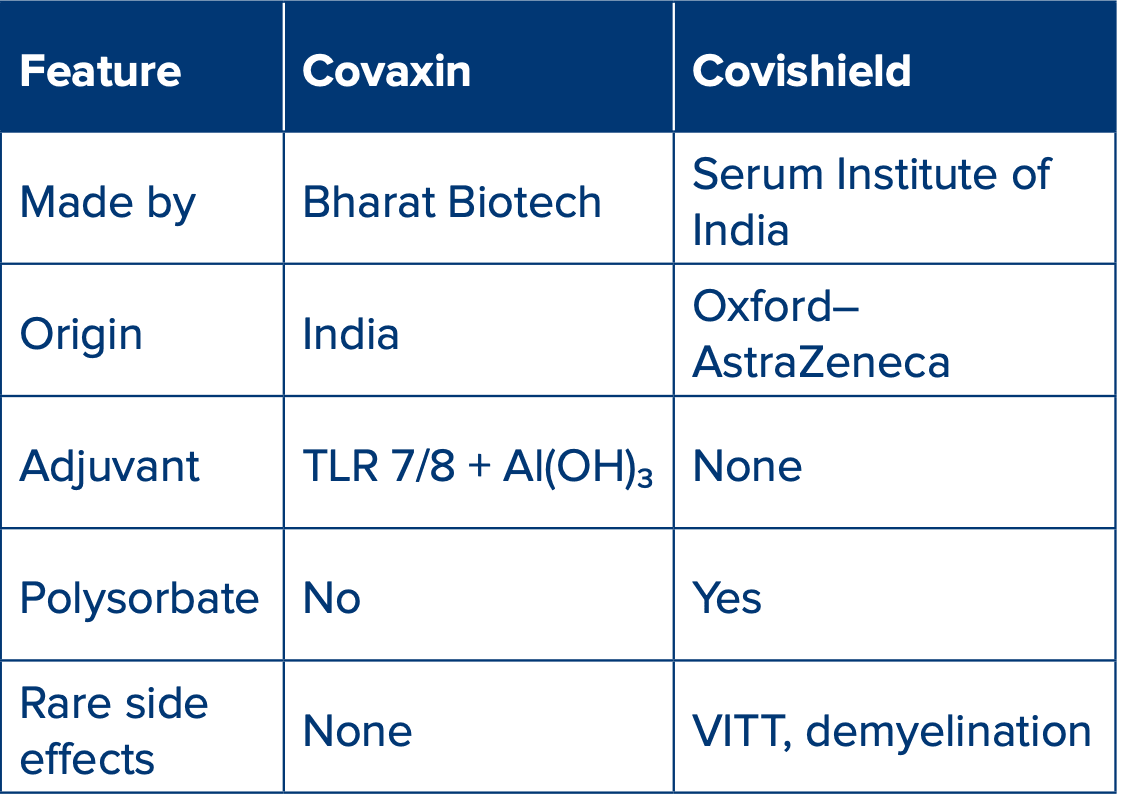
Table 2: Covaxin vs Covishield.
Abbreviations: Al(OH)₃: Aluminium Hydroxide; TLR: Toll- Like Receptor; VITT: Vaccine-Induced Immune Thrombotic Thrombocytopenia.
The routine schedule for adults aged > 19 years is one dose per season, with a minimum interval of 2 months between doses. In India, for adults aged > 18 years, a 0- and 1-month primary series followed by annual booster doses is recommended. Covaxin is approved for use in individuals > 6 years.
Indications include all adults aged ≥ 19 years, regardless of prior infection or vaccination history, especially during outbreaks or epidemics.
With regards to special situations, the vaccine is recommended in all conditions, including chronic illnesses, pregnancy, and immunocompromised states, unless contraindicated.
Contraindications include anaphylaxis to any component of the vaccine, history of myocarditis or pericarditis following an earlier mRNA vaccine, or multisystem inflammatory syndrome.
Precautions include postponing vaccination in cases of moderate or severe acute illness.
Additionally, if a series is interrupted, it should not be restarted; the remaining doses should be completed. Brand interchangeability is allowed.
14. Respiratory syncytial virus (RSV) vaccine
The RSV vaccine is a recombinant F protein-based vaccine developed for the prevention of RSV infection in older adults and pregnant women. It is administered IM and is available under the brand names Abrysvo, Arexvy, and Mresvia.
The routine schedule includes a single dose for adults aged > 75 years, and for pregnant women in the USA during the RSV season (September to January), administered once between 32–37 weeks of gestation.
Indications include adults aged > 75 years and for pregnant women (to prevent severe RSV infection in the newborn). It may also be given to adults aged 60–74 years with risk factors, which include chronic heart, lung, liver, kidney, or neurological disease, diabetes mellitus, immunosuppression, sickle cell disease or thalassaemia, and severe obesity.
Contraindications include anaphylaxis to a previous dose or vaccine component, and egg allergy. Precaution should be observed in individuals with moderate or severe acute illness.
Additional points include that it is a one-time vaccination only; if administered during a previous pregnancy, the infant should instead receive nirsevimab, a monoclonal antibody that blocks the RSV F protein; and that the vaccine is not yet approved in India.
15. Monkeypox (Mpox) vaccine
The Mpox vaccine is a LAV used for both pre-exposure and post-exposure prophylaxis. It is administered SC and is available under the brand name Jynneos.
The routine schedule consists of two doses given one month apart (0 and 1 month). The vaccine should be administered as soon as possible after exposure to maximise protection and prevent disease progression.
Indications include individuals at high risk of sexual exposure, those with occupational exposure to orthopoxviruses (such as laboratory workers or healthcare personnel handling poxvirus specimens), and populations affected during outbreaks.
In special situations, the vaccine is not recommended during pregnancy.
Contraindications include a history of anaphylaxis to a previous dose or vaccine component. Precaution should be observed in individuals with moderate or severe acute illness.
Additionally, if the vaccination schedule is interrupted, it should not be restarted; the remaining doses should be completed according to the prescribed interval.
Additional Vaccines in API Schedule
The additional vaccines recommended by the API 2025 consensus guidelines are presented in Table 3.
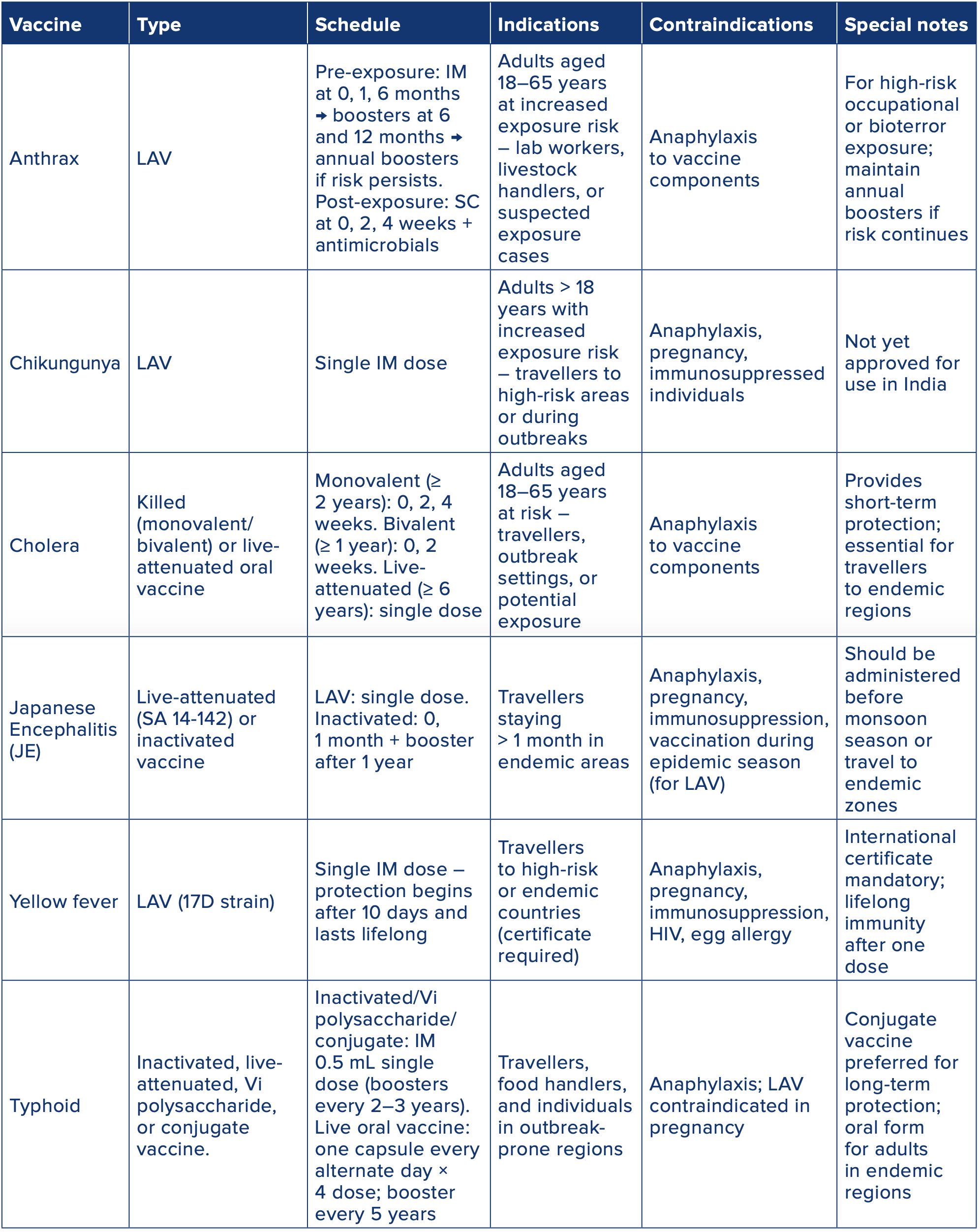
Table 3: Additional vaccines in Association of Physicians of India (API) schedule.
Abbreviations: HIV: Human Immunodeficiency Virus; IM: Intramuscular; JE: Japanese Encephalitis; LAV: Live-Attenuated Vaccine; mL: Millilitre; SA 14-142: SA 14-142 Live-Attenuated Japanese Encephalitis Virus Strain; SC: Subcutaneous; Vi: Virulence (Capsular) Polysaccharide Antigen of Salmonella Typhi.
Summary of Vaccination in Different Conditions
A summary of vaccinations to be given in different conditions as per CDC 2025 and API 2025 guidelines is presented in Table 4.
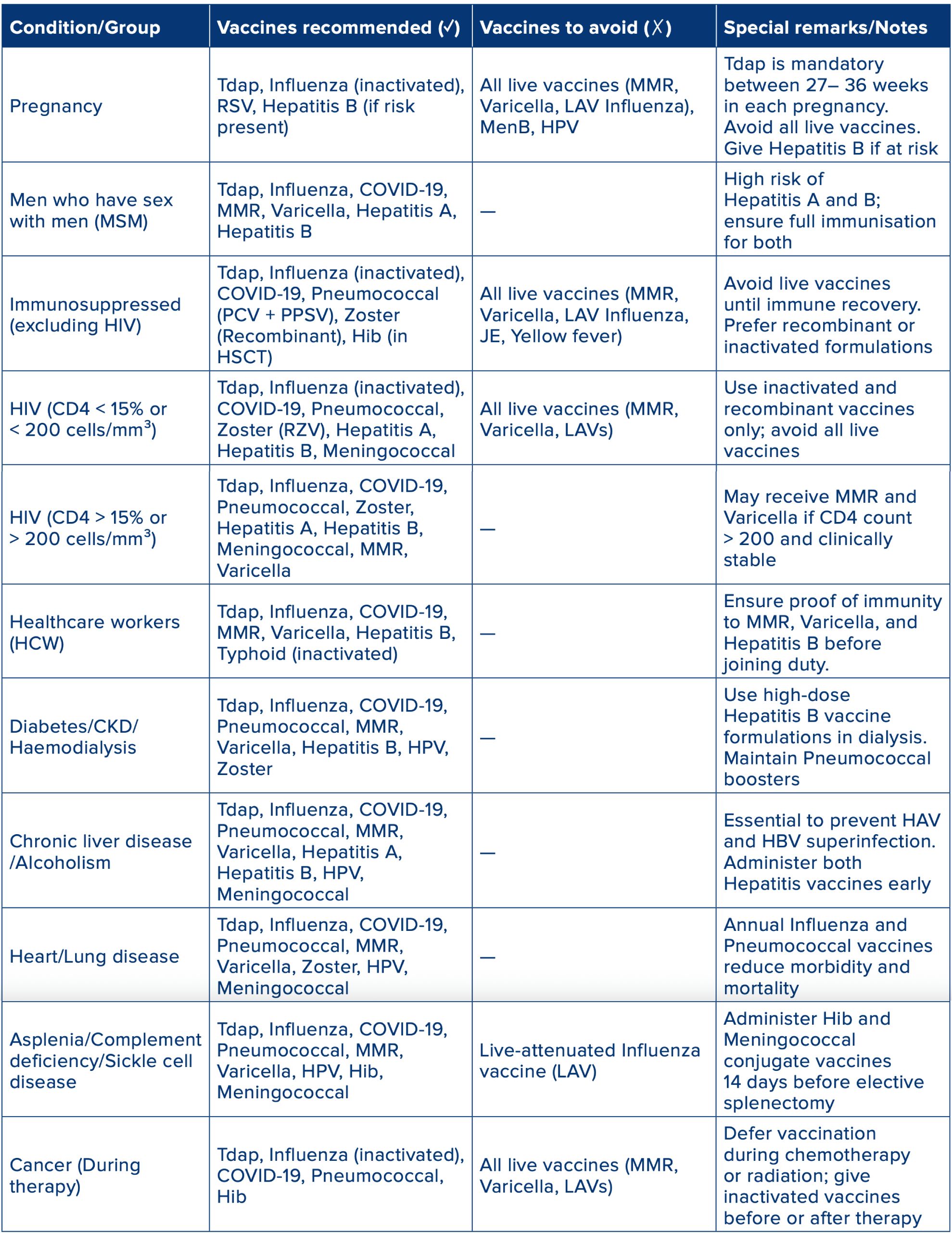
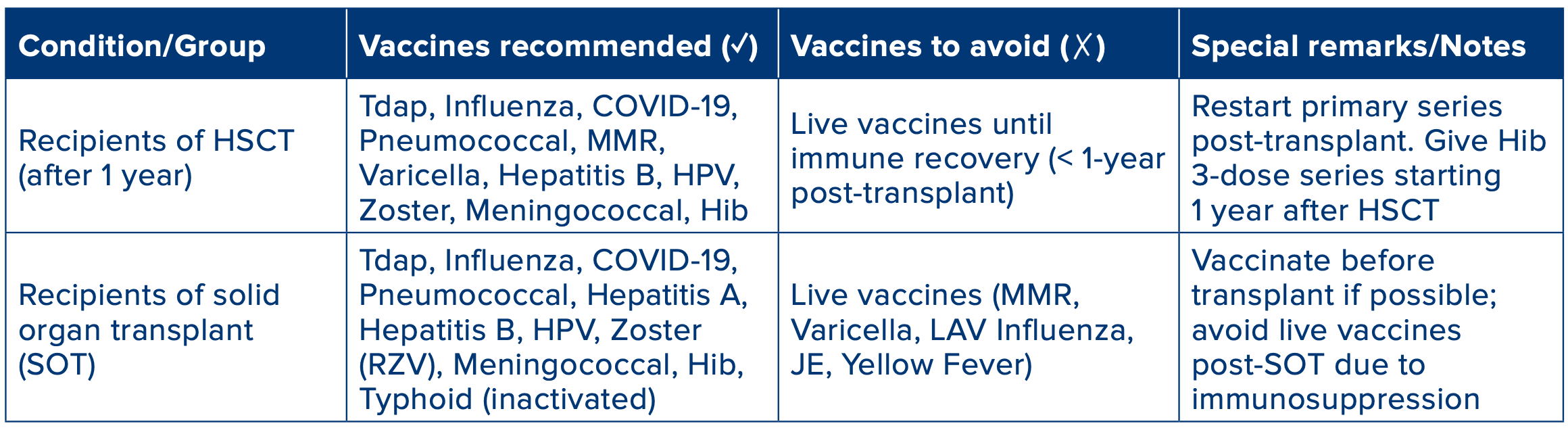
Table 4: Summary of vaccination in different conditions.
Abbreviations: CD4: Cluster of Differentiation 4; CKD: Chronic Kidney Disease; COVID-19: Coronavirus Disease 2019; HCW: Healthcare Workers; Hib: Haemophilus influenzae Type b; HIV: Human Immunodeficiency Virus; HPV: Human Papillomavirus; HSCT: Haematopoietic Stem Cell Transplantation; JE: Japanese Encephalitis; LAV: Live-Attenuated Vaccine; MenB: Meningococcal Serogroup B; MMR: Measles, Mumps, and Rubella; MSM: Men Who Have Sex with Men; PCV: Pneumococcal Conjugate Vaccine; PPSV: Pneumococcal Polysaccharide Vaccine; RSV: Respiratory Syncytial Virus; RZV: Recombinant Zoster Vaccine; SOT: Solid Organ Transplant; Tdap: Tetanus, Diphtheria, and Acellular Pertussis.
Upcoming Vaccines
The upcoming vaccines that are currently in the developmental pipeline are presented in Table 5.
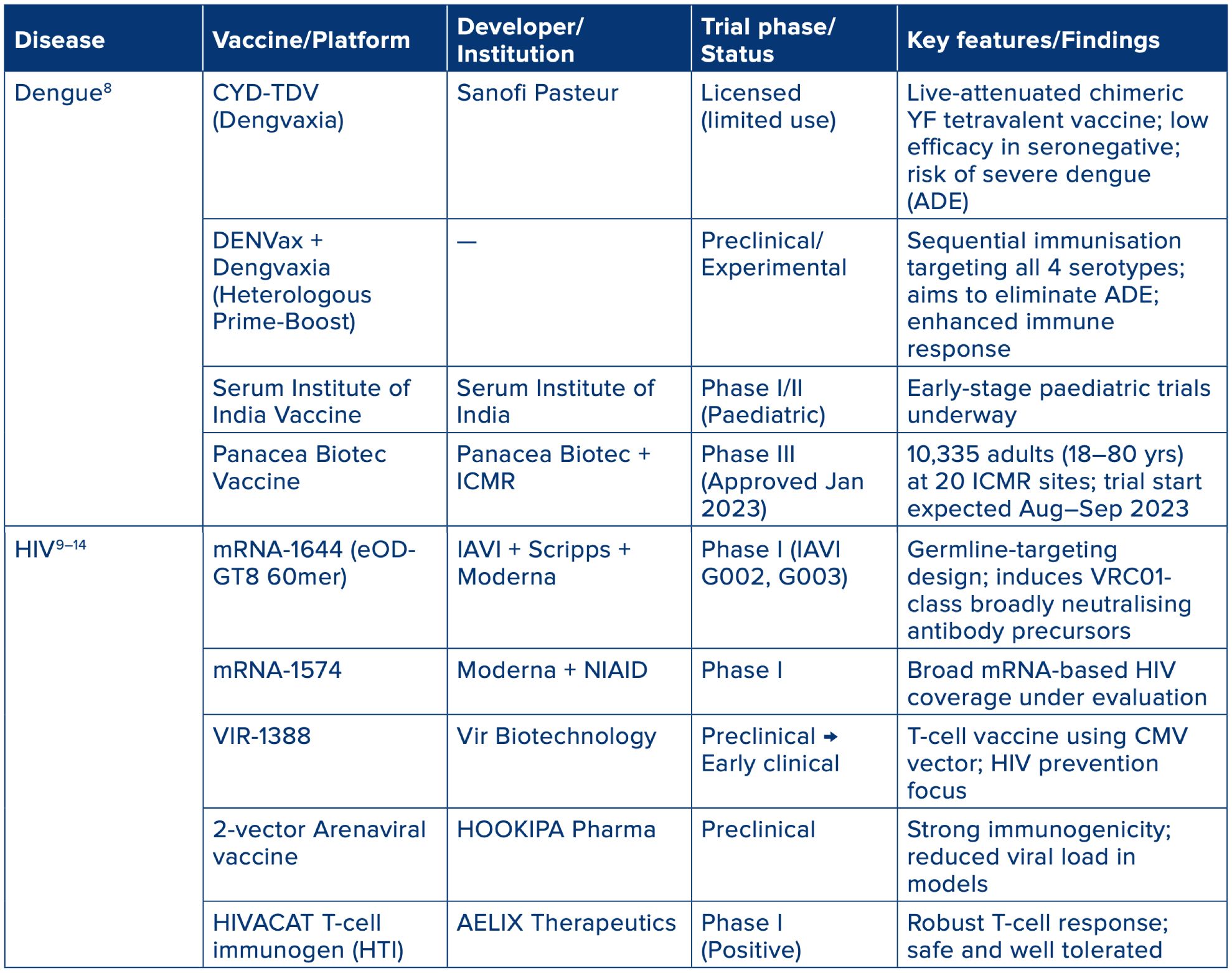
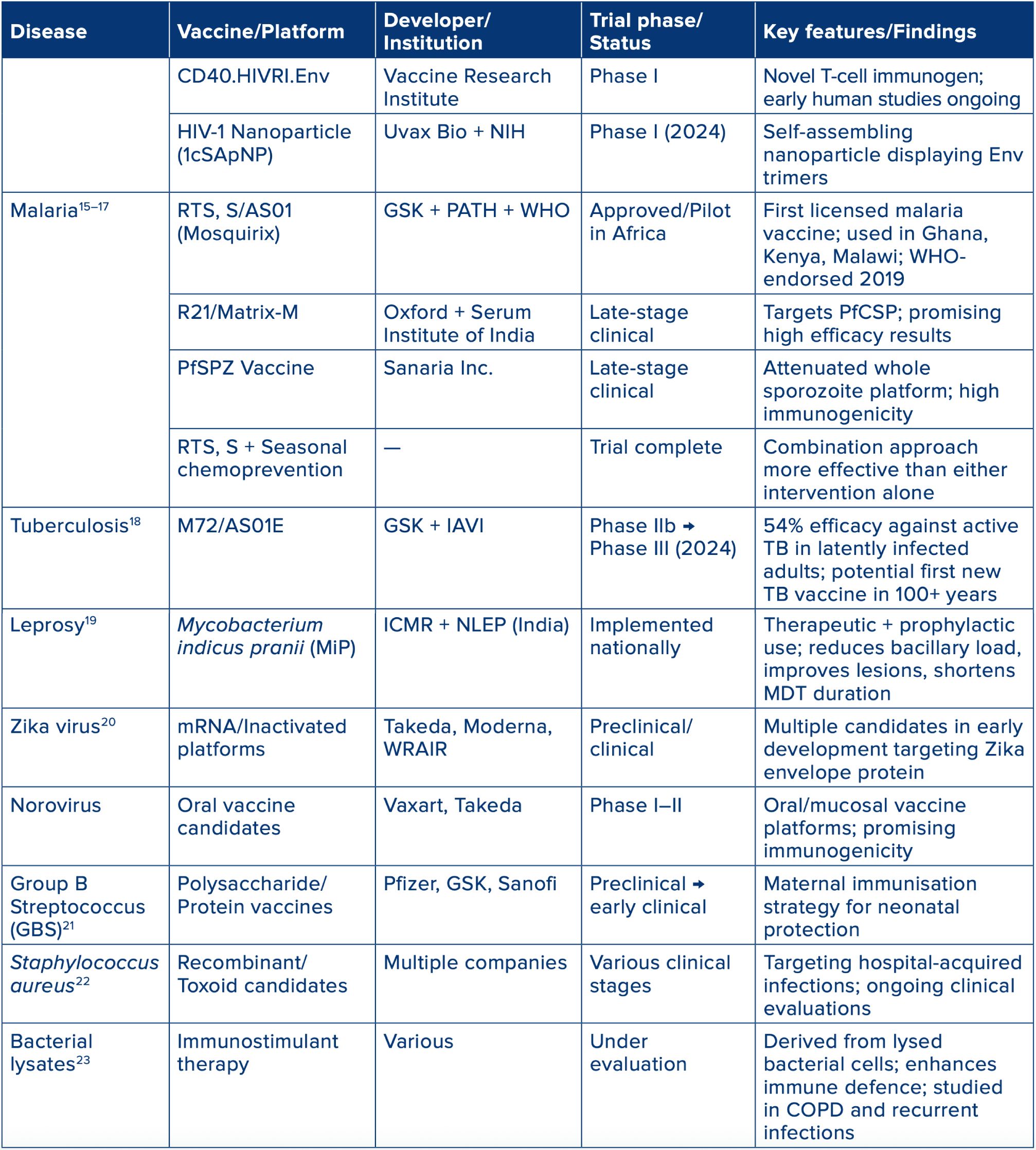
Table 5: Upcoming vaccines.
Abbreviations: ADE: Antibody-Dependent Enhancement; AS01: Adjuvant System 01; AS01E: Adjuvant System 01E; CMV: Cytomegalovirus; COPD: Chronic Obstructive Pulmonary Disease; CYD-TDV: Chimeric Yellow Fever–Dengue Tetravalent Vaccine; DENVax: Dengue Vaccine; eOD-GT8: Engineered Outer Domain Germline-Targeting 8; Env: Envelope (glycoprotein); GBS: Group B Streptococcus; GSK: GlaxoSmithKline; HIV: Human Immunodeficiency Virus; HIVACAT: HIV Antigen Consortium of Catalonia; HTI: HIVACAT T-cell Immunogen; IAVI: International AIDS Vaccine Initiative; ICMR: Indian Council of Medical Research; MDT: Multidrug Therapy; MiP: Mycobacterium indicus pranii; mRNA: Messenger Ribonucleic Acid; NIAID: National Institute of Allergy and Infectious Diseases; NIH: National Institutes of Health; NLEP: National Leprosy Eradication Programme; PATH: Program for Appropriate Technology in Health; PfCSP: Plasmodium falciparum Circumsporozoite Protein; PfSPZ: Plasmodium falciparum Sporozoite; RTS,S: Repeat T-cell Epitope–Sporozoite Protein Vaccine; VRC01: VRC01-class Broadly Neutralising Antibody; WRAIR: Walter Reed Army Institute of Research; WHO: World Health Organisation; YF: Yellow Fever
Conclusion
Adult immunisation represents a crucial yet often neglected pillar of preventive healthcare. As the global population ages and the burden of chronic diseases rises, the need for sustained immune protection across the lifespan has never been more evident. Despite clear recommendations from international authorities such as the CDC, WHO, and the API, adult vaccination coverage in India remains alarmingly low. Major barriers include limited public and physician awareness, fragmented healthcare delivery, and the absence of a unified national adult immunisation program.
The 2025 adult immunisation schedule underscores the importance of vaccines such as influenza, pneumococcal, COVID-19, hepatitis A and B, HPV, zoster, and emerging additions like RSV and monkeypox. These vaccines have proven efficacy in reducing morbidity, hospitalisation, and mortality, particularly among older adults and high-risk groups. To achieve meaningful progress, India must adopt a life-course immunisation strategy — integrating adult vaccination into routine healthcare, chronic disease management, and occupational health programs.
A concerted effort involving policymakers, healthcare professionals, and the public is essential to bridge knowledge gaps, strengthen infrastructure, and ensure equitable vaccine access. Promoting adult immunisation is not merely a public health goal but a moral imperative toward building a healthier, more resilient society.
Aryan Arora, Monica Mahajan. Towards Universal Adult
Immunisation: Review of the 2026 Global and Indian Schedules. MMJ. 2026, March. Vol 3 (1).
References
- Dash R, Agrawal A, Nagvekar V, et al. Towards adult vaccination in India: a narrative literature review. Hum Vaccines Immunother. 2020;16(4):991–1001.
- Lahariya C, Bhardwaj P. Adult vaccination in India: status and the way forward. Hum Vaccines Immunother. 2020;16(7):1508–10.
- Rizvi AA, Singh A. Vaccination coverage among older adults: a population-based study in India. Bull World Health Organ. 2022;100(6):375–84.
- Indian Consensus Guideline on Adult Immunization. API [Internet]. Available at: https://apiindia.org. Accessed on: 10th November 2025.
- Dhawan AM, Desai A, Gvalani A, et al. A comprehensive review of the latest Indian guidelines on adult immunization. Int J Community Med Public Health. 2025;12(2):1159–65.
- CDC. Vaccines & Immunizations. 2025. Adult Immunization Schedule by Age (Addendum updated August 7, 2025). Available at: https://www.cdc.gov/vaccines/hcp/imz-schedules/adult-age.html. Accessed on: 10th November 2025.
- Table 1 Summary of WHO Position Papers - Recommendations for Routine Immunization [Internet]. Available at: https://www.who.int/publications/m/item/table1-summary-of-who-position-papersrecommendations-for-routine-immunization. Accessed on: 10th November 2025.
- Torres-Flores JM, Reyes-Sandoval A, Salazar MI. Dengue Vaccines: An Update. Biodrugs. 2022;36(3):325–36.
- Leggat DJ, Cohen KW, Willis JR, et al. Vaccination induces HIV broadly neutralizing antibody precursors in humans. Science. 2022;378(6623):eadd6502.
- National Institute of Allergy and Infectious Diseases (NIAID). A Phase 1, Randomized, Open-label Clinical Trial to Evaluate the Safety and Immunogenicity of BG505 MD39.3, BG505 MD39.3 gp151, and BG505 MD39.3 gp151 CD4KO HIV Trimer mRNA Vaccines in Healthy, HIV-uninfected Adult Participants [Internet]. clinicaltrials.gov; 2025 Sept. Report No.: NCT05217641. Available at: https://clinicaltrials.gov/study/NCT05217641. Accessed on: 10th November 2025.
- International AIDS Vaccine Initiative. A Phase 1 Study to Evaluate the Safety and Immunogenicity of eOD-GT8 60mer mRNA Vaccine (mRNA-1644) in HIV-1 Uninfected Adults in Good General Health [Internet]. clinicaltrials.gov; 2023 Mar. Report No.: NCT05414786. Available at: https://clinicaltrials. gov/study/NCT05414786. Accessed on: 10th November 2025.
- Bailón L, Moltó J, Curran A, et al. Safety, immunogenicity and effect on viral rebound of HTI vaccines combined with a TLR7 agonist in early-treated HIV-1 infection: a randomized, placebo-controlled phase 2a trial. Nat Commun. 2025;16(1):2146.
- ANRS, Emerging Infectious Diseases. A Phase I Multicenter Double-blind Placebo Controlled Dose Escalation Trial of an Adjuvanted Anti-CD40 mAb Fused to Env GP140 HIV Clade C ZM-96 (CD40.HIVRI.Env) Vaccine Combined or Not With a DNA-HIV-PT123 HIV-1 Vaccine in Healthy Participants [Internet]. clinicaltrials.gov; 2024 Dec. Report No.: NCT04842682. Available at: https://clinicaltrials.gov/study/NCT04842682. Accessed on: 10th November 2025.
- Zhang YN, Paynter J, Antanasijevic A, et al. Single-component multilayered self-assembling protein nanoparticles presenting glycan-trimmed uncleaved prefusion optimized envelope trimers as HIV-1 vaccine candidates. Nat Commun. 2023;14(1):1985.
- Draper SJ, Angov E, Horii T, et al. Recent advances in recombinant protein-based malaria vaccines. Vaccine. 2015;33(52):7433–43.
- Parums DV. Editorial: Current Status of Two Adjuvanted Malaria Vaccines and the World Health Organization (WHO) Strategy to Eradicate Malaria by 2030. Med Sci Monit Int Med J Exp Clin Res. 2023;29:e939357.
- RTS,S Clinical Trials Partnership. Efficacy and safety of RTS,S/AS01 malaria vaccine with or without a booster dose in infants and children in Africa: final results of a phase 3, individually randomised, controlled trial. Lancet. 2015;386(9988):31–45.
- Meeren OVD, Hatherill M, Nduba V, et al. Phase 2b Controlled Trial of M72/AS01E Vaccine to Prevent Tuberculosis. N Engl J Med. 2018;379(17):1621–34.
- Rao PN, Suneetha S. Current Situation of Leprosy in India and its Future Implications. Indian Dermatol Online J. 2018;9(2):83–9.
- Zika Virus Vaccines. NIAID: National Institute of Allergy and Infectious Diseases [Internet]. 2018. Available at: https://www.niaid.nih.gov/diseases-conditions/zika-vaccines. Accessed on: 10th November 2025.
- Carreras-Abad C, Ramkhelawon L, Heath PT, et al. A Vaccine Against Group B Streptococcus: Recent Advances. Infect Drug Resist. 2020;13:1263–72.
- Clegg J, Soldaini E, McLoughlin RM, et al. Staphylococcus aureus Vaccine Research and Development: The Past, Present and Future, Including Novel Therapeutic Strategies. Front Immunol. 2021;12:705360.
- Suárez N, Ferrara F, Rial A, et al. Bacterial Lysates as Immunotherapies for Respiratory Infections: Methods of Preparation. Front Bioeng Biotechnol. 2020;8:545.