 WhatsApp Us (24/7)
 +91 926 888 0303 (24/7)


Abstract:
Burkholderia pseudomallei is a saprophytic Gram-negative organism and facultative intracellular bacterium found in soil and water, and is responsible for causing melioidosis. It has the ability to imitate various diseases such as tuberculosis, pneumonia, and other pyogenic infections, which frequently result in misdiagnosis and improper treatment. In India, it has been previously misdiagnosed as tuberculosis and Pseudomonas infection, which may account for underreporting in the country. A 48-year-old female patient with type 2 diabetes mellitus and a past history of left breast carcinoma, operated on 2 years ago, presented with a history of high-grade fever with chills, along with a runny nose, dry cough, and generalised weakness for the last 4 days. She also complained of throat pain and noticed a swelling over the right side of her neck. Culture was suggestive of Burkholderia pseudomallei species, which was sensitive to cephalosporins and doxycycline, and she was immediately started on intravenous (IV) Zavicefta (IV ceftazidime) and oral doxycycline, along with antipyretics and supportive treatment. After 10 days, as she was haemodynamically stable, she was discharged with oral antibiotics for a further 2 weeks. Uncontrolled diabetes mellitus is a known predisposing factor for severe or atypical infections, which makes this case relevant to clinicians. This case highlights an unusual pathogen in a high-risk host, and its occurrence in deep neck infections is uncommon. This case was reported because it represents an uncommon presentation of Burkholderia infection in a patient with uncontrolled diabetes, which is commonly underreported in our country.
Key words: Burkholderia pseudomallei, Gram-Negative Organism, Ultrasonography (USG) Neck, Great Mimicker, Ceftazidime, Doxycycline.
Introduction
Burkholderia pseudomallei is a saprophytic Gram-negative organism and facultative intracellular bacterium found in soil and water, and is responsible for causing melioidosis. The primary modes of transmission include percutaneous inoculation, inhalation, and ingestion. Additionally, rare cases of transmission have been documented through breast milk, as well as sexual and vertical (mother-to-child) routes. Around 25%–40% of patients present with localised infections such as cutaneous and soft tissue abscesses, suppurative lymphadenitis, salivary gland abscesses, joint involvement, pyomyositis, prostatic abscesses, and visceral organ abscesses involving the liver and spleen. These localised infections can sometimes rapidly advance to disseminated disease. 1 In severe instances, the disease may progress to a rapidly worsening multiple organ condition, potentially leading to death. 2 Cervical lymphadenopathy accounts for approximately 40% of localised melioidosis cases globally. Notably, in India, there have been multiple reports of melioidosis both mimicking and coexisting with tubercular cold abscesses. 1 Although B. pseudomallei is mainly endemic in regions of South-East Asia and northern Australia, diabetes mellitus stands out as the primary risk factor for developing melioidosis. 3 Type 2 diabetes mellitus (T2DM) is present in approximately 39% of individuals diagnosed with melioidosis, with diabetic patients facing a 13-fold increased risk of infection compared to non-diabetics. 4 Additional predisposing conditions include chronic kidney and lung diseases, liver disorders, malignancies, and heavy alcohol consumption. However, around 20% of adult cases occur in individuals without identifiable risk factors. Human-to-human transmission is uncommon, with most infections resulting from environmental exposure. The incidence of melioidosis is seasonal, rising notably during the rainy season. The incubation period typically ranges from 1 to 21 days, although cases with latency extending for decades have been documented. 3 An environmental bacterium acts as an opportunistic pathogen in humans and tends to cause more severe disease in those with compromised immune systems. 4
Burkholderia species are classified as non-fermenting Gram-negative bacilli and are sometimes mistakenly identified as Pseudomonas, which may account for underreporting in regions like India. It is observed especially in pneumonia, which is the most frequently reported form. Although once thought to be endemic only to Australia and parts of South Asia, such as Sri Lanka and Bangladesh, cases have been increasingly reported across Indian states, including Karnataka, Kerala, Maharashtra, Tamil Nadu, and Puducherry, particularly during the monsoon season and among rice field workers. 5
Climate change — through increased rainfall, extreme weather events, and rising soil salinity and anthrosols — may contribute to the broader geographic spread and rising incidence of B. pseudomallei. The World Health Organization (WHO) South-East Asia Region accounts for over 60% of the estimated global disease burden, with India bearing the highest share, estimated at 1.6 million disability-adjusted life years (DAL Ys). Notably, over 80% of affected individuals have diabetes mellitus, a figure higher than global averages, likely reflecting the growing diabetes epidemic in India. 6
Case Report
A 48-year-old female patient presented with a background history of T2DM for 5 years, on regular medication, and a history of left breast carcinoma, which was operated on 2 years ago, followed by radiotherapy (20 cycles) and chemotherapy. She is currently on tamoxifen 20 mg once daily, along with oral hypoglycaemic agents. She presented with a history of high-grade fever with chills, along with a runny nose, dry cough, and generalised weakness for one week. There were no associated symptoms of headache, neck pain, abdominal pain, loose stools, or vomiting. Her symptoms persisted despite antibiotics prescribed by a local physician. She started complaining of throat pain as well and then noticed a swelling on the right side of her neck. There was no history of any recent travel.
She presented to the hospital on the tenth day. On presentation, she was febrile with a temperature of 102 °F, pulse rate of 124/min, blood pressure of 100/60 mmHg, respiratory rate of 20/min, and oxygen saturation of 98% on room air. Respiratory system examination revealed pharyngitis with normal breath sounds and no added sounds. Other systemic examinations were unremarkable. On examination of her neck, there was a swelling of around 3 × 2 × 3 cm in the posterior triangle on the right side, consistent with a single, enlarged, non-matted, mobile, tender lymph node. On further evaluation by sonography of the neck, a hypoechoic lesion with peripheral vascularity measuring 3.1 × 1.4 × 2.9 cm (volume: 6.9 cc) was identified at the junction of the posterior triangle and the right supraclavicular region. Fine- needle aspiration cytology (FNAC) was performed, and a few millilitres of pus were aspirated. GeneXpert was negative, acid-fast bacilli (AFB) were not seen, and fungal elements were absent. Culture was suggestive of B. pseudomallei species, which was sensitive to cephalosporins and doxycycline. B. pseudomallei species was identified on Gram stain (Figure 1) and on MacConkey agar (Figure 2).
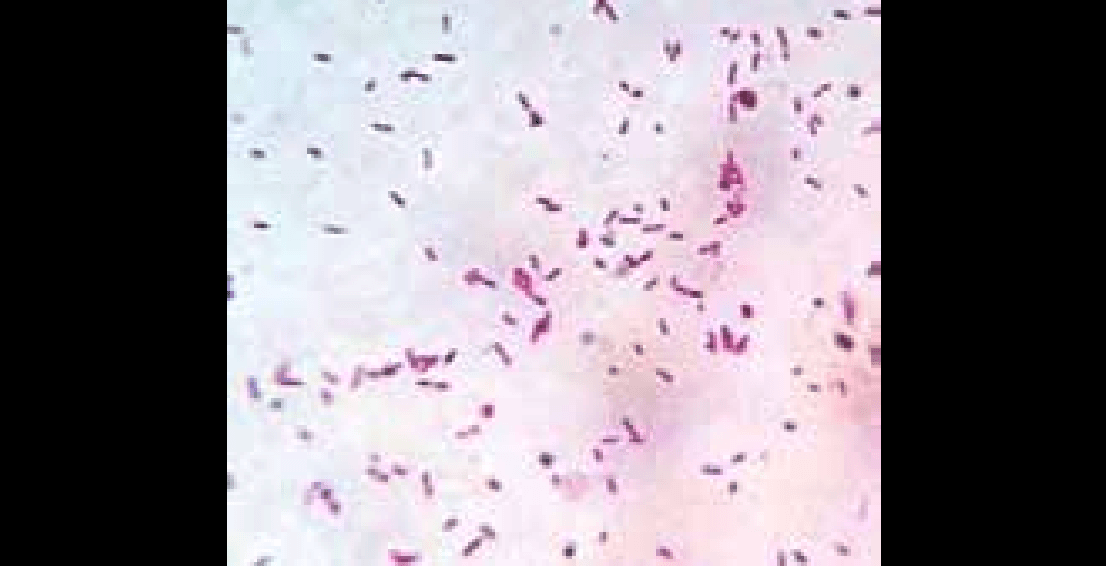
Figure 1: Burkholderia pseudomallei on Gram stain
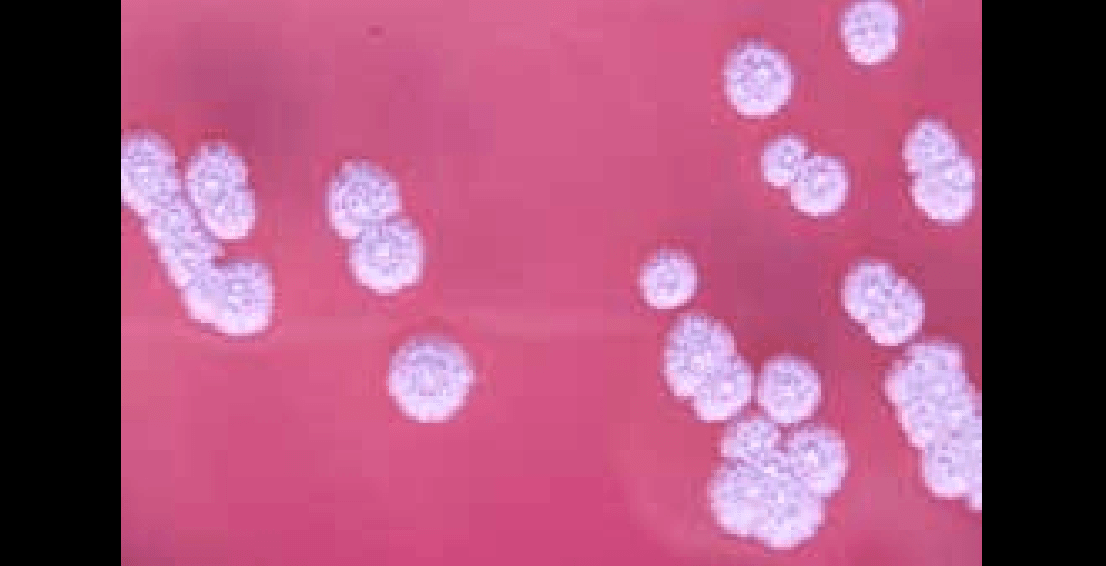
Figure 2: Burkholderia pseudomallei on MacConkey agar
Laboratory findings included: fasting blood glucose: 264 mg/dL; postprandial blood glucose: 312 mg/dL; haemoglobin: 14.5 g/dL (normal range: 13–17 g/dL); haematocrit: 38.2% (40%–50%); white blood cell (WBC) count: 14,890/μL (4,000–10,000/μL); platelet count: 112 × 10³/μL (150–400 × 10³/μL); procalcitonin: 4.45 ng/mL (normal up to 0.05 ng/mL); serum glutamic oxaloacetic transaminase (SGOT): 69 U/L (normal range: 0–40 U/L); serum glutamic pyruvic transaminase (SGPT): 80 U/L (normal range: 0–40 U/L); bilirubin: 0.49 mg/dL (< 1.2 mg/dL); gamma-glutamyl transferase (GGT): 43.4 U/L (normal range: 0–60 U/L); alkaline phosphatase: 104 U/L (normal range: 40–129 U/L); creatinine: 1.8 mg/dL (0.7–1.3 mg/dL); electrolytes: 134/4.1/103. Tropical fever panel (polymerase chain reaction [PCR], blood) was negative, urine routine was normal, chest X-ray was normal, and electrocardiogram (ECG) showed normal sinus rhythm.
The patient was immediately started on intravenous (IV) Zavicefta (IV ceftazidime–avibactam, 2.5 g three times daily) and oral doxycycline 100 mg twice daily, along with antipyretics and supportive treatment. The patient was immediately started on oral hypoglycaemic agents along with insulin, and her blood glucose levels were controlled. Her symptoms started improving gradually. After a few days, her vitals were haemodynamically stable, and she was discharged with oral antibiotics for a further 2 weeks. On follow-up in the outpatient department, she was stable with no signs of infection.
Discussion
Melioidosis is often referred to as the 'great mimicker' due to its ability to imitate diseases such as tuberculosis, pneumonia, and other pyogenic infections, which frequently result in misdiagnosis and improper treatment. Even with suitable therapy, the mortality rate in severe cases ranges between 10% and 50%, highlighting the urgent necessity for prompt and precise diagnosis along with effective management. 7 Diabetes alters key immune mechanisms essential for combating infections, including impairments in leukocyte and neutrophil function, suppression of macrophages and monocytes, and dysfunction of natural killer cells. These immune deficiencies lead to delayed activation and recruitment of immune cells needed to eliminate B. pseudomallei, allowing the pathogen to persist and adapt more easily in individuals with compromised immunity due to diabetes. 4
B. pseudomallei closely resembles Pseudomonas species — common laboratory contaminants — which often leads to misidentification in microbiology labs. Due to the relatively low sensitivity of blood and tissue cultures (around 60%), approximately 40% of cases may be initially missed. Delayed diagnosis and difficulties in accurately identifying B. pseudomallei in the laboratory contribute significantly to the high mortality associated with melioidosis. In cases of acute bacteraemic melioidosis, the infection can disseminate through the bloodstream, causing abscesses in multiple organs, which can be detected using imaging techniques such as ultrasound or computed tomography (CT) scans. 8 Despite this, the culture of blood, pus, or other body fluids remains the gold standard for confirming the diagnosis due to its high sensitivity. 2
B. pseudomallei exhibits innate resistance to various antibiotic classes, such as aminoglycosides, rifamycins, penicillins, cephalosporins, and cationic peptides. The intensive phase of treatment typically involves IV administration of ceftazidime or a carbapenem for 10 to 14 days. This is followed by an eradication phase using oral trimethoprim–sulfamethoxazole for a minimum duration of three months, which may also be employed as a preventive measure. 3
Conclusion
The cases that have been reported in India are sporadic and inconsistent, as there is limited awareness about the presentation and diagnosis among clinicians, as well as a scarcity of appropriate laboratory support. There are numerous reasons for the underdiagnosis of melioidosis.8 As it can mimic other conditions, it is commonly misdiagnosed. There is an increase in the prevalence of Burkholderia infection, suggesting its possible rise as a major public health issue, further intensified by the rising rates of diabetes, which could contribute to a greater overall disease burden.
Nitin Rathod, Andrea Janice Fonseca, Snehal Sadanandan, Priyal Shah. Uncommon Presentation of Cervical Abscess causing Melioidosis due to Burkholderia pseudomallei Infection in a Patient with Uncontrolled Diabetes Mellitus: A Case Report. MMJ. 2026, June. Vol 3 (2).
DOI: XXXX_XXXX_XXXX_XXXX
References
- Purushotham P, Mohanty S, Chappity P, et al. Identification and Characterization of Burkholderia pseudomallei from Localized Pyogenic Infections in Eastern India: A Clinico-Microbiological Study. Am J Trop Med Hyg. 2021;104(4):1252–
- Deb S, Singh M, Choudhary J, et al . A Rare Case of a Knee Septic Arthritis by Burkholderia pseudomallei : A Case Report from a Tertiary Care Hospital of Andaman and Nicobar Island. J Orthop Case Rep. 2021;11(9):20–
- Phillips ED, Garcia EC. Burkholderia pseudomallei. Trends Microbiol. 2024;32(1):105–
- Uthaya Kumar A, Ahmad Zan M, Ng CL, et al. Diabetes and Infectious Diseases with a Focus on Melioidosis. Curr Microbiol. 2024;81(7):208.
- Kumari S, Banu M, Ramanatha K, et al. Are Burkholderia Emerging Pathogens in patients with underlying morbidity: A case series. Heliyon. 2024;10(12):e33283.
- Birnie E, Biemond JJ, Wiersinga WJ. Drivers of melioidosis endemicity: epidemiological transition, zoonosis, and climate change. Curr Opin Infect Dis. 2022;35(3):196–204
- Vijayakumar D, Vikraman H, Baby P, et al . Clinical and Microbiological Profile of Melioidosis in a Tertiary Care Hospital in Kerala, India. Am J Trop Med Hyg. 2025;112(4):849–
- Mohapatra PR, Mishra B. Burden of melioidosis in India and South Asia: Challenges and ways forward. Lancet Reg Health Southeast Asia. 2022;2:100004.