 WhatsApp Us (24/7)
 +91 926 888 0303 (24/7)


Abstract:
Extreme obesity in youth causes serious metabolic, functional, and psychosocial problems that calorie- based diets alone often do not fully address. Chrono-nutrition, which aligns food intake with circadian rhythms, improves metabolic efficiency and diet adherence. We report the case of a 19-year-old man with extreme obesity (body mass index [BMI] 60.4 kg/m²) and prediabetes. The patient had a history of psychiatric illness and restrictive dieting, contributing to weight gain. A personalised chrono-nutrition- based dietary intervention was combined with oral semaglutide therapy. Over a period of 6 months, the patient achieved a weight reduction of 35 kg, with improved glycaemic parameters, lipid levels, body measurements, physical function, and mental health. This case suggests that chrono-nutrition may be a feasible, tolerable, and sustainable adjunct to medication for managing extreme obesity in young adults.
Key words: Extreme Obesity, Chrono-Nutrition, Time-Restricted Eating, Oral Semaglutide, Y oung Adults, Prediabetes.
Introduction
Obesity among Indian adolescents and young adults is rising, leading to risks like insulin resistance, dyslipidaemia, type 2 diabetes, and cardiovascular disease. 1 Managing extreme obesity is challenging because lifestyle interventions often fail due to metabolic adaptation, poor tolerance, and psychological burden.
Chrono-nutrition emphasises the timing and distribution of food intake in synchrony with circadian rhythms, thereby optimising glucose metabolism, insulin sensitivity, and energy utilisation. 2 Emerging evidence suggests that meal timing may influence metabolic outcomes independent of calorie intake. 3 However, clinical reports integrating chrono-nutrition into obesity management, particularly in young adults with extreme obesity, remain limited. 4 This case demonstrates that chrono-nutrition can serve as a central therapeutic framework for managing extreme obesity, particularly when combined with pharmacotherapy.
Case Report
A 19-year-old male presented in April 2025 for nutritional management of severe obesity. His height was 181 cm, and his body weight was 198 kg, corresponding to a body mass index (BMI) of 60.4 kg/m². He reported persistent fatigue, limited mobility, difficulty walking long distances, and significant social withdrawal.
Weight gain began in late adolescence after psychiatric treatment, with decreased activity and irregular eating. In 2020, the patient attempted rapid weight loss via extreme calorie restriction (700–800 kcal/day), losing 22 kg temporarily, followed by weight regain over subsequent years. There was no history of bariatric surgery, and the family history was non-contributory.
Dietary assessment revealed irregular meal timings, frequent late-evening eating, high intake of refined carbohydrates and sugar-sweetened beverages, and frequent consumption of fast food. Physical activity was absent. Baseline clinical and biochemical parameters are summarised in Table 1.
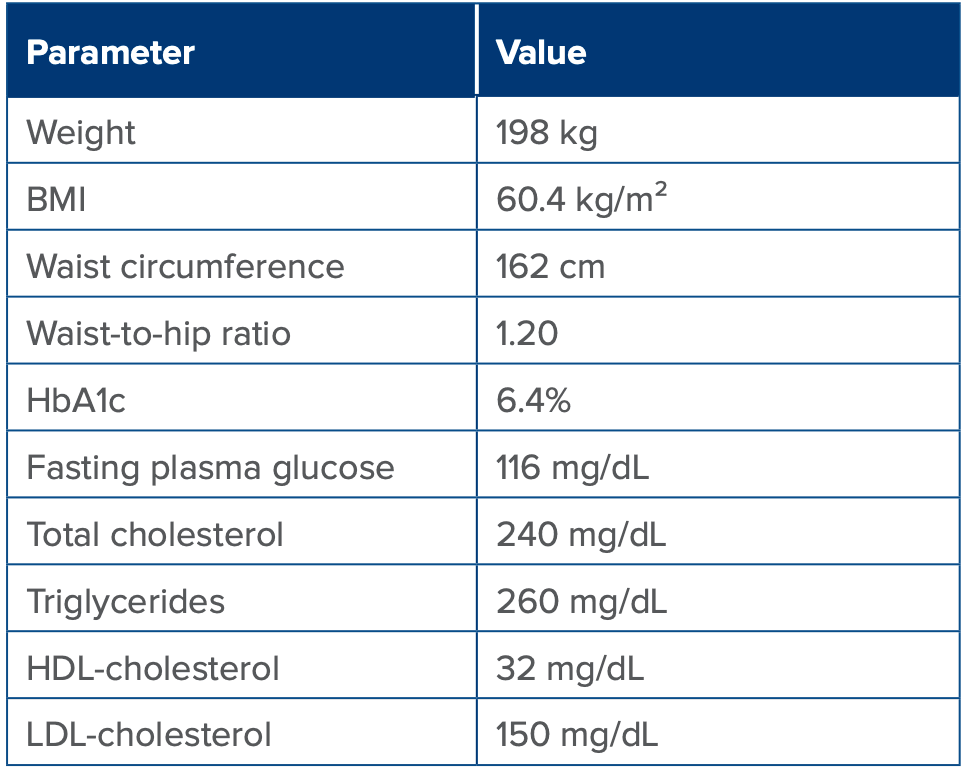
Table 1: Baseline clinical and laboratory parameters. Abbreviations: BMI: Body Mass Index; HbA1c: Glycated Haemoglobin; HDL: High-Density Lipoprotein; LDL: Low-Density Lipoprotein.
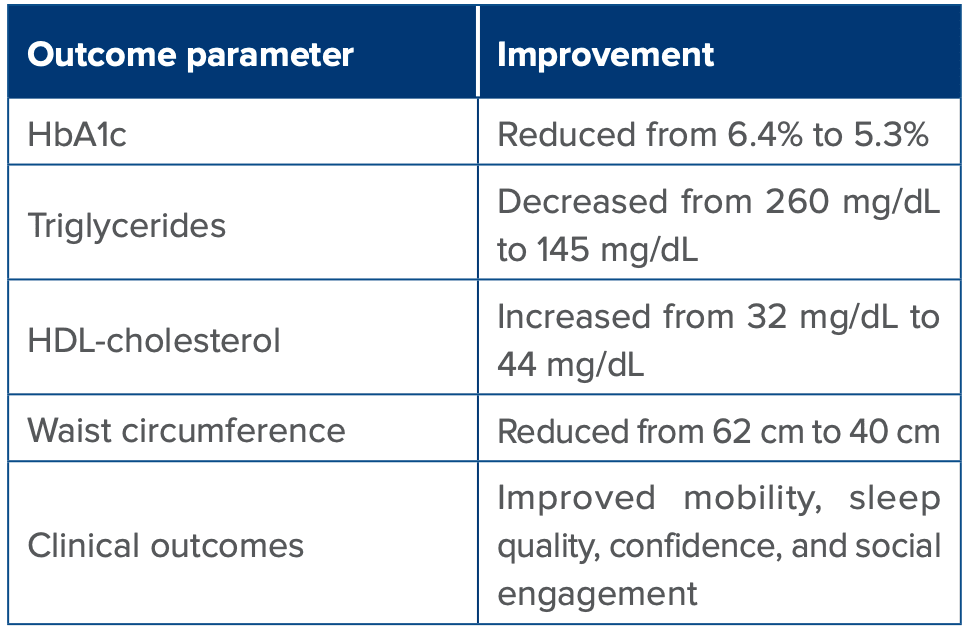
Table 2: Improvement in clinical and biochemical parameters post-intervention. Abbreviations: HbA1c: Glycated Haemoglobin; HDL: HighDensity Lipoprotein.
Intervention
Pharmacological support: Oral semaglutide was initiated at 3 mg once daily and gradually titrated to 14 mg/day over eight weeks. The patient experienced mild to moderate nausea during dose escalation, particularly in the first 2–3 days following dose increases.
Chrono-nutrition-led dietary strategy: The intervention focused on meal timing, distribution, and gastrointestinal tolerance rather than strict macronutrient targets, in line with Indian Recommended Dietary Allowance (RDA) guidelines. With an estimated basal metabolic rate of ~2650 kcal/day, energy intake was gradually reduced from 2000 to 1700 kcal/day and maintained to support metabolic stability and avoid rebound restriction. Irregular meal patterns, including latenight eating and skipping meals, were associated with increased nausea and reduced intake, likely influenced by semaglutide-induced gastric slowing. A structured 10-hour eating window with earlier dinner timing was introduced. During dose escalation, meals were kept small, low in fat, and easily digestible, improving tolerance, adherence, and overall dietary compliance.
Macronutrient distribution (Prescribed vs actual intake): In April–May, actual energy intake was lower than prescribed, with greater variability in carbohydrate and protein intake, indicating inconsistent adherence. During June–July, total energy intake remained slightly below the prescribed 1800 kcal, but macronutrient distribution became more stable, particularly with improved protein intake (20%–30%).
By August–October, actual intake closely matched the prescribed targets (Figure 1), with macronutrient distribution aligning at approximately 45% carbohydrate, 30% protein, and 25% fat. Overall, Figure 2 illustrates progressive dietary stabilisation and improved adherence across the intervention period.
Physical activity: The patient began with 20 minutes of daily walking, gradually increasing to 45 minutes per day by the fifth month. Light resistance exercises were introduced four days a week to support functional capacity.
Outcomes
Over six months, body weight reduced from 198 kg to 163 kg (−35 kg; 17.7% reduction). Weight loss was most pronounced during the first three months and became more gradual thereafter (Figure 3). Improvements in clinical and biochemical parameters are detailed in Table 2.
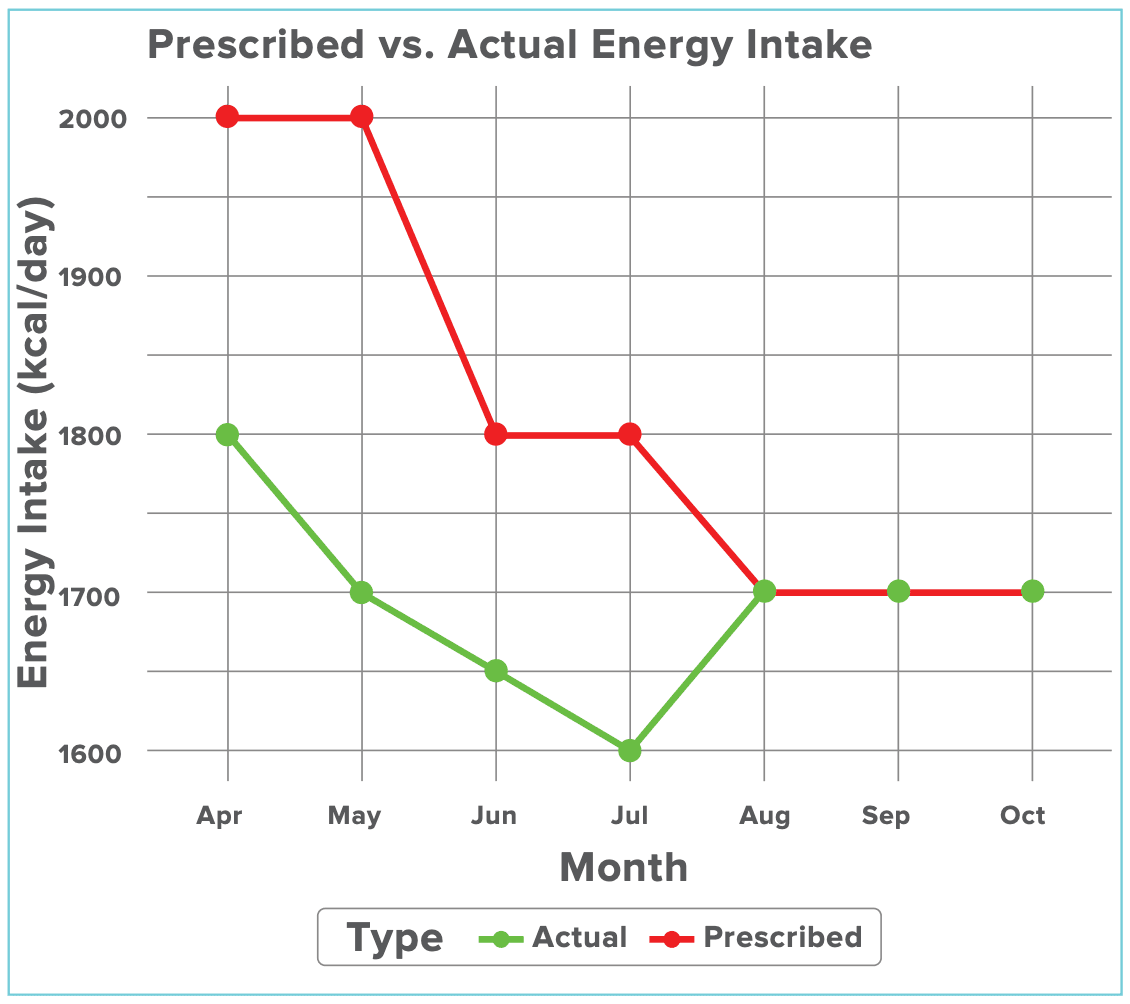
Figure 1: Adherence to calorie prescription over time.
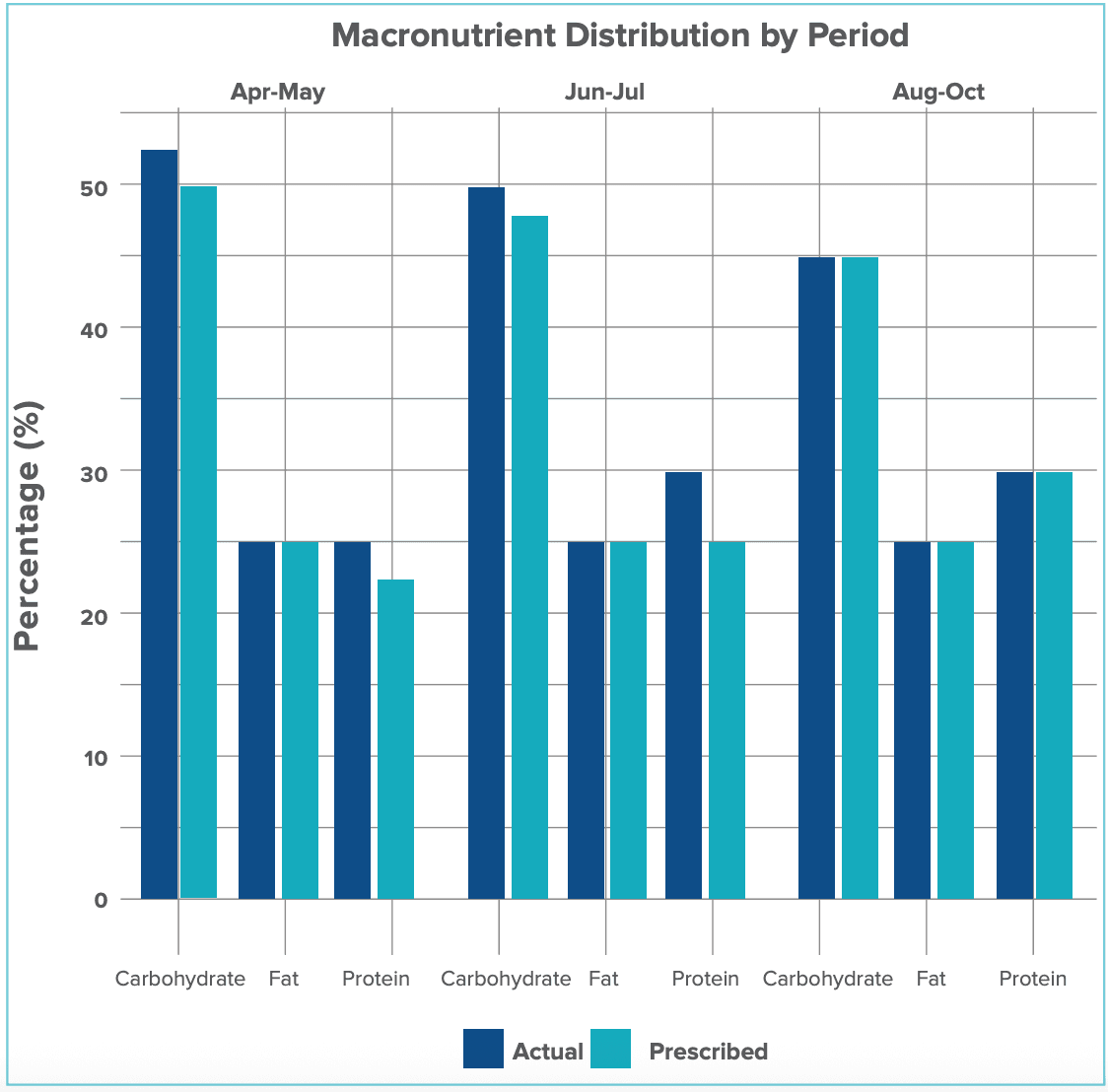
Figure 2: Prescribed vs. actual macronutrient distribution over time.
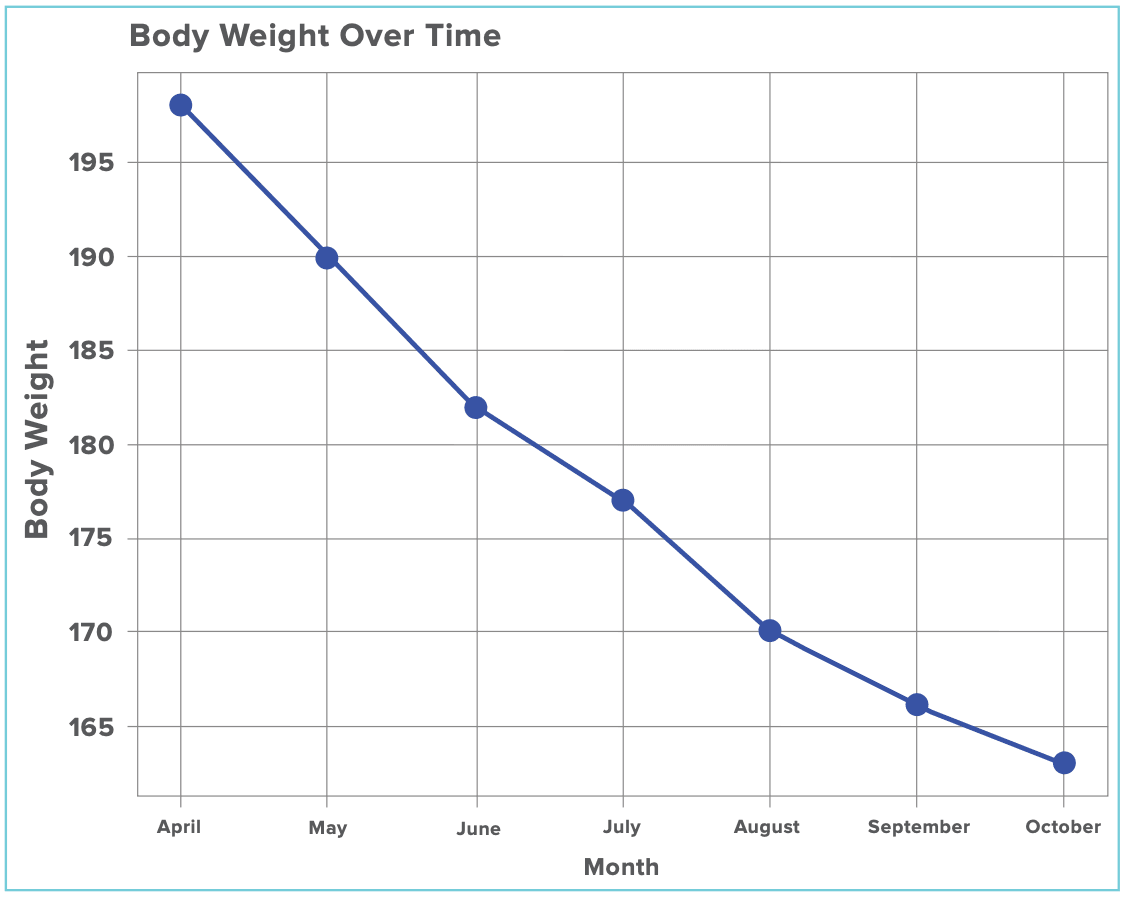
Figure 3: Progressive reduction in body weight over a 6-month follow-up period.
Discussion
Glucagon-like peptide-1 (GLP-1) receptor agonists support appetite suppression; however, sustained weight loss depends largely on dietary tolerance and adherence. In this case, focusing on meal timing, food quality, and individual tolerance — rather than strict dietary restriction — resulted in significant weight loss and metabolic improvement. Chrono-nutrition may have enhanced metabolic efficiency by aligning carbohydrate intake with periods of higher insulin sensitivity and reducing late-evening caloric intake. Evidence suggests that earlier energy consumption improves glycaemic control and supports weight loss, independent of calorie restriction. 5 Importantly, this approach avoided extreme dietary restriction, preventing prior patterns of weight regain.
Conclusion
This case highlights chrono-nutrition as a practical, patient-centred strategy for managing severe obesity. Individualised macronutrient planning, combined with structured meal timing, supported metabolic adaptation and improved energy levels. Overall, this approach achieved meaningful clinical improvements and may serve as an effective adjunct to pharmacotherapy, particularly in settings where long-term adherence to conventional diets is challenging.
Purva Singh, Swati Waghdhare, Chahat Arora, Vinita Jha. Integrating Chrono-Nutrition
with Oral Semaglutide Therapy in the Management of Extreme Obesity: A Case Report. MMJ. 2026, June. Vol 3 (2).
References
- Love KM, Jahn LA, Hartline LM, et al. Impact of Free Fatty Acids on Vascular Insulin Responses Across the Arterial Tree: A Randomized Crossover Study. J Clin Endocrinol Metab. 2024;109(4):1041–50.
- Rodrigues J, Magalhães V, Santos MP, et al. Weight loss in patients with severe obesity after bariatric surgery-the potential role of the chrono-nutrition, chronotype and the circadian misalignment: A study protocol of the ChronoWise prospective cohort. PLoS One. 2024;19(11):e0313096.
- Mentzelou M, Papadopoulou SK, Psara E, et al. Chrononutrition in the Prevention and Management of Metabolic Disorders: A Literature Review. Nutrients. 2024;16(5):722.
- Katsi V, Papakonstantinou IP, Soulaidopoulos S, et al. Chrononutrition in Cardiometabolic Health. J Clin Med. 2022;11(2):296.
- Morris CJ, Purvis TE, Mistretta J, et al. Effects of the Internal Circadian System and Circadian Misalignment on Glucose Tolerance in Chronic Shift Workers. J Clin Endocrinol Metab. 2016;101(3):1066–74. Original Articles