 WhatsApp Us (24/7)
 +91 926 888 0303 (24/7)


Abstract:
Drug Reaction with Eosinophilia and Systemic Symptoms (DRESS) syndrome is a rare, severe, and potentially fatal delayed hypersensitivity reaction to drugs, most commonly anticonvulsants such as phenytoin. It typically manifests 2–8 weeks after drug exposure with fever, rash, lymphadenopathy, haematological abnormalities including eosinophilia, and multi-organ involvement, particularly hepatic dysfunction. We report the case of a 22-year-old male who developed DRESS syndrome following phenytoin therapy for seizures, presenting with high-grade fever, generalised maculopapular rash, lymphadenopathy, leucocytosis, and severe liver involvement. Early recognition, prompt withdrawal of the offending drug, and initiation of systemic corticosteroids resulted in gradual clinical and biochemical improvement. This case highlights the importance of early suspicion of DRESS syndrome in patients presenting with fever and rash after initiation of high-risk drugs, emphasising timely diagnosis and management to reduce morbidity and mortality.
Key words: Drug Reaction with Eosinophilia and Systemic Symptoms Syndrome, Phenytoin, Drug Hypersensitivity, Anticonvulsants, Eosinophilia, Liver Involvement, Adverse Drug Reaction, Corticosteroids.
Introduction
Drug Reaction with Eosinophilia and Systemic Symptoms (DRESS) syndrome is a severe idiosyncratic drug reaction characterised by delayed onset and multi-system involvement.¹ Anticonvulsants such as phenytoin, carbamazepine, and lamotrigine are among the most commonly implicated drugs. 2 The clinical presentation often mimics infections, autoimmune diseases, or malignancy, leading to diagnostic delay. 3 Mortality is reported up to 10%, mainly due to hepatic failure. 3 Early diagnosis and prompt withdrawal of the offending drug are essential to reduce morbidity and mortality. The pathogenesis is complex and not fully understood, involving a combination of drugspecific immune responses, detoxification defects, and viral reactivation. 4,5 Management primarily involves immediate discontinuation of the causative drug and supportive care, with systemic corticosteroids often used in moderate to severe cases. In refractory or life-threatening cases, additional immunosuppressive therapies such as intravenous immunoglobulin or cyclosporine may be considered. 6
Case Report
A 22-year-old male presented with complaints of highgrade fever, shivering, and generalised redness of the skin for 12–15 days. He had a history of seizure episode 25 days prior, for which he was started on phenytoin. Approximately 14 days later, he experienced another seizure episode and continued the same medication. Subsequently, he developed a persistent fever not responding to oral antipyretics, along with a diffuse erythematous rash.
The patient sought treatment at an outside facility without improvement and was referred to our hospital for further evaluation.
On admission, he was febrile with a pulse rate of 112/min, blood pressure of 130/70 mmHg, respiratory rate of 32/min, and oxygen saturation of 94% on room air. Respiratory system examination revealed bilateral crepitation. Cardiovascular examination was normal. The abdomen was soft. Central nervous system examination showed the patient to be conscious and oriented. Generalised erythematous rash and bilateral axillary lymphadenopathy were noted (Figure 1A–D) — findings consistent with DRESS syndrome manifestations. 8
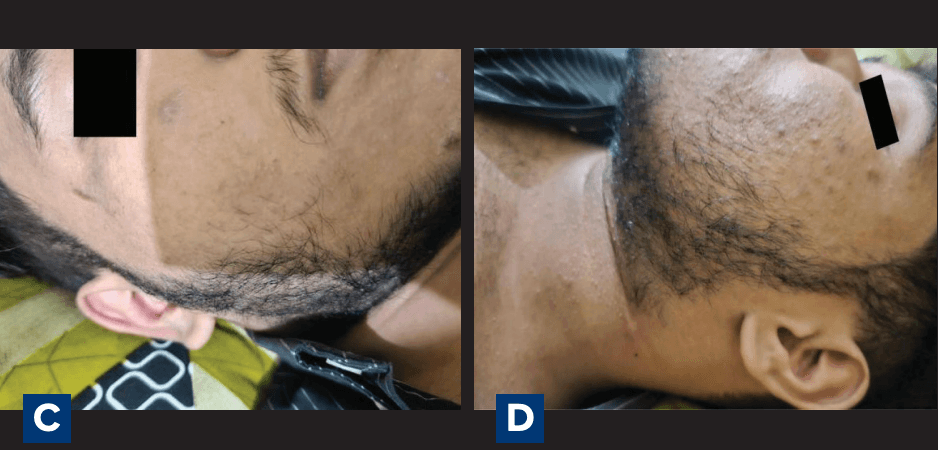
Figure1 A-B : A. Rashes on the trunk; B. Rashes on the abdomen;
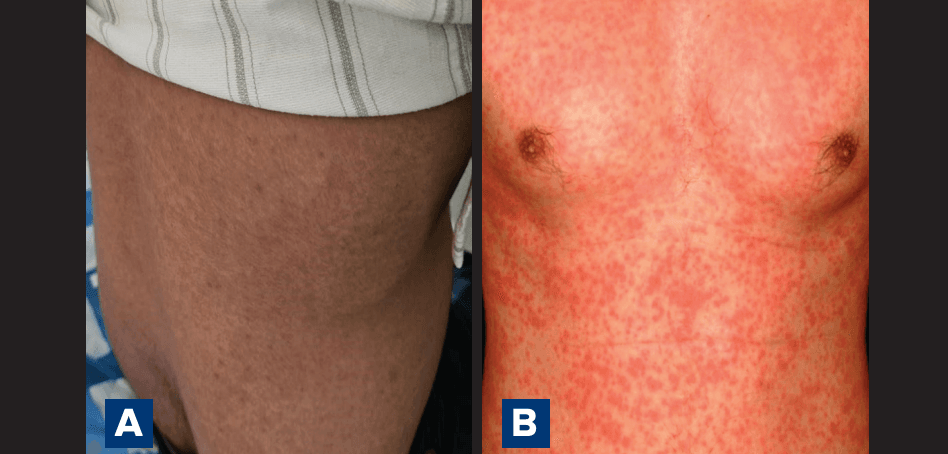
Figure 1 C-D: C, D. Rashes over the face.
He was started on antibiotics, antipyretics, and supportive care. Laboratory investigations revealed haemoglobin of 10.9 g/dL, total leucocyte count of 13,640/mm³, platelet count of 1.65 lakh/mm³, and elevated C-reactive protein (38.4 mg/L) (Table 1). Liver function tests were markedly deranged with serum glutamic oxaloacetic transaminase (SGOT) 353 U/L, serum glutamate pyruvate transaminase (SGPT) 385 U/L, alkaline phosphatase 264 U/L, and rising bilirubin levels. Hepatic involvement is the most common and serious systemic manifestation of DRESS syndrome.7 Renal function was normal. Procalcitonin was 0.36 ng/mL. henytoin level was 11 µg/mL, ruling out toxicity, as therapeutic drug levels do not exclude DRESS.
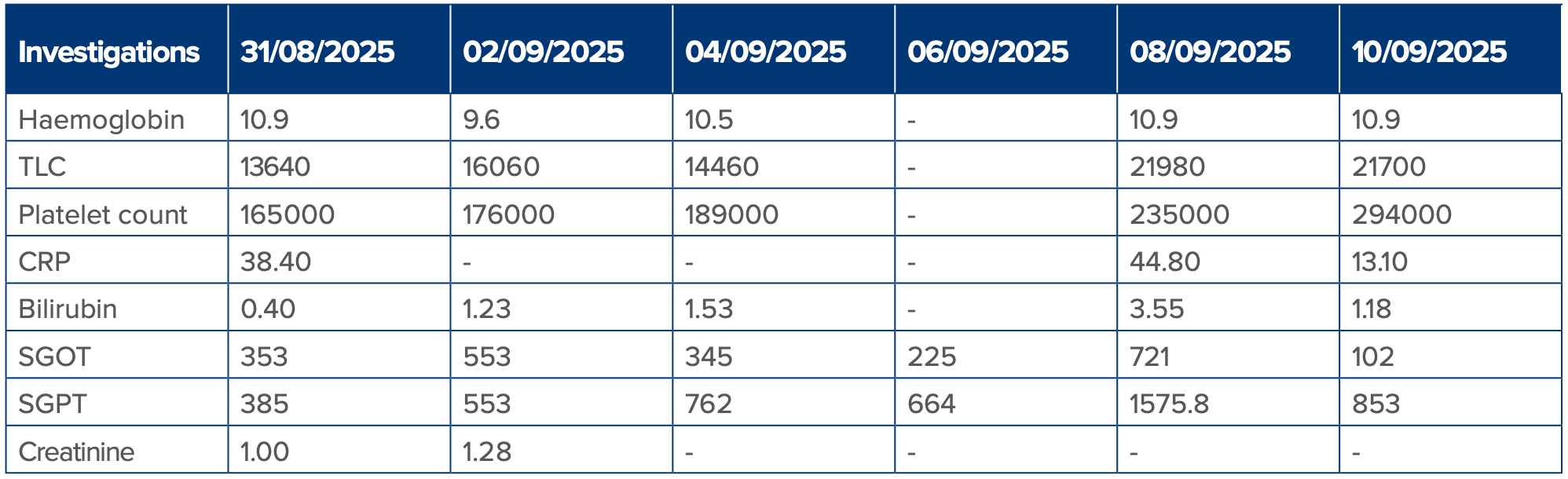
Table 1: Showing serial blood investigations during the course of hospital stay.
Abbreviations: CRP: C-Reactive Protein; SGOT: Serum Glutamic Oxaloacetic Transaminase; SGPT: Serum Glutamic Pyruvate Transaminase; TLC: Total Leucocyte Count.
Infectious workup, including Leptospira immunoglobulin G (IgG) and immunoglobulin M (IgM) was negative. Highresolution computed tomography (HRCT) of the thorax showed subtle centrilobular nodules with mild groundglass opacities and peribronchial thickening suggestive of infective bronchiolitis. Ultrasound abdomen revealed mild hepatosplenomegaly, oedematous gallbladder wall thickening, and mild bilateral pleural effusion.
Autoimmune workup showed antinuclear antibody (ANA) positivity (1:80) with negative anti-cyclic citrullinated peptide (anti-CCP). Despite treatment, the patient continued to have fever, tachycardia, worsening rash, leucocytosis, and progressively rising liver enzymes. Positron emission tomography (PET) scan revealed axillary and supraclavicular lymphadenopathy. To rule out malignancy, a supraclavicular lymph node biopsy was performed, which showed reactive lymphadenitis. GeneXpert for Mycobacterium tuberculosis was negative. Serum immunoglobulin E (IgE) levels were normal, which does not exclude the diagnosis. 7
After exclusion of infectious, autoimmune, and malignant causes, a diagnosis of DRESS syndrome secondary to phenytoin was made based on clinical features and RegiSCAR criteria. 8 Phenytoin was immediately discontinued, and the patient was started on systemic corticosteroids along with an alternative anti-epileptic drug, as recommended in moderate to severe disease with organ involvement. 9
Over the next few days, fever intensity and frequency reduced, skin rash gradually subsided, and heart rate normalised. Although liver enzymes and leucocyte count initially continued to rise, they later showed a declining trend with continued steroid therapy. The patient improved clinically and was discharged with close follow-up.
Discussion
DRESS syndrome is a severe delayed hypersensitivity reaction that typically presents weeks after drug exposure.¹ Phenytoin is a well-recognised trigger. 2 The hallmark features include fever, rash, lymphadenopathy, haematological abnormalities, and internal organ involvement, with the liver being the most commonly affected organ.
4 Diagnosis is clinical and by exclusion, often supported by RegiSCAR criteria. 8 Therapeutic drug levels do not exclude DRESS, as seen in our case. 3 Normal serum IgE levels also do not rule out the diagnosis. 7 Early withdrawal of the offending drug remains the cornerstone of management.9,10 Systemic corticosteroids are recommended for moderate to severe diseases with organ involvement, particularly hepatic dysfunction. 9,10
Conclusion
DRESS syndrome should be considered in any patient presenting with fever and rash weeks after initiation of high-risk drugs such as anticonvulsants.¹ Early recognition, prompt discontinuation of the offending agent, and timely initiation of corticosteroids can be lifesaving and prevent irreversible organ damage.³
Learning points:
- DRESS syndrome has a delayed onset and can mimic infections or malignancy.
- Normal drug levels do not exclude DRESS.
- Liver involvement is common and may be severe.
- Early drug withdrawal and corticosteroid therapy improve outcome.
Nitin Wadaskar, Sumit Hajare, Nikhil Dongre, Vivek Rathore. The Rash That Followed the Remedy: Phenytoin
Induced Drug Reaction with Eosinophilia and Systemic Symptoms Syndrome. MMJ. 2026, June. Vol 3 (2).
DOI: XXXX-XXXX
References
- Bocquet H, Bagot M, Roujeau JC. Drug-induced pseudolymphoma and drug hypersensitivity syndrome (Drug Rash with Eosinophilia and Systemic Symptoms: DRESS). Semin Cutan Med Surg. 1996;15(4):250–7.
- Kardaun SH, Sidoroff A, Valeyrie-Allanore L, et al. Variability in the clinical pattern of cutaneous side-effects of drugs with systemic symptoms: does a DRESS syndrome really exist? Br J Dermatol. 2007;156(3):609–11.
- Kardaun SH, Sekula P, Valeyrie-Allanore L, et al. Drug reaction with eosinophilia and systemic symptoms (DRESS): an original multisystem adverse drug reaction. Results from the prospective RegiSCAR study. Br J Dermatol. 2013;169(5):1071–80.
- Cacoub P, Musette P, Descamps V, et al. The DRESS syndrome: a literature review. Am J Med. 2011;124(7):588–97.
- Husain Z, Reddy BY, Schwartz RA. DRESS syndrome: Part I. Clinical perspectives. J Am Acad Dermatol. 2013;68(5):693.e1–14.
- Husain Z, Reddy BY, Schwartz RA. DRESS syndrome: Part II. Management and therapeutics. J Am Acad Dermatol. 2013;68(5):709.e1–9.
- De A, Rajagopalan M, Sarda A, et al. Drug Reaction with Eosinophilia and Systemic Symptoms: An Update and Review of Recent Literature. Indian J Dermatol. 2018;63(1):30–40.
- Criado PR, Criado RF, Avancini JD, et al. Drug reaction with eosinophilia and systemic symptoms (DRESS)/drug-induced hypersensitivity syndrome (DIHS): a review of current concepts. An Bras Dermatol. 2012;87(3):435–49.
- Shiohara T, Kano Y. Drug reaction with eosinophilia and systemic symptoms (DRESS): incidence, pathogenesis and management. Expert Opin Drug Saf. 2017;16(2):139–47.
- Knowles SR, Shear NH. Recognition and management of severe cutaneous drug reactions. Dermatol Clin. 2007;25(2):245–53.