 WhatsApp Us (24/7)
 +91 926 888 0303 (24/7)


Abstract: These changing scenarios have expanded indication for In vitro fertilization (IVF) where the oocyte is fertilized outside the body. Indications of fertility preservation in cancer patients, embryo biopsy to rule out genetic disease, and viral infections like HIV and Hepatitis to decrease transmission are some of the new indications. Special interventions like blastocyst culture, laser assisted hatching, testicular sperm retrieval by Microtese, ovarian tissue freezing for fertility preservation in young girls and rejuvenative medicines with stem cells have come into practice recently. IVF is an acceptable procedure with a high success rate. It is now more easily accessible with wider indication as with time its advantages have been given credit.
Key words: In Vitro Fertilization, Microtese, ICSI, Fertility Preservation
Introduction
Infertility has become a common problem as marriages and childbearing are being delayed. These changing scenarios have expanded indication for In vitro fertilization (IVF) where the oocyte is fertilized outside the body. The embryo formed is then transferred in the uterus. IVF involves handling of oocyte and sperm in the laboratory and is one of the assisted reproductive technologies.
There is an increase in male infertility from 25% of total infertility to 40% with is a declining trend in sperm count and other parameters over the years. The male could either present with defective semen parameters or complete absence of sperms. With low sperm count an IVF can be done but in cases of absent sperms treatment is more challenging. Infertility is not the same as inability to consummate as in the latter condition sperm counts are normal. WHO has standardized evaluation of semen. Count should be at least 39 million/ejaculate. Motility percentage should be 42%, with 30% actively motile. The morphology of the sperm should be normal (i.e. the head, midpiece and tail should be dimensionally normal) in at least 4% of the sperms analysed. It is crucial that someone trained does the semen analysis as not everyone can diagnose morphological defects. Besides this volume, pH and fructose is analyzed.1
Indications of IVF
1. IVF indications in female factor infertility: IVF is indicated where tubes may be blocked as in case of severe endometriosis or pelvic inflammatory disease. Fertilization is not possible within the body. Elderly women with low ovarian reserve may need IVF to conceive. Women with Polycystic ovarian disease or unexplained infertility not responding to treatment like intrauterine insemination (IUI) procedures may require IVF. Women who have reached premature menopause, IVF with donor oocyte is an option. In women where uterus is absent/removed or the uterus has dense intrauterine adhesions distorting the cavity or pregnancy is contraindicated because of health reasons like severe heart disease IVF through surrogacy is recommended.
2. IVF Indications in male Infertility: IVF is indicated in men with poor sperm count and motility. Since the sperm is not motile, natural fertilization is not possible. The sperms are directly injected into the oocyte by a microneedle under the microscope, a procedure called intracytoplasmic sperm injection (ICSI). In the infertile male with absent sperms (azoospermia), the sperms are sourced from the testis surgically. Stress, smoking and prolonged illness are some of the common factors. There could be causes in childhood like mumps, undescended testis, or trauma to testis. Brain tumour or infections can also affect sperm count. Medications which can cause sterility are testosterone, anabolic steroids (taken by men who want to build muscles, especially given in gyms by trainers for this purpose) chemotherapy, antihypertensive, cimetidine dilantin erythromycin, etc. Local causes like enlarged veins in testis called varicocele may raise local temperature and destroy sperm which is temperature labile. There could be genetic causes like Y chromosome microdeletion and kleinefelters syndrome. The duct (vas Deferens) which carries sperms could be blocked by birth or because of acquired infections. Infections of reproductive tract can impact sperm production and quality. In certain cases semen instead of being ejaculated goes into the urinary bladder, a condition known as retrograde ejaculation. In these cases sperm is collected from the urine and ICSI performed on oocyte.
3. IVF Indications for future fertility preservation: The egg count of women gradually decreases with age leading to absence of eggs at an older age. Women who are not married or are not planning a pregnancy have the option of oocyte freezing to preserve fertility.2 Oocyte freezing is also recommended in genetic conditions leading to early menopause like fragile X syndrome and Turner Syndrome (mosaic).3 The oocytes are extracted from the ovaries and frozen in liquid nitrogen to be thawed and fertilized at a later date for a pregnancy.
Oncofertility: There is also a growing awareness of fertility preservation in cancer patients. Chemotherapy and radiotherapy in cancer treatment impact egg reserve and ability to produce sperm. Before going in for these therapies they are advised to undergo oocyte, sperm or embryo preservation which patients can use for future pregnancies. These are frozen for many years and can be used once cancer cure occurs. Since having a family impacts quality of life, it is essential to counsel these patients to go in for fertility preservation. Recently, ovarian tissue freezing has been recognized as an acceptable method of fertility preservation. The ovarian tissue is frozen in young women and preadolescent girls undergoing cancer treatment to preserve fertility.4 Later, when they want a family this frozen ovarian tissue is thawed and transplanted back. Both natural and IVF pregnancies can occur after this procedure. This is the only technique available to preserve fertility in preadolescent girls where eggs cannot be extracted. It has an advantage of being done immediately unlike in egg freezing where 9-10 days of stimulation is required and chemotherapy may have to be delayed.
4. IVF Indication for genetic testing: There is hope for couples where one or both partners have an inherited genetic disease which they can pass on to the child. Preimplantation genetic testing is a method where cells are extracted from an embryo formed with IVF and the material is sent for genetic analysis. Once the report comes, the embryo which has a normal genetic composition is transferred in the uterus ensuring the birth of a normal baby. It is also indicated in cases where there is repeated IVF failure or abortions to rule out a genetic basis.5
5. IVF Indication for infectious diseases: In couples where one of the partners being HIV positive or Hepatitis B or C positive, natural conception puts the partner and child at risk for infection.6,7 Sperm washing and injecting into oocyte minimizes transmission to woman and baby.
Procedure
Steps of IVF procedure
The procedure consists of stimulation of the ovaries with daily injections of FSH to grow multiple ovarian follicles which are aspirated transvaginally to retrieve oocytes. These oocytes are fertilized outside the body in a dish. The fertilized oocytes developed into embryos. One or more of the embryos are then transferred into the uterus, where one may implant and produce a pregnancy The patient is counselled regarding procedure, cost, medication, success rate and complications. A written consent explaining risks benefits alternatives and success rates is obtained.
1. Ovarian stimulation with follicle stimulating hormone
Controlled ovarian stimulation through daily FSH injections results in growth of all follicles present. The main aim in ovarian stimulation is to give the right drug in the appropriate dose tailored to the patient’s characteristics to minimize side effects like ovarian hyperstimulation or cycle cancellation due to poor response without compromising the chance of pregnancy. The first step to this is to identify factors predicting the response of the patient. Individualization would depend on response to previous cycle, weight/ body mass index (BMI), age, ovarian reserve markers like anti-müllerian hormone (AMH), antral follicle count and day 2 hormones and other factors like cause of infertility (PCOS, endometriosis etc.), previous ovarian surgery which determine whether patient is poor or hyper responder.
i. Response to previous cycle: Individualization is often based on performance of previous cycle. If the previous dose performed well then it may be repeated but if the previous cycle did not perform well then there is requirement to analyze the cycle and bring required changes in drug dose and the protocol. In case there has been no previous cycle then one bases it on other factors and experience.
ii. Age of the woman: Reproductive medicine clinicians often prescribe the gonadotrophin starting dose based on the woman’s age, increasing proportionally with age. Although a woman’s ability to respond to ovarian stimulation declines with advancing age, age alone is not a reliable indicator of ovarian response. Besides, women of similar age may have a wide variability in the pool of recruitable antral follicles thereby questioning the rationale of basing the ovarian stimulation dose on age alone.
iii. Weight and BMI: It was found that increased doses of gonadotropins was required with increase in patients BMI. Hence, these women should be started at higher doses.8 Studies showed that no difference is seen in the number of oocyte retrieved but poor oocyte quality is seen with increasing BMI which results in reduced clinical pregnancy rate. Obese patients should be encouraged to lose weight before starting IVF.
iv. Ovarian reserve markers: Since the prediction of patient’s response is dependent on ovarian reserve markers it is important to distinguish between the more sensitive markers and those that are less sensitive when basing a decision. Women with low ovarian reserve parameters must be counseled before start of treatment on likelihood of poor response. This prepares women and decreases the dropout rates. No woman should be denied a first attempt at stimulation based on ovarian reserve tests as accuracy of these tests may be a poor predictor of pregnancy. Even with few oocytes a pregnancy may result specially in younger women. The maximum number of oocytes that can be retrieved in women is strongly limited by the number of recruitable antral follicles in the ovaries and it is obvious that a gonadotrophin dose higher than the maximum will never compensate for the lack of follicle.
Dose of FSH stimulation: Typical starting doses of FSH is 225 IU in a normal responder. The gonadotrophin starting dose decreases with increasing AMH levels and the suggested gonadotrophin dose is 150 IU for expected high responders and 300 IU for expected poor responders in IVF. Dose of FSH injections may vary with each patient, a young patient with a good ovarian reserve and AMH will require less than an older woman with decreasing eggs. Similarly, a thin woman with a low BMI would require less injections to stimulate than a woman who is obese.
2. Monitoring response to stimulation
The response to stimulation is monitored with serial measurements of serum oestradiol and transvaginal ultrasound imaging of ovarian follicles. The first serum oestradiol level usually is obtained after 4-5 days of stimulation to determine the response and whether the chosen dose of gonadotropins requires adjustment. Thereafter, ovarian ultrasound is done to monitor follicle size every 3 days, based on the quality of the response and the need to evaluate the impact of any further adjustments in the dose of gonadotropin treatment. Most women require a total of 9-10 days of stimulation. In general, the goal is to have at least 3 follicles measuring 17-18 mm in mean diameter, ideally accompanied by a few others in the 14-16 mm range, and a serum oestradiol concentration that is consistent with the overall size and maturity of the cohort (approximately 200 pg/mL per follicle measuring 14 mm or greater). (Figure 1)
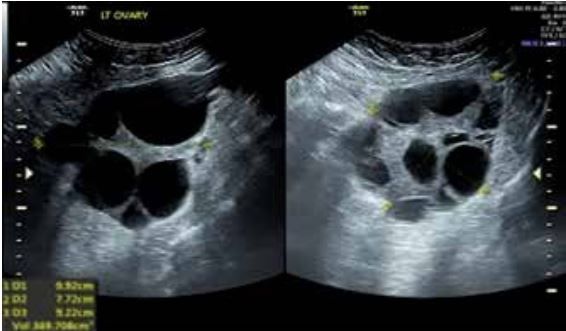
Figure 1: Monitoring of follicles in a stimulated ovary on ultrasound
3. Ovulation trigger
After 9-10 days of injections the follicles reach a diameter of 18 mm indicating that the oocyte within is mature. Injection human chorionic gonadotrophin (HCG) or a GnRH agonist is given as final trigger for maturation.
4. Oocyte retrieval
Oocyte pick up is planned for 34-36 hours after injection is given. Oocyte retrieval is done under general anesthesia through the transvaginal route with needle piercing the follicles under ultrasound guidance. The oocytes are suctioned into the needle with negative pressure and collected in a test tube which is handed to the laboratory. Temperature is strictly maintained at 37 Deg C.
5. Insemination and embryo grading
The oocyte is fertilized in a dish by adding it to droplets of prepared semen. It is cultured in the incubator at 37 degrees C for 3-5 days. Fertilization check is done on first day. Transfer of the embryos into uterus by embryo transfer catheter on day 3 or 5 is planned. It is important to grade embryos as per their quality and separate the best quality embryo for transfer.
6. Embryo transfer
Embryo transfer is the final and most important step of IVF. If not performed in appropriate setting with prerequisites in place by the right person, it can lead to failure of an IVF cycle.
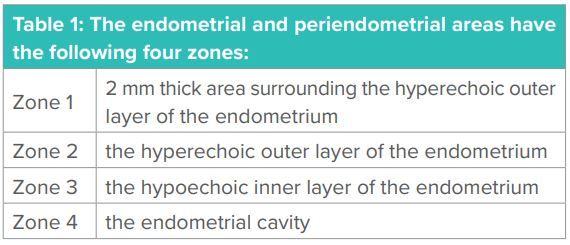
Prerequisites for embryo transfer: Assessment of uterus and endometrium is very important to ensure that the uterine cavity and the endometrium are assessed before start of IVF because in case there is a pathology, embryo will not implant after transfer. There must be a normal uterine cavity with no polyps, adhesions, or septum. In case there are fibroids it is important to assess the size and location. If the fibroid is large or is indenting the uterine cavity it needs to be removed. Endometrium should be at least 8 mm thickness with a good blood flow and morphology. There are 4 zones identified in endometrium and blood flow should be present in the innermost zones (Table 1). The blood flow to endometrium can be assessed by Doppler ultrasound (Figure 2). If endometrium is suboptimal, embryo transfer should be deferred to next cycle.
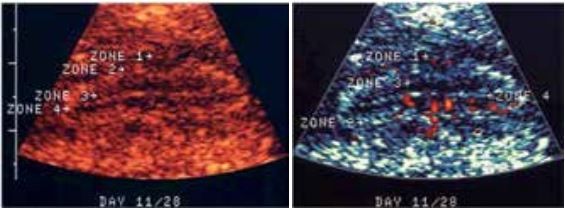
Figure 2: Normal Zone 3 blood flow is demonstrated on this endovaginal image
Day of embryo transfer: Embryo transfer can be done on day 2, day 3, or day 5 of the embryo. Day 5 embryo (blastocyst) transfer is preferred as better embryo can be selected hence giving a higher success rate.
The technique: Bladder should be partially filled to visualize the cervical canal and uterus under ultrasound guidance. The embryos are loaded on an embryo transfer catheter with some media. The outer catheter is introduced in the uterus up to internal os under ultrasound guidance This is followed by introduction of loaded inner catheter up to 1-2 cms below fundus. The plunger on the inner catheter is pushed such that the bubble with embryos can be seen 1.5 cm below the fundus (upper wall) of uterus. This is the position for maximum implantation. If it is pushed too far ahead chances of ectopic pregnancy in the tube may occur. If pushed too far below there may be chances of expulsion.
Type of catheter: There should be a soft catheter for embryo transfer as it causes minimum trauma when inserted, thus not disturbing the endometrium and inducing uterine contractions which may expel embryo.
Experience of clinician and embryologist: The success of the procedure depends on many factors which in turn are dependent on experience of the team. Minimum time should be taken to load catheter and do embryo transfer.
Post embryo transfer: The woman is asked to rest for a short while after embryo transfer. However subsequently she can go about her normal activity.9
Number of embryos to be transferred: Usually two blastocysts are transferred. The rate of successful implantation is lower in people over age of 40 years especially those with previous failed IVF cycles; as a result, more embryos (e.g., up to three) are often transferred in these cases. However, younger women or those older who are using eggs from younger donors have a rate of implantation similar to that of younger people, and are generally advised to transfer no more than one or two embryos.10
7. Freezing of excess embryos
Embryos that are not transferred may be stored by freezing them in liquid nitrogen. The chances of a successful pregnancy are similar for frozen and fresh embryos. They can be stored for a period of 10 years.
Adverse effects of IVF
FSH injections can have side effects like enlarged ovaries, nausea and bloating. It is an invasive procedure. The cycle can fail to yield a pregnancy. There can be multiple pregnancies if more than one embryo is transferred. Serious complications of egg retrieval are uncommon, but side effects such as pelvic cramping, light bleeding, and vaginal discharge often occur.
Ovarian hyperstimulation syndrome (OHSS) is a condition in which the side effects of ovarian enlargement and abdominal swelling become extreme. This can cause severe abdominal pain, vomiting, and if untreated, blood clots in the legs or lungs and fluid imbalances in the blood. Mild forms of OHSS occur in 2 to 6 percent of people undergoing ovulation induction for IVF. Severe cases of OHSS occur in approximately less than 1 percent of cases, typically in association with the retrieval of more than 20 eggs. Currently it is extremely rare as risk of OHSS becomes negligible by utilizing a GnRH agonist instead of hCG as ovulation trigger, avoiding fresh embryo transfer, or by cancelling the IVF cycle when blood oestrogen levels become too high or there are too many follicles seen on ultrasound. In preventing hyper response besides these clinical actions it is important to identify a hyper responder to ensure they get lower dose of FSH.11
Identifying a hyper responder: The prevalence of a hyper responder is 7% on the average and is more with younger patients than older. Not only is prediction of a high response prior to stimulation useful in counselling patients on the risk of ovarian hyperstimulation syndrome (OHSS) but also gives a real possibility of modifying the stimulation protocol and reduce the incidence of a high response and OHSS.
Identification of factors before stimulation predicting hyper response (Table 2)
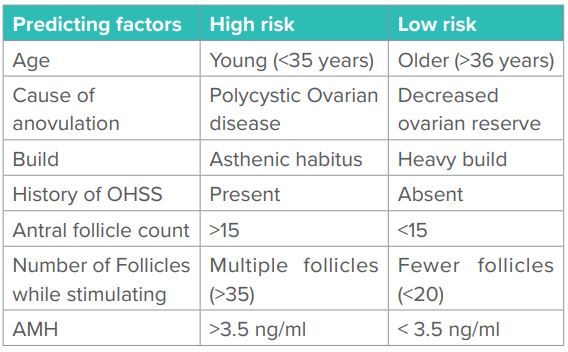
Table 2: Risk factors for hyperstimulation
Its pathophysiology is primarily dependent upon hCG trigger which acts through various vasoactive mediators to increase capillary permeability in blood vessels. Primary prevention is most desirable and includes recommended measures like reduction of gondaotropin dose, GnRHa as ovulation trigger and metformin use. OHSS management depends on its symptoms, severity, complications and presence or absence of pregnancy. Mild to moderate OHSS can usually be treated on an outpatient basis with oral analgesics and maintaining fluid balance. Severe OHSS usually warrants hospital admission and requires aggressive medical management. Surgical treatment may be required in patients with ovarian accidents like torsion or ectopic pregnancies. Improved understanding of pathophysiology and risk factors along with recent advances in ovulation induction methods permit considerable reduction in incidence, morbidity and mortality of OHSS.
Special interventions
Assisted reproductive technologies have progressed over the last 40 years to give optimum success rates and options. Many specialized interventions have changed previous protocols.
I. Blastocyst culture: Embryos can be grown and transferred on day 3 but now extended culture to day 5 known as blastocyst culture is the norm as there are media which help embryo to grow to Day 5. A blastocyst has a higher chance of implantation and pregnancy than day 3 embryo
II. Single embryo transfer: Single embryo transfer to avoid multiple pregnancy is being offered as an option keeping in mind that twin pregnancy is a high-risk pregnancy.
III. Laser hatching: Hatching is a process where the laser makes a hole in the outer covering of the embryo allowing it to hatch and implant once it is transferred in the uterus. It is done just before the transfer. It is recommended in older women, frozen embryos or those with recurrent IVF failures with the idea of facilitating implantation.
IV. Therapies for thin endometrium: Persistently thin endometrium is being now investigated as a microbiome problem and treatment for the same if detected. Platelet rich plasma (PRP), Granulocyte colony stimulating factor (GCSF) and stem cells are still evolving techniques of rejuvenative medicine for this condition.12
V. Preimplantation genetic testing (PGT): Preimplantation genetic testing (PGT) may be performed for 3 indications – Firstly to determine the number of chromosomes (PGT-A) detect trisomy or monosomy (aneuploidy), secondly for ruling out a specific disease or gene abnormality (PGT-M) eg cystic fibrosis or sickle cell anaemia which may be present in parents or siblings, and thirdly to test for abnormal chromosome structure (PGT-SR) which can lead to recurrent abortions. In PGT-M Patients may choose to have their embryos tested prior to transfer to discard embryos which have the disease or genetic mutation, and transfer only those which are normal. The embryos are tested on day 5 in blastocyst stage by removing a few cells from embryo and sending for analysis.5
VI. Embryo pooling for low egg reserve: Very often women undergo an IVF have a poor ovarian reserve where only one or two eggs are retrieved. In these cases, embryo pooling is suggested for better results. Egg retrieval is done 2 or 3 times, fertilized and embryos are frozen. The embryos are then pooled so that a better selection is available and more than one can be transferred for a higher success rate. The cumulative pregnancy rate was statistically higher in this group (41.5%) than the conventional IVF group (22.3%).9 Embryo pooling is now a well established procedure being done where response is poor leading to less embryos.13
VII. Autologous stem cell ovarian transplant (ascot) and platelet rich plasma (PRP): Stem cell transplant and PRP instillation in ovaries with the idea of regenerating the follicle pool in poor ovarian reserve women is still experimental.14,15 Some studies showed that the ASCOT improved follicle and oocyte quantity enabling pregnancy in women who are poor responders previously limited to oocyte donation.
VIII. Testicular sperm retrieval: Before the IVF procedure males should be encouraged to lose weight, stop smoking and eat healthy. They should be put on antioxidants as deficiency has been known to cause DNA damage in sperms and poor sperm morphology and motility. Hormones may be replaced if deficiency is found. Testicular sperm is required if sperms are absent This can be done by needle aspiration or a testicular biopsy i.e. taking a piece of testis and milking it out for sperms. An advanced treatment is Microtese where the testis is opened under the microscope and small tubules which are dilated and more likely to have sperms identified and removed. This is important as only very minimal testicular tissue is removed unlike in open biopsy where the pieces removed are bigger. This technique is only done in advanced centres. Success rates seen are 38% and successful fertilization, clinical pregnancy, and live birth were observed in 85.4%, 22.3%, and 10.7% couples, respectively.16
Success rates
IVF has a reasonable rate of success in most cases. Overall, 50 to 55% patients have a positive beta hCG on testing. Approximately 35-40 percent of IVF cycles will end in a live birth, and the cumulative chances of success are higher when more than one cycle of IVF is done.
However, an individual’s chance of success depends on several factors, including age, cause of infertility, and treatment approach. For example, in the United States in 2021, the live birth rate for each IVF cycle started was approximately 45 percent for people under age 35 years; 32 percent for people ages 35 to 37; 21 percent for people ages 38 to 40; 10 percent for people ages 41 to 42; and 3 percent for people over age 42. The success rates of individual infertility clinics in the United States are published on the internet at the Society for Assisted Reproductive Technology.17
IVF is an expensive procedure, and it causes a significant economic burden. The cost is because it requires stringent quality control, only specific media which have had animal testing for no toxicity, and precise instrumentation. It also requires highly skilled manpower to make it a successful program. Any IVF centre which compromises on quality gives poor results. To maintain certain quality and standards a cost is incurred which is translated into an IVF cycle. These are costs are inbuilt into the system and cannot be separated.
Today, IVF is an acceptable procedure with a high success rate. It is now more easily accessible with wider indication as with time its advantages have been given credit.
References
- WHO https://www.who.int/publications/i/item/9789240030787.
- Katsani D, Paraschou N, Panagouli E, Tsarna E, Sergentanis TN, Vlahos N et al. Social Egg Freezing—A Trend or Modern Reality?. Journal of Clinical Medicine. 2024 Jan 10;13(2):390.
- Sienko A, Prakash A, MacDougall J. Oocyte cryopreservation in mosaic Turner syndrome with polycystic ovaries. F&S Reports. 2023 Dec 1;4(4):380-3.
- Demeestere I, Simon P, Dedeken L, Moffa F, Tsépélidis S, Brachet C et al. Live birth after autograft of ovarian tissue cryopreserved during childhood. Human reproduction. 2015 Sep 1;30(9):2107-9.
- Sordia-Hernandez LH, Morales-Martinez FA, González-Colmenero FD, Flores-Rodriguez A, Leyva-Camacho PC, Sordia-Piñeyro MO et al. The Effects of Preimplantation Genetic Testing for Aneuploidy (PGT-A) on Patient-Important Outcomes in Embryo Transfer Cases: A Meta-Analysis. Journal of Reproduction & Infertility. 2022 Oct;23(4):231.
- Gigstad K, Li Y, Thaler J, Irwin R. HIV and access to fertility treatment in the European and Swedish contexts. Sexual & Reproductive Healthcare. 2023 Mar 1;35:100812.
- Farsimadan M, Riahi SM, Muhammad HM, Emamvirdizadeh A, Tabasi M, Motamedifar M, Roviello G. The effects of hepatitis B virus infection on natural and IVF pregnancy: A meta-analysis study. Journal of Viral Hepatitis. 2021 Sep;28(9):1234-45.
- Ghumman S, Saxena P, Patel S, Gupta S, Gupta M. Impact of BMI on IVF outcome. Fertility Science and Research. 2018 Jan 1;5(1):14-7.
- Cozzolino M, Troiano G, Esencan E. Bed rest after an embryo transfer: a systematic review and meta-analysis. Archives of Gynecology and Obstetrics. 2019 Nov;300:1121-30.
- ASRM Maximum Number of Embryos to be Transferred in Assisted Reproductive Technologies cycle: Ethics Opinion. J Hum Reprod Sci. 2018 Apr-Jun;11(2):93-95.
- Mordel N, Schenker JG. Gonadotrophin-releasing hormone agonist and ovarian hyperstimulation syndrome in assisted reproduction. Human Reproduction. 1993 Dec 1;8(12):2009-14.
- Zadehmodarres S, Salehpour S, Saharkhiz N, Nazari L. Treatment of thin endometrium with autologous platelet-rich plasma: a pilot study. JBRA assisted reproduction. 2017 Jan;21(1):54.
- Gandhi G, Allahbadia G, Kagalwala S, Allahbadia A, Ramesh S, Patel K, Hinduja R, Chipkar V, Madne M, Ramani R. ACCU-VIT: a new strategy for managing poor responders. Hum Reprod. 2013 Jun 1;28:i149-206.
- Hajipour H, Farzadi L, Latifi Z, Keyhanvar N, Navali N, Fattahi A et al. An update on platelet-rich plasma (PRP) therapy in endometrium and ovary related infertilities: clinical and molecular aspects. Systems biology in reproductive medicine. 2021 May 4;67(3):177-88.
- Herraiz S, Romeu M, Buigues A, Martínez S, Díaz-García C, Gómez-Seguí I, Martínez J, Pellicer N, Pellicer A. Autologous stem cell ovarian transplantation to increase reproductive potential in patients who are poor responders. Fertility and sterility. 2018 Aug 1;110(3):496-505.
- Vahidi S, Horoki AZ, Talkhooncheh MH, Jambarsang S, Marvast LD, Sadeghi A, Eskandarian S. Success rate and ART outcome of microsurgical sperm extraction in non obstructive azoospermia: A retrospective study. Int J Reprod Biomed. 2021 Oct 10;19(9):781-788.
- SARThttps://sartcorsonline.com/Csr/Public?ClinicPKID=0&re portingYear=2021&newReport=True#patient-cumulative.