 WhatsApp Us (24/7)
 +91 926 888 0303 (24/7)


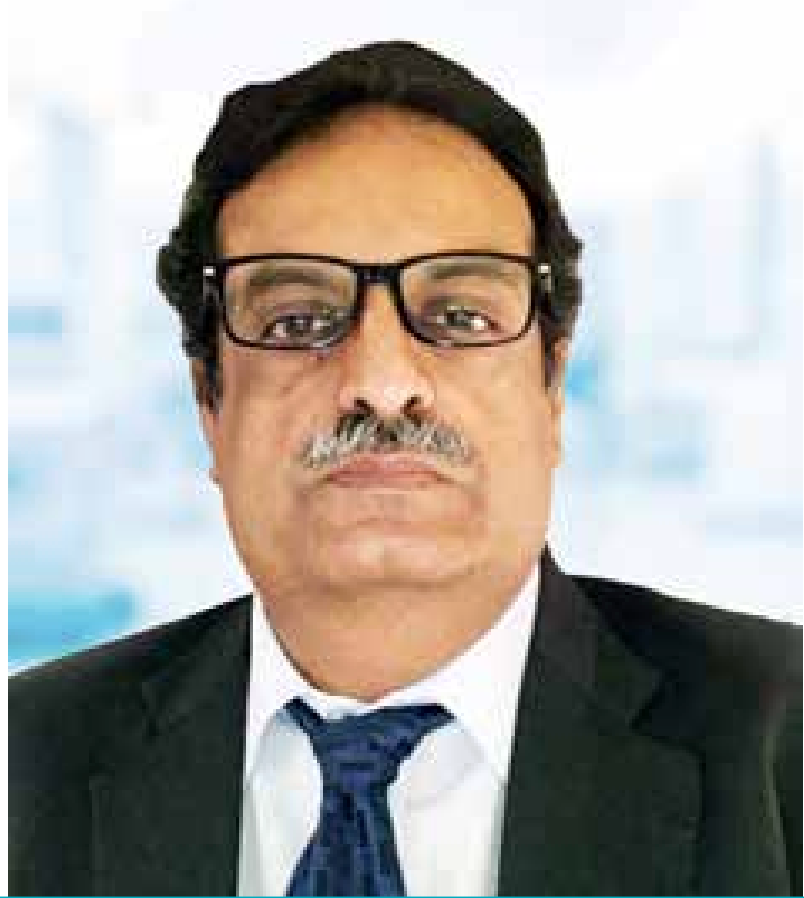
1. Need for More Young Doctors and Unmet Medical Needs in India
1.1. India still faces a significant shortfall in doctor– patient ratios despite producing thousands of graduates each year. What are the main barriers preventing adequate doctor deployment where they’re needed most?
India’s doctor–patient distribution remains uneven because many young doctors choose urban centres where infrastructure, mentorship, and career growth are more robust. Rural and remote regions still have limited facilities, insufficient diagnostic support, and safety concerns, which discourage long-term postings. Additionally, limited opportunities in remote areas further contribute to the shortfall in these areas.
11.2. How does the NMC plan to bridge the gap between medical education output and public health needs, especially in underserved regions?
The NMC is strengthening district hospitals as teaching platforms, expanding medical seats responsibly, and aligning the curriculum with India’s epidemiological profile. By promoting primary care, community-based postings, and competency-driven learning, NMC seeks to ensure that the growing number of medical graduates is directly aligned with national health priorities, particularly in underserved regions. The NMC has introduced the District Residency Programme, wherein junior doctors must serve in district hospitals, in addition to their originally allotted postgraduate (PG) training institutions.
1.3. What structural reforms are being considered to ensure young doctors are not just well-trained but also motivated to serve within India’s healthcare system?
Reforms focus on improving training quality through competency-based education, mentorship frameworks, structured assessments, and wellness support. We also need to create strong career opportunities for family physicians, community-care physicians, and emergency-medicine doctors to serve at Community Health Centres (CHCs) and Primary Health Centres (PHCs) level. The number of PG seats is increasing, which provides the opportunity to young doctors to be trained within the country rather than going offshore. Moreover, doctors working in government hospitals are given preference during counselling for admission to PG courses.
2. Need for More Young Doctors and Unmet MediDoctor Training and Medical Education Reform
2.1. With the new competency-based curriculum, how is the NMC ensuring that graduates are not only academically competent but also clinically confident and ethically grounded?
Sudents get early clinical exposure and are also exposed to simulation labs. They receive training in communication skills, and ethics modules teach them professional responsibility. Through all this, the NMC helps students gain both knowledge and practical skills as well as professionalism skills. The goal is to create confident and ethical doctors who are ready to face real medical challenges from the very beginning of their careers.
2.2. How can PG training programs be better aligned with the real-world healthcare challenges of India, especially in primary and family care?
Reforms emphasise a stronger grounding in primary care, community health, emergency medicine, family medicine, and the disease patterns most prevalent in India. By integrating rotations in district hospitals and rural facilities, the NMC ensures that PG doctors gain the practical experience needed to tackle India’s real epidemiological burden. Simultaneously, state governments need to create more job opportunities for them.
2.3. What steps is the NMC taking to reduce burnout and improve mentorship for residents and young doctors in training?
The NMC promotes balanced residency training by regulating duty hours, encouraging wellness initiatives, strengthening grievance redressal systems, and developing faculty as mentors. The NMC has also worked to create mental health support guidelines and a framework, anti-ragging regulations to help medical students. This ensures residents receive not only technical training but also emotional and academic support throughout their demanding years of service. There is a policy for stipends to be paid to resident doctors, and NMC is very strict in ensuring compliance by medical colleges. Mental health and mentorship of resident doctors are at the top of the NMC’s agenda.
3. Rural–Urban Divide in Healthcare
3.1. Despite policy incentives, rural healthcare infrastructure still lags urban centres. What strategies can realistically attract doctors to rural service?
Effective rural service requires a combination of robust infrastructure, better working conditions, and attractive incentives. The NMC supports policies that provide financial benefits, academic credits, career acceleration, and safe living environments to make rural postings a viable and appealing choice for young doctors. Doctors in government hospitals serving rural postings are given credits at the time of counselling for admission to PG courses.
3.2. Can telemedicine and digital health be effectively leveraged to minimise this rural–urban divide without compromising quality of care?
Telemedicine enables specialist consultations, second opinions, and continuous care delivery to remote regions. The NMC’s focus is on standard protocols, digital training, and quality monitoring so that telemedicine supplements on-ground care effectively without compromising patient safety. A lot must be done in the field of telemedicine considering the recent technological advances.
3.3. Would the NMC support integrating rural health rotations as mandatory, meaningful training components for all medical graduates?
The District Residency Programme is a compulsory part of PG medical training. Every MD/MS student must spend at least three months working in a district hospital during their residency. The district hospitals serve as referral centres for the rural areas. These experiences ensure every graduate understands rural health challenges and develops confidence in delivering care in diverse environments.
4. Expectations from Doctors in the Changing Healthcare Landscape
4.1. Society today expects doctors to be not only healers but also communicators, leaders, and advocates. How should medical education evolve to prepare doctors for these multidimensional roles?
Medical education is evolving to include leadership skills, communication training, teamwork, digital literacy, and public health awareness so that future doctors can function as clinicians, communicators, and leaders. This holistic approach prepares doctors to serve patients more effectively while contributing to healthcare system strengthening. The competencybased curriculum, and its successful implementation, will be the road map for preparing doctors for tomorrow, who will have multidimensional capabilities.
4.2. How can institutions strike a balance between patient satisfaction metrics and evidence-based medical decision-making?
The NMC encourages doctors to make decisions together with their patients. It also highlights the need for clear and honest communication. Doctors should think carefully about what is right and fair. They must consider what patients want, but they should always follow scientific evidence and good medical practice when making decisions.
5. Medical Ethics and Professionalism
5.1. In an era of commercialisation and social media influence, how can young doctors uphold medical ethics while navigating modern-day pressures?
The NMC stresses that young doctors must adhere to ethical principles, maintain professional boundaries online, and prioritise patient welfare over commercial or social pressures. Ethical awareness is embedded throughout medical training. The NMC has zero tolerance towards the use of any unethical means reported to it against medical professionals.
5.2. What role should the NMC play in promoting ethical behaviour and preventing professional misconduct beyond punitive measures?
The NMC promotes ethical conduct in the medical profession by focusing on training, awareness, and strong support systems. Medical students receive structured teaching on ethical values, patient rights, confidentiality, consent, and respectful behaviour. These lessons continue throughout their education so that ethics becomes a natural part of their daily practice. Continuous professional development is equally important. Doctors are expected to update their knowledge, improve their skills, and stay aware of new ethical challenges in modern medicine. Through these combined efforts, the NMC works to build a culture of trust, integrity, and lifelong professionalism across the medical community
6. Scope of Artificial Intelligence (AI), Family Medicine, and Primary Care
6.1. How does the NMC view the integration of AI into medical training and clinical decision-making?
The NMC views AI as a helpful tool that can strengthen diagnostics, clinical decision-making, and medical learning. AI can support doctors by improving accuracy, speeding up analysis, and offering useful insights during patient care. However, the NMC emphasises that AI should only assist — not replace — the clinician. The core principle remains that human decision-making must always guide patient care, with AI serving only as a supportive aid.
6.2. Family Medicine is gaining global importance as the backbone of healthcare systems. How does NMC plan to strengthen and popularise this discipline in India?
Family Medicine plays a key role in India’s primary healthcare system, as it focuses on continuous, comprehensive, and person-centred care. Recognising this, the NMC has taken several steps to strengthen the specialty. It is increasing PG seats in Family Medicine to ensure more trained specialists are available across urban and rural areas. Efforts are being made to promote Family Medicine as a respected and vital specialty that offers broad clinical skills and serves as the foundation of an effective healthcare system.
6.3. Can AI and Family Medicine complement each other to improve continuity of care and population health outcomes?
AI has the potential to greatly strengthen the work of family physicians by improving how they manage chronic diseases, deliver preventive care, and monitor community health trends. With AI-based tools, doctors can track patient data more accurately, identify early warning signs, and customise treatment plans based on each patient’s needs. However, a lot remains to be done in this field.
7. Job Opportunities and Reverse Brain Drain
7.1. With many Indian doctors working abroad, what measures can encourage the reverse migration of skilled professionals back to India?
India is improving its medical system by upgrading hospitals, building more medical colleges, and increasing facilities so that doctors have better places to work. The country is also creating more chances for medical research in areas like technology, public health, and new treatments. The corporate hospitals are providing an excellent career pathway to doctors returning back to India. To make it easier for Indian doctors abroad to return, the rules for registration and practice are being made simpler. NMC is committed to building an environment where returning doctors feel welcome, supported, and able to grow in their careers.
7.2. How can the healthcare ecosystem create meaningful job opportunities and career growth for young doctors, especially beyond tertiary care hospitals?
New fields like digital health, public health, emergency medicine, and medical research are creating many different career paths for young doctors in India. These areas offer exciting opportunities to work with new technologies, improve community health, respond to emergencies, and contribute to scientific discoveries.
8. Message to the Future Generation of Doctors
8.1. What message would you like to share with young medical students and residents who are passionate but often disillusioned by systemic challenges?
The NMC encourages young doctors to stay kind, honest, and committed to learning throughout their careers. Medicine is challenging, and doctors often face long hours, tough decisions, and high expectations. But even with these difficulties, young doctors are essential to building a stronger and healthier India. Their skills, compassion, and dedication directly shape the future of the country’s healthcare system. The NMC is committed to supporting them by improving training, creating better opportunities, and ensuring they have the guidance they need. The goal is to help every young doctor grow with confidence and contribute positively to patients and society.
8.2. How can the next generation of doctors contribute to rebuilding public trust in the medical profession?
Trust between doctors and patients grows when doctors explain things clearly, act honestly, and always put the patient’s well-being first. Good communication helps patients feel safe, while ethical behaviour strengthens their confidence in medical care. The NMC encourages future doctors to stay transparent in their decisions, treat every patient with compassion, and maintain high professional standards.
9. Medico-Legal Challenges (with Professional Perspective)
9.1. Medico-legal cases have become a major concern for doctors, often leading to defensive medicine. What reforms do you think are needed to protect both patients and doctors?
The NMC believes that clear and uniform medicolegal rules are essential to protect both doctors and patients. Better documentation helps ensure transparency and accuracy in medical decisions. The NMC also supports stronger safety and protection measures for doctors so they can work without fear of violence or unfair blame. These steps aim to reduce defensive medicine, improve trust, and make the system fairer for everyone involved.
9.2. How can NMC and the legal system collaborate to ensure fair investigation processes and clear medical jurisprudence standards?
The NMC believes that medico-legal cases must be handled in a fair, timely, and transparent way across the entire country. To achieve this, the NMC advocates common training programs where doctors, police, and legal professionals learn the same guidelines and procedures. This helps everyone understand their roles clearly and reduces confusion. The NMC also promotes uniform forensic standards so that postmortems, medical reports, and evidence collection follow the same quality everywhere.
9.3. Would you support a national mechanism for medico-legal mediation to reduce unnecessary litigation and restore doctor–patient trust?
The NMC supports creating a national system for medico-legal mediation so that disputes between doctors and patients can be resolved quickly and fairly. Instead of going straight to court, mediation allows both sides to talk openly, understand each other’s concerns, and reach an agreeable solution with the help of a trained mediator. This reduces unnecessary lawsuits, saves time and stress, and keeps the focus on healing relationships rather than conflict.