 WhatsApp Us (24/7)
 +91 926 888 0303 (24/7)


To Book an Appointment
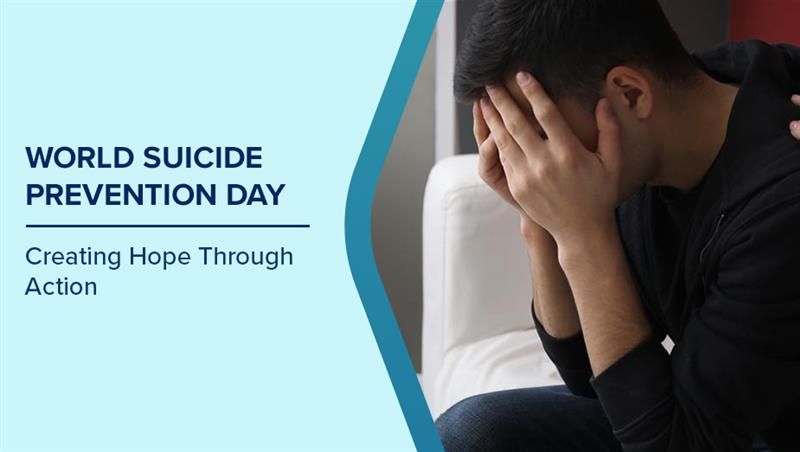
Call Us+91 926 888 0303World Suicide Prevention Day 2025: Creating Hope Through Action
By Dr. Sameer Malhotra in Mental Health And Behavioural Sciences
Sep 09 , 2025 | 12 min read

Suicide is a topic many people avoid speaking about, often because of the stigma surrounding it. But silence on this subject can make it harder for someone who is already struggling to ask for help. By opening up conversations on suicide, we can not only break the stigma but also create room for awareness and support, making it easier for someone to reach out before it’s too late. Recognising the need for such dialogue and action, World Suicide Prevention Day was established as a global reminder that suicide can often be prevented. It calls on individuals and communities to listen without judgment, speak with compassion, and stand in solidarity with those at risk. This blog takes a closer look at why suicide prevention matters, signs that someone might be thinking about it and ways to support those struggling. But first, let us understand the importance of this day.
History and Significance of World Suicide Prevention Day
Introduced in 2003 by the International Association for Suicide Prevention (IASP) in partnership with the World Health Organisation (WHO), World Suicide Prevention Day is observed every year on the 10th of September, with an aim to raise awareness about suicide as a serious public health concern and promote efforts around the world to prevent it.
Since its inception, World Suicide Prevention Day has grown into a global movement. Events, campaigns, and educational activities are held in countries across the world to remember those lost to suicide, support those who are struggling, and strengthen community-level action.
The day serves as a reminder that suicide is often preventable, and that collective efforts through conversation, compassion, and care can save lives. By breaking the silence and encouraging understanding, it aims to create a world where fewer people feel alone in their pain
World Suicide Prevention Day Theme 2025
The theme from 2024 through 2026 is "Changing the Narrative on Suicide", which emphasises the need to shift public perception from silence and stigma to openness and understanding. This theme carries the call to action: “Start the Conversation.” It urges individuals, communities, and institutions to actively transform how suicide is discussed, aiming to break down barriers and encourage timely support and intervention
At its core, the theme reinforces the idea that suicide is preventable and that everyone has a role in creating a safer, more supportive society. It reminds us that changing the story around suicidal thoughts involves listening, validating, and responding with compassion, not avoidance
Common Risk Factors for Suicide
Suicide usually results from a mix of emotional distress, mental health issues, and difficult life situations. Recognising the most common risk factors can help identify when someone might be in crisis and could benefit from support or professional help.
1. Mental Health Conditions
Depression is one of the most common mental health conditions linked with suicide, but it is not the only one. Anxiety disorders, bipolar disorder, post-traumatic stress disorder (PTSD), schizophrenia, and borderline personality disorder can all lead to suicidal thoughts or behaviour, especially if left untreated. For some, the condition may go unrecognised, making it harder to ask for or accept help.
2. Previous Suicide Attempts or Self-Harm
A history of previous attempts or self-harming behaviours increases the risk of future attempts. These actions often signal a person’s deep emotional struggle. If the root causes are not addressed, the person may continue to feel overwhelmed or hopeless.
3. Alcohol or Substance Use
Substance use can cloud judgment and heighten impulsivity, making suicidal actions more likely. It may also worsen feelings of depression or anxiety. For people already struggling with emotional pain, alcohol or drug use can reduce their ability to think clearly, reach out for support, or see other ways to cope.
4. Chronic Physical Illness and Pain
Living with a long-term medical condition, especially one that involves chronic pain, disability, or progressive decline, can take a heavy toll on mental well-being. Some may begin to feel like a burden or fear losing their independence, which can increase feelings of despair.
5. Major Life Changes or Losses
Stressful life events such as the death of a loved one, divorce, job loss, financial difficulties, or a serious health diagnosis can be difficult to manage. These experiences may trigger strong feelings of grief, shame, or helplessness, especially if the person lacks emotional support.
6. Isolation and Lack of Social Support
People who feel disconnected, lonely, or unsupported may find it harder to cope with stress or emotional pain. A lack of close relationships or community ties can increase feelings of worthlessness and reduce the sense of belonging.
7. History of Trauma or Abuse
Experiences like childhood neglect, sexual abuse, domestic violence, or emotional trauma can leave long-lasting psychological effects. In many cases, untreated trauma can contribute to suicidal thoughts, particularly when combined with shame, low self-worth, or ongoing emotional distress.
8. Family or Genetic Factors
A family history of suicide or mental illness may also raise the risk. Although genetics alone do not determine suicidal behaviour, they can influence how someone responds to stress or processes emotions, especially if similar struggles are seen in close family members.
Signs Someone May be Thinking About Suicide
Suicidal thoughts often do not appear out of nowhere. People at risk may show certain behaviours, changes in mood, or express thoughts that suggest they are struggling. Recognising these early signs can play a key role in offering support and possibly saving a life.
- Talking About Death or Wanting to Die: Someone may directly say they want to die or express it in subtle ways like, “I wish I could disappear” or “Everyone would be better off without me.” These statements, even if said casually or in passing, should never be ignored.
- Expressing Hopelessness or Feeling Trapped: When a person feels there is no way out of their current situation, be it emotional pain, financial stress, or relationship problems, they may say things like, “There’s no point anymore” or “I can’t go on like this.” These can be signs of serious distress.
- Withdrawing from Friends and Family: A noticeable change in social behaviour, such as avoiding phone calls, skipping social events, or isolating themselves from close ones, may suggest that the person is struggling internally but doesn’t feel able to talk about it.
- Changes in Sleeping or Eating Patterns: Sudden changes in sleep such as sleeping much more or less than usual, or disruptions in eating habits can be outward signs of emotional imbalance. These shifts are often linked to anxiety, depression, or overwhelming stress.
- Loss of Interest in Things Once Enjoyed: When someone stops engaging in hobbies, no longer cares about work or studies, or avoids activities they once loved, it could be a sign that they are emotionally overwhelmed or losing a sense of purpose.
- Giving Away Belongings or Making Final Plans: Offering personal items to others, writing letters, or organising affairs (like deleting social media or updating a will) may signal that the person is thinking about ending their life and is preparing for it.
- Sudden Calmness After a Period of Distress: A person who has been visibly anxious or sad may suddenly appear calm or relieved. While this may seem like a positive change, in some cases, it reflects a decision to go through with suicide, which brings temporary emotional release.
- Engaging in Risky or Self-Destructive Behaviour: This might include excessive alcohol or drug use, reckless driving, or taking dangerous risks without concern for personal safety. Such behaviour may reflect self-harm or indifference to life.
- Talking About Being a Burden: Frequently saying things like “I just cause problems for everyone” or “I’m holding everyone back” reflects feelings of guilt, shame, or low self-worth. These thoughts often accompany suicidal ideation.
Ways to Support Someone Struggling with Suicidal Thoughts
When someone opens up about suicidal thoughts or shows signs of emotional distress, offering support in a sensitive and non-judgmental way can make a real difference. Even small gestures can provide comfort and show that they are not alone.
- Listen Without Judgement: Give the person space to express how they feel. Avoid interrupting, correcting, or offering quick solutions. Let them speak freely and let their feelings be heard. Just knowing someone is willing to listen can be deeply reassuring.
- Take Their Words Seriously: Never dismiss statements like “I can’t take this anymore” or “I wish I wasn’t here.” Even if the person says it lightly or in passing, these could be signs of serious distress. Acknowledge what they’re feeling and encourage them to seek help.
- Ask Direct but Gentle Questions: If you’re concerned, it’s okay to ask questions like “Are you thinking about hurting yourself?” or “Have you thought about suicide?” Asking these questions directly does not increase risk; it can actually reduce it by opening the door for honest conversation.
- Avoid Giving Unrealistic Reassurance: Phrases like “You’ll get over it” or “Others have it worse” can make the person feel misunderstood or dismissed. Instead, focus on being present, showing empathy, and letting them know it’s okay to feel overwhelmed.
- Help Them Connect with Professional Support: Encourage the person to speak with a mental health professional. Offer to help them find a therapist, go with them to an appointment, or assist with making a phone call if they are hesitant. In some cases, immediate medical help may be needed.
- Stay Connected and Check In Regularly: Keep in touch even after the initial conversation. A simple message or phone call can go a long way in reminding someone they are cared for. Long-term support matters just as much as immediate help.
- Involve Trusted Friends or Family Members: If you feel the situation is serious and the person is unwilling to get help, reach out to someone close to them who can step in. It’s better to share the concern than risk their safety by staying silent.
- Encourage Healthy Habits and Routines: Small steps like encouraging rest, proper meals, short walks, or spending time in natural surroundings can ease emotional strain. These may not solve the problem, but can help in regaining a sense of structure and calm.
- Know When Emergency Help Is Needed: If the person is at immediate risk of harming themselves, do not leave them alone. Call a mental health helpline, contact emergency services, or take them to the nearest hospital. Their safety must come first.
Read More:- Suicide Prevention: Role of Mental Health, Therapy & Counselling
How Can You Contribute this World Suicide Prevention Day?
Everyone has a role to play in suicide prevention. Small actions, whether through conversations, awareness, or community involvement, can have a ripple effect. This day serves as a reminder that support, kindness, and attentiveness can go a long way in saving lives.
- Start Conversations That Matter: Speak openly about mental health in your home, workplace, or friend circles. Breaking the silence helps remove the stigma and creates a more accepting environment where people feel safe to share their struggles.
- Educate Yourself and Others: Learn about the signs of suicidal thoughts, how to respond, and where to seek help. Share this knowledge with others, online or offline, to raise awareness and encourage early intervention.
- Support a Mental Health Cause: Participate in events, campaigns, or fundraisers organised around suicide prevention. Even volunteering time or donating to mental health organisations can support outreach and services for those in need.
- Check In On Someone You Know: A thoughtful message or call can make someone feel remembered and supported. If a friend, colleague, or family member has been distant or going through a hard time, reach out and let them know you’re there.
- Use Social Media Responsibly: Share helpful resources, positive messages, and support lines instead of sensationalising suicide-related news. Use your platform to spread hope and awareness, especially on days like this.
- Encourage Help-Seeking Behaviour: If someone around you is hesitant about therapy or professional support, try to normalise these options. Let them know that reaching out is a strength, not a weakness.
- Wear a Symbol or Colour of Support: Many people wear yellow or a suicide prevention ribbon on this day. Though small, such gestures often spark conversations and show solidarity with the cause.
- Create Safe Spaces: Whether it's in the classroom, at work, or among friends, foster environments where people feel they can speak up without fear of judgment or isolation.
Final Words
World Suicide Prevention Day serves as a powerful reminder to speak up, even when the conversation feels difficult. It encourages open dialogue, not only to spread awareness but also to create safe spaces where people feel supported in seeking help. If you or someone you know is struggling with suicidal thoughts or emotional distress, consider speaking with a qualified mental health professional. Psychologists and psychiatrists at Max Hospital are here to support you with care, respect and confidentiality. Reaching out can be the first step toward feeling better.
Frequently Asked Questions
Is it okay to bring up suicide if someone hasn’t mentioned it directly?
Yes, starting the conversation can make a real difference. Many people feel unsure or ashamed to speak up, so a kind and calm question can help them open up. Asking something like “Have you been feeling very low lately?” or “Are you thinking about hurting yourself?” shows concern and may help them feel supported.
What if I think someone is at risk but they insist they’re fine?
This can be challenging. Even if someone says they are fine, it’s important to keep checking in. Let them know you care and are there to listen. If you feel there is an immediate risk, do not ignore it. Reach out to a mental health professional or emergency services. It is always better to act than to wait.
Can suicidal thoughts appear without any clear reason?
Yes, they can. Some people may seem fine on the outside but still experience emotional pain. Mental health conditions like depression or anxiety can go unnoticed, and not everyone shows obvious signs. This is why kindness, patience and gentle conversations are so important.
How can schools or workplaces take part in suicide prevention?
They can play a strong role by creating safe, open spaces for mental health conversations. Steps like having trained counsellors, running awareness programmes, and putting up posters with helpline information can all help. It also helps to build a culture where people feel they will be heard without judgment.
Are friends and family enough, or is professional help always needed?
Family and friends offer emotional support, but professional care is often necessary to address deeper issues. Psychologists and psychiatrists are trained to guide people through distress, offer therapy and suggest treatments when needed. A combination of both can offer the best chance of recovery.
Are there still myths about suicide that people believe?
Yes. A common one is that talking about suicide puts the idea into someone’s head. In reality, asking about it shows care and can reduce the risk. Another harmful belief is that people who talk about suicide are just seeking attention. In truth, many who are struggling do reach out in small ways before taking any step, and their words should always be taken seriously.
Written and Verified by:

Related Blogs

Dr. Prashant Gupta In Mental Health And Behavioural Sciences , Psychiatry
Nov 08 , 2020 | 5 min read

Blogs by Doctor

Live a stress-free life forever
Dr. Sameer Malhotra In Mental Health And Behavioural Sciences , Orthopaedics & Joint Replacement
Nov 08 , 2020 | 2 min read

Common Symptoms of Obsessive Compulsive Disorder
Dr. Sameer Malhotra In Mental Health And Behavioural Sciences
Nov 08 , 2020 | 2 min read
Most read Blogs


Related Blogs
Dr. Prashant Gupta In Mental Health And Behavioural Sciences , Psychiatry
Nov 08 , 2020 | 5 min read
Blogs by Doctor
Live a stress-free life forever
Dr. Sameer Malhotra In Mental Health And Behavioural Sciences , Orthopaedics & Joint Replacement
Nov 08 , 2020 | 2 min read
Common Symptoms of Obsessive Compulsive Disorder
Dr. Sameer Malhotra In Mental Health And Behavioural Sciences
Nov 08 , 2020 | 2 min read
Most read Blogs