 WhatsApp Us (24/7)
 +91 926 888 0303 (24/7)


To Book an Appointment
Call Us+91 926 888 0303World Rabies Day 2025: Educate, Vaccinate, Eliminate
By Dr. Monica Mahajan in Internal Medicine
Aug 26 , 2025 | 14 min read
1

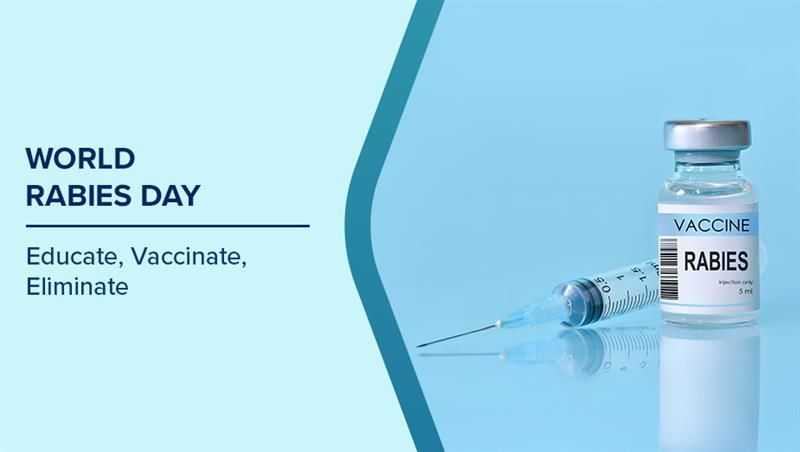
Rabies is a fatal viral infection that attacks the nervous system, and once symptoms appear, it's almost always deadly. The good news is that rabies is completely preventable if we're cautious and take the right steps after exposure. To help raise awareness about rabies prevention and control, World Rabies Day was launched in 2007 as a global initiative. The 2025 theme "Educate, Vaccinate, Eliminate" perfectly captures the three-step approach we need to beat rabies for good. In this blog, we'll walk you through everything you need to know about rabies from understanding the disease and recognising its symptoms to learning how to protect yourself and your loved ones. Let's start by exploring how World Rabies Day came to be and its significance.
History and Significance of World Rabies Day
World Rabies Day is observed every year on 28th September to raise awareness about rabies prevention and to highlight progress in defeating this deadly disease. The date marks the death anniversary of Louis Pasteur, the French scientist who developed the first rabies vaccine.
The day was first established in 2007 by the Global Alliance for Rabies Control (GARC), in collaboration with major health organisations such as the World Health Organization (WHO) and the World Organisation for Animal Health (WOAH). Since then, it has become a global movement involving governments, health workers, veterinarians, and communities.
Rabies causes thousands of deaths every year, most of them in Asia and Africa, and often among children. It is 100% preventable with timely vaccination and proper post-bite treatment. World Rabies Day plays a key role in educating people, promoting responsible animal vaccination, and supporting global efforts to eliminate human rabies deaths.
World Rabies Day 2025 Theme: Educate, Vaccinate, Eliminate
The theme for World Rabies Day 2025, “Educate, Vaccinate, Eliminate,” focuses on three essential actions needed to control and eventually eliminate rabies. Each part of the theme highlights a step in the fight against this deadly disease.
- Educate: Public awareness is key. Many people are unaware of how rabies spreads, how serious it can be, or what to do after an animal bite. Education helps communities recognise the risk, understand the need for immediate care, and take preventive steps like avoiding contact with stray animals.
- Vaccinate: Rabies can be prevented through timely vaccination. This includes vaccinating dogs, the main source of human rabies deaths. and ensuring people exposed to bites receive post-exposure prophylaxis (PEP). Vaccination breaks the chain of transmission and protects both humans and animals.
- Eliminate: With strong awareness programmes, reliable access to vaccines, and coordinated efforts across public health and veterinary sectors, rabies is a disease that can be eliminated. The goal is to achieve zero human deaths from dog-mediated rabies by 2030, and this theme serves as a reminder that the tools to end rabies already exist.
This year's theme urges everyone, be it health workers, pet owners, governments, and the general public, to take active steps in making rabies a disease of the past.
What is Rabies?
Rabies is a viral disease that affects the central nervous system, including the brain. It is caused by the rabies virus, which spreads to humans mainly through the bite or scratch of an infected animal, most often dogs. Once the virus enters the body, it travels through the nerves to the brain, leading to inflammation. Symptoms may take a few days to several months to appear, depending on the location and severity of the bite. Rabies is almost always fatal once symptoms appear, but it is 100% preventable if treated promptly after exposure. The key is to clean the wound immediately and seek medical care without delay.
What are Common Signs and Symptoms of Rabies?
Rabies symptoms do not appear immediately after a bite or scratch. The incubation period, which is the time between exposure and the first signs of illness, can range from several months to a few years. This depends on factors such as the location and depth of the wound, the amount of virus introduced, and how close the bite is to the brain. Once symptoms begin, the disease progresses quickly and is nearly always fatal.
The early stage of rabies may resemble a general viral illness. Symptoms can include:
- Fever
- Headache
- Nausea or vomiting
- General weakness or discomfort
- Tingling, itching, or pain at the site of the bite or scratch
As the virus reaches the brain and central nervous system, more serious neurological symptoms develop. These may include:
- Anxiety, agitation, or confusion
- Difficulty swallowing
- Increased salivation or drooling
- Fear of water (hydrophobia), often triggered by attempts to drink
- Fear of air movement (aerophobia) due to throat or chest spasms
- Hallucinations or irrational behaviour
- Muscle spasms or partial paralysis
- Seizures
- Coma, followed by death
What are the Stages of Rabies in Humans?
Rabies progresses in stages after a person is exposed to the virus, usually through the bite or scratch of an infected animal.
- Incubation Period: This is the time between exposure to the virus and the first signs of illness. It can last anywhere from a few days to several months, with most cases appearing within one to three months. During this stage, the person has no symptoms. The virus slowly travels through the nerves toward the brain. The risk of developing symptoms depends on how far the bite is from the head, how deep the wound is, and how much virus entered the body.
- Prodromal Stage: This is the beginning of the illness, usually lasting two to ten days. The symptoms are general and may be mistaken for other common infections. They include fever, tiredness, headache, nausea, loss of appetite, and discomfort or pain at the site of the bite. There may also be changes in mood or behaviour, such as anxiety or irritability.
- Acute Neurological Stage: At this stage, the virus has reached the brain and central nervous system. The person may experience more severe symptoms such as confusion, agitation, difficulty swallowing, excessive saliva, and fear of water or air movement. Muscle spasms, hallucinations, and paralysis may also occur. This stage can last a few days and leads to rapid deterioration.
- Coma and Death: As the infection progresses, the person may fall into a coma. Once a coma sets in, death usually follows within a few days due to heart or lung failure. Recovery at this stage is extremely rare.
Because rabies becomes untreatable once symptoms begin, immediate medical attention after any potential exposure is critical.
How to Prevent Rabies Infection?
The key to protection from rabies lies in understanding how the virus spreads, reducing the risk of exposure, and acting quickly after any potential contact with a rabid animal. Prevention involves both individual responsibility and broader public health efforts.
- Avoid contact with stray or wild animals: The most effective way to prevent rabies is to avoid situations where transmission could occur. Stray dogs are the most common carriers in many regions, but rabies can also spread through other animals like bats, monkeys, foxes, and cats. Animals infected with rabies may appear aggressive, restless, unusually quiet, or overly friendly. Avoid approaching, feeding, or attempting to touch unfamiliar or wild animals, especially those behaving abnormally. Children should be taught never to play with stray animals, even if they seem harmless.
- Vaccinate pets and domestic animals: Dogs are responsible for the majority of human rabies deaths, so vaccinating them is a vital step in prevention. Cats, cattle, and other domestic animals can also be infected and should be vaccinated if they are at risk. Rabies vaccination for pets should begin at the appropriate age, with regular booster doses as recommended by veterinarians. This protects both the animals and the humans who live with or around them.
- Supervise pets when outdoors: Even vaccinated pets should be kept under supervision when outside. Allowing them to roam freely can expose them to wild or infected animals. If a pet is bitten or attacked by another animal, they should be taken to a veterinarian immediately, even if they have been vaccinated, so the risk of rabies can be assessed and further steps taken.
- Clean wounds immediately after any bite or scratch: If a person is bitten, scratched, or licked on broken skin by a potentially infected animal, the first step is to clean the wound thoroughly. Washing with soap and running water for at least 15 minutes helps remove saliva and reduce the viral load. This simple act can significantly lower the risk of infection and should be done as soon as possible, even before reaching a hospital.
- Seek post-exposure prophylaxis (PEP) without delay: After any suspected exposure, medical attention should be sought immediately. Post-exposure prophylaxis involves a series of rabies vaccinations given over a few weeks. In high-risk or severe cases, rabies immunoglobulin is also administered to provide immediate protection while the vaccine begins to work. Treatment should never be delayed or interrupted, as full completion of the schedule is essential for it to be effective.
- Consider pre-exposure vaccination for high-risk individuals: Some people face a higher risk of rabies due to their profession or travel plans. This includes veterinarians, animal control workers, wildlife researchers, laboratory technicians handling the virus, and people travelling to areas where rabies is common and medical care may be limited. In these cases, pre-exposure vaccination can offer an extra layer of protection. Though not a substitute for treatment after exposure, it can simplify and strengthen the response.
- Report stray or aggressive animals to authorities: Stray animals showing signs of aggression, illness, or unusual behaviour should be reported to local animal control or health authorities. This not only helps reduce the risk of human exposure but also supports wider public health efforts to monitor and manage rabies in the community.
Busting Common Misconceptions About Rabies
Despite being a well-known disease, rabies is often misunderstood. Myths and incorrect beliefs about how it spreads, how dangerous it is, or how it should be treated can lead to serious delays in seeking the right care. Addressing these misconceptions is an important part of rabies prevention.
- Rabies only spreads through dog bites: Dogs are the most common source of rabies transmission in many parts of the world, but the virus can spread through the saliva of any infected mammal. This includes cats, bats, monkeys, foxes, and even livestock. Scratches, licks on broken skin, and bites from any of these animals can also cause infection.
- You don’t need treatment if the bite is small or doesn’t bleed: The size of the wound does not determine the risk. Even a small scratch or a lick on broken skin can be enough for the virus to enter the body. Rabies can spread through microscopic amounts of saliva, so it is important to seek medical care after any potential exposure, no matter how minor it seems.
- If symptoms haven’t appeared in a few days, there’s no danger: Rabies has a long and unpredictable incubation period, which can last for weeks or even months. A person may appear completely healthy during this time, but once symptoms begin, the disease almost always leads to death. This is why immediate treatment after exposure is critical, even if the person feels fine.
- Animals with rabies always foam at the mouth and act aggressively: Although excessive salivation and aggression are classic signs, not all rabid animals show these symptoms. Some may appear unusually quiet, weak, or tame. In some cases, they may show no obvious signs at all. Any animal acting abnormally should be avoided and reported to authorities.
- Once vaccinated, there is lifelong protection: Rabies vaccines do not provide lifelong immunity after a single dose or even a full course. Booster doses are needed over time, especially for people at high risk. Pets also require regular vaccinations to stay protected.
- Traditional remedies can cure or prevent rabies: There is no home remedy or traditional treatment that can cure rabies. Delaying proper medical care to try herbal pastes, chants, or other local practices can be dangerous. Rabies prevention requires scientifically proven steps, including thorough wound cleaning and timely vaccination.
Clearing up these misconceptions is essential to improving awareness, encouraging quick action after exposure, and reducing deaths caused by delayed or incorrect treatment.
Do Your Part This World Rabies Day
Every person has a role to play in preventing rabies. With the right knowledge and simple actions, communities can reduce the risk of infection and move closer to the goal of zero human rabies deaths.
- Get your pets vaccinated regularly: Dogs and cats should receive their rabies vaccination at the right age and be given booster doses as recommended by a veterinarian. This protects the animal and helps stop the virus from spreading to people.
- Avoid direct contact with stray or wild animals: Stray dogs, monkeys, bats, and other wild animals can carry the rabies virus even if they appear healthy. Avoid feeding or approaching them, and teach children to do the same.
- Watch how children interact with animals: Children are at higher risk of rabies because they may unknowingly provoke or approach animals. Teach them to be cautious around unfamiliar pets and never to play with or touch stray animals.
- Clean any bite or scratch immediately and thoroughly: If bitten or scratched, wash the area with soap and running water for at least 15 minutes. This is the first and most important step to reduce the risk of infection, and it should be done as soon as possible.
- Seek medical care right away after exposure: Do not wait for symptoms. Visit a healthcare facility immediately after any bite or scratch, even if the wound seems minor. Timely post-exposure prophylaxis (PEP) can prevent rabies before it develops.
- Report aggressive or sick-looking animals to local authorities: If you notice animals behaving strangely, being overly aggressive, foaming at the mouth, or unusually passive, report them so they can be handled safely by trained personnel.
- Spread awareness in your community: Many rabies cases occur because people are unaware of the risks or do not take bites seriously. Share information through schools, workplaces, or community groups to help others stay informed.
- Promote responsible pet ownership: Encourage pet owners to care for their animals, keep vaccinations up to date, and avoid allowing pets to roam unsupervised. Supporting sterilisation programmes also helps reduce the stray animal population over time.
Final Words
World Rabies Day reminds us to stay alert, act quickly after an animal bite, and make vaccination a priority; for both pets and people. It’s a call to take rabies seriously and reduce the risk of fatal infections through timely action and awareness. If you or someone you know is bitten or scratched by an animal, do not wait. Visit the emergency department at Max Hospital for proper wound care and post-exposure treatment.
Frequently Asked Questions
How soon should I get medical help after an animal bite or scratch?
Immediate medical attention is crucial. Washing the wound thoroughly with soap and water is the first step, but a doctor must assess the risk and start the anti-rabies vaccine series without delay. Ideally, this should happen within a few hours of exposure.
Do all dog bites require rabies vaccination?
Not always. A doctor will consider several factors: whether the dog is known and vaccinated, the severity and location of the bite, and if rabies is common in the area. If the dog is healthy, vaccinated, and under observation, a full vaccine series may not be needed—but this should always be confirmed by a medical professional.
Is rabies only spread through dog bites?
No. Rabies can be transmitted through the bite or scratch of any infected mammal, including cats, monkeys, bats, foxes, and jackals. Even contact with saliva from an infected animal on broken skin or mucous membranes (like the eyes or mouth) can be risky.
Can indoor pets get rabies?
Yes. Pets that live indoors still face some risk, especially if they go outdoors occasionally or if other animals can enter the home. In rare cases, bats or other wild animals can expose indoor pets. Keeping pets vaccinated is the best way to protect them.
Is it safe to get the rabies vaccine during pregnancy?
Yes, it is considered safe. If a pregnant person is bitten or exposed to an animal that may have rabies, vaccination should not be delayed. The benefits of protection far outweigh any minimal risks.
What should I do if I find a bat in my house?
Avoid handling it. If a bat is found in a room where someone has been sleeping or if a child or person with limited awareness was present, medical advice should be sought even without a clear bite. Bats are known carriers of rabies, and exposure can happen unnoticed.
How many rabies vaccine doses are needed after exposure?
If someone has never had a rabies vaccine before, four doses are given over two weeks, on days 0, 3, 7, and 14. On the first day, a shot of rabies immunoglobulin may also be given around the wound to provide extra protection. The schedule may differ for those who’ve been previously vaccinated.
Can I wait to see if symptoms develop before starting the vaccine?
No. Waiting is dangerous. Rabies symptoms take time to appear, but once they do, the disease is almost always fatal. Post-exposure vaccination is most effective when started immediately, even if there are no symptoms.
Are there side effects of the rabies vaccine?
Most people tolerate the vaccine well. Common side effects include mild redness, swelling, or pain at the injection site. Some may experience fatigue, headache, or fever. Serious reactions are very rare and should be reported to a healthcare provider.
How can I protect my pet from rabies?
Keep your pet's rabies vaccination up to date. This is the most reliable form of protection. Avoid letting pets roam outdoors unsupervised, especially in areas where rabies is reported. Don’t let them interact with stray animals or wildlife. If your pet is bitten by another animal, take them to a vet immediately (even if they appear fine).
Written and Verified by:

Related Blogs


Dr. Vandana Boobna In Internal Medicine
Nov 08 , 2020 | 2 min read
Blogs by Doctor


What is Zika Virus: Causes, Signs, Symptoms, Cure and Preventions
Dr. Monica Mahajan In Internal Medicine
Jun 27 , 2024 | 4 min read
Most read Blogs


Related Blogs
Dr. Vandana Boobna In Internal Medicine
Nov 08 , 2020 | 2 min read
Blogs by Doctor
What is Zika Virus: Causes, Signs, Symptoms, Cure and Preventions
Dr. Monica Mahajan In Internal Medicine
Jun 27 , 2024 | 4 min read
Most read Blogs