 WhatsApp Us (24/7)
 +91 926 888 0303 (24/7)


To Book an Appointment
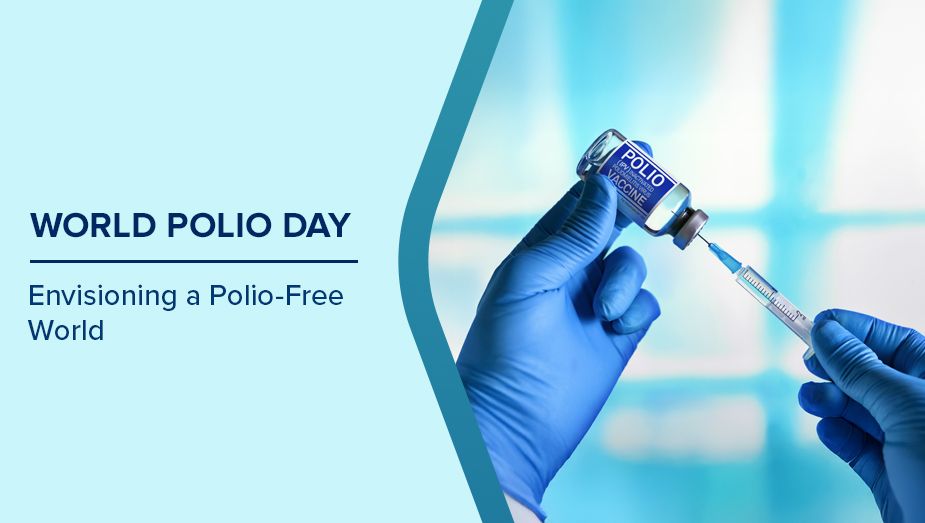
Call Us+91 926 888 0303World Polio Day 2025: Envisioning a Polio-Free World
By Dr. Ritesh Aggarwal in Critical Care
Oct 21 , 2025 | 10 min read

Polio, once a global health crisis, has been pushed back to the margins of only a few regions; thanks to decades of vaccination drives, international cooperation, and public awareness campaigns. While the cases of polio have dropped by 99% across the world, the fight is not yet over. Polio still exists in regions where vaccinating every child is a challenge, and this makes it important to continue the efforts until the virus is completely eradicated. World Polio Day is observed to spread awareness about the disease and the efforts to end it. In this blog, we will look at what polio is, the progress made so far, the challenges that still remain, and the hope of achieving a polio-free future. But before going forward, let us understand the importance of this day.
History and Significance of World Polio Day
World Polio Day is observed on 24 October every year to honour the birth anniversary of Dr Jonas Salk, the American virologist who developed the first successful polio vaccine in 1955. His discovery marked a turning point in the global fight against the disease, as widespread use of the vaccine dramatically reduced polio cases across the world. The day was later established to raise awareness, recognise the progress achieved through vaccination, and keep global attention on the goal of eradication.
The day serves as a reminder that although polio has been eliminated from most parts of the world, the disease still exists in a few regions and remains a threat if vaccination efforts slow down. It highlights the importance of immunisation, community involvement, and continued commitment to stopping the virus everywhere. World Polio Day also celebrates the lives saved and progress made, while inspiring collective action towards achieving a polio-free future.
What is Polio and How Does it Affect People?
Polio, also known as poliomyelitis, is a highly contagious disease caused by the poliovirus. It mainly affects children under the age of five but can also infect adults. The virus spreads from person to person, usually through contaminated food, water, or contact with an infected person. After entering the body, it multiplies in the intestines and can sometimes spread to the nervous system. Many people infected with the virus may not show any symptoms, while some may develop mild signs such as fever, sore throat, tiredness, or stomach pain.
In a small percentage of cases, polio leads to severe complications. The virus can attack the spinal cord and brain, causing muscle weakness and permanent paralysis, most often in the legs. In very rare cases, it can also affect the muscles needed for breathing, which may be life-threatening. Even though only a fraction of infections result in paralysis, the impact is lifelong and cannot be reversed. Since there is no cure for polio, vaccination remains the only way to protect people from its harmful effects.
What is the Role of Vaccination in Eradicating Polio?
Vaccination is the most important in the global fight against polio. It not only protects children from getting infected but also helps stop the virus from spreading in communities and across borders. The key ways vaccination contributes to eradicating polio include:
- Direct protection of individuals: Polio vaccines stimulate the body to recognise and fight the virus. This prevents infection and the development of paralysis, which is the most severe consequence of polio. Without vaccination, children remain highly vulnerable to the disease.
- Herd immunity: When a large proportion of children in a community are vaccinated, the virus cannot easily find new hosts. This reduces the overall circulation of the virus, indirectly protecting those who are unvaccinated or too young to receive the vaccine.
- Stopping virus circulation: Widespread vaccination ensures that fewer people can carry and transmit the virus. This is critical in areas where polio still exists, as it helps contain outbreaks and gradually eliminates the virus from affected regions.
- Preventing resurgence in polio-free areas: Even countries that have eliminated polio remain at risk if vaccination coverage drops. Continued immunisation prevents the virus from returning.
How Much Progress has the World Made Against Polio?
The global fight against polio has achieved remarkable progress over the past several decades:
Global Reduction in Cases
In the 1980s, polio paralyzed over 350,000 children every year worldwide. Decades of vaccination campaigns have reduced cases by more than 99%, proving the effectiveness of mass immunisation. This dramatic drop shows how coordinated efforts can control a virus that once caused widespread fear.
Countries and Regions Declared Polio-Free
Several regions have successfully eliminated polio:
- USA: Declared polio-free in 1994.
- Europe: Declared polio-free in 2002.
- South-East Asia: Declared polio-free in 2014.
- Western Pacific Region: Achieved polio-free status.
These milestones demonstrate that with persistent vaccination, eradication is achievable.
Ongoing Vaccination Efforts
Millions of children continue to receive routine vaccines every year. Large-scale campaigns in high-risk areas help maintain immunity, prevent outbreaks, and protect communities. Vaccination also ensures that countries that are already polio-free remain protected.
Containment of Virus Circulation
Currently, polio remains endemic only in Afghanistan and Pakistan. Challenges including conflict, difficult terrain, and limited access make vaccination difficult, but focused immunisation drives and surveillance have successfully contained the virus and prevented its spread to other countries.
What Challenges Still Stand in the Way of Eradication?
Despite remarkable progress, polio eradication still faces significant obstacles in certain parts of the world. These challenges make it difficult to reach every child with the vaccine and completely stop the virus.
1. Access and Security Issues
In regions affected by conflict, political instability, or natural disasters, health workers often face difficulties reaching children. Unsafe conditions, blocked roads, and security threats prevent vaccination teams from delivering vaccines to all communities. In some areas, families may be displaced due to violence or floods, making it harder to track children and ensure they receive all doses of the vaccine. These gaps in access create pockets where the virus can survive and spread.
2. Vaccine Hesitancy and Misinformation
Misinformation about vaccines remains a major barrier in certain communities. Rumours, cultural beliefs, and fear of side effects can lead parents to refuse vaccination for their children. Limited awareness about the importance of completing the full vaccine schedule also contributes to gaps in immunity. When even small groups of children remain unvaccinated, it allows the virus to continue circulating.
3. Weak Health Infrastructure
In areas with underdeveloped healthcare systems, maintaining routine immunisation programs is a challenge. Clinics may be distant, lack proper storage facilities for vaccines, or face shortages of trained staff. Interruptions in the cold chain, which keeps vaccines effective, can reduce coverage and compromise the success of campaigns. Weak health infrastructure makes it difficult to respond quickly to outbreaks and sustain long-term protection.
4. Virus Persistence and Transmission
Even with vaccination campaigns, the poliovirus can persist in regions with low coverage or high population density. Poor sanitation and limited access to clean water increase the risk of transmission through contaminated food and water. Highly mobile populations, such as nomadic groups or displaced families, can carry the virus across borders, complicating eradication efforts.
5. Logistical and Operational Challenges
Coordinating vaccination drives in multiple countries requires extensive planning and resources. Teams must track millions of children, ensure vaccines are delivered safely, and monitor coverage in real time. Outbreak responses demand rapid mobilisation of personnel, vaccines, and equipment, often in challenging environments. Maintaining consistent funding and international collaboration is essential to keep these operations running smoothly.
How Can Individuals and Communities Contribute to This Day?
World Polio Day is not only a reminder of the progress made but also an opportunity for individuals and communities to support the fight against polio. Every action, no matter how small, contributes to creating a polio-free world.
1. Raising Awareness
Individuals can help by spreading accurate information about polio and the importance of vaccination. Sharing posts on social media, talking to friends and family, or organising local events can educate people about the disease, counter misinformation, and encourage full immunisation of children.
2. Supporting Vaccination Efforts
Communities can actively participate in vaccination drives by ensuring that children attend immunisation sessions. Volunteers can assist healthcare workers in identifying households, maintaining records, and helping reach children in remote or underserved areas.
3. Promoting Hygiene and Sanitation
Good hygiene and sanitation reduce the spread of poliovirus. Communities can promote practices such as safe drinking water, regular handwashing, and proper sewage management. These measures complement vaccination and help prevent transmission.
4. Advocacy and Fundraising
Individuals and community groups can support organisations working to eradicate polio through fundraising, donations, or advocacy. Engaging local leaders and policymakers to prioritise immunisation programs also strengthens the fight against the disease.
5. Celebrating and Participating in World Polio Day Events
Joining or organising local events on World Polio Day helps keep the community informed and motivated. Awareness walks, webinars, educational campaigns, and school programs can remind everyone why vaccination matters and how each person can contribute to a polio-free world.
Final Words
World Polio Day reminds us how far we’ve come in the fight against a disease that once terrified millions of families. Every vaccine administered, every awareness campaign, and every effort to reach children in hard-to-reach places brings us one step closer to a polio-free world. If you have questions about polio, vaccination schedules, or want to understand how to protect your children, speaking to a paediatrician can give you clarity and peace of mind. At Max Hospital, our specialists are ready to guide you through immunisation options and ensure your child stays safe. Let’s keep the momentum going together and make sure polio becomes a disease of the past.
Frequently Asked Questions
Can adults get polio, or is it only a childhood disease?
Polio mainly affects children under five because their immune systems are still developing. However, adults who were never vaccinated or who did not complete their vaccination schedule can also get infected. In adults, the infection may cause mild flu-like symptoms, but in rare cases, it can lead to paralysis or serious complications. Vaccination in adulthood can still provide protection.
How many doses of the polio vaccine are needed for complete protection?
Children require multiple doses of the polio vaccine through routine immunisation programs and supplementary campaigns. The exact number depends on the type of vaccine used and the country’s schedule. Completing all recommended doses is essential because each dose strengthens immunity, ensuring that the child is fully protected against the virus throughout life.
Are there any side effects of the polio vaccine?
Polio vaccines are very safe and have been used globally for decades. Mild side effects may include soreness at the injection site, slight fever, or fatigue. Serious side effects are extremely rare. The benefits of vaccination far outweigh the minimal risks, as the vaccine prevents a disease that can cause lifelong paralysis.
Can polio be transmitted through casual contact or only through contaminated food and water?
Polio primarily spreads through the faecal-oral route, meaning the virus enters the body through contaminated food, water, or contact with infected stool. Close contact with an infected person, especially in areas with poor sanitation, can also transmit the virus. Maintaining hygiene, safe water, and vaccination are critical to preventing transmission.
If a child missed a polio vaccine dose, can they receive it later?
Yes, children who miss a scheduled dose can receive it later to complete their immunisation. Catch-up vaccinations are important to ensure the child develops full immunity. Health authorities often run campaigns to reach children who have missed doses to prevent gaps in protection.
How can I tell if a child is fully protected against polio?
A child is considered fully protected when they have received all recommended doses according to their country’s immunisation schedule. Parents should maintain vaccination records and consult a paediatrician if they are unsure. Completing the full course is necessary to ensure strong and long-lasting immunity.
Is it safe to give polio vaccines alongside other routine childhood vaccines?
Yes, polio vaccines can be safely administered along with other routine vaccines. Doing so allows children to gain protection against multiple diseases in fewer visits, making immunisation more efficient and ensuring timely protection. Studies have shown that co-administration does not reduce effectiveness or increase significant side effects.
Can polio come back in a country that is already polio-free?
Yes. Polio can reappear if vaccination coverage drops and the virus is imported from other regions. Even countries declared polio-free must maintain high immunisation rates to prevent resurgence. Ongoing monitoring and routine vaccination are essential to keep the virus out.
How are polio cases detected if most infections show no symptoms?
Most people infected with poliovirus show no symptoms, but they can still spread the virus. Health authorities use surveillance systems to monitor sewage, water sources, and populations for traces of the virus. This allows them to detect silent circulation of the virus, respond quickly to outbreaks, and prevent further spread.
Written and Verified by:

Related Blogs


Blogs by Doctor
Multiple Organ Dysfunction Syndrome (MODS): Causes, Symptoms, and Treatment
Dr. Ritesh Aggarwal In Critical Care
Jul 03 , 2025 | 10 min read
Most read Blogs


Related Blogs
Blogs by Doctor
Multiple Organ Dysfunction Syndrome (MODS): Causes, Symptoms, and Treatment
Dr. Ritesh Aggarwal In Critical Care
Jul 03 , 2025 | 10 min read
Most read Blogs