 WhatsApp Us (24/7)
 +91 926 888 0303 (24/7)


To Book an Appointment
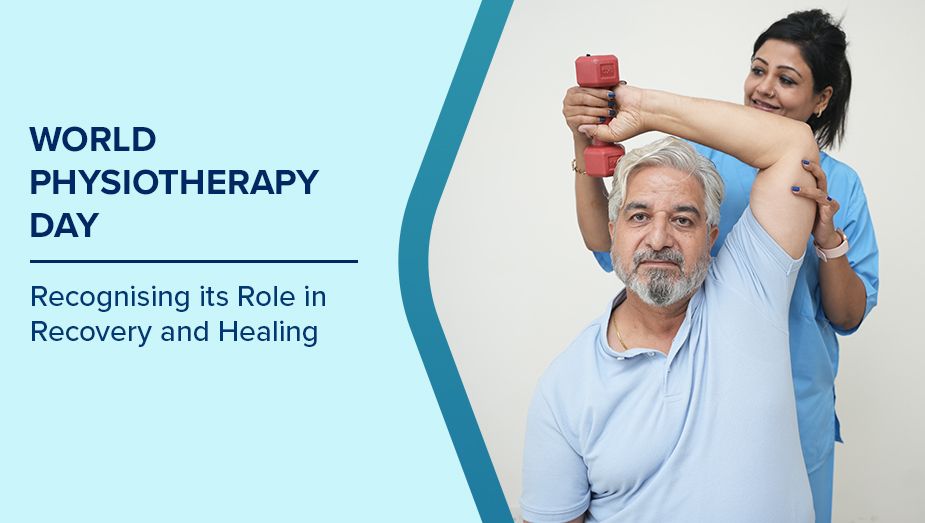
Call Us+91 926 888 0303World Physiotherapy Day 2025: Recognising its Role in Recovery and Healing
By Dr. Vinay Sharma in Physiotherapy & Rehabilitation Medicine
Aug 27 , 2025 | 12 min read
1

Physiotherapy has helped countless individuals regain strength, mobility, and confidence after injury, illness, or surgery. More than just rehabilitation, it’s a pathway to restoring independence and enhancing overall well-being. World Physiotherapy Day is observed every year on 8th of September, to recognise the significance of this field and honor the professionals behind it. On this World Physiotherapy Day, we take a moment to acknowledge the vital contributions of physiotherapists who work tirelessly to support recovery journeys, manage chronic conditions, and promote healthier, more active lifestyles. But first, let’s take a closer look at what the day represents.
History and Significance of World Physiotherapy Day
World Physiotherapy Day is observed each year on 8th September to honour the contributions of physiotherapists and raise awareness about the vital role physiotherapy plays in health and rehabilitation. The day marks the founding of World Physiotherapy (formerly known as the World Confederation for Physical Therapy) in 1951, making it a meaningful date for professionals in this field across the globe.
The observance was officially launched in 1996 and has since become an opportunity to bring attention to how physiotherapy improves mobility, reduces pain, and supports recovery from a wide range of health conditions. Each year, the day focuses on a specific theme related to patient care and the evolving role of physiotherapy in modern medicine.
World Physiotherapy Day Theme 2025
The theme for World Physiotherapy Day 2025 focuses on the role of physiotherapy and physical activity in healthy ageing, with a particular emphasis on preventing frailty and falls. As people live longer, the risks that come with ageing, such as reduced balance, weaker muscles, and higher chances of falling, become more common.
This year’s theme encourages people to take proactive steps to stay active and independent as they grow older. Physiotherapists play a key role in this process by designing exercise plans that improve strength, balance, and mobility. These interventions can help older adults remain confident in their movements, reduce their risk of injury, and continue to do the things they enjoy.
What Does Physiotherapy Involve?
Physiotherapy offers more than just short-term relief. It focuses on long-term recovery, improved function, and preventing future problems. Here's a closer look at what it typically includes:
1. Initial Assessment and Goal Setting
The process usually begins with a thorough evaluation. The physiotherapist assesses physical function, pain levels, range of motion, posture, and the impact of the condition on daily life. Medical history and current symptoms are also considered. Based on these findings, a recovery plan is developed. This plan outlines clear goals such as regaining mobility after surgery or reducing chronic back pain and maps out the steps needed to get there.
2. Exercise-Based Rehabilitation
Exercise is often the foundation of physiotherapy. Depending on the condition, patients may be guided through a series of movements that focus on strength, flexibility, endurance, or balance. These exercises can target specific muscle groups or support overall conditioning. Over time, they help improve joint function, restore muscle control, and reduce discomfort during everyday activities.
3. Manual Therapy Techniques
In many cases, physiotherapists use hands-on techniques to treat stiffness, improve circulation, or ease muscle tension. This may involve joint mobilisation, soft tissue massage, or stretching. Manual therapy can support healing, relieve pain, and make it easier to move without strain.
4. Pain Management and Supportive Therapies
Physiotherapy can also include methods to manage or reduce pain during recovery. Depending on individual needs, this may involve:
- Heat and cold therapy: To reduce swelling or soothe sore muscles
- Ultrasound therapy: To promote tissue healing in deeper layers
- Electrical stimulation (TENS): To block pain signals and relax muscles
- Taping or bracing: To support joints and aid in movement
These therapies can be particularly helpful during the early stages of recovery or in long-term conditions like arthritis.
5. Lifestyle Guidance
An essential part of physiotherapy is helping patients understand their condition and how to manage it outside the clinic. This includes advice on posture, body mechanics, movement habits, and how to modify daily routines to prevent strain. For many, learning how to avoid reinjury or manage flare-ups can be just as important as the physical treatment itself.
6. Progress Monitoring and Adjustments
Recovery is rarely linear. Physiotherapists regularly track progress, adjusting treatment plans based on improvements or new challenges. If a certain exercise becomes too easy or a new issue arises, the plan is modified to match the patient’s current medical needs. This step-by-step approach helps ensure that therapy stays relevant and effective throughout the recovery process.
How Does Physiotherapy Support Recovery?
Recovering from an illness, injury, or surgery often takes time and the journey is rarely straightforward. Physiotherapy plays a central role in this process by helping the body regain strength, movement, and stability in a gradual, structured way. Here are some of the ways in which physiotherapy supports recovery:
1. Restoring Movement After Injury or Surgery
When muscles, joints, or bones are affected, the body can stiffen or lose its normal range of motion. This often happens after fractures, joint replacements, or ligament injuries. Physiotherapy focuses on gentle, guided movement in the early stages. Over time, this helps reduce stiffness, improve flexibility, and build back muscle strength. The aim is to restore movement safely, without causing further strain.
2. Reducing Pain and Swelling
Pain and swelling can hold back recovery, especially in conditions such as arthritis, sports injuries, or post-operative healing. Physiotherapists use a combination of exercises and treatments such as cold packs, manual therapy, and electrotherapy to manage these symptoms. These techniques can calm inflamed tissues, improve circulation, and make it easier for the body to heal naturally.
3. Improving Blood Flow to Injured Areas
One of the first steps in healing is getting enough blood to the affected area. Good circulation delivers oxygen and nutrients that damaged tissues need to repair. Physiotherapy uses specific exercises and manual techniques to boost blood flow without putting too much strain on the body. This is especially important in areas where blood supply is naturally limited, such as tendons or ligaments.
4. Stimulating Tissue Repair
Targeted movement and stretching can encourage soft tissues to regenerate in the right way. Controlled loading of muscles, tendons, or ligaments during physiotherapy helps them heal with proper alignment and strength. Without this guidance, tissues might become stiff or heal in a way that limits movement or causes pain later on.
5. Preventing Muscle Weakness and Deconditioning
Long periods of rest or limited activity such as during hospital stays or recovery from a major illness can cause muscle loss and general weakness. Physiotherapy introduces controlled activity to prevent this. Even small, carefully chosen movements can help maintain strength and reduce the risk of complications like joint stiffness or poor posture during recovery.
6. Supporting Balance and Coordination
Certain conditions, such as stroke or neurological disorders, can affect balance and coordination. This increases the risk of falls or further injury. Physiotherapy includes exercises that retrain the brain and body to work together again. These may involve walking drills, balance exercises, or strengthening specific muscle groups that help with stability.
7. Helping Patients Regain Independence
Recovery isn’t just about healing, it’s also about returning to normal life. Physiotherapists help patients rebuild the physical ability needed to carry out daily tasks like walking, climbing stairs, dressing, or returning to work. This focus on functional recovery gives patients the confidence to move more freely and safely as they heal.
8. Supporting Nerve Recovery
In conditions where nerves have been affected such as after surgery, injury, or a neurological disorder physiotherapy can help retrain the nervous system. Exercises that challenge balance, coordination, or fine motor control can help reconnect signals between the brain and body. This support is important in regaining both strength and confidence in movement.
9. Encouraging Cellular Healing Through Movement
It’s well known that too much rest can slow healing. Controlled movement, on the other hand, helps stimulate the production of healing cells and collagen. Physiotherapy introduces this movement gradually and safely, helping tissues heal in a more organised and functional way.
10. Reducing the Risk of Scar Tissue Build-up
When muscles or ligaments are healing, there’s a chance of scar tissue forming in a way that restricts movement or causes pain. Physiotherapy uses stretching, mobilisation, and strengthening to limit this build-up and keep tissues flexible. This not only helps with healing but also prevents long-term complications.
Recognising the Contribution of Physiotherapists
Physiotherapists play a crucial part in helping people regain movement, manage pain, and rebuild their lives after illness or injury. Yet, the value of their work often goes unnoticed. Here’s how physiotherapists play a crucial role in healthcare:
- They guide recovery after illness or injury: Physiotherapists play a key role in helping people regain strength and movement after surgery, accidents, strokes, or chronic conditions. Their support often helps patients rebuild independence and confidence.
- They ease the load on hospitals and clinics: With their focus on rehabilitation and prevention, physiotherapists can help reduce hospital stays, avoid repeat surgeries, and lessen the need for long-term medication, making healthcare more efficient overall.
- They help manage long-term health conditions: Physiotherapists work with patients who live with arthritis, back pain, postural issues, or neurological disorders. Their involvement improves mobility, reduces flare-ups, and helps maintain day-to-day function.
- They offer ongoing, personalised support: Recovery looks different for everyone. Physiotherapists adjust their approach based on each patient’s goals, progress, and comfort level, making treatment more effective and easier to follow.
- They support people beyond hospital settings: From helping children with developmental delays to assisting older adults in maintaining mobility, physiotherapists work across all age groups and care settings, not just in post-surgery recovery.
- They turn recovery into active rehabilitation: Physiotherapy is often the point where patients move from being cared for to taking control of their own healing. Simple milestones like walking unaided or returning to daily routines often happen because of this guided support.
How Can You Contribute This World Physiotherapy Day?
World Physiotherapy Day is more than just a date on the calendar. It’s a chance to appreciate the work physiotherapists do every day and to spread awareness about how physiotherapy improves lives. Even small actions can help highlight their efforts and bring more attention to this important field. Here’s how you can make a difference:
- Thank a physiotherapist: If you or someone close to you has benefited from physiotherapy, a simple thank-you message can mean a lot. A note, call, or even a social media post can go a long way.
- Share your story: Talking about your recovery journey or experience with physiotherapy can help others understand its value and may even encourage someone to seek help they’ve been putting off.
- Raise awareness in your community: Share educational posts, infographics, or short videos about physiotherapy and its benefits. Highlight how it helps manage pain, support recovery, and improve mobility.
- Encourage early intervention: Many people delay physiotherapy thinking their pain will go away on its own. Remind friends and family that early support often leads to better outcomes.
- Support physiotherapy events: Look out for local awareness drives, workshops, or health camps. Attending or volunteering at such events helps spread the message and supports the community.
- Follow and amplify credible voices: Support physiotherapy organisations and professionals by following their social media pages and sharing their content. It helps build awareness and keeps you informed.
- Promote physiotherapy in schools or workplaces: Encourage discussions about posture, ergonomics, and movement. Small changes in daily habits can prevent long-term issues, and physiotherapists often provide helpful guidance in these areas.
Final Words
World Physiotherapy Day is a timely reminder to recognise the dedication of physiotherapists who often step in when active medical treatment is complete or ongoing, helping patients move forward in their recovery. Their support during this phase is key to regaining strength, mobility, and quality of life. If recovery feels slow or incomplete, physiotherapy might offer the boost that’s needed. Consult a physiotherapist at Max Hospital to take that next step toward lasting relief and better movement.
Frequently Asked Questions
How soon can someone see improvement with physiotherapy?
Improvement timelines depend on the nature and severity of the condition. For acute injuries like sprains or post-operative stiffness, progress can sometimes be seen within a few sessions. Chronic issues such as back pain or neurological conditions may take longer, often requiring consistent sessions over weeks or months. The physiotherapist will typically review progress regularly and adjust the plan as needed.
Do I need a referral from a doctor to start physiotherapy?
In most cases, physiotherapists can be consulted directly, especially for general concerns like muscle tightness or joint pain. However, in hospital settings or when recovering from surgery or serious illness, a referral from a treating physician is often recommended to ensure coordinated care and insurance compliance.
Is physiotherapy supposed to hurt?
Physiotherapy aims to restore movement and function and not cause pain. Some mild discomfort or soreness is normal during early sessions, especially if muscles or joints haven't been used in a while. However, sharp or persistent pain isn't expected, and patients should always inform their therapist if something feels too painful so the approach can be adjusted.
Can I continue physiotherapy at home?
Yes. After a few supervised sessions, many physiotherapists provide home exercise programmes tailored to the patient’s condition. These exercises are meant to complement in-clinic treatment. For patients with mobility limitations, home physiotherapy visits may also be arranged, depending on availability and need.
How frequently should physiotherapy sessions be scheduled?
The frequency depends on the condition, its stage, and the individual’s goals. Acute post-surgery patients may require sessions three to five times a week initially. Chronic pain cases might begin with twice-weekly sessions, gradually reducing as improvement occurs. The physiotherapist will outline a suitable schedule after assessment.
Does health insurance cover physiotherapy sessions?
Many insurance policies offer partial or full coverage for physiotherapy, particularly when it’s medically prescribed. Coverage may vary in terms of number of sessions or approved conditions. It’s advisable to check with the hospital’s insurance helpdesk or the insurer directly before beginning sessions.
Can physiotherapy help with chronic conditions such as arthritis or long-term back pain?
Yes. Physiotherapy plays a central role in managing long-term conditions. For arthritis, it helps maintain joint flexibility and reduce stiffness. For back pain, therapists focus on strengthening muscles, improving posture, and increasing range of motion. Regular sessions can also reduce reliance on pain medication.
What kind of clothing is suitable for a physiotherapy session?
It’s best to wear loose-fitting, stretchable clothing that allows easy movement. For sessions focusing on the knee, hip, or spine, shorts or track pants are preferable. Sleeveless or short-sleeved tops are ideal for upper body sessions to allow access without discomfort.
Is physiotherapy safe and effective for the elderly?
Absolutely. In fact, elderly often benefit greatly from physiotherapy. It helps in maintaining independence, improving balance, preventing falls, reducing joint pain, and increasing flexibility. Sessions are carefully planned to match an individual’s mobility level and any co-existing health conditions.
What conditions, apart from injuries, are treated through physiotherapy?
Physiotherapy isn’t limited to injury recovery. It also helps with neurological disorders like stroke and Parkinson’s disease, respiratory conditions like COPD, pelvic floor issues, sports rehabilitation, postural problems, and recovery after surgeries such as joint replacements or spinal procedures.
Written and Verified by:

Related Blogs

Dr. Rohit Mehta (PT) In Orthopaedics & Joint Replacement , Physiotherapy & Rehabilitation Medicine
Nov 07 , 2020 | 1 min read

Dr. Rohit Mehta (PT) In Physiotherapy & Rehabilitation Medicine
May 11 , 2016 | 3 min read
Blogs by Doctor

Piriformis Syndrome: Symptoms, Causes, Treatment Options, and Beyond
Dr. Vinay Sharma In Physiotherapy & Rehabilitation Medicine
May 24 , 2024 | 10 min read

Wondering, “Why Do My Thighs Hurt”? Here’s the Answer!
Dr. Vinay Sharma In Physiotherapy & Rehabilitation Medicine
Apr 03 , 2025 | 7 min read
Most read Blogs


Related Blogs
Dr. Rohit Mehta (PT) In Orthopaedics & Joint Replacement , Physiotherapy & Rehabilitation Medicine
Nov 07 , 2020 | 1 min read
Dr. Rohit Mehta (PT) In Physiotherapy & Rehabilitation Medicine
May 11 , 2016 | 3 min read
Blogs by Doctor
Piriformis Syndrome: Symptoms, Causes, Treatment Options, and Beyond
Dr. Vinay Sharma In Physiotherapy & Rehabilitation Medicine
May 24 , 2024 | 10 min read
Wondering, “Why Do My Thighs Hurt”? Here’s the Answer!
Dr. Vinay Sharma In Physiotherapy & Rehabilitation Medicine
Apr 03 , 2025 | 7 min read
Most read Blogs