 WhatsApp Us (24/7)
 +91 926 888 0303 (24/7)


To Book an Appointment
Call Us+91 926 888 0303World Osteoporosis Day 2025: Turning Awareness Into Action
By Dr. Apurv Mehra in Orthopaedics & Joint Replacement
Oct 16 , 2025 | 5 min read

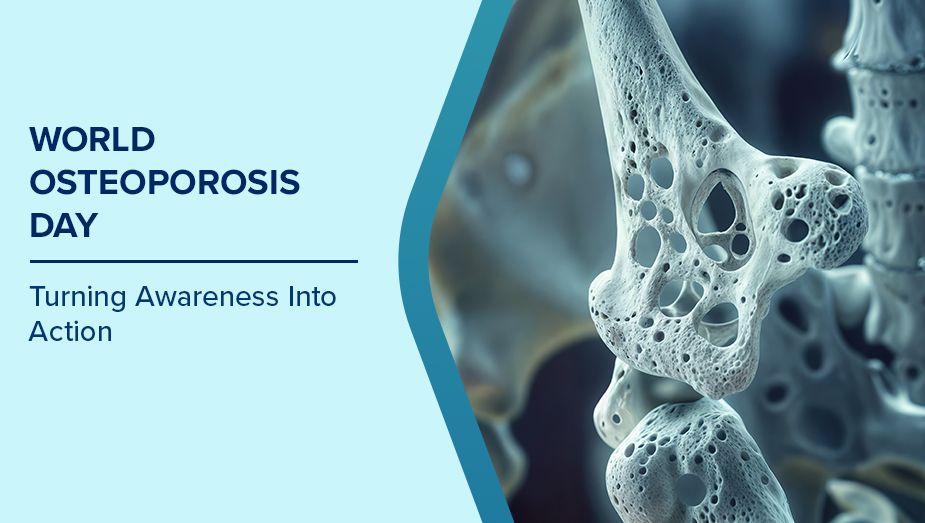
Our bones quietly support every movement, every step, and every moment of our lives. Yet, we often overlook their health until a problem arises. World Osteoporosis Day, observed every year on 20th October, reminds us of the importance of strong bones and the silent threat that weakens them over time, Osteoporosis.
Osteoporosis often develops gradually, without noticeable symptoms, until a fracture occurs. Turning awareness into action means taking steps today to protect bone strength, improve posture, and prevent painful and debilitating fractures in the future.
Understanding Osteoporosis
Osteoporosis is a condition that weakens bones, making them fragile and more likely to break. It occurs when bone tissue breaks down faster than it can rebuild. Over time, this imbalance causes bones to lose density and become porous.
The condition can affect anyone, but it is more common in women after menopause due to hormonal changes. Men can also develop Osteoporosis, particularly with ageing, sedentary lifestyles, or poor nutrition.
Bones are living tissue that constantly renew themselves. In youth, the body builds new bone faster than it loses old bone, resulting in a strong and dense skeletal structure. However, as people age, this process slows down, increasing the risk of fragility and fractures, especially in the hips, wrists, and spine.
Why World Osteoporosis Day Matters
World Osteoporosis Day is not only about raising awareness but also about encouraging people to take preventive steps. Many still believe that weak bones are a natural part of ageing, but Osteoporosis is not inevitable.
The purpose of this day is to educate people about bone health, encourage early detection, and promote small but effective changes in lifestyle. By increasing public awareness, the goal is to reduce the risk of fractures and help individuals maintain independence and quality of life as they age.
Awareness is the first step, but action is what truly makes the difference. Building strong bones begins early in life and continues through adulthood with consistent, healthy habits.
Warning Signs You Shouldn’t Ignore
Osteoporosis is often called a “silent condition” because it progresses quietly until a fracture happens. However, there are a few subtle signs that can indicate bone loss:
- Persistent or unexplained back pain
- Loss of height over time
- Stooped posture or a curved spine
- Fractures after minor falls or injuries
- Reduced grip strength or general weakness
If you notice any of these signs, it is important to seek medical advice. Early evaluation can help prevent further damage and improve long-term outcomes.
Everyday Habits That Strengthen Bones
Building and maintaining strong bones depends largely on everyday choices. Simple changes in daily routines can help preserve bone density and overall skeletal health.
Eat a bone-friendly diet
Include calcium-rich foods such as dairy products, leafy greens, almonds, and fortified cereals. Pair them with foods high in vitamin D, like eggs and fish, which help the body absorb calcium effectively.
Stay physically active
Weight-bearing exercises such as walking, jogging, dancing, or climbing stairs strengthen bones and muscles. Resistance training, yoga, and pilates also improve balance and flexibility, reducing the risk of falls.
Maintain a healthy lifestyle
Avoid smoking and limit alcohol intake, as both can interfere with bone renewal. Staying hydrated and maintaining a healthy weight further supports bone and joint function.
Focus on posture
Correct posture supports spinal alignment and eases strain on the back. Simple stretching or back-strengthening exercises help in maintaining spinal health, particularly in older adults.
Early Detection and Screening
Early detection of Osteoporosis allows for timely treatment and prevention of complications. A bone density test (DEXA scan) is a painless and simple way to measure bone strength. It helps identify individuals at risk, even before fractures occur.
Regular screenings are especially important for:
- Postmenopausal women
- Adults over the age of 50
- People with a family history of Osteoporosis
- Individuals with low body weight or chronic health conditions
Consulting a doctor about bone health is not limited to those with symptoms. Preventive screening can provide valuable insight into how your bones are ageing and what steps can be taken to protect them.
Nutrition and Bone Health
Healthy bones rely on a steady supply of essential nutrients. Diet plays a major role in maintaining bone density and supporting natural bone repair.
Calcium: The foundation mineral for strong bones. Dairy products, tofu, seeds, and green vegetables are good sources.
Vitamin D: Helps the body absorb calcium. Regular sunlight exposure and foods like fish, eggs, and fortified milk contribute to maintaining vitamin D levels.
Magnesium and Zinc: These minerals support bone formation and strength. They are found in nuts, whole grains, and legumes.
Protein: Necessary for bone structure and repair. Include lean meat, dairy, lentils, and beans in daily meals.
Balanced nutrition not only prevents bone loss but also supports overall health and energy levels.
Managing Osteoporosis Effectively
If Osteoporosis is diagnosed, management focuses on preventing fractures and preserving bone strength. A combination of medical guidance and lifestyle changes can make a significant difference.
Medical management: Doctors may suggest treatments that help slow bone loss and improve bone density. The right approach varies depending on age, health status, and risk level.
Exercise and physiotherapy: Guided physical activity builds muscle strength and enhances balance, reducing the risk of falls.
Home safety adjustments: Installing grab bars, improving lighting, and using non-slip mats can prevent accidents that lead to fractures.
Regular monitoring: Follow-up bone scans help track progress and ensure that treatment remains effective.
Small Steps for Stronger Bones
World Osteoporosis Day encourages everyone to shift from knowing about bone health to actively protecting it. Awareness without action achieves little; true change happens when daily routines reflect care and prevention.
Practical actions to consider include:
- Scheduling a bone health check-up.
- Adding calcium and vitamin D-rich foods to meals.
- Incorporating daily exercise, even short walks.
- Discussing risk factors with your doctor.
- Encouraging family and friends to prioritise bone health.
Creating awareness at home, schools, and workplaces can help reduce stigma, promote early detection, and inspire a culture of prevention.
Strong bones are not built overnight; they are the result of consistent, conscious care. By making small but meaningful choices, everyone can contribute to a future with fewer fractures and stronger, healthier lives.
Conclusion
Osteoporosis is a silent yet preventable condition. By recognising the importance of bone health and taking timely steps, people can stay active and independent for longer. World Osteoporosis Day serves as a reminder that awareness is only the beginning; the real change comes when we take action.
Whether through diet, exercise, or regular check-ups, every effort counts towards protecting the foundation of our bodies. Turning awareness into action today ensures stronger bones and a healthier tomorrow.
Frequently Asked Questions
1. How is Osteoporosis different from general bone weakness?
Osteoporosis causes a significant reduction in bone density, making bones brittle and more prone to fractures. General bone weakness may be temporary and linked to nutritional deficiencies or inactivity.
2. Can men develop Osteoporosis, or is it only a women’s condition?
Although it is more common in women, men can also develop Osteoporosis, particularly with ageing, low testosterone, or poor diet.
3. Does Osteoporosis always cause pain or visible symptoms?
No, Osteoporosis often develops silently without pain or obvious signs until a bone breaks. Regular bone check-ups help detect it early.
4. What role does sunlight play in maintaining bone health?
Sunlight helps the body produce vitamin D, which supports calcium absorption and strengthens bones. Moderate sun exposure is beneficial for bone health.
5. Are there any exercises to avoid if someone has weak bones?
High-impact activities or those involving sudden twisting motions should be avoided. Low-impact exercises like walking, swimming, or yoga are safer alternatives.
Written and Verified by:

Related Blogs


Dr. Ashish Jain In Orthopaedics & Joint Replacement
Nov 07 , 2020 | 1 min read
Most read Blogs


Related Blogs
Dr. Ashish Jain In Orthopaedics & Joint Replacement
Nov 07 , 2020 | 1 min read
Most read Blogs