 WhatsApp Us (24/7)
 +91 926 888 0303 (24/7)


To Book an Appointment
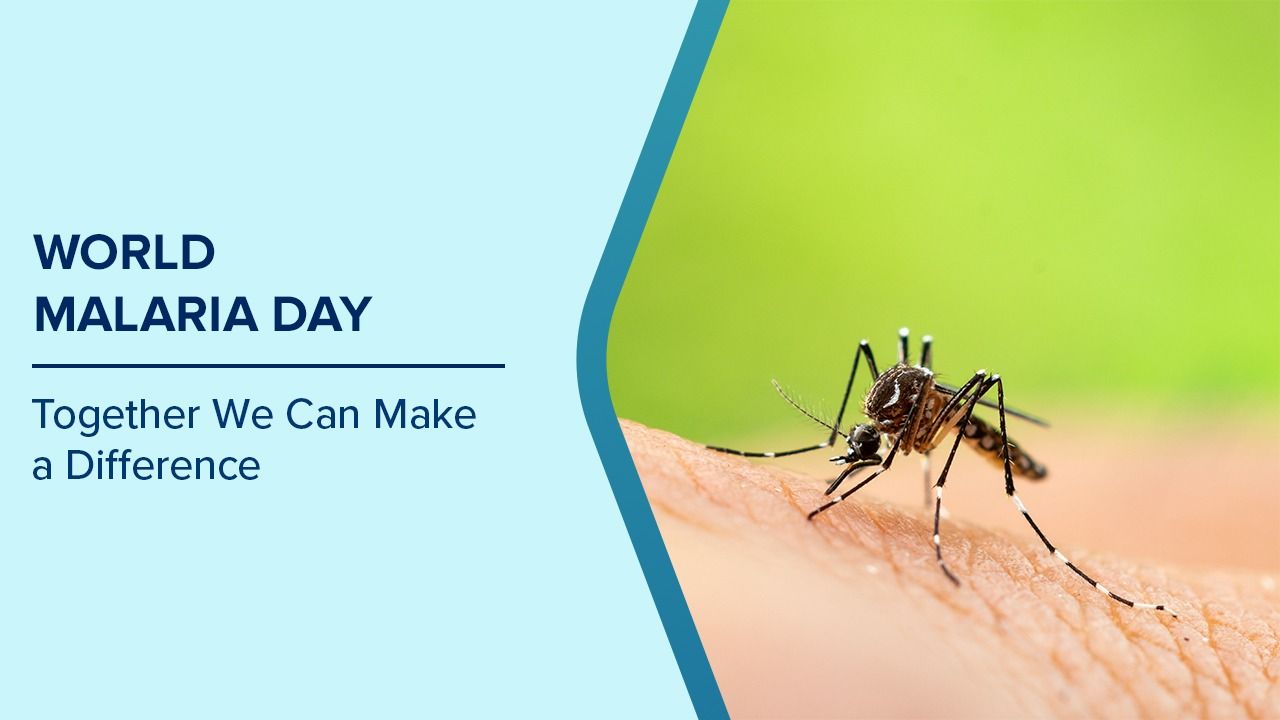
Call Us+91 926 888 0303World Malaria Day 2026: Together We Can Make a Difference
By Dr. Supriya Bali in Internal Medicine
Apr 15 , 2026
1

Malaria is a mosquito-borne disease that continues to affect millions of people worldwide, particularly in tropical and subtropical regions. Caused by parasites transmitted through the bite of infected mosquitoes, the illness can lead to serious complications if not recognised and treated in time. To raise global awareness and strengthen prevention efforts, the World Health Organization established World Malaria Day, observed every year on 25 April. The day highlights the need for continued action to reduce malaria cases and protect vulnerable populations. In line with this objective, this blog covers why malaria remains a global health concern, the symptoms that should not be ignored, and the preventive steps that can help reduce its spread.
History and Significance of World Malaria Day
World Malaria Day was established by the World Health Organization in 2007 during the World Health Assembly. The observance evolved from Africa Malaria Day, which had been marked by African countries since 2001 to highlight the growing burden of malaria across the continent. As malaria continued to affect many parts of the world, global health leaders recognised the need for a broader platform that could draw international attention to the disease. The day was therefore introduced to create a unified opportunity for governments, health organisations, and communities across the world to focus on malaria prevention, diagnosis, and treatment.
World Malaria Day serves as an important reminder that malaria remains a major public health concern despite years of progress in control efforts. The day encourages global collaboration to strengthen prevention strategies, improve access to timely diagnosis and treatment, and support ongoing research aimed at reducing the disease burden. It also provides an opportunity to recognise the efforts of healthcare workers, researchers, and community programmes that contribute to malaria control. Most importantly, the observance reinforces the message that sustained awareness, preventive action, and stronger health systems are essential to reduce malaria cases and save lives.
Why Does Malaria Still Remain a Global Health Concern?
Malaria remains one of the most persistent infectious diseases in many parts of the world. Despite significant progress in prevention and treatment, several factors continue to contribute to its ongoing spread and impact:
- Favourable climate for mosquito breeding: Warm temperatures and seasonal rainfall in many tropical and subtropical regions create ideal conditions for mosquitoes that transmit malaria parasites.
- Limited access to timely healthcare: In several high-risk areas, access to early diagnosis and proper medical treatment remains limited, allowing infections to worsen and spread within communities.
- Gaps in prevention measures: Not all communities have adequate access to mosquito control tools such as insecticide-treated bed nets or indoor spraying programmes.
- Drug and insecticide resistance: In some regions, malaria parasites have developed resistance to certain treatments, and mosquitoes have become less responsive to commonly used insecticides.
- Socioeconomic and infrastructure challenges: Poverty, inadequate housing, and limited public health infrastructure can increase exposure to mosquito bites and make disease control efforts more difficult.
How is Malaria Transmitted?
Malaria is primarily transmitted through the bite of an infected female Anopheles mosquito. During the bite, malaria parasites enter the bloodstream and begin multiplying in the body, eventually causing illness. The disease spreads through the following routes:
- Bite of an infected mosquito: The most common mode of transmission occurs when an infected female Anopheles mosquito bites a person and passes malaria parasites into the bloodstream.
- Mosquito bites an infected person: When a mosquito bites a person who already has malaria, it ingests the parasites along with the blood. The parasites develop inside the mosquito and can then be transmitted to another person during a later bite.
- Blood transfusion from an infected donor: Malaria can spread through transfusion if the donated blood contains malaria parasites.
- Shared needles or syringes: In rare cases, the infection may spread through contaminated needles used for injections.
- Mother-to-child transmission: A pregnant woman with malaria can pass the infection to the baby during pregnancy or at birth.
Who is Most At-Risk of Malaria?
Certain groups of people face a higher risk of malaria infection due to weaker immunity, greater exposure to mosquitoes, or limited access to preventive measures. The following populations are considered more vulnerable:
- Children under five years of age: Young children have not yet developed sufficient immunity against malaria, making them more susceptible to severe illness.
- Pregnant women: Pregnancy reduces immunity, which increases the risk of malaria infection and related complications for both the mother and the unborn baby.
- People living in malaria-endemic regions: Individuals residing in areas where malaria is common face repeated exposure to infected mosquitoes.
- Travellers visiting malaria-prone regions: People travelling from areas where malaria is uncommon may have little or no immunity to the infection.
- Communities with limited access to healthcare: Delayed diagnosis and lack of timely treatment can increase the risk of severe illness and complications.
What are the Common Symptoms of Malaria?
Malaria symptoms usually appear within a few days to a few weeks after a person is bitten by an infected mosquito. The illness often begins with flu-like symptoms, which can gradually become more severe if treatment is delayed. Common symptoms of malaria include:
- Fever: One of the most common signs, often occurring in cycles.
- Chills and sweating: Sudden chills followed by intense sweating are frequently reported.
- Headache: Persistent or severe headaches may occur during infection.
- Muscle aches and fatigue:Body pain and extreme tiredness are common in many patients.
- Nausea and vomiting: Some people may experience stomach discomfort or vomiting.
- Loss of appetite: Reduced interest in food can accompany other symptoms.
- Abdominal pain or diarrhoea: Digestive symptoms may appear in some cases.
In severe cases, malaria can lead to complications such as confusion, breathing difficulty, seizures, or organ failure.
How is Malaria Treated?
Malaria treatment depends on the type of malaria parasite, the severity of the illness, and the patient’s overall health.
Antimalarial Medicines
Medicines that target malaria parasites are the main form of treatment. These medicines work by killing the parasites present in the bloodstream. The specific medicine and treatment duration depend on the species of parasite causing the infection and the treatment guidelines followed in that region. When treated early, most people recover without serious complications.
Injectable Treatment for Severe Malaria
Severe malaria requires urgent hospital care. In such cases, doctors may administer injectable medicines to quickly control the infection. Patients are closely monitored in a hospital setting to manage complications such as severe anaemia, breathing problems, or organ dysfunction.
Safe Treatment Options During Pregnancy
Pregnant women diagnosed with malaria require treatment that is safe for both the mother and the developing baby. Doctors carefully select appropriate medicines and monitor the patient throughout treatment to reduce the risk of complications related to the infection.
Supportive Medical Care
Supportive care helps manage symptoms and supports the body during recovery. This may include controlling fever, maintaining adequate hydration, and monitoring for signs of complications. Medical supervision ensures that the patient responds well to treatment.
How Can Malaria be Prevented?
Preventing malaria mainly involves reducing exposure to mosquito bites and controlling mosquito breeding in surrounding areas. The following preventive measures can help reduce the spread of malaria:
- Use insecticide-treated mosquito nets: Sleeping under treated mosquito nets helps protect against mosquito bites, especially at night when malaria-carrying mosquitoes are most active.
- Apply mosquito repellents: Using repellents on exposed skin can help reduce the chances of mosquito bites in areas where malaria is common.
- Wear protective clothing: Long-sleeved shirts, long trousers, and socks can help minimise skin exposure and reduce mosquito bites.
- Eliminate stagnant water: Mosquitoes breed in standing water. Emptying containers, cleaning drains, and preventing water accumulation around homes can help limit breeding.
- Install window and door screens: Screens can prevent mosquitoes from entering indoor spaces and reduce the risk of bites inside homes.
- Indoor mosquito control measures: Indoor spraying and the use of mosquito control devices can help reduce mosquito presence within living spaces.
- Community mosquito control programmes: Public health initiatives aimed at managing mosquito populations and breeding sites can help reduce transmission in high-risk areas.
- Preventive treatment for high-risk groups: In some regions, preventive medicines may be recommended for pregnant women, children, or travellers visiting malaria-endemic areas.
- Early testing and treatment: Seeking medical care at the first sign of symptoms can help prevent severe illness and reduce the chances of further transmission.
How Can You Contribute to the Fight Against Malaria?
Reducing the burden of malaria requires active participation from individuals, families, and communities. The following steps can help individuals contribute to the fight against malaria:
- Stay informed about malaria and its prevention: Awareness of how malaria spreads, the symptoms to watch for, and the importance of early treatment can help people take timely action and reduce the risk of complications.
- Prevent mosquito breeding around homes: Regularly checking surroundings for stagnant water in containers, flower pots, water tanks, and drains can help limit mosquito breeding sites and reduce mosquito populations.
- Promote the use of protective measures: Encouraging the use of mosquito nets, repellents, and protective clothing in households and communities can help minimise exposure to mosquito bites.
- Seek medical care at the first sign of symptoms: Early diagnosis and treatment can prevent severe illness and also help reduce the chances of further transmission within the community.
- Support local awareness and prevention campaigns: Participation in community health drives, awareness programmes, and sanitation initiatives can strengthen collective efforts to control mosquito populations.
- Share accurate information within the community: Spreading reliable information about malaria prevention and symptoms can help others recognise the disease early and adopt preventive practices.
- Encourage community cleanliness and environmental responsibility: Community efforts such as proper waste management, cleaning neighbourhood spaces, and maintaining drainage systems can contribute to long-term mosquito control.
Final Words
World Malaria Day serves as a reminder that protecting health is not only the responsibility of public health systems but also something that begins with the choices you make. If you notice persistent fever, chills, or unexplained fatigue after mosquito exposure, it is important not to ignore these signs. Speak with an infectious disease specialist or an internal medicine specialist at Max Hospital who can help you receive the right evaluation and treatment at the right time.
Frequently Asked Questions.
Can malaria spread directly from one person to another?
Malaria does not spread through casual contact such as touching, coughing, or sharing food. The disease is mainly transmitted through the bite of an infected mosquito. In rare situations, it may spread through infected blood transfusions, organ transplants, or shared needles.
How long does it take for malaria symptoms to appear after infection?
Symptoms usually appear within 10 to 15 days after a person is bitten by an infected mosquito. In some cases, symptoms may take longer to develop depending on the type of malaria parasite involved.
Is malaria completely curable?
Yes, malaria can be cured if it is diagnosed early and treated with appropriate medicines. Prompt treatment helps clear the parasites from the body and reduces the risk of serious complications.
Can malaria occur more than once?
Yes, a person can get malaria more than once. Previous infection does not always provide long-term immunity, especially in regions where malaria transmission is common.
Does malaria occur only during the rainy season?
Malaria cases often increase during or after the rainy season because standing water creates favourable conditions for mosquito breeding. However, the disease can occur at any time of the year in areas where malaria-carrying mosquitoes are present.
Is there a vaccine available for malaria?
Malaria vaccines have been introduced in some high-risk regions, particularly to protect young children. These vaccines are part of broader malaria prevention programmes and are used alongside other control measures to reduce the disease burden.
Written and Verified by:

Related Blogs


Dr. Vandana Boobna In Internal Medicine
Nov 08 , 2020 | 2 min read
Blogs by Doctor

Bone Disease in Women : Essential Facts!
Dr. Supriya Bali In Orthopaedics & Joint Replacement
Nov 08 , 2020 | 3 min read

Most read Blogs


Related Blogs
Dr. Vandana Boobna In Internal Medicine
Nov 08 , 2020 | 2 min read
Blogs by Doctor
Bone Disease in Women : Essential Facts!
Dr. Supriya Bali In Orthopaedics & Joint Replacement
Nov 08 , 2020 | 3 min read
Most read Blogs