 WhatsApp Us (24/7)
 +91 926 888 0303 (24/7)


To Book an Appointment
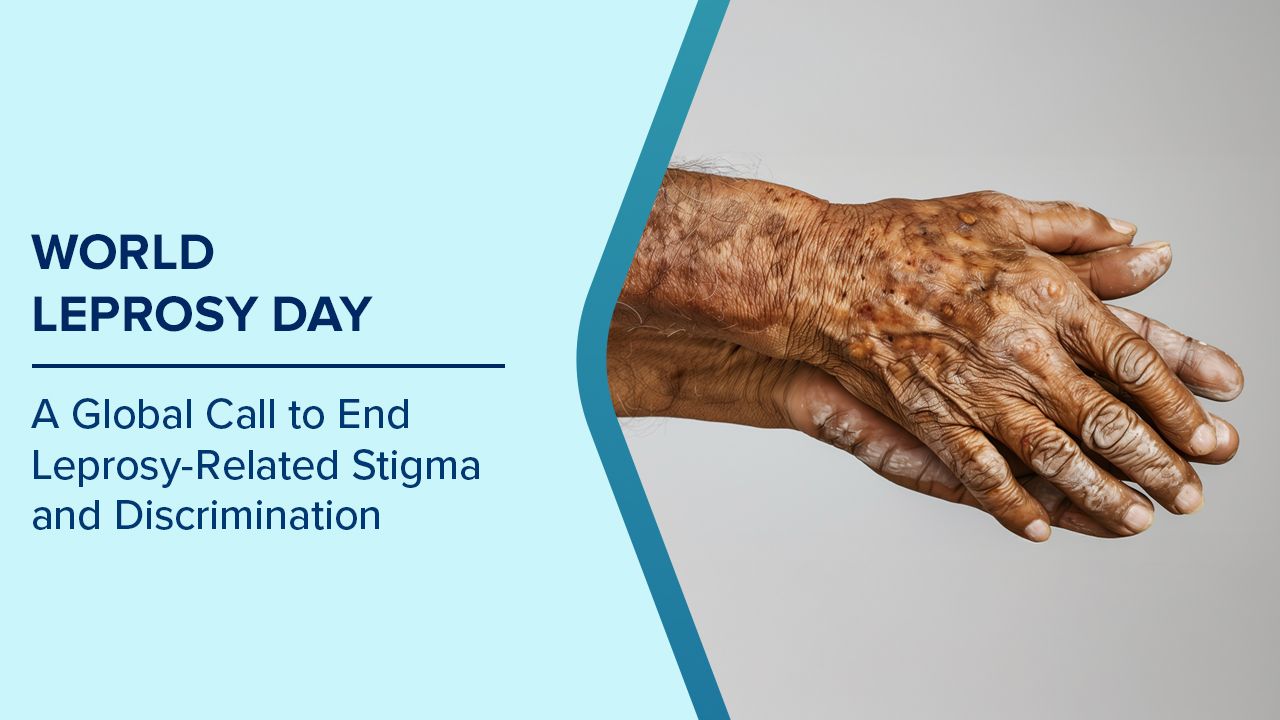
Call Us+91 926 888 0303World Leprosy Day 2026: A Global Call to End Leprosy-Related Stigma and Discrimination
By Dr Pragati Gogia in Dermatology
Jan 21 , 2026
3

Leprosy is a chronic infectious disease that has affected communities for centuries, yet it remains widely misunderstood even today. Caused by bacteria that primarily affect the skin and nerves, leprosy is fully curable with timely medical treatment. Despite this, fear, myths, and social stigma continue to surround the condition, often leading to delayed diagnosis and avoidable complications. World Leprosy Day serves as an important reminder that the challenge is no longer medical alone, but social as well. Discrimination and misinformation still prevent many people from seeking care early, especially in regions where awareness remains limited. Addressing leprosy with facts, empathy, and timely healthcare can change outcomes significantly. This blog discusses leprosy as a disease, its signs, treatment options, and why ending stigma is essential for improving both health and dignity.
History and Significance of World Leprosy Day
World Leprosy Day was established in 1954 by French humanitarian Raoul Follereau, who dedicated his life to advocating for people affected by leprosy. The day is observed annually on the last Sunday of January. In India, it is observed on January 30th, chosen to honor Mahatma Gandhi's death anniversary. Gandhi worked tirelessly to combat leprosy stigma in India, treating affected individuals with compassion and dignity.
World Leprosy Day serves as a critical reminder that despite being curable, leprosy continues to affect vulnerable populations worldwide. The day educates the public about leprosy realities, dispelling dangerous myths and replacing fear with facts. It mobilises resources for elimination efforts and gives voice to those silenced by stigma. Most importantly, it reinforces that leprosy is simply a curable disease and discrimination against affected individuals is unacceptable, reaffirming the global commitment to a world free from both the disease and the prejudice surrounding it.
What is Leprosy?
Leprosy is a chronic infectious disease caused by bacteria that mainly affect the skin, peripheral nerves, and, in some cases, the eyes and lining of the nose. It develops slowly and often begins with pale or reddish patches on the skin that may have reduced sensation. As the disease progresses without treatment, nerve damage can occur, leading to numbness, muscle weakness, and deformities. Leprosy is not highly contagious and does not spread through casual contact.
Leprosy and Stigma: Why Discrimination Persists
Despite being a curable disease, leprosy continues to carry a heavy social stigma, which can affect individuals long before or even after treatment. This stigma is rooted in historical misconceptions, fear of contagion, and visible physical changes caused by the disease.
Several factors contribute to the ongoing stigma and discrimination:
- Historical beliefs and myths: Leprosy has long been associated with curses, punishment, or uncleanliness in many cultures, creating deep-seated fear and prejudice.
- Fear of contagion: People often mistakenly believe that leprosy spreads easily through casual contact, leading to the avoidance of patients.
- Visible physical changes: Skin lesions, numbness, or deformities can draw attention and reinforce negative stereotypes, causing embarrassment or shame for those affected.
- Lack of awareness: Limited public knowledge about the disease, its curability, and the effectiveness of treatment perpetuates fear and misinformation.
- Social and economic impact: Discrimination in workplaces, schools, and social settings can lead to unemployment, isolation, and reduced opportunities for affected individuals.
Stigma not only affects mental and emotional well-being but also delays diagnosis and treatment, increasing the risk of complications and further spread.
How Leprosy Spreads and Who is at Risk
Leprosy spreads through prolonged and close contact with a person who has an untreated infection. The bacteria are mainly transmitted through respiratory droplets released from the nose and mouth during repeated coughing or sneezing over a long period. This slow pattern of spread explains why leprosy is not highly contagious and does not pass through casual contact such as touching, sharing meals, or everyday social interaction.
Most people exposed to the bacteria do not develop leprosy because the immune system is usually able to control the infection.
People at higher risk include:
- Individuals living in close household contact with a person who has untreated leprosy, as repeated exposure over months or years increases the chance of infection.
- People residing in regions where leprosy is still reported more frequently are at a higher likelihood of contact with undiagnosed cases.
- Individuals with weakened immunity caused by chronic illnesses, long-term infections, or poor nutritional status which reduces the body’s ability to fight the bacteria.
- People living in overcrowded or underserved communities where early diagnosis and consistent treatment may be delayed.
- Children in close contact with untreated cases, as prolonged exposure at a young age increases vulnerability.
Early Signs and Symptoms of Leprosy
Leprosy develops slowly, and early symptoms may appear subtle, making them easy to overlook. These signs usually affect the skin and nerves and may progress gradually if not treated. Early signs and symptoms of leprosy include:
- Pale, reddish, or copper-coloured patches on the skin that look different from the surrounding area and often feel numb or less sensitive to touch, heat, or pain.
- Persistent skin lesions that do not heal over weeks or months and may appear dry, scaly, or flat.
- Loss of sensation in specific areas of the skin, which may cause unnoticed injuries or burns.
- Tingling, numbness, or a “pins and needles” feeling in the hands, feet, fingers, or toes.
- Thickened or swollen nerves are commonly felt near the elbows, wrists, knees, or sides of the neck, sometimes causing discomfort.
- Muscle weakness in the hands or feet, leading to difficulty holding objects, lifting the foot, or maintaining balance.
- Reduced sweating in affected areas, causing dryness and cracking of the skin.
- Changes in skin texture, including dryness, roughness, or hair loss over affected patches.
Because early symptoms are often painless and progress slowly, medical attention may be delayed.
Leprosy Treatment Options
Leprosy is a curable disease, and timely treatment plays a key role in preventing nerve damage, disability, and further spread of infection. Treatment options for leprosy include:
1. Multidrug Therapy for Leprosy
The standard treatment for leprosy involves a combination of medicines known as multidrug therapy. This approach targets the bacteria effectively and prevents drug resistance. Treatment duration varies depending on the form of leprosy and may continue for several months. Completing the full course is essential, even when symptoms begin to improve early.
2. Management of Nerve Damage and Complications
Leprosy can affect nerves, leading to numbness, weakness, or pain. Medical care focuses on reducing inflammation, protecting affected nerves, and preventing further damage. Early intervention helps lower the risk of permanent disability and improves long-term outcomes.
3. Supportive Care for Skin and Limb Health
Supportive care is an important part of leprosy management. This includes regular skin care, protection of numb areas from injury, and maintaining mobility in affected limbs. Such measures help prevent wounds, infections, and deformities that may develop due to loss of sensation.
4. Rehabilitation and Physical Support
In cases where leprosy has caused physical impairment, rehabilitation plays a vital role. Physiotherapy and supportive devices help restore function, improve movement, and support independence in daily activities.
5. Psychological and Social Support
Leprosy treatment also addresses emotional and social well-being. Counselling and community support help individuals cope with fear, stigma, and discrimination, encouraging confidence and social reintegration.
Living With Leprosy: Physical and Emotional Challenges
Living with leprosy can affect both the body and mind, even after starting treatment. The disease primarily impacts the skin and peripheral nerves, which can lead to long-term physical difficulties if not addressed early. At the same time, the stigma and misconceptions surrounding leprosy can create emotional stress, affecting confidence, social interactions, and overall quality of life. Here’s a look at the physical and the emotional challenges associated with the condition:
Physical Challenges
Leprosy can lead to a range of physical issues, particularly when diagnosis or treatment is delayed:
- Loss of sensation: Numbness in the hands, feet, or affected skin areas can cause unnoticed injuries, burns, or cuts, which may lead to infections.
- Muscle weakness: Weakness in the limbs can make walking, gripping objects, or performing daily tasks difficult.
- Reduced mobility: Damage to nerves can limit flexibility and movement, affecting routine activities.
- Deformities: In severe or untreated cases, clawed fingers, foot drop, or facial changes may develop.
- Skin complications: Dryness, cracks, or persistent lesions increase the risk of secondary infections.
- Chronic pain or discomfort: Some individuals may experience nerve pain or tingling sensations even during treatment.
Managing these challenges requires a combination of medical care, physiotherapy, protective measures for numb areas, and regular monitoring to prevent long-term disability.
Emotional Challenges
The social and psychological impact of leprosy can be as significant as the physical effects:
- Stigma and discrimination: Misconceptions about the disease often lead to rejection within families, workplaces, or communities.
- Social isolation: Fear of being judged may cause individuals to withdraw from social interaction.
- Anxiety and stress: Concerns about appearance, health, and long-term outcomes can create ongoing mental strain.
- Low self-esteem: Visible changes or disabilities can affect confidence and self-worth.
- Difficulty reintegrating: Even after treatment, social acceptance may take time without awareness and support initiatives.
- Emotional burden on families: Loved ones may also experience stress, worry, or fear of infection, adding to the overall emotional load.
Providing emotional support through counselling, support groups, and awareness programmes, alongside medical care, can help individuals regain confidence, maintain mental well-being, and lead a fulfilling life.
How To Take Part in World Leprosy Day
World Leprosy Day is not just a date on the calendar; it is an opportunity to raise awareness, support those affected, and contribute to ending stigma and discrimination. Ways to take part include:
- Educate yourself and others: Learn about leprosy, its symptoms, treatment, and the importance of early medical care. Share accurate information to dispel myths and misconceptions.
- Support awareness campaigns: Participate in events, workshops, or social media initiatives organised by health organisations, NGOs, or hospitals.
- Encourage early diagnosis: Motivate friends, family members, or community members with symptoms to consult a qualified doctor without fear.
- Promote empathy and inclusion: Treat individuals affected by leprosy with respect, avoid discriminatory language, and support their social and professional participation.
- Volunteer or donate: Contribute your time or resources to organisations working in leprosy care, rehabilitation, and awareness programmes.
- Advocate for community health initiatives: Help local health authorities in spreading awareness about screening programmes, vaccination drives, or public health campaigns.
Let’s End Leprosy-Related Stigma Together
World Leprosy Day is a chance for all of us to take part in raising awareness, supporting those affected, and challenging the myths and stigma that still surround this disease. By learning about leprosy, sharing accurate information, and encouraging understanding in your community, you can make a real difference. At the same time, if you notice symptoms such as unusual skin patches, numbness, or tingling, it is important to seek professional care early. The specialists at Max Hospital are available to provide proper diagnosis, treatment, and guidance, and you can book a consultation to ensure timely and effective care.
Frequently Asked Questions
Who is considered the pioneer in leprosy research in India?
Dr. H. J. L. Hansen is widely known for identifying the bacteria that cause leprosy. In India, Dr. R. V. Rajan and other early 20th-century physicians played a key role in studying the disease, documenting cases, and establishing treatment and awareness programs, earning recognition as pioneers in leprosy research and care in the country.
What are the risks if leprosy is not treated promptly?
Untreated leprosy can lead to permanent nerve damage, loss of sensation in the hands and feet, deformities, and secondary infections. Delayed treatment also increases the likelihood of spreading the disease to close contacts and can significantly affect physical, emotional, and social well-being.
Can children be affected by leprosy?
Yes, children can contract leprosy, although it is less common than in adults. Early diagnosis in children is crucial to prevent nerve damage and disability, and awareness among parents and caregivers is important for timely medical consultation.
Is leprosy caused by poor hygiene?
No, leprosy is not linked to personal cleanliness or hygiene. It is caused by a specific bacterium and spreads mainly through prolonged close contact with untreated individuals. Misconceptions about hygiene often contribute to stigma and social discrimination, but they have no role in actually causing the disease.
Can leprosy affect the eyes?
Yes, in some cases, leprosy can involve the nerves around the eyes, leading to dryness, decreased blinking, and in severe untreated cases, vision problems. Early treatment helps prevent eye-related complications.
Are leprosy patients contagious after starting treatment?
Once a person begins proper multidrug therapy, the risk of transmitting the disease to others drops significantly, and they are generally considered non-contagious after the first few doses. This highlights the importance of early diagnosis and treatment.
Can leprosy recur after treatment?
Recurrence is rare when the full course of treatment is completed correctly. Regular follow-up is recommended to monitor for any signs of relapse or complications, ensuring long-term recovery.
Can leprosy be fully cured?
Yes, with timely diagnosis and completion of multidrug therapy, leprosy is completely curable. Early treatment also prevents complications and reduces the risk of spreading the disease.
Written and Verified by:

Related Blogs


Most read Blogs


Related Blogs
Most read Blogs