 WhatsApp Us (24/7)
 +91 926 888 0303 (24/7)


To Book an Appointment
Call Us+91 926 888 0303World IBS Day 2026: Raising Awareness and Shedding Light on IBS
By Dr. Vibhu Mittal in Gastroenterology, Hepatology & Endoscopy
Apr 17 , 2026 | 9 min read
7

Millions of people worldwide experience stomach pain, bloating, and erratic bowel movements, often without knowing the cause. For some, these symptoms could be stemming from Irritable Bowel Syndrome (IBS), a common yet often misunderstood condition affecting 10–15% of the global population. Despite being widespread, IBS remains difficult to diagnose, and those affected may struggle to find effective management strategies.
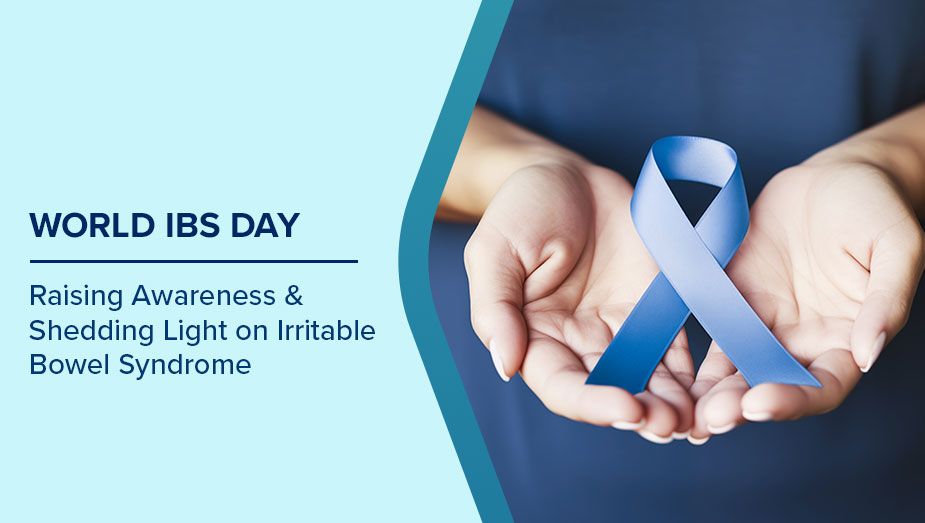
World IBS Day, observed on April 19, aims to bridge this gap by raising awareness, encouraging early diagnosis, and promoting better support for those living with IBS. This blog explores IBS symptoms, causes, and management, along with ways to get involved this World IBS Day.
History and Significance of World IBS Day
World IBS Day was founded by the World IBS Day Organization, a patient-led initiative dedicated to raising awareness and fostering support for those living with Irritable Bowel Syndrome (IBS). What began as an effort to bring global attention to IBS has since grown into a widespread movement, uniting healthcare professionals, advocacy groups, and individuals affected by the condition.
The significance of this day goes beyond awareness—it encourages open discussions, combats misconceptions, and empowers people to seek medical guidance. Through educational initiatives, community-driven campaigns, and global outreach, World IBS Day has helped drive conversations around early diagnosis, symptom management, and patient support. As participation continues to grow each year, the event remains a key platform for improving IBS care and strengthening support networks worldwide.
What is IBS?
Irritable Bowel Syndrome is a common digestive disorder that affects the function of the large intestine, leading to recurring symptoms like abdominal pain, bloating, and changes in bowel habits. Unlike conditions such as Crohn’s disease or ulcerative colitis, IBS does not cause visible damage to the intestines, but it can significantly impact daily life. Symptoms can vary widely among individuals, with some experiencing diarrhoea (IBS-D), constipation (IBS-C), or a mix of both (IBS-M).
What Causes IBS?
The exact cause of IBS is still not fully understood, but researchers believe it results from a combination of factors affecting the gut and brain. Several possible causes contribute to IBS symptoms, including:
- Gut-brain interaction problems – The gut and brain communicate through a complex network of nerves and chemical signals. In IBS, this communication may be disrupted, making the intestines more sensitive to normal digestive processes.
- Abnormal gut motility – In some cases, food moves too quickly through the digestive tract, leading to diarrhoea, while in others, it moves too slowly, causing constipation. Irregular muscle contractions in the intestines may also result in cramping and bloating.
- Increased gut sensitivity – People with IBS often have a heightened response to normal digestive activity. Even mild stretching of the intestines from gas or food can trigger pain and discomfort.
- Changes in gut bacteria – The gut is home to trillions of bacteria that play a crucial role in digestion. Some people with IBS may have an imbalance in these bacteria, which can contribute to symptoms like bloating, gas, and irregular bowel movements.
- Infections and inflammation – A history of severe gastrointestinal infections, such as food poisoning, may increase the risk of developing IBS. Some individuals also experience low-grade inflammation in the gut, which may contribute to symptoms.
- Food triggers and intolerances – Certain foods, such as dairy, gluten, fatty foods, or high-FODMAP foods, can trigger IBS symptoms in some individuals. However, IBS is not caused by a structural problem in the digestive system.
- Hormonal changes – IBS is more common in women, and symptoms often fluctuate with menstrual cycles, suggesting that hormones may play a role in triggering flare-ups.
- Stress and mental health factors – Anxiety, depression, and stress can worsen IBS symptoms, as the gut is highly responsive to emotional and psychological changes.
Since IBS is a multifactorial condition, what triggers symptoms in one person may not affect another. Identifying individual triggers and managing lifestyle factors can help improve symptom control.
What are the Symptoms of IBS?
IBS symptoms can range from mild to severe and often fluctuate over time. While the condition primarily affects the digestive system, it can also have a broader impact on overall well-being. The most common symptoms include:
- Abdominal pain or cramping – This is a key symptom of IBS and often occurs in the lower abdomen. The pain may feel sharp, dull, or cramp-like and is typically relieved or worsened after a bowel movement.
- Bloating and excess gas – Many people with IBS experience bloating, which can make the abdomen feel swollen or tight. Gas production may increase, leading to discomfort.
- Changes in bowel habits:
- Diarrhoea-predominant IBS (IBS-D): Frequent, loose, or watery stools, sometimes with an urgent need to go.
- Constipation-predominant IBS (IBS-C): Hard, dry, or lumpy stools that are difficult to pass, often leading to a feeling of incomplete evacuation.
- Mixed IBS (IBS-M): Alternating between diarrhoea and constipation, sometimes within the same day.
- Mucus in stool – Unlike other digestive conditions, IBS can cause the presence of clear or white mucus in the stool.
- A feeling of incomplete bowel movements – Even after passing stool, some people feel like they haven’t fully emptied their bowels.
- Nausea and loss of appetite – Some individuals with IBS may experience queasiness, especially after eating certain foods.
Beyond digestive symptoms, IBS can also contribute to:
- Fatigue and difficulty sleeping – Disrupted sleep patterns and tiredness are common, often due to discomfort from IBS symptoms.
- Increased sensitivity to stress and anxiety – IBS is closely linked to the gut-brain connection, meaning stress and emotional factors can trigger or worsen symptoms.
IBS symptoms often come and go, with flare-ups triggered by food, stress, or hormonal changes. Since these symptoms overlap with other digestive conditions, consulting a doctor for a proper diagnosis is essential.
How is IBS Managed?
Managing Irritable Bowel Syndrome (IBS) involves a combination of dietary changes, lifestyle modifications, stress management, and, in some cases, medication. Since IBS affects each person differently, an individualized approach is often necessary to find the most effective strategies for symptom control.
Dietary Adjustments
Diet plays a crucial role in managing IBS symptoms, and certain food choices can either trigger or alleviate discomfort.
- Low-FODMAP Diet – The FODMAP diet (fermentable oligosaccharides, disaccharides, monosaccharides, and polyols) helps reduce symptoms by limiting hard-to-digest carbohydrates found in foods like onions, garlic, beans, dairy, wheat, and certain fruits. Following a dietitian-guided elimination and reintroduction process can help identify specific food triggers.
- Fibre Intake – Fibre can have different effects on IBS:
- Soluble fibre (found in oats, bananas, apples, carrots, and psyllium husk) helps regulate digestion and is often beneficial for IBS-related constipation.
- Insoluble fibre (found in whole grains, raw vegetables, and nuts) may worsen symptoms like bloating and gas in some people. A gradual increase in soluble fibre is recommended to prevent discomfort.
- Avoiding Common Triggers – Some foods tend to worsen IBS symptoms, including:
- Spicy, fried, and processed foods
- Caffeine (coffee, tea, energy drinks)
- Alcohol and carbonated drinks
- Artificial sweeteners (sorbitol, xylitol)
- Dairy products (for those with lactose intolerance)
- Regular Meal Patterns – Eating smaller, frequent meals rather than large, heavy meals can reduce bloating, cramping, and discomfort. Skipping meals or eating irregularly can worsen symptoms.
- Staying Hydrated – Drinking enough water (at least 1.5–2 litres per day) is important, especially for those with IBS-C, as dehydration can worsen constipation.
Lifestyle Modifications
Certain lifestyle changes can help regulate digestion and improve gut health.
- Regular Exercise – Physical activity, such as walking, yoga, or swimming, can help stimulate digestion, relieve stress, and regulate bowel movements.
- Quality Sleep – Poor sleep can trigger IBS flare-ups. Establishing a consistent sleep routine, reducing screen time before bed, and managing stress can improve sleep quality.
- Mindful Eating – Eating slowly, chewing food thoroughly, and avoiding overeating or eating too quickly can reduce bloating and discomfort.
Stress Management
Since stress and IBS are closely linked, managing emotional well-being can help reduce symptom severity and frequency.
- Cognitive Behavioural Therapy (CBT) – CBT has been shown to help individuals cope with IBS symptoms by addressing anxiety, negative thought patterns, and stress-related triggers.
- Relaxation Techniques – Practicing yoga, meditation, deep breathing, or progressive muscle relaxation can help calm the digestive system.
- Keeping a Symptom Diary – Tracking symptoms, diet, stress levels, and triggers can provide valuable insights into what worsens or alleviates symptoms.
Medications and Supplements
In some cases, medications may be needed to address specific IBS symptoms. Doctors may recommend treatments to help with pain, constipation, or diarrhoea, depending on the dominant symptom type. Probiotics may also be useful for restoring gut bacteria balance. A healthcare provider can guide appropriate options based on individual needs.
Challenges in IBS Diagnosis and Treatment
Diagnosing and managing irritable bowel syndrome can be difficult due to the lack of a definitive test, overlapping symptoms with other digestive conditions, and variations in how individuals respond to treatment. These challenges often lead to delays in diagnosis and difficulty in finding an effective management plan.
1. Delayed and Misdiagnosed Cases
The symptoms of irritable bowel syndrome, such as abdominal pain, bloating, and irregular bowel movements, are similar to those of conditions like inflammatory bowel disease, celiac disease, and food intolerances. Since there is no specific test for the condition, doctors rely on symptom-based criteria and rule out other diseases, which can result in delays or misdiagnosis.
2. Variability in Symptoms and Triggers
The condition affects people differently. Some experience constipation, while others have diarrhoea or a combination of both. Triggers also vary widely, including certain foods, stress, and hormonal changes, making it difficult to develop a single treatment approach that works for everyone.
3. Limited Understanding of Causes
The exact cause of irritable bowel syndrome remains unclear. Experts believe factors such as gut-brain interaction, food intolerances, stress, gut microbiome imbalances, and intestinal hypersensitivity may play a role. Since there is no single known cause, treatment focuses on symptom relief rather than a cure, which can be frustrating for those affected.
4. Trial-and-Error Treatment Approach
Because symptoms and triggers vary among individuals, treatment often requires trial and error. People may need to experiment with different dietary changes, lifestyle adjustments, and medical interventions before finding a management plan that works for them.
5. Psychological and Emotional Impact
The unpredictable nature of irritable bowel syndrome can lead to stress, anxiety, and social withdrawal. Many people struggle with the uncertainty of flare-ups, which can disrupt daily activities, work, and relationships. Psychological stress can also worsen symptoms, creating a cycle that is difficult to break.
6. Lack of Awareness and Support
Despite being a common condition, irritable bowel syndrome is often dismissed or misunderstood. Many people feel uncomfortable discussing their symptoms, leading to delays in seeking medical help and difficulty in finding the right support.
World IBS Day plays a crucial role in educating people, encouraging early diagnosis, and promoting better support for those living with irritable bowel syndrome.
Get Involved in World IBS Day 2026
World IBS Day is more than just a date on the calendar—it’s an opportunity to raise awareness, support those living with irritable bowel syndrome, and promote a better understanding of the condition. Taking part in discussions, advocating for better resources, and encouraging those with symptoms to seek medical advice can make a real difference. This year, let’s come together to strengthen support networks and ensure that irritable bowel syndrome gets the attention it deserves. If you’re looking for medical guidance, Max Hospital offers expert care to help manage IBS effectively.
Written and Verified by:

Related Blogs

Dr. Nivedita Pandey In Gastroenterology, Hepatology & Endoscopy , Liver Transplant and Biliary Sciences
Nov 07 , 2020 | 2 min read

Dr. Nivedita Pandey In Gastroenterology, Hepatology & Endoscopy , Liver Transplant and Biliary Sciences
Nov 07 , 2020 | 2 min read
Blogs by Doctor

Dr. Vibhu Mittal In Gastroenterology, Hepatology & Endoscopy
Dec 16 , 2016 | 2 min read

Binge Drinking and Alcoholic Liver Disease (ALD): Understanding the Link
Dr. Vibhu Mittal In Gastroenterology, Hepatology & Endoscopy
Apr 17 , 2024 | 2 min read
Most read Blogs


Related Blogs
Dr. Nivedita Pandey In Gastroenterology, Hepatology & Endoscopy , Liver Transplant and Biliary Sciences
Nov 07 , 2020 | 2 min read
Dr. Nivedita Pandey In Gastroenterology, Hepatology & Endoscopy , Liver Transplant and Biliary Sciences
Nov 07 , 2020 | 2 min read
Blogs by Doctor
Dr. Vibhu Mittal In Gastroenterology, Hepatology & Endoscopy
Dec 16 , 2016 | 2 min read
Binge Drinking and Alcoholic Liver Disease (ALD): Understanding the Link
Dr. Vibhu Mittal In Gastroenterology, Hepatology & Endoscopy
Apr 17 , 2024 | 2 min read
Most read Blogs