 WhatsApp Us (24/7)
 +91 926 888 0303 (24/7)


To Book an Appointment
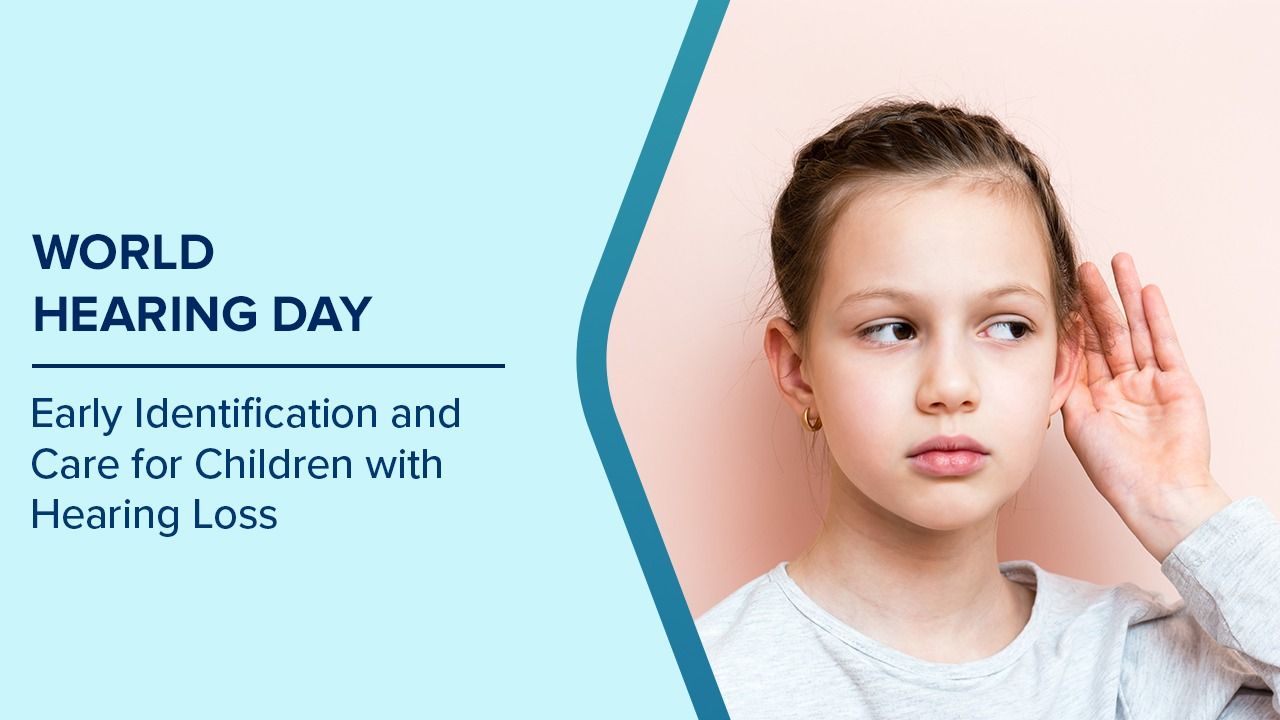
Call Us+91 926 888 0303World Hearing Day 2026: Early Identification and Care for Children with Hearing Loss
By Dr. Sumit Mrig in ENT(Ear Nose Throat)
Mar 02 , 2026

Hearing loss affects over 1.5 billion people worldwide, making it one of the most common sensory disabilities across all age groups and stages of life. When left unaddressed, it can lead to communication difficulties, social isolation, reduced quality of life, and, in many cases, barriers to education and employment. Recognising the need to raise global awareness about hearing health, the World Health Organisation introduced World Hearing Day to promote ear and hearing care and support access to timely interventions. This blog focuses on why childhood hearing loss needs urgent attention, the importance of early screening and diagnosis, and available treatment and intervention options. But first, let us understand a bit more about the significance of world hearing day.
History and Significance of World Hearing Day
World Hearing Day was initiated by the World Health Organization to draw global attention to hearing loss and the importance of ear and hearing care. It was first observed in 2007 as International Ear Care Day and was later renamed World Hearing Day to reflect a broader focus on hearing health across all age groups. The day is marked every year on 3 March, a date chosen to represent the shape of the ears when viewed from the side. Over the years, World Hearing Day has become an important platform to highlight preventable causes of hearing loss, promote early detection, and encourage timely care. For children, the day holds particular significance as it reinforces the need for early screening, prompt intervention, and sustained support to reduce the long term impact of hearing problems on speech, learning, and overall development.
Theme for World Hearing Day 2026
The official theme for World Hearing Day 2026 is “From communities to classrooms: hearing care for all children.” This campaign highlights the importance of preventing avoidable childhood hearing loss and ensuring early identification and care for children with ear and hearing problems. It emphasises integrating hearing care into community and school health programmes so children can hear, learn, and succeed.
Types of Hearing Loss
Hearing loss in children and adults is commonly grouped into three main types, based on the part of the ear that is affected. Understanding these types helps in identifying the cause and planning appropriate care.
1. Conductive hearing loss
This type occurs when sound is blocked from reaching the inner ear. It is often linked to problems in the outer or middle ear, such as ear infections, fluid build-up, earwax blockage, or structural issues. Conductive hearing loss is usually temporary and may improve with medical or surgical treatment.
2. Sensorineural hearing loss
This form of hearing loss results from damage to the inner ear or the auditory nerve. It may be present at birth or develop later due to infections, exposure to loud noise, certain illnesses, or ageing. Sensorineural hearing loss is usually permanent and is commonly managed with hearing aids or other supportive devices.
3. Mixed hearing loss
Mixed hearing loss involves a combination of conductive and sensorineural components. This means there are issues in both the outer or middle ear and the inner ear or nerve pathways. Management depends on the underlying causes and often includes a combination of medical care and hearing support.
Common Causes of Hearing Loss in Children
Hearing loss in children can occur due to a range of factors, some present at birth and others developing during early childhood:
- Congenital and genetic factors: Some children are born with hearing loss due to inherited genetic conditions, even without a known family history. Other congenital causes include complications during pregnancy such as infections, poor growth in the womb, premature birth, or lack of oxygen during delivery. Structural differences in the ear present at birth can also affect hearing.
- Middle ear infections and fluid build-up: Recurrent ear infections are one of the most common causes of hearing loss in young children. Persistent fluid behind the eardrum can reduce sound transmission and lead to temporary hearing loss. If left untreated for long periods, repeated infections may cause more lasting hearing problems.
- Infections during infancy and childhood: Certain infections can damage the inner ear or auditory nerve. Illnesses such as meningitis, measles, mumps, and severe viral or bacterial infections during early life increase the risk of permanent hearing loss.
- Exposure to loud sounds: Children may be exposed to harmful noise through loud toys, headphones used at high volumes, or noisy environments. Repeated or prolonged exposure can damage the delicate structures of the inner ear and lead to gradual hearing loss.
- Head or ear injury: Injuries to the head or direct trauma to the ear can affect hearing by damaging the ear structures or nerve pathways. The impact on hearing depends on the severity and location of the injury.
- Side effects of certain medicines: Some medicines used to treat serious infections or other medical conditions can affect hearing, especially when used for extended periods or at high doses. Monitoring is important when such treatments are required in children.
- Delayed-onset or progressive hearing loss: Not all hearing loss is present at birth. Some children develop hearing problems later in childhood, which may progress slowly over time. This makes routine hearing checks and attention to developmental milestones essential.
Early Signs of Hearing Loss in Children
Early signs of hearing loss often vary based on a child’s age and developmental stage. The following indicators can help in recognising potential hearing concerns early:
Infants (birth to 12 months)
- Limited or no reaction to loud or sudden sounds
- Absence of startle reflex in response to noise
- Not turning the head towards voices or sound sources
- Lack of response to a parent’s voice
- Delayed or reduced babbling and cooing
- Little variation in vocal sounds as the months progress
Toddlers (1 to 3 years)
- Delayed speech development compared to peers
- Difficulty understanding or following simple verbal instructions
- Using fewer words or relying heavily on gestures
- Unclear pronunciation or limited word combinations
- Appearing unaware when called from another room
- Frustration or behavioural changes during communication
Preschool and school-age children (4 years and above)
- Frequently asking others to repeat what was said
- Turning up the volume of television or devices beyond normal levels
- Difficulty hearing in group settings or noisy environments
- Appearing distracted or inattentive in the classroom
- Challenges with reading, spelling, or language-based subjects
- Reduced participation in conversations or social activities
Treatment and Intervention Options
Treatment for hearing loss in children depends on the type, cause, and severity of the condition. Common options include the following:
Medical Management
Medical management focuses on treating conditions that contribute to hearing loss. For example, recurrent middle ear infections or fluid build-up can often be resolved with antibiotics or minor procedures, improving hearing in many cases. Children with underlying medical conditions that affect hearing may require ongoing monitoring, regular check-ups, and preventive care to minimise further hearing damage. Early detection and treatment are crucial to prevent long-term impacts on speech and learning.
Surgical Interventions
Surgery may be necessary when hearing loss results from structural problems or persistent medical conditions. Common surgical procedures include:
- Placement of ventilation tubes to drain fluid from the middle ear
- Correction of congenital ear abnormalities
- Advanced reconstructive procedures to restore hearing function
Surgical interventions are usually combined with follow-up care to ensure long-term improvement and prevent recurrence.
Hearing Devices
Hearing aids are widely used to amplify sounds and improve a child’s ability to hear and communicate effectively. Assistive listening devices, such as classroom amplification systems, help children participate fully in group settings. For children with severe or profound hearing loss, cochlear implants or other implantable devices may be recommended after thorough evaluation. Choosing the right device and ensuring proper fitting, training, and maintenance are essential for optimal results.
Speech and Language Therapy
Children with hearing loss often need support to develop speech and language skills. Early therapy focuses on improving clarity of speech, understanding language, and building communication confidence. Therapy sessions are tailored to the child’s age, type of hearing loss, and progress, and often involve parents to reinforce learning at home. Consistent therapy can prevent delays in language acquisition and support academic success.
Educational Support
Hearing loss can affect learning and classroom participation. Schools may provide adjustments such as preferential seating, use of visual aids, or inclusion of assistive technology. Special education services may be offered for children who require extra support in language-based subjects. Collaboration between teachers, audiologists, and healthcare providers ensures that children receive an environment conducive to learning and development.
Family Counselling and Support
Families play a crucial role in supporting children with hearing loss. Counselling helps parents understand the child’s needs and learn effective communication strategies at home. Training includes methods to encourage listening, speech practice, and lanMumpsguage development. Emotional support for parents and siblings is also important to create a positive and patient home environment, which contributes significantly to the child’s confidence and overall progress.
Prevention: Protecting Children's Hearing
Preventing hearing loss in children is essential, as early precautions can significantly reduce the risk of long-term communication and learning difficulties. Key strategies include:
- Regular ear and hearing check-ups: Routine screenings, especially during infancy and early childhood, help detect hearing problems before obvious signs appear. Early identification allows timely intervention, which can prevent delays in speech, language, and learning.
- Timely immunisations:Vaccinations against infections such as measles, mumps, rubella, and meningitis are critical, as these illnesses can damage the inner ear and lead to permanent hearing loss. Keeping a child’s immunisation schedule up to date is a simple but effective preventive measure.
- Safe listening practices: Limiting exposure to loud toys, music, or noisy environments is important. Teaching children to keep headphone volumes at safe levels and avoid prolonged exposure to loud sounds can prevent noise-induced hearing loss.
- Proper ear hygiene: Gentle cleaning of the outer ear and avoiding insertion of objects such as cotton buds or sharp items reduces the risk of injury and infection, which can affect hearing.
- Prompt treatment of ear infections: Middle ear infections or persistent fluid behind the eardrum should be addressed quickly with medical care. Early treatment prevents complications and reduces the risk of permanent hearing impairment.
- Awareness in schools and communities: Educating caregivers, teachers, and children about hearing health encourages early reporting of difficulties, supports protective behaviours, and promotes a culture of ear care.
Taking these preventive steps ensures that children’s hearing is protected, supporting their ability to develop language, learn effectively, and participate fully in social and educational activities.
Do Your Part This World Hearing Day
World Hearing Day is an opportunity for everyone to take action and raise awareness about the importance of hearing health, especially for children. Here’s how:
For Parents and Caregivers
Parents and caregivers can play a key role in protecting children’s hearing. Ensuring regular hearing check-ups, following immunisation schedules, and promoting safe listening habits can prevent many hearing problems from developing or worsening.
For Educators
Teachers and school staff can create hearing-friendly classroom environments, observe children who may struggle to hear instructions, and encourage early reporting of any concerns. Classroom adjustments and awareness can make a significant difference in learning and communication.
For Healthcare Providers
Healthcare professionals can provide timely screenings, offer guidance on preventive care, and recommend interventions for children at risk of hearing loss. Early medical support helps reduce the long-term impact on speech, language, and learning.
For Communities
Communities can support awareness campaigns, organise hearing health events, and provide resources on ear care and early identification of hearing problems. Public awareness encourages protective behaviours and early action, benefiting children across society.
Final Words
World Hearing Day is a reminder to stay alert to your child’s hearing health, because early detection can make a huge difference in their speech, learning, and overall confidence. Noticing even small signs of difficulty, like asking for repetition often or struggling in noisy environments, and seeking timely care can prevent long-term challenges. Consult the paediatric audiology and ENT specialists at Max Hospital to get a thorough assessment, personalised guidance, and ongoing support to ensure your child develops strong communication skills and thrives in every aspect of life.
Written and Verified by:

Related Blogs


Dr. Ravinder Gera In ENT(Ear Nose Throat)
Nov 08 , 2020 | 2 min read
Blogs by Doctor

Get Rid Of Tonsils Through Coblation Technique in ENT
Dr. Sumit Mrig In ENT(Ear Nose Throat)
Nov 08 , 2020 | 1 min read

Few Tips to Prevent Ear Wax Blockage
Dr. Sumit Mrig In ENT(Ear Nose Throat)
Aug 01 , 2017 | 1 min read
Most read Blogs


Related Blogs
Dr. Ravinder Gera In ENT(Ear Nose Throat)
Nov 08 , 2020 | 2 min read
Blogs by Doctor
Get Rid Of Tonsils Through Coblation Technique in ENT
Dr. Sumit Mrig In ENT(Ear Nose Throat)
Nov 08 , 2020 | 1 min read
Few Tips to Prevent Ear Wax Blockage
Dr. Sumit Mrig In ENT(Ear Nose Throat)
Aug 01 , 2017 | 1 min read
Most read Blogs