 WhatsApp Us (24/7)
 +91 926 888 0303 (24/7)


To Book an Appointment
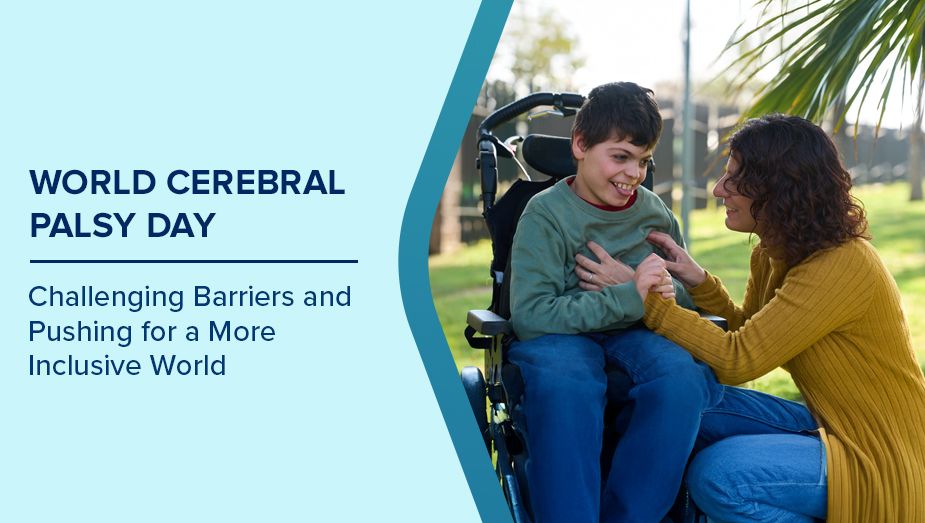
Call Us+91 926 888 0303World Cerebral Palsy Day 2025: Challenging Barriers and Pushing for a More Inclusive World
By Dr. Vivek Kumar in Neurosciences
Oct 03 , 2025 | 11 min read
2

Cerebral palsy is a collective term for a group of disorders that affect movement and posture, caused by damage to the developing brain before, or shortly after birth. It is the one of most common physical disabilities, with more than 50 million people worldwide living with the condition. For many, the challenges extend beyond physical limitations, with barriers in access to education, work, healthcare, and social participation continuing to affect daily life. World Cerebral Palsy Day is observed every year on 6th October to raise awareness and call for greater inclusion. This blog shares insights into cerebral palsy, the challenges faced by those living with it, and the role communities and individuals can play in building a more inclusive society. Let us begin with the significance of this day.
History and Significance of World Cerebral Palsy Day
World Cerebral Palsy Day was established in 2012 as a global movement to bring together people living with cerebral palsy, along with their families, healthcare providers, and advocates. It was created to ensure that people with cerebral palsy are heard, their needs are recognised, and their rights are upheld.
The significance of this day lies in raising awareness about cerebral palsy. It highlights the daily challenges faced by individuals with cerebral palsy and calls for action to improve their quality of life through better access to healthcare, education, employment, and community participation. More importantly, it serves as a reminder that people with cerebral palsy have the right to live with dignity, opportunity, and inclusion in every aspect of society.
Theme for World Cerebral Palsy Day 2025
The campaign for World Cerebral Palsy Day 2025 is centred around the message #UniqueAndUnited. This theme highlights two important ideas. First, every person with cerebral palsy has their own experiences, strengths, and challenges that make them unique. Second, when individuals, families, communities, and organisations come together, their collective voice becomes stronger in pushing for visibility, inclusion, and meaningful change.
The message #UniqueAndUnited reflects the spirit of the movement, it celebrates individuality while reminding the world that unity is essential for progress. It encourages people everywhere to recognise the contributions of those living with cerebral palsy, listen to their perspectives, and stand together for equality and opportunity.
What is Cerebral Palsy?
Cerebral palsy (CP) is a group of conditions that affect movement, muscle tone, and posture. It occurs when there is damage or abnormal development in the parts of the brain that control movement, usually before birth or in early childhood. The effects vary from person to person, some may have mild difficulties with balance or coordination, while others may face more severe challenges with mobility, speech, or daily activities. CP is not a disease and it does not get worse over time, but its impact can change as a person grows. Children and adults with CP often benefit from therapies, supportive care, and assistive devices that help improve independence and quality of life.
What are the Types of Cerebral Palsy?
Cerebral palsy is not the same for every individual. The way it affects movement, posture, and muscle control depends on the part of the brain involved. Doctors usually classify it into four main types:
Spastic Cerebral Palsy
Spastic cerebral palsy is the most common form, affecting about 70 to 80 percent of individuals with the condition. It is marked by increased muscle tone, which causes stiffness and difficulty in movement. The muscles remain tight, leading to jerky movements instead of smooth ones. This type is further divided based on the areas of the body affected:
- Spastic hemiplegia: Stiffness on one side of the body, often affecting the arm more than the leg.
- Spastic diplegia: Muscle stiffness mainly in the legs, making walking challenging.
- Spastic quadriplegia: Involves the entire body, including arms, legs, and sometimes the face, and is the most severe form.
Dyskinetic Cerebral Palsy
This type involves involuntary, uncontrolled movements due to problems with the part of the brain that controls coordination. The movements can be slow and writhing or sudden and jerky. They often affect the arms, hands, legs, and sometimes the face and tongue, making tasks like speaking and eating more difficult.
Ataxic Cerebral Palsy
Ataxic cerebral palsy affects balance and coordination. People with this type may walk unsteadily with a wide-based gait. Fine motor skills, such as writing, buttoning clothes, or using utensils, are particularly difficult. They may also struggle with quick or precise movements.
Mixed Cerebral Palsy
Some individuals have features of more than one type of cerebral palsy. The most common combination is spastic and dyskinetic. This makes diagnosis and treatment planning more complex, as symptoms can vary widely.
What are the Challenges Faced by People Living with Cerebral Palsy?
Cerebral palsy affects each person differently. Some may experience only mild movement issues, while others may need lifelong support. Beyond physical symptoms, daily life challenges can also affect learning, social participation, and emotional well-being.
1. Mobility and Movement Limitations
Movement difficulties are one of the most visible challenges. Muscle stiffness, weakness, or involuntary movements can make walking, running, or maintaining balance difficult. Some individuals may require mobility aids such as crutches, walkers, or wheelchairs to move independently.
2. Difficulty with Speech and Communication
Cerebral palsy can affect the muscles used for speaking, leading to slurred or unclear speech. This can make communication challenging, even if the person fully understands language. Many use alternative methods such as sign language, communication boards, or speech-generating devices to express themselves.
3. Chewing and Swallowing Problems
In some cases, weak oral muscles can lead to difficulty chewing or swallowing food safely. This can increase the risk of malnutrition, dehydration, or aspiration (food entering the airway). Special diets, feeding techniques, or support from speech and occupational therapists are often needed.
4. Learning and Cognitive Challenges
Not everyone with cerebral palsy has learning difficulties, but some may face problems with memory, attention, or processing information. This can affect school performance and the ability to learn new skills. Extra educational support may be required.
5. Chronic Pain and Fatigue
Constant muscle stiffness, abnormal postures, or joint strain can lead to long-term pain. Daily tasks may also take extra effort, causing fatigue more quickly compared to others.
6. Emotional and Social Barriers
Living with cerebral palsy can sometimes lead to feelings of frustration, anxiety, or low self-esteem, especially when communication or mobility challenges limit independence. Social stigma and lack of awareness in the community can also create isolation.
7. Accessibility and Participation Issues
Barriers in the environment, such as buildings without ramps, inaccessible transport, or lack of inclusive education and job opportunities, can limit participation in society. Many individuals face difficulties in accessing healthcare, education, and employment opportunities.
How Can These Challenges Be Addressed?
People living with cerebral palsy encounter difficulties that affect their health, education, work opportunities, and social participation. Addressing these challenges requires collective efforts from families, communities, healthcare providers, educators, and policymakers.
Access to Quality Medical Care and Therapies
Early and ongoing medical care is essential to manage symptoms and prevent complications. Physiotherapy, occupational therapy, speech therapy, and regular medical check-ups help improve movement, communication, and overall health. Accessible healthcare facilities ensure timely support.
Inclusive Education
Schools can adapt teaching methods and provide special learning aids to help children with cerebral palsy succeed academically. Trained teachers, assistive technology, and supportive classroom environments allow students to participate fully in learning.
Supportive Communication Tools
For those facing speech difficulties, tools such as communication boards, sign language, or speech-generating devices can bridge the gap. Making these tools more widely available helps individuals express themselves with confidence.
Improving Accessibility in Public Spaces
Building ramps, accessible toilets, and step-free transport systems ensures mobility challenges do not limit participation. Workplaces, schools, and recreational facilities should also follow accessibility standards to encourage equal participation.
Emotional and Social Support
Counselling, peer support groups, and awareness campaigns reduce stigma and help build a supportive community. Encouraging social interaction and inclusion in cultural, sports, and community activities enhances confidence and quality of life.
Financial Support
Families often face high medical and caregiving costs. Financial aid programmes, health insurance, and respite care services can reduce the burden.
Employment Opportunities
Workplaces can offer flexible roles, adaptive equipment, and inclusive policies to help individuals with cerebral palsy gain meaningful employment. This not only improves financial independence but also builds dignity and self-worth.
What Aids and Devices Make Life Easier for People With Cerebral Palsy?
Living with cerebral palsy often means facing challenges in movement, communication, and daily tasks. However, a wide range of aids and assistive devices are available to make life more comfortable and independent. These tools are designed to support mobility, enhance communication, and improve overall quality of life.
Mobility Aids
Many people with cerebral palsy experience difficulty walking or maintaining balance. Mobility aids such as wheelchairs, walkers, and canes provide stability and help individuals move around more independently. Specially designed seating systems also improve posture and reduce discomfort.
Communication Devices
Some individuals face challenges with speech and communication. Augmentative and alternative communication (AAC) devices, such as speech-generating tablets, communication boards, and specialised apps, allow them to express themselves more easily and engage in conversations.
Orthotic Supports
Braces, splints, and customised footwear are often recommended to improve body alignment, reduce stiffness, and support movement. These devices also help in preventing muscle contractures and maintaining mobility.
Daily Living Aids
Simple modifications can make everyday tasks less challenging. Adapted utensils for eating, specialised writing tools, dressing aids, and bathroom modifications allow individuals to perform daily activities with greater ease and independence.
Assistive Technology
Technology plays a major role in enhancing participation. Computer accessibility tools, adaptive keyboards, switch controls, and smart home devices can be tailored to individual needs, enabling better control and interaction with the environment.
Therapy Equipment
Tools such as standing frames, therapy balls, and resistance bands support physiotherapy and occupational therapy routines. These devices improve strength, flexibility, and overall physical function when used under professional guidance.
What Can You Do This World Cerebral Palsy Day?
World Cerebral Palsy Day is not only about awareness but also about taking meaningful action. It is a chance for individuals and communities to come together, acknowledge challenges, and support inclusion for people living with cerebral palsy.
- Spread awareness: Share correct information through social media, schools, or community programmes to break myths and encourage understanding.
- Support inclusion: Promote accessible facilities, equal opportunities, and inclusive practices in schools, workplaces, and public spaces.
- Participate in events: Join awareness walks, workshops, or community gatherings organised on this day to show solidarity.
- Donate or fundraise: Contribute to hospitals, organisations, or therapy centres that support treatment and rehabilitation for people with cerebral palsy.
- Advocate for change: Support campaigns, write to policymakers, or join advocacy groups to push for better accessibility and long-term support systems.
Final Words
Living with cerebral palsy comes with its share of challenges, but the right support can make a real difference. From therapy sessions that improve mobility to counselling that builds confidence, every step matters. At Max Hospital, neurologists, orthopaedic specialists, and rehabilitation therapists are available to offer guidance and care suited to different stages of life with cerebral palsy. If you or your loved one is looking for help, this could be the right time to reach out. Book a consultation with specialists at Max Hospital and take the next step towards making life a little easier.
Frequently Asked Questions
Can cerebral palsy get worse over time?
Cerebral palsy itself is not a progressive condition, meaning the brain injury does not worsen as a person grows older. However, the effects such as muscle tightness, joint stiffness, or pain may become more noticeable with age if regular therapy and medical support are not maintained. Ongoing care helps reduce these challenges.
Is cerebral palsy always diagnosed at birth?
Not always. In some babies, signs like unusual muscle tone, delayed movement, or feeding difficulties may be present right after birth. In other cases, symptoms become clear only as the child grows and misses developmental milestones, such as sitting or walking. Diagnosis often requires careful observation and medical evaluation over time
Can adults with cerebral palsy live independently?
Many adults with cerebral palsy are able to live independently, especially when provided with early therapies, adaptive devices, and community support. The level of independence depends on the severity of symptoms. Some may need assistance with daily tasks, while others can manage their personal, professional, and social lives with little support.
Does cerebral palsy affect intelligence?
Cerebral palsy mainly impacts movement and muscle control, not intelligence. Some individuals may have typical intellectual abilities, while others may experience learning difficulties or developmental delays depending on the type and severity of brain involvement. Access to therapies, special education, and support can help maximise learning and development.
Is life expectancy affected by cerebral palsy?
With proper medical care and support, most people with cerebral palsy have a near-normal life expectancy. Life expectancy may vary depending on associated conditions such as severe mobility issues, breathing problems, or feeding difficulties. Regular monitoring and timely medical attention play a big role in improving overall health and longevity.
Can surgery help in managing cerebral palsy?
Surgery is not a cure for cerebral palsy but can be recommended to address specific problems, such as muscle tightness, bone deformities, or joint contractures. Procedures may help improve mobility, reduce pain, and make daily activities easier. The decision is usually made after assessing how much surgery can improve comfort and independence.
What kind of therapies are most helpful?
A combination of therapies works best. Physiotherapy helps improve strength, movement, and posture. Occupational therapy supports daily living skills such as dressing or eating. Speech therapy can assist with communication and swallowing difficulties. The therapy plan is tailored to the individual’s needs and adjusted as they grow.
Is cerebral palsy hereditary?
Cerebral palsy is not usually passed down from parents to children. It often occurs due to brain injury or abnormal brain development before, during, or shortly after birth. In rare cases, genetic factors may play a role, but for most people, it is linked to complications in pregnancy, premature birth, or birth injury.
Written and Verified by:

Related Blogs

Dr. Chandril Chugh In Neurosciences , Interventional Neurology
Nov 08 , 2020 | 1 min read

Dr. Chandril Chugh In Neurosciences , Interventional Neurology
Nov 08 , 2020 | 2 min read
Blogs by Doctor

Treatment Dilemmas in Women With Epilepsy
Dr. Vivek Kumar In Neurosciences
Jul 26 , 2017 | 2 min read

Parkinson’s Disease and Other Movement Disorders: Key Differences & Symptoms
Dr. Vivek Kumar In Neurosciences , Neurology
Apr 28 , 2025 | 3 min read
Most read Blogs


Related Blogs
Dr. Chandril Chugh In Neurosciences , Interventional Neurology
Nov 08 , 2020 | 1 min read
Dr. Chandril Chugh In Neurosciences , Interventional Neurology
Nov 08 , 2020 | 2 min read
Blogs by Doctor
Treatment Dilemmas in Women With Epilepsy
Dr. Vivek Kumar In Neurosciences
Jul 26 , 2017 | 2 min read
Parkinson’s Disease and Other Movement Disorders: Key Differences & Symptoms
Dr. Vivek Kumar In Neurosciences , Neurology
Apr 28 , 2025 | 3 min read
Most read Blogs