 WhatsApp Us (24/7)
 +91 926 888 0303 (24/7)


To Book an Appointment
Call Us+91 926 888 0303World Asthma Day 2026: Increasing Awareness about this Growing Health Concern
By Dr. Vivek Nangia in Pulmonology
Apr 14 , 2026 | 8 min read
1

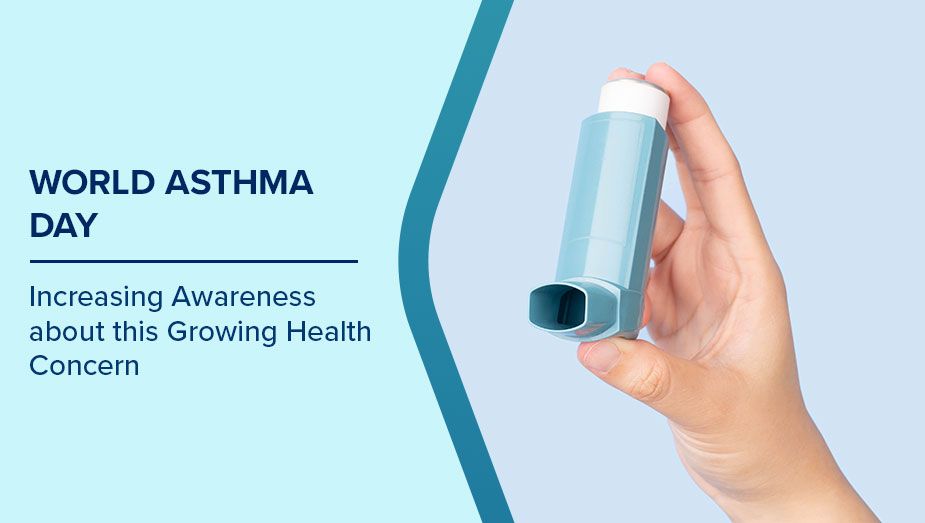
World Asthma Day is observed each year to increase awareness about asthma, a condition that affects millions in India and remains a major public health concern in most parts of the world. According to estimates, over 35 million people in India live with asthma, with air pollution, seasonal changes, and indoor allergens being common triggers. Poor air quality in many cities worsens symptoms, leading to increased hospital visits and severe breathing difficulties. That said, recognising its symptoms, avoiding triggers, and seeking timely medical advice can help control asthma and improve the quality of life of affected individuals. This blog explores the impact of asthma, ways to manage the condition, and how to contribute to raising awareness this World Asthma Day. Let’s start by going over the significance of this day.
History and Significance of World Asthma Day
World Asthma Day was first observed in 1998 by the Global Initiative for Asthma (GINA) to raise awareness about asthma and improve its management worldwide. Held on the first Tuesday of May each year, it highlights key challenges in asthma care.
In India, where asthma remains a major health concern, this day plays a crucial role in promoting awareness and encouraging proactive management. Many individuals face difficulties in accessing proper treatment, often due to high medication costs or a lack of awareness about available options. World Asthma Day serves as a reminder to prioritise early diagnosis, improve healthcare access, and support those living with the condition through education and advocacy.
Why is Asthma a Growing Public Health Concern?
Asthma has become a serious public health concern, with cases increasing across India. Several factors contribute to this rise, affecting individuals of all ages and leading to frequent hospital visits and complications.
- Rising Prevalence: The number of people diagnosed with asthma is steadily increasing. India accounts for a significant share of the global asthma burden, with millions affected. This rise places a strain on healthcare systems and highlights the need for better awareness and management.
- Worsening Air Pollution: Pollutants from vehicle emissions, industrial activities, and construction dust make the air unsafe to breathe. Fine particulate matter (PM2.5) and toxic gases irritate the airways, increasing the risk of asthma attacks. Poor air quality in cities like Delhi, Mumbai, and Kolkata has made it harder for individuals with asthma to manage their symptoms.
- Urbanisation and Lifestyle Changes: Modern living conditions expose people to more indoor allergens such as dust mites, pet dander, and mold. Poor ventilation, use of artificial fragrances, and prolonged exposure to air-conditioned environments also contribute to worsening respiratory health.
- Seasonal Changes and Pollen Levels: Weather fluctuations, high humidity, and pollen-heavy seasons lead to an increase in asthma cases. Cities with dense vegetation experience high pollen counts, making it difficult for those with asthma to breathe properly during certain times of the year.
- Limited Awareness and Delayed Diagnosis: Many individuals fail to recognise early asthma symptoms, such as persistent cough, shortness of breath, or chest tightness. This leads to delayed diagnosis and treatment, increasing the risk of severe asthma attacks.
- High Treatment Costs and Limited Access: Inhaled medications, including corticosteroids and bronchodilators, play a crucial role in asthma management. However, many people struggle to afford these treatments, especially in low-income communities. A lack of availability in rural areas further limits access to proper care.
- Impact on Daily Life: Uncontrolled asthma affects work productivity, school attendance, and overall well-being. Frequent doctor visits, hospitalisations, and medication expenses add to the financial burden, making asthma not just a medical issue but also a social and economic concern.
How Can You Identify Asthma Triggers?
Asthma triggers vary from person to person, but recognising them is essential for managing the condition and preventing flare-ups. Common triggers include allergens, environmental factors, respiratory infections, and lifestyle habits.
- Air Pollution: Exposure to vehicle emissions, industrial fumes, and cigarette smoke can irritate the airways and worsen asthma symptoms. Poor air quality, especially in cities with high pollution levels, increases the risk of frequent attacks.
- Dust and Indoor Allergens: Dust mites, pet dander, mold, and cockroach droppings are common indoor triggers. Carpets, bedding, and upholstered furniture can trap these allergens, leading to breathing difficulties.
- Pollen and Seasonal Changes: High pollen levels during certain seasons can trigger asthma attacks, especially in individuals sensitive to airborne allergens. Sudden weather changes, such as shifts in humidity or temperature, can also worsen symptoms.
- Respiratory Infections: Viral infections like the common cold, flu, or pneumonia can inflame the airways, making it harder to breathe. Children and elderly individuals with asthma are particularly vulnerable to severe respiratory complications.
- Strong Odours and Irritants: Perfumes, cleaning products, and chemical fumes can cause airway inflammation. Exposure to smoke from burning wood, incense, or fireworks can also trigger asthma symptoms.
- Physical Activity: Intense exercise, especially in cold or dry air, can lead to exercise-induced bronchoconstriction, causing shortness of breath and wheezing. Proper warm-ups and controlled breathing techniques can help manage symptoms.
- Emotional Stress: Anxiety, strong emotions, and stress can lead to rapid breathing, which may trigger asthma symptoms. Managing stress through relaxation techniques and breathing exercises can help prevent flare-ups.
Identifying and avoiding these triggers can significantly reduce asthma symptoms and improve overall health.
What are the Most Common Symptoms of Asthma?
Asthma symptoms can range from mild to severe, affecting daily activities and overall health. Recognising these symptoms early can help in managing the condition and preventing complications.
- Shortness of Breath: Difficulty in breathing, especially during physical activity or at night, is a common sign of asthma. This occurs when the airways become inflamed and narrow.
- Wheezing: A whistling or squeaky sound while breathing, particularly when exhaling, indicates restricted airflow in the lungs. Wheezing is a key symptom of asthma flare-ups.
- Chronic Coughing: Persistent coughing, especially at night or after exercise, may signal asthma. The cough can be dry or produce mucus and often worsens in response to cold air, smoke, or allergens.
- Chest Tightness: A feeling of pressure or tightness in the chest can occur during an asthma attack. This sensation may be accompanied by difficulty in taking deep breaths.
- Increased Mucus Production: Inflammation in the airways can lead to excess mucus production, making it harder to breathe and increasing the risk of coughing and congestion.
- Frequent Respiratory Infections: People with asthma may experience colds, flu, or bronchitis more often, as their airways are more sensitive to infections.
Asthma symptoms can worsen with exposure to triggers such as pollution, allergens, or strong odours. Severe attacks may require immediate medical attention. Keeping track of symptoms and consulting a doctor for proper treatment can help in managing asthma effectively.
What are the Best Ways to Manage Asthma?
Managing asthma involves consistent medical care, lifestyle changes, and avoiding triggers that can worsen symptoms. A well-structured approach helps in reducing flare-ups and improving overall well-being.
- Use Prescribed Medications Correctly: Inhalers and medications play a crucial role in asthma control. Doctors may prescribe reliever inhalers (for immediate symptom relief) and controller inhalers (for long-term management). Regular use of prescribed medicines helps prevent sudden attacks and keeps symptoms in check.
- Monitor Symptoms Regularly: Keeping track of symptoms, including coughing, wheezing, and breathlessness, helps in identifying patterns and potential triggers. Maintaining a symptom diary or using mobile apps designed for asthma tracking can be helpful in managing the condition.
- Avoid Known Triggers: Exposure to allergens, pollution, cigarette smoke, and strong odours can worsen asthma. Simple steps like using an air purifier, keeping windows closed during high-pollution days, and avoiding heavily scented products can prevent flare-ups. Regular cleaning of bedding, curtains, and carpets helps in reducing dust mites and other allergens.
- Follow an Asthma Action Plan: A doctor-recommended asthma action plan outlines daily management steps, medication usage, and emergency actions for worsening symptoms. This plan helps in staying prepared for unexpected flare-ups and ensures timely intervention.
- Practice Breathing Exercises: Techniques such as diaphragmatic breathing (deep belly breathing) and pursed-lip breathing (controlled slow exhalation) improve lung function, reduce breathlessness, and promote better oxygen exchange. Practicing these exercises daily strengthens the lungs and makes breathing easier.
- Maintain a Healthy Lifestyle: Eating a nutrient-rich diet, staying hydrated, and engaging in physical activity support overall lung health. Exercises like walking, swimming, and yoga help improve stamina without putting excessive strain on the lungs. Warm-ups before workouts and cool-downs after exercise reduce the chances of exercise-induced asthma attacks.
- Stay Updated with Vaccinations: Respiratory infections, such as flu and pneumonia, can worsen asthma symptoms. Annual flu shots and pneumonia vaccines help in preventing complications and maintaining better respiratory health.
- Reduce Stress and Anxiety: Emotional stress and anxiety can trigger asthma symptoms. Relaxation techniques such as meditation, progressive muscle relaxation, and guided breathing exercises help in managing stress and preventing sudden asthma attacks caused by emotional distress.
How Can You Contribute to This World Asthma Day?
World Asthma Day is an opportunity to spread awareness, support those affected, and take steps to improve respiratory health. Small efforts can make a significant difference in managing asthma and preventing complications.
- Spread Awareness: Sharing information about asthma symptoms, triggers, and management strategies can help others recognise and control the condition. Posting on social media, discussing with family and friends, or participating in awareness campaigns can help educate more people.
- Improve Indoor Air Quality: Reducing dust, using air purifiers, and keeping homes free from smoke and strong chemicals can create a healthier environment for those with asthma. Offices and schools can also take steps to maintain clean air indoors.
- Support Asthma-Friendly Policies: Advocating for better air quality regulations, smoke-free public spaces, and access to affordable asthma treatment can benefit the wider community. Raising concerns with local authorities and participating in discussions on environmental health policies can drive positive change.
- Assist Someone with Asthma: Checking in on a friend, family member, or colleague with asthma can be helpful. Offering support during asthma attacks, ensuring they have their medication, and being aware of their emergency plan can make a difference in their well-being.
- Participate in Health Check-ups and Events: Many hospitals and organisations conduct asthma awareness camps, free lung function tests, and workshops on World Asthma Day. Participating in or promoting such initiatives can help those at risk receive timely medical guidance.
Final Words
Asthma can affect daily life, and without proper care, symptoms may worsen over time. Pulmonologists at Max Hospital offer medical support to help manage triggers, control symptoms, and prevent complications. If breathing issues persist or interfere with routine activities, consulting a specialist can help. Schedule an appointment at Max Hospital today for the right care and guidance.
Written and Verified by:

Related Blogs

Medical Expert Team
Jun 06 , 2015 | 2 min read

Blogs by Doctor

Air Pollution, Diwali And COVID 19 – A Deadly Combination ?
Dr. Vivek Nangia In Pulmonology
Nov 09 , 2021 | 3 min read

COPD (Chronic Obstructive Pulmonary Disease)
Dr. Vivek Nangia In Pulmonology
Nov 17 , 2021 | 1 min read
Most read Blogs


Related Blogs
Medical Expert Team
Jun 06 , 2015 | 2 min read
Blogs by Doctor
Air Pollution, Diwali And COVID 19 – A Deadly Combination ?
Dr. Vivek Nangia In Pulmonology
Nov 09 , 2021 | 3 min read
COPD (Chronic Obstructive Pulmonary Disease)
Dr. Vivek Nangia In Pulmonology
Nov 17 , 2021 | 1 min read
Most read Blogs