 WhatsApp Us (24/7)
 +91 926 888 0303 (24/7)


To Book an Appointment
Call Us+91 926 888 0303World Anesthesia Day 2025: The Critical Role of Anaesthesia in Emergencies
By Dr Vasudha Singhal in Anaesthesia
Oct 15 , 2025 | 11 min read
3

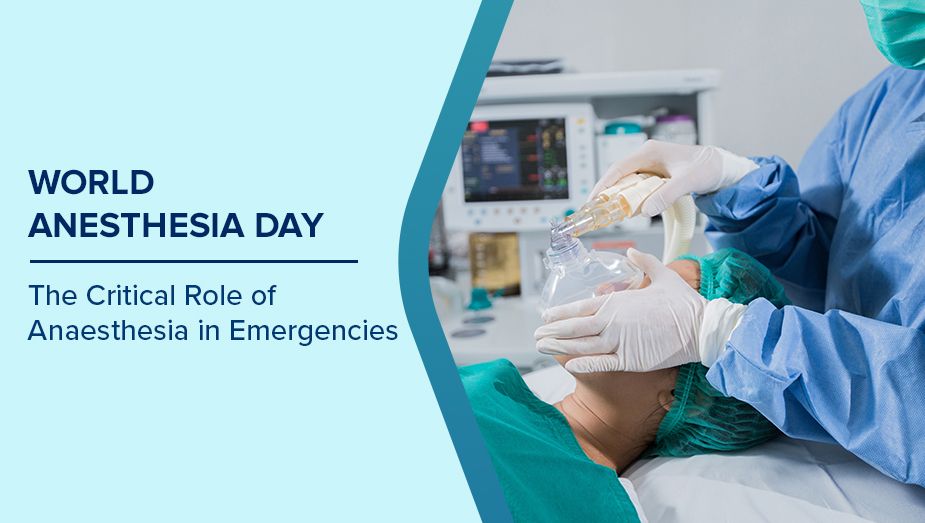
There was a time when surgical procedures were unbearably painful for patients, making operations a traumatic experience. The introduction of anaesthesia changed this, allowing surgeries and other medical interventions to be performed without causing pain - be it planned operations or emergency interventions. Anaesthesiology relies on the expertise of anaesthesiologists, who carefully administer and monitor anaesthesia, yet their work often goes unnoticed. World Anaesthesia Day offers an opportunity to recognise their expertise, dedication, and the essential role anaesthesia plays in ensuring patient comfort. In this blog, we explore the different types of anaesthesia, the responsibilities of anaesthesiologists, and the role of anaesthesia in emergencies. But before we get into all of that, let us understand the importance of this day.
History and Significance of World Anaesthesia Day
World Anaesthesia Day is observed every year on 16th October to mark the first public demonstration of ether anaesthesia in 1846 at Massachusetts General Hospital. This landmark event introduced anaesthesia as a medical practice and laid the foundation for anaesthesiology as a specialised field. Following this demonstration, medical practitioners developed systematic techniques, safety protocols, and formal training programs, allowing anaesthesia to become an integral part of surgery and critical care. Over the years, innovations such as regional anaesthesia, safer anaesthetic agents, and advanced monitoring tools have made the discipline a vital cornerstone of modern medicine.
Its significance lies in recognising the essential contributions of anaesthesiologists to patient care and medical procedures. Their expertise goes beyond surgeries to include intensive care, emergency interventions, and pain management. Observing this day also highlights ongoing advancements in anaesthesia techniques, technology, and professional training. By celebrating World Anaesthesia Day, hospitals and medical communities honour the dedication of anaesthesia professionals and raise public awareness about the pivotal role they play in modern healthcare.
Theme for World Anaesthesia Day 2025
The official theme for World Anaesthesia Day 2025 is “Anaesthesiology and Health Emergencies”. This theme highlights the vital role anaesthesiologists play in managing health emergencies, from hospital-based crises to large-scale natural or man-made disasters. It underscores how their expertise in critical care, airway management, pain control, and patient stabilisation is essential for effective emergency response. Through this focus, the World Federation of Societies of Anaesthesiologists (WFSA) aims to raise awareness, share best practices, and strengthen preparedness in anaesthesia services during emergencies, recognising the speciality’s crucial contribution to patient safety and healthcare resilience.
What is Anaesthesia?
Anaesthesia is a medical practice that temporarily blocks sensation, particularly pain, during surgical procedures and other medical interventions. By using anaesthetic drugs, allows patients to undergo operations or procedures without experiencing discomfort, stress, or awareness of what is happening. Anaesthesia is carefully administered and monitored by anaesthesiologists, who adjust the medication and dosage according to the patient’s condition and the procedure being performed.
What are the Different Types of Anaesthesia?
Anaesthesia can be classified based on the area of effect and the level of unconsciousness it produces. The choice of anaesthesia depends on the type of procedure, the patient’s overall health, and the specific medical requirements.
- General Anaesthesia: This type induces complete unconsciousness, ensuring the patient feels no pain and has no memory of the procedure. It is commonly used for major surgeries, such as heart, brain, or abdominal operations. General anaesthesia requires careful monitoring of vital functions, including heart rate, blood pressure, and oxygen saturation, and is administered through inhaled gases and intravenous drugs.
- Regional Anaesthesia: This method numbs a larger region of the body, such as an arm, leg, or the lower half of the body, without affecting consciousness. Common techniques include spinal, epidural, and nerve blocks. Regional anaesthesia is often used for surgeries of the limbs, lower abdomen, or during childbirth. It allows patients to remain awake while experiencing no pain in the targeted area.
- Local Anaesthesia: Local anaesthetics are used to numb a small, specific area of the body for minor procedures, such as stitching a wound, removing a mole, or dental procedures. Patients remain fully conscious and aware during the procedure. Local anaesthesia is generally safe, has minimal side effects, and is suitable for outpatient treatments.
- Sedation: Also known as “conscious sedation” or “procedural sedation,” this technique helps patients relax and reduces anxiety or awareness during certain medical procedures. It is commonly used for minor surgeries, diagnostic procedures, or interventions that might otherwise cause discomfort or anxiety.
Each type of anaesthesia is carefully chosen by anaesthesiologists to ensure maximum patient comfort, safety, and effectiveness during medical procedures. Advances in monitoring and anaesthetic drugs have further enhanced precision, making these techniques safer and more reliable.
The Role of Anaesthesia in Emergencies
Anaesthesia is essential in emergency medical care because it allows urgent procedures to be performed without causing severe pain to patients. In situations such as traumatic injuries, accidents, or sudden medical conditions, controlling pain is critical to stabilising the patient and enabling timely interventions.
It also facilitates life-saving procedures by suppressing reflex responses and making complex surgeries or interventions possible. Without anaesthesia, certain emergency operations, airway management, or stabilisation procedures would be difficult or impossible to perform safely.
Anaesthesia contributes to patient stabilisation by helping manage physiological responses to trauma or stress, including blood pressure, heart rate, and breathing. This support is crucial in maintaining the patient’s condition during critical procedures.
In addition, anaesthesia enables the safe use of intensive care interventions, such as sedation for mechanical ventilation and other life-support measures. By ensuring that these procedures are carried out effectively and with minimal discomfort, anaesthesia plays a central role in emergency medicine.
The Role of Anaesthesiologist
Anaesthesiologists are medical specialists responsible for administering anaesthesia and ensuring patient safety during medical procedures. They assess patients before surgery, determine the most appropriate type and dosage of anaesthesia, and continuously monitor vital signs throughout the procedure. Their role encompasses the following:
1. Preoperative Assessment and Planning
Anaesthesiologists begin their role well before any procedure starts. They conduct a thorough evaluation of the patient’s medical history, current health conditions, allergies, and previous reactions to anaesthesia. Based on this assessment, they decide the most suitable type and dosage of anaesthetic, anticipating potential complications. This planning ensures that the patient is optimally prepared for the procedure and minimises risks associated with anaesthesia.
2. Administering Anaesthesia and Monitoring During Procedures
During surgery or medical interventions, anaesthesiologists administer anaesthetic agents while closely monitoring the patient’s vital signs, including heart rate, blood pressure, oxygen levels, and respiration. They continuously adjust anaesthesia levels in response to changes in the patient’s condition, ensuring stability throughout the procedure. This vigilance is critical in preventing complications and maintaining the patient’s safety during high-risk or complex procedures.
3. Pain Management and Sedation
Pain relief is a central responsibility of anaesthesiologists. They ensure patients remain comfortable not only during surgery but also in recovery and critical care. Anaesthesiologists provide sedation for procedures that require the patient to be calm or relaxed without full unconsciousness, and they manage post-operative pain to support faster recovery and reduce discomfort.
4. Emergency and Critical Care Support
Beyond the operating theatre, anaesthesiologists are essential in emergency situations and intensive care units. They assist with life-saving interventions, stabilise critically ill patients, and manage sedation for mechanical ventilation or other critical procedures. Their expertise allows for rapid decision-making in high-pressure scenarios, which can be crucial in improving patient outcomes.
5. Collaboration With Other Specialists and Ensuring Patient Safety
Anaesthesiologists work closely with surgeons, nurses, and other healthcare professionals to ensure coordinated and safe patient care. Their role requires combining medical knowledge, vigilance, and quick judgment to respond to unexpected developments. By managing anaesthesia effectively, they make complex, high-risk procedures possible while maintaining patient safety and comfort throughout the process.
Common Myths and Misconceptions about Anaesthesia
Myth 1: Anaesthesia is Extremely Dangerous
Many people believe anaesthesia carries a very high risk. Modern anaesthesia, however, is extremely safe due to advances in drugs, monitoring technology, and the expertise of anaesthesiologists. Serious complications are rare, particularly in healthy patients undergoing routine procedures.
Myth 2: Patients Can Wake Up During Surgery
Some fear awareness during surgery. While very rare, anaesthesiologists use multiple safeguards, including monitoring vital signs and brain activity, to ensure patients remain fully unconscious under general anaesthesia.
Myth 3: Anaesthesia Causes Long-Term Memory Loss
Patients may worry about permanent memory issues. Temporary confusion or grogginess can occur post-surgery, especially in older adults, but long-term memory problems are uncommon and usually related to other medical conditions rather than anaesthesia itself.
Myth 4: Only Surgery Requires Anaesthesia
Anaesthesia is often thought to be needed only for surgery. In reality, it is also used in critical care, diagnostic procedures, emergency interventions, and pain management to ensure patient comfort and safety.
Myth 5: Anaesthesia is Just About Sleep
Anaesthesia is more than unconsciousness. It involves pain control, sedation, and careful management of vital functions, ensuring the patient remains stable and comfortable throughout the procedure.
Myth 6: Anaesthesia is Unsafe for the Elderly
Age alone rarely makes anaesthesia unsafe. Anaesthesiologists tailor the type and dosage based on overall health, medical history, and procedure requirements to ensure safety for older patients.
Myth 7: Patients Cannot Eat or Drink Before Anaesthesia
While fasting may be recommended, specific instructions depend on the procedure and type of anaesthesia. Following personalised guidelines reduces the risk of complications such as aspiration.
Myth 8: Anaesthesia Can Cause Addiction
Some believe anaesthetic drugs are addictive. In reality, anaesthetic agents are used in controlled doses during medical procedures and do not cause dependency when administered properly.
Myth 9: General Anaesthesia Always Causes Side Effects
Many expect severe side effects every time anaesthesia is administered. While mild effects like nausea or drowsiness may occur, serious side effects are uncommon, especially with modern drugs and careful monitoring.
Myth 10: Local Anaesthesia is Painful
There is a misconception that injections or local anaesthetic techniques are painful. Properly administered, local anaesthesia is generally quick and minimally uncomfortable, providing effective pain relief for minor procedures.
How to Take Part in World Anaesthesia Day
World Anaesthesia Day is not only a time to recognise the contributions of anaesthesiologists but also an opportunity for the public to learn about the importance of anaesthesia in modern medicine. There are several ways individuals, healthcare professionals, and communities can take part and help raise awareness.
- Attend Awareness Events: Join webinars, workshops, or hospital-organised sessions to gain insights into anaesthesia, its safety, and advancements in the field. These events often include discussions with specialists and demonstrations of modern anaesthetic practices.
- Educational Activities: Participate in or organise educational programs in schools, colleges, or community centres. These activities can include talks, interactive sessions, and informational materials to help people understand anaesthesia and its role in patient care.
- Social Media Campaigns: Share informative posts, videos, and infographics highlighting the role of anaesthesia and anaesthesiologists. Use hashtags and participate in online challenges to reach a wider audience and promote awareness.
- Support Healthcare Teams: Acknowledge the work of anaesthesiologists in hospitals or clinics through messages, appreciation posts, or community initiatives. Recognising their contribution boosts morale and public understanding of their role.
- Community Outreach: Engage in local campaigns or health fairs to educate the public about pain management, surgical safety, and the importance of anaesthesia in emergency and routine care.
- Promote Safety Practices: Advocate for safe surgical and medical practices in your community or workplace. Sharing knowledge about preoperative preparation, postoperative care, and the importance of trained anaesthesia professionals can contribute to safer healthcare.
Final Words
Anaesthesia plays a vital role in making medical procedures manageable and pain-free, and World Anaesthesia Day is the perfect reminder of how essential it is in both routine and emergency care. If you have any questions about anaesthesia, upcoming procedures, or want to understand how it can be tailored to your needs, consulting an anaesthesiologist at Max Hospital can provide clarity and reassurance. Their expertise ensures you feel safe and comfortable every step of the way.
Frequently Asked Questions
How long does anaesthesia typically last after a procedure?
The duration depends on the type of anaesthesia used and the procedure performed. Effects may wear off within minutes to hours, and your anaesthesiologist will provide guidance on recovery and post-procedure care.
Can I eat or drink after anaesthesia?
Most patients are advised to start with small sips of water or light food once fully alert. Your anaesthesiologist will give personalised instructions depending on the type of anaesthesia and the procedure you underwent.
How is anaesthesia monitored during surgery?
Vital signs like heart rate, blood pressure, oxygen levels, and breathing are continuously tracked to ensure safety. Modern monitoring tools allow anaesthesiologists to adjust medications in real time.
Can I drive or return to normal activities immediately after anaesthesia?
It is usually recommended to avoid driving, operating machinery, or making major decisions for at least 24 hours, depending on the anaesthesia used and your recovery.
Are there long-term effects of repeated anaesthesia?
For most healthy patients, repeated anaesthesia does not cause lasting health problems. However, certain conditions or frequent exposure in short intervals may require special monitoring and discussion with your anaesthesiologist.
How do doctors decide which anaesthesia is best for me?
The choice depends on your health, medical history, the type of procedure, and the desired level of pain control. Anaesthesiologists carefully tailor the approach to ensure safety and comfort.
Can children or elderly patients safely undergo anaesthesia?
Yes. Anaesthesia can be safely administered to patients of all ages. Dosages and techniques are adjusted based on age, weight, and health conditions to minimise risks.
What should I tell my anaesthesiologist before surgery?
It’s important to share your medical history, allergies, current medications, prior reactions to anaesthesia, and any chronic health conditions. This helps them plan the safest approach.
How soon can I eat, drink, or resume medications after anaesthesia?
Guidelines vary depending on the procedure and type of anaesthesia. Your anaesthesiologist will provide specific instructions for safely resuming food, fluids, and medications.
Can anaesthesia trigger allergies or adverse reactions?
Although uncommon, allergic reactions can occur. Anaesthesiologists review your medical history, allergies, and previous anaesthesia experiences to minimise risk and respond promptly if a reaction occurs.
Written and Verified by:

Related Blogs


Dr. Sharda Tiwari In Anaesthesia
Nov 08 , 2020 | 4 min read
Most read Blogs


Related Blogs
Dr. Sharda Tiwari In Anaesthesia
Nov 08 , 2020 | 4 min read
Most read Blogs