 WhatsApp Us (24/7)
 +91 926 888 0303 (24/7)


To Book an Appointment
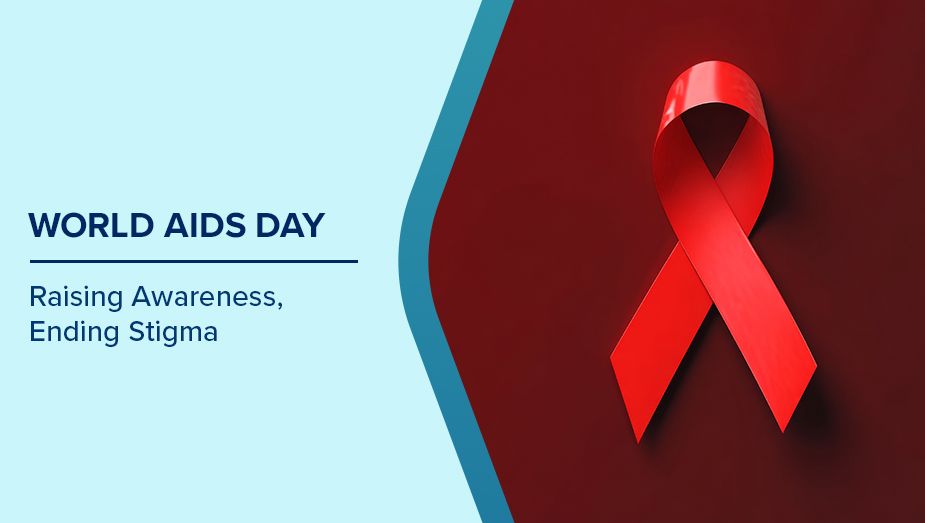
Call Us+91 926 888 0303World AIDS Day: Raising Awareness, Ending Stigma
By Dr. Rommel Tickoo in Internal Medicine
Nov 26 , 2025 | 10 min read

AIDS remains one of the most serious global health concerns, even though medical research has transformed it from a fatal diagnosis into a manageable condition, giving millions the chance to live long, healthy lives. Yet, the social challenges surrounding it remain largely unchanged. Fear, judgement, and misinformation still silence open conversations about the condition. Many people hesitate to get tested or seek treatment because of the stigma attached to HIV, allowing ignorance to spread faster than the virus itself. It is this social divide that led to the creation of World AIDS Day, observed every year on 1 December. In this blog, we explore what AIDS means today, how it spreads, and why raising awareness remains key to ending both the disease and the stigma surrounding it. But first, let us understand the significance of World AIDS Day.
History and Significance of World AIDS Day
World AIDS Day was first observed in 1988, making it the first ever global health day established by the World Health Organisation (WHO). The idea was introduced by James W. Bunn and Thomas Netter, two public information officers at the WHO, who aimed to create a day that would draw worldwide attention to the AIDS epidemic and encourage public dialogue around it.
At the time, AIDS was surrounded by fear, stigma, and limited understanding. Public discussion was minimal, and those diagnosed often faced social isolation. The observance of World AIDS Day helped break this silence, providing a platform for awareness, education, and remembrance of lives lost to the disease.
Over the years, the day has evolved into more than just a commemoration. It has become a call to action for prevention, testing, treatment, and compassion. Each year, the campaign revolves around a specific theme chosen by UNAIDS, focusing on issues that demand global attention.
World AIDS Day encourages people across nations to unite in support, challenge prejudice, and work towards a future where HIV and AIDS no longer carry stigma or fear.
Theme for World AIDS Day 2025
The theme for World AIDS Day 2025, “Overcoming Disruption, Transforming the AIDS Response,” reflects the global call to strengthen the HIV response in a world still facing social, economic, and healthcare challenges. Over the past few years, disruptions caused by pandemics, conflicts, and inequality have slowed progress in HIV prevention and treatment. This year’s theme highlights the need to rebuild stronger systems that can withstand these challenges and ensure that no one is left behind.
It also urges governments, communities, and individuals to work together in addressing the social barriers that continue to affect people living with HIV, such as discrimination and limited access to care. By transforming the AIDS response, the world moves closer to achieving the goal of ending AIDS as a public health threat by 2030.
Understanding HIV and AIDS
HIV (Human Immunodeficiency Virus) is a virus that attacks the body’s immune system, specifically the cells that help fight infections. When left untreated, HIV gradually weakens the immune system, making the body more vulnerable to infections and certain cancers.
AIDS (Acquired Immunodeficiency Syndrome) is the most advanced stage of HIV infection. It occurs when the immune system becomes severely damaged, and the body can no longer defend itself against life-threatening infections or diseases. Not everyone with HIV develops AIDS; thanks to modern antiretroviral therapy (ART), many people with HIV live long, healthy lives without ever reaching this stage.
How is HIV Transmitted and Who is Most at Risk?
HIV (Human Immunodeficiency Virus) spreads through the exchange of specific body fluids such as blood, semen, vaginal and rectal secretions, and breast milk from an infected person to an uninfected one. The virus targets the immune system and cannot survive for long outside the human body. This means it is not spread through casual contact such as hugging, kissing, sharing food, or touching. Transmission occurs when these infected fluids come into direct contact with the bloodstream through mucous membranes, open cuts, or injections. Common causes and modes of transmission include:
- Unprotected sexual contact: HIV is most frequently transmitted during vaginal or anal sex without using a condom. The virus enters the body through the thin lining of the genital or rectal tissues. Oral sex also carries a smaller risk if there are sores or bleeding gums.
- Sharing needles or syringes: Using unsterilised or shared needles during drug injection, tattooing, or piercing can introduce infected blood directly into the bloodstream. This remains one of the most common causes of HIV spread among people who inject drugs.
- From mother to child (vertical transmission): An HIV-positive mother can pass the virus to her baby during pregnancy, childbirth, or breastfeeding. With proper treatment and medical care, this risk can be greatly reduced.
- Blood transfusions and organ transplants: Although rare today due to strict screening measures, HIV transmission can occur if contaminated blood or organs are used for transfusions or transplants. The risk is higher in regions where blood testing is not mandatory or consistently monitored.
- Occupational exposure: Healthcare workers may face accidental exposure through needlestick injuries or contact with infected blood. Following safety protocols and using protective equipment reduces this risk significantly.
Risk factors that increase the likelihood of transmission include:
- Having unprotected sex with multiple partners.
- Engaging in sexual activity with someone whose HIV status is unknown or untreated.
- Sharing drug injection equipment or needles.
- Having other sexually transmitted infections (STIs) that cause sores or inflammation.
- Limited access to preventive healthcare and HIV testing.
What are the Warning Signs of AIDS?
AIDS develops when HIV has severely damaged the immune system, making it difficult for the body to fight off infections and certain cancers. The symptoms arise not from the virus itself, but from the infections and complications that occur as the body’s defences weaken. Common warning signs include:
- Persistent fever and night sweats: Continuous high fever that does not respond to usual medicines, often accompanied by heavy sweating during the night.
- Chronic fatigue: Extreme tiredness and weakness that persist even after adequate rest, as the body struggles to fight ongoing infections.
- Unexplained weight loss: Noticeable and unintended loss of body weight due to reduced appetite, chronic infections, or poor nutrient absorption.
- Recurring infections: Frequent or prolonged illnesses such as pneumonia, tuberculosis, or fungal infections, often referred to as opportunistic infections.
- Persistent diarrhoea:Loose motions lasting for weeks without an identifiable cause, leading to dehydration and further weakness.
- Swollen lymph nodes: Enlargement of lymph nodes in areas like the neck, armpits, or groin as the immune system tries to combat infection.
- Skin and mouth problems:Rashes, sores, or white patches inside the mouth caused by fungal or viral infections that do not heal easily.
- Neurological symptoms: Difficulty concentrating, confusion, memory loss, or coordination issues due to the virus affecting the nervous system.
How is AIDS Treated and Managed?
There is currently no cure for AIDS, but timely and consistent medical treatment can help control the infection, restore immune strength, and prevent further complications. The main goal of treatment is to suppress the virus, reduce the risk of transmission, and improve quality of life.
- Antiretroviral Therapy (ART): The cornerstone of HIV and AIDS management is antiretroviral therapy. ART uses a combination of medicines that prevent the virus from multiplying in the body. When taken regularly, these medicines lower the viral load to undetectable levels, allowing the immune system to recover. People with undetectable viral loads are also unlikely to transmit the virus. Strict adherence to medication is essential to prevent drug resistance and maintain long-term control of the infection.
- Management of Opportunistic Infections: Since AIDS weakens the immune system, people become more vulnerable to infections such as pneumonia,tuberculosis, and fungal diseases. These are treated with appropriate antibiotics, antivirals, or antifungal drugs. Preventive medication is also used to reduce the risk of future infections.
- Regular Medical Monitoring:Routine health check-ups are vital to track CD4 cell counts, viral load, and the effectiveness of treatment. Regular monitoring helps detect complications early, allowing timely changes in medication or therapy if needed.
- Nutrition and Lifestyle Support: A balanced diet, regular exercise, and adequate rest support immune function and overall well-being. Avoiding alcohol, smoking, and recreational drugs also helps improve treatment outcomes and prevent further strain on the body.
How to do Your Part this World AIDS Day
World AIDS Day is not only a time to remember those who have lost their lives to the disease but also an opportunity to show solidarity with those living with HIV. Everyone has a role to play in reducing stigma, spreading awareness, and supporting prevention efforts.
-
Educate Yourself and Others: Learn accurate facts about HIV and AIDS, including how the virus spreads and how it does not. Sharing this knowledge helps dispel myths and reduce fear in communities. Talking openly about HIV encourages early testing and treatment.
-
Get Tested and Encourage Others: Knowing your HIV status is one of the most effective ways to prevent transmission. Regular testing helps with early detection, which allows timely treatment and reduces the risk of spreading the virus to others. Encourage friends and family to get tested too.
-
Support People Living with HIV: Show empathy and respect towards individuals living with HIV. Avoid judgemental language and challenge discriminatory attitudes when you see them. Even small gestures of kindness can make a difference in breaking the stigma.
-
Participate in Awareness Campaigns: Join community programmes, awareness drives, or online campaigns held on or around 1 December. Wearing a red ribbon, the symbol of solidarity, is a simple way to show your support.
-
Promote Safe Practices: Encourage safe sex by promoting condom use and regular sexual health check-ups. Support harm reduction efforts, such as clean needle programmes, to prevent transmission through unsafe injections.
-
Advocate for Equal Access to Healthcare: Support initiatives that ensure everyone, regardless of background, has access to HIV testing, treatment, and education. Equal access helps create healthier, more informed communities.
World AIDS Day reminds everyone that the fight against HIV is not over. By choosing to stay informed, speak up against stigma, and support awareness efforts, each person contributes to a world where HIV is no longer feared, misunderstood, or hidden in silence.
Final Words
World AIDS Day is a reminder that compassion, awareness, and action can change lives. The more openly you talk about HIV and challenge the stigma attached to it, the closer we get to a world where no one feels isolated because of their diagnosis. If you have concerns about HIV or wish to learn more about prevention, testing, or treatment, you can reach out to the specialists at Max Hospital. They can guide you with the right information and care to help you stay informed and healthy.
Frequently Asked Questions
1. Can someone with HIV live a normal lifespan?
Yes, with regular antiretroviral therapy (ART), people living with HIV can have a near-normal life expectancy and maintain good health.
2. Is there a vaccine to prevent HIV infection?
Currently, there is no approved vaccine to prevent HIV, though research is ongoing. Using protection, regular testing, and preventive medicines like PrEP are the best ways to reduce risk.
3. Is HIV still considered a serious condition today?
It is still a serious condition, but it is manageable. Medical advances have transformed HIV from a fatal illness into a chronic, treatable condition when diagnosed early and treated consistently.
4. Can HIV be transmitted through kissing or casual contact?
No, HIV cannot spread through everyday interactions such as hugging, kissing, sharing utensils, or using the same toilet. The virus does not survive outside the body.
5. Can someone with HIV have children safely?
Yes, with proper treatment and medical supervision, an HIV-positive person can have children without transmitting the virus to their partner or baby.
6. How soon after exposure should one get tested for HIV?
Testing is usually recommended after 2 to 6 weeks of possible exposure, depending on the type of test used. Some newer tests can detect infection earlier.
7. What should I do if I think I have been exposed to HIV?
If exposure is recent, seek medical help immediately. Post-exposure prophylaxis (PEP), when started within 72 hours, can help prevent infection.
8. Does taking preventive medicine help protect against HIV?
Yes, pre-exposure prophylaxis (PrEP) is a preventive medication that can significantly reduce the risk of contracting HIV in high-risk individuals.
9. Why is stigma still a problem despite medical progress?
Many people still associate HIV with misconceptions and fear. Lack of awareness and open discussion often perpetuate this stigma, which is why awareness days like World AIDS Day are important.
10. Where can I get reliable information or counselling about HIV?
Hospitals, government health centres, and trusted organisations like Max Hospital offer testing, counselling, and treatment services in a safe, confidential environment.
11. Can HIV symptoms appear years after infection?
Yes, some people may not show noticeable symptoms for several years, even though the virus is active in their body. This is why regular testing is important for anyone at risk.
12. Is it safe for someone with HIV to get vaccinated?
Most vaccines are safe and recommended for people living with HIV, especially those that help prevent infections like hepatitis B and influenza. However, it is best to consult a doctor before taking any vaccine.
13. Can a healthy person get HIV from mosquito bites?
No, HIV cannot be transmitted through mosquito bites or any insect bites. The virus does not survive or reproduce inside insects.
Written and Verified by:

Related Blogs


Dr. Vandana Boobna In Internal Medicine
Nov 08 , 2020 | 2 min read
Blogs by Doctor


Dengue Fever: Risk Factors, Variants, Vaccine & Latest Trends
Dr. Rommel Tickoo In Internal Medicine
Aug 25 , 2024 | 2 min read
Most read Blogs


Related Blogs
Dr. Vandana Boobna In Internal Medicine
Nov 08 , 2020 | 2 min read
Blogs by Doctor
Dengue Fever: Risk Factors, Variants, Vaccine & Latest Trends
Dr. Rommel Tickoo In Internal Medicine
Aug 25 , 2024 | 2 min read
Most read Blogs