 WhatsApp Us (24/7)
 +91 926 888 0303 (24/7)


To Book an Appointment
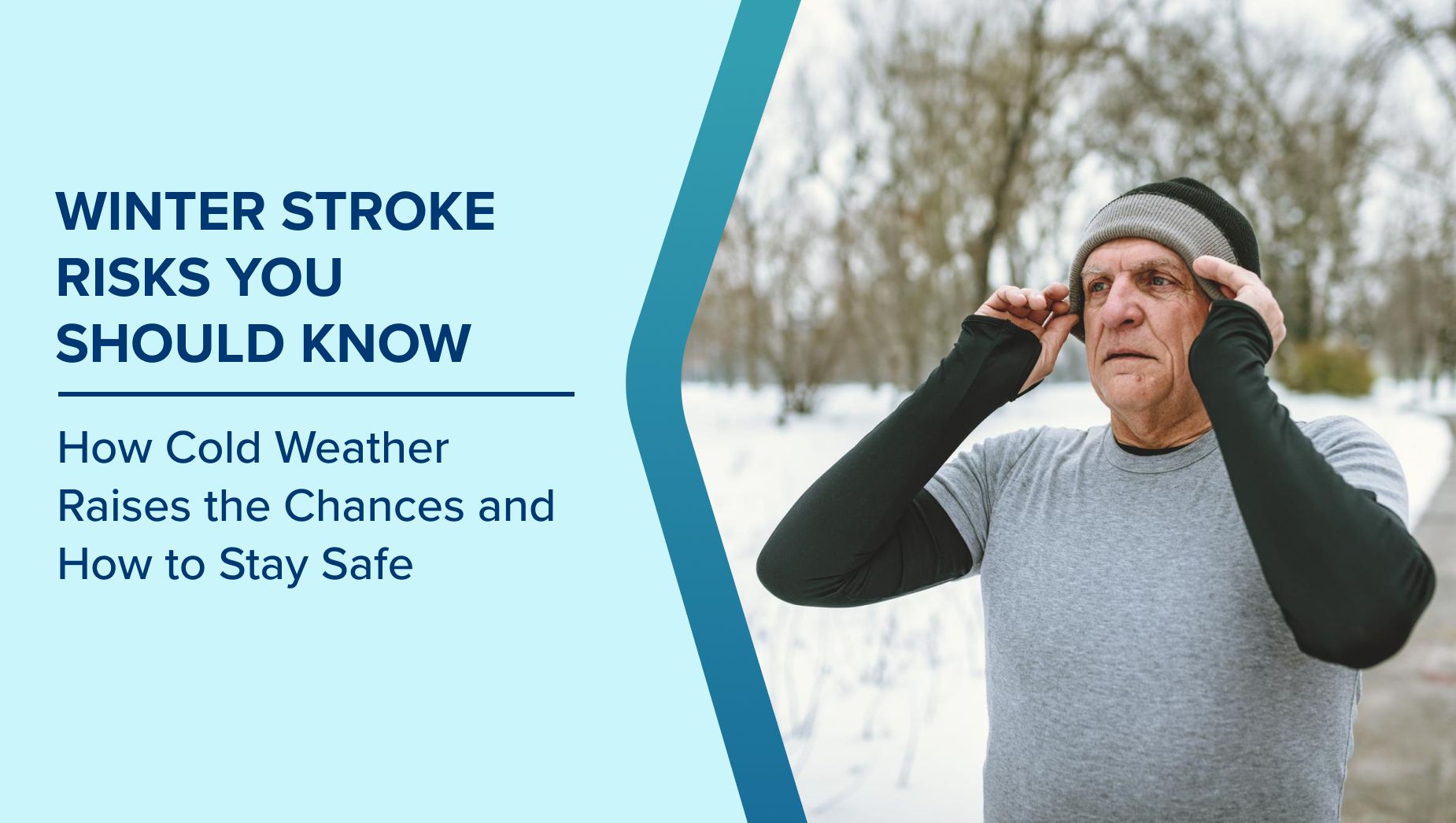
Call Us+91 926 888 0303Winter Stroke Risks You Should Know: How Cold Weather Raises the Chances and How to Stay Safe
By Dr. Amit Shrivastava in Neurology
Jan 05 , 2026 | 5 min read

Winter brings shorter days, colder temperatures, and several changes inside the body that many people do not notice. For individuals who are already at risk of stroke, these seasonal shifts can increase the chance of a medical emergency.
Understanding why stroke risk rises in winter, who is more vulnerable, and how to protect yourself can make a real difference in health and safety during the colder months.
How Winter Affects the Body
Cold temperatures trigger several natural reactions in the body. These reactions help maintain warmth, but they can also put extra pressure on the heart and blood vessels.
- Blood vessels tighten in the cold: When the temperature drops, your blood vessels narrow to reduce heat loss. This tightening increases blood pressure. High blood pressure is one of the biggest risk factors for stroke.
- Heart works harder: The heart has to pump against tighter blood vessels during cold weather. This added workload increases strain, especially in people with heart disease, diabetes, or uncontrolled hypertension.
- Blood becomes thicker: Studies suggest that blood becomes slightly thicker in winter. Thicker blood is more likely to form clots. A clot that blocks blood flow to the brain can lead to an ischemic stroke.
- Immune system changes: Winter infections such as flu and viral illnesses can trigger inflammation. High inflammation levels may increase stroke risk, especially in older adults.
- Lower physical activity: Many people move less during colder months. Reduced movement can slow circulation and contribute to weight gain, higher cholesterol, and increased stroke risk.
Why Stroke Risk Rises in Cold Weather
Medical data across various countries shows that stroke cases peak during winter. Several factors contribute to this pattern.
- Cold induced blood pressure spikes: Sudden exposure to cold air can cause blood pressure to rise quickly. Repeated spikes over days or weeks can weaken blood vessels and increase the chance of rupture or blockage.
- Seasonal lifestyle habits: Winter often comes with holiday foods high in salt, sugar, and unhealthy fats. Combined with lower activity levels, this can increase blood pressure and cholesterol.
- Dehydration in winter: Many people drink less water in cold weather because they do not feel thirsty. But dehydration thickens the blood, which increases the chance of clot formation.
- Increased rates of infections: Flu, pneumonia, and other seasonal infections place stress on the cardiovascular system. These illnesses can trigger strokes, especially in older adults.
Groups at Higher Risk of Winter Related Stroke
Stroke can happen to anyone, but some groups face a higher risk during winter.
- Older adults: Blood vessel flexibility decreases with age, making older adults more sensitive to cold related changes.
- People with high blood pressure: Cold weather can push already elevated blood pressure to dangerous levels.
- Heart disease or high cholesterol patients: Their blood vessels are already under strain, and winter changes add extra pressure.
- People with diabetes: Cold weather affects blood sugar control. Poor control increases stroke risk.
- Smokers: Smoking narrows blood vessels. Cold weather makes this effect even stronger, raising the risk of clots.
- Individuals recovering from a previous stroke: They are more sensitive to lifestyle changes, especially in winter.
Early Warning Signs of a Winter Related Stroke
Recognising symptoms early is the key to getting fast treatment. Immediate medical attention can save life and reduce long term disability.
Use the FAST method to remember warning signs:
- F (Face drooping): One side of the face may appear weak or numb.
- A (Arm weakness): The person may not be able to raise one arm fully.
- S (Speech difficulty): Slurred speech or trouble speaking clearly.
- T (Time to call emergency services): Do not wait. Every minute matters.
- Other possible symptoms include:
- Sudden severe headache
- Trouble seeing in one or both eyes
- Sudden dizziness or loss of balance
- Confusion or difficulty understanding speech
- Sudden numbness on one side of the body
These symptoms are medical emergencies. Quick treatment improves survival and outcomes.
Winter Habits That Increase Stroke Risk
Many winter routines seem harmless but can silently increase stroke risk.
- Long exposure to cold temperatures: Walking outside without enough warm clothing can cause sudden blood pressure spikes.
- Heavy meals during holidays: Large, salty, or fatty meals raise cholesterol and blood pressure.
- Sitting for long periods: Cold weather encourages a sedentary lifestyle. Lack of movement slows blood flow and increases clot risk.
- High stress and irregular sleep: Winter holidays often come with stress, financial pressure, and disrupted sleep schedules. Poor sleep and chronic stress increase stroke risk.
- Ignoring blood pressure and sugar checks: Many people skip regular health monitoring during winter, which can delay treatment for rising blood pressure or blood sugar.
Simple Prevention Tips to Reduce Winter Stroke Risk
Staying safe during winter is possible with simple preventive steps.
- Dress warmly and cover extremities: Wear layers, gloves, socks, and scarves. Keeping the body warm reduces sudden blood pressure spikes.
- Monitor blood pressure regularly: Use a home blood pressure machine if needed. Early detection helps prevent emergencies.
- Stay hydrated: Even in winter, the body needs sufficient water for smooth blood flow.
- Keep moving: Short indoor walks, stretching, or light exercises can maintain circulation.
- Eat balanced meals: Choose fruits, vegetables, whole grains, and lean proteins. Limit salt and heavy winter foods.
- Avoid smoking and limit alcohol: Smoking constricts blood vessels. Excessive alcohol affects blood pressure.
- Manage chronic illnesses carefully: Take medications on time and follow your doctor's advice, especially if you have diabetes, heart disease, or hypertension.
- Get flu vaccination if recommended: Preventing winter infections reduces inflammation and stroke risk.
When to Seek Medical Help
Seek medical help if you notice:
- Sudden weakness
- Severe headache
- Chest pain
- Unusual fatigue
- Constant dizziness
- Very high blood pressure readings
Conclusion
Winter brings natural changes in the body, but understanding how these changes affect stroke risk can help protect your health. Simple daily habits such as staying warm, active, hydrated, and monitoring your health can significantly reduce risk. If you have a chronic illness or a previous history of stroke, staying alert during cold weather is even more important.
If you experience early warning signs, seek immediate medical help. Quick action can save life and prevent long-term complications.
Frequently Asked Questions
Can cold weather trigger mini strokes?
Yes, cold temperatures can cause brief drops in blood flow to the brain, which may contribute to transient ischemic attacks in people with existing vascular problems.
Does winter dehydration really increase stroke risk?
Yes, dehydration thickens the blood, making it easier for clots to form, which increases the chance of stroke during winter.
Do indoor heaters affect stroke risk?
Indoor heaters can dry the air, which may contribute to dehydration. They can also raise indoor temperatures suddenly, leading to blood pressure fluctuations.
Can winter stress contribute to stroke risk?
Stress increases blood pressure and causes hormonal changes that can raise the likelihood of stroke, especially during holiday seasons.
Are morning hours more dangerous in winter for stroke?
Stroke risk is naturally higher in the morning due to hormonal changes. Cold morning temperatures can amplify this risk.
Do people without chronic illnesses face winter stroke risk?
Yes, even healthy individuals can experience blood pressure spikes during extreme cold. Proper precautions help everyone.
Does lack of sunlight in winter affect stroke risk?
Low sunlight reduces vitamin D levels. Some studies suggest low vitamin D may be linked to higher stroke risk, especially in older adults.
Written and Verified by:

Related Blogs


Oct 27 , 2020 | 3 min read
Blogs by Doctor
Tingling in Hands or Feet? Possible Causes Explained
Dr. Amit Shrivastava In Neurology
Jul 16 , 2025 | 9 min read
Alzheimer’s Prevention: Lifestyle Habits for Memory & Brain Health
Dr. Amit Shrivastava In Neurology
Sep 17 , 2025 | 3 min read
Most read Blogs


Related Blogs
Oct 27 , 2020 | 3 min read
Blogs by Doctor
Tingling in Hands or Feet? Possible Causes Explained
Dr. Amit Shrivastava In Neurology
Jul 16 , 2025 | 9 min read
Alzheimer’s Prevention: Lifestyle Habits for Memory & Brain Health
Dr. Amit Shrivastava In Neurology
Sep 17 , 2025 | 3 min read
Most read Blogs