 WhatsApp Us (24/7)
 +91 926 888 0303 (24/7)


To Book an Appointment
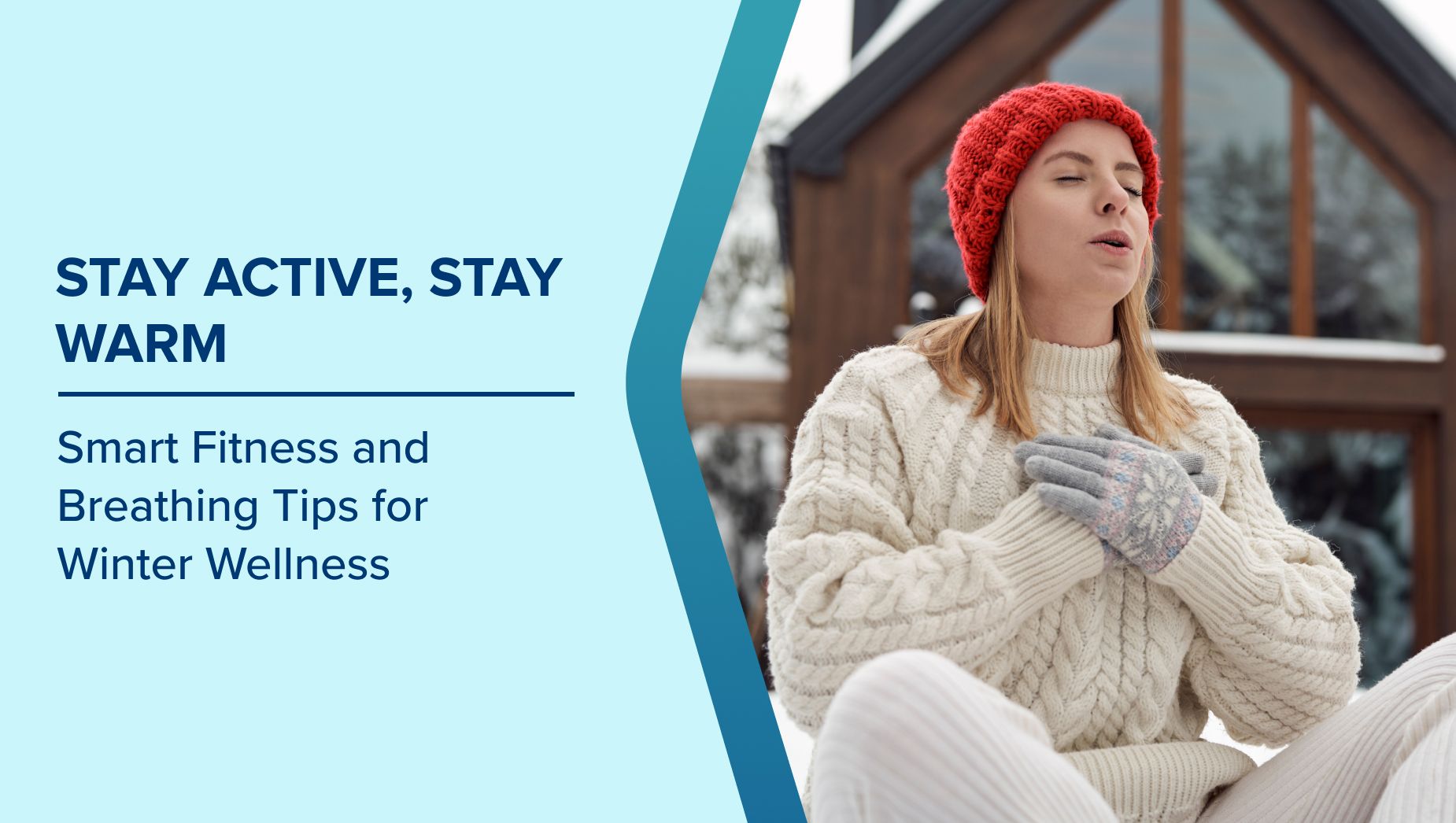
Call Us+91 926 888 0303Stay Active, Stay Warm: Smart Fitness and Breathing Tips for Winter Wellness
By Dr. Manish Garg in Pulmonology , Critical Care
Jan 05 , 2026 | 5 min read
1

When temperatures drop, many people tend to skip workouts and stay indoors. But winter is one of the most important times to stay active. Regular exercise not only keeps your body warm but also boosts your immunity, improves your mood, and strengthens your heart and lungs. However, working out in cold weather requires smart planning. Understanding how your body reacts to chilly temperatures and learning safe breathing techniques can make all the difference.
How Cold Weather Affects Your Body and Breathing
Cold weather directly affects how your body and lungs function during physical activity. When you inhale cold, dry air, your airways can tighten, making it slightly harder to breathe, especially for people with asthma or respiratory issues. The body also works harder to maintain its core temperature, which means your heart and muscles need more energy.
Common effects of exercising in cold weather include:
- Shortness of breath due to constricted airways.
- Dry throat or coughing from breathing cold air.
- Tight or sore muscles from reduced flexibility in the cold.
- Slower reaction time and muscle performance.
The good news is, your body adapts when you warm up properly and protect yourself with the right clothing and breathing techniques.
Safe Outdoor Workouts During Winter
Outdoor workouts can be refreshing and energising, even in cold months, if done safely. Exercising outdoors increases exposure to sunlight, improving vitamin D levels and mood.
Here are some winter workout tips to help you stay safe and active:
- Dress in Layers: Wear moisture-wicking clothes close to the skin, add an insulating layer, and top it with a windproof jacket. Layers trap body heat and allow flexibility.
- Warm Up Indoors First: Before heading out, do light stretches, jumping jacks, or brisk walking indoors to raise your body temperature and loosen muscles.
- Protect Your Extremities: Wear gloves, warm socks, and a hat, since your hands, feet, and head lose heat quickly.
- Avoid Overexposure: Limit outdoor exercise sessions to 30–45 minutes in very cold weather. Longer workouts increase the risk of frostbite and dehydration.
- Breathe Through Your Nose: Nasal breathing warms and humidifies the air before it reaches your lungs, reducing the shock of cold air.
Popular outdoor activities include brisk walking, jogging, cycling, or yoga in the sun. Just ensure the path is dry and safe to avoid slips.
Best Indoor Exercise Ideas for Cold Months
If stepping outside feels too cold, indoor workouts can help maintain strength and endurance without exposure to harsh weather.
Here are some indoor workout ideas perfect for winter fitness routines:
- Bodyweight exercises: Push-ups, squats, lunges, planks, and burpees can give you a full-body workout without equipment.
- Yoga and Pilates: Excellent for flexibility, balance, and deep breathing.
- Dancing: A fun way to burn calories while boosting your mood.
- Resistance band training: Compact and effective for building strength.
- Home cardio: Use a skipping rope, treadmill, or stair climbing to keep your heart rate up.
Indoor workouts are safer for those with respiratory sensitivities, as they minimise exposure to cold and pollution-prone air.
Breathing and Warm-Up Tips to Protect Your Lungs
Cold air can irritate your respiratory system, so proper breathing and warm-ups are essential before any winter workout.
Here’s how to protect your lungs during winter:
- Start with Gentle Breathing: Take slow, deep breaths before your workout. Inhale through the nose and exhale through the mouth to warm and moisten the air.
- Do a 10-Minute Warm-Up: Include stretching, shoulder rolls, and gentle jogging in place to gradually raise body temperature.
- Wear a Scarf or Mask Outdoors: Covering your mouth and nose helps trap warm air and prevents your lungs from inhaling cold, dry air directly.
- Try Breathing Exercises for Winter Lung Health
- Pursed-lip breathing: Inhale through your nose, then exhale slowly through pursed lips.
- Diaphragmatic breathing: Focus on expanding your abdomen while inhaling to strengthen your diaphragm.
These techniques can also help reduce stress and improve oxygen flow during winter workouts.
Nutrition and Hydration for Winter Fitness
Staying hydrated and eating well are just as important in winter as in summer. Cold weather can dull your thirst, making it easy to forget to drink water.
Hydration Tips:
- Drink warm water or herbal teas throughout the day.
- Avoid excessive caffeine, which can dehydrate you.
- Eat fruits and vegetables with high water content, like oranges and cucumbers.
Nutrition Tips for Winter Wellness:
- Include seasonal produce like carrots, spinach, and citrus fruits for vitamins and antioxidants.
- Add lean protein sources such as eggs, fish, and legumes to repair muscles.
- Omega-3 fatty acids (found in walnuts and flaxseeds) support heart and joint health.
- Choose whole grains for steady energy.
Balanced nutrition strengthens your immune system and supports recovery from exercise, helping you stay fit through the cold months.
Motivation Hacks to Stay Consistent
Staying motivated during cold, dark mornings can be tough. However, consistency is the secret to maintaining your fitness and immunity.
Here are some winter fitness motivation tips:
- Set Realistic Goals: Focus on maintaining progress rather than achieving new records.
- Workout with a Partner: Having a fitness buddy increases accountability.
- Create a Cozy Space: Make your home workout area inviting with warm lighting and upbeat music.
- Track Your Progress: Use fitness apps to log workouts and celebrate small wins.
- Reward Yourself: After a session, enjoy a warm shower, a healthy snack, or a relaxing stretch.
Remember, even 20–30 minutes of movement a day keeps your heart strong and your mind calm.
How to Build Immunity Through Regular Movement
Exercise enhances the immune system by improving circulation, reducing stress hormones, and increasing the production of white blood cells that fight infections.
Regular physical activity also helps regulate sleep, another key factor for immunity. Combined with proper nutrition and rest, staying active in winter can make you less vulnerable to common colds and seasonal flu.
Some of the best winter wellness tips include:
- Get at least 7–8 hours of sleep each night.
- Manage stress through meditation or deep breathing.
- Wash your hands frequently to reduce your risk of infection.
- Maintain consistent exercise habits, even on colder days.
Conclusion
Winter can make you want to hibernate, but it’s actually the perfect time to build strength and resilience. Staying active, maintaining proper breathing habits, and eating nutritious foods can help you stay healthy throughout the season.
Consistency is key. Even short daily workouts can make a big difference in boosting immunity, protecting lung health, and maintaining overall wellness. So bundle up, breathe deeply, and move with purpose this winter.
Frequently Asked Questions
What is the best time to work out during winter?
Late mornings or early afternoons are ideal since temperatures are slightly warmer and your body is more flexible. Avoid early dawn or late-night workouts when the air is colder and more polluted.
How should I dress for outdoor exercise in cold weather?
Wear layers that can be adjusted based on activity level. Choose moisture-wicking fabric inside, insulation in the middle, and a windproof layer on top.
How can I breathe safely in winter air pollution?
Avoid outdoor workouts during heavy smog or fog. Use a mask, breathe through your nose, and choose early afternoon times when air quality improves.
How do I prevent muscle cramps during cold-weather workouts?
Warm up for at least 10 minutes before exercising. Stay hydrated, stretch after workouts, and include foods rich in magnesium and potassium.
How long should I exercise outdoors in cold weather?
Limit outdoor sessions to 30–45 minutes in freezing temperatures. Combine them with indoor workouts for balance and safety.
Written and Verified by:

Related Blogs

Medical Expert Team
Jun 06 , 2015 | 2 min read

Blogs by Doctor

Upper Respiratory Infections: Causes, Symptoms and Care Tips
Dr. Manish Garg In Pulmonology
Sep 27 , 2024 | 7 min read

Beyond Chest Pain: Understanding the Symptoms and Causes of Pleural Effusion
Dr. Manish Garg In Pulmonology
Sep 27 , 2024 | 8 min read
Most read Blogs


Related Blogs
Medical Expert Team
Jun 06 , 2015 | 2 min read
Blogs by Doctor
Upper Respiratory Infections: Causes, Symptoms and Care Tips
Dr. Manish Garg In Pulmonology
Sep 27 , 2024 | 7 min read
Beyond Chest Pain: Understanding the Symptoms and Causes of Pleural Effusion
Dr. Manish Garg In Pulmonology
Sep 27 , 2024 | 8 min read
Most read Blogs