 WhatsApp Us (24/7)
 +91 926 888 0303 (24/7)


To Book an Appointment
Call Us+91 926 888 0303Why Young Adults Get Heart Attacks: Hidden Risks & Signs
By Medical Expert Team
Jan 09 , 2026

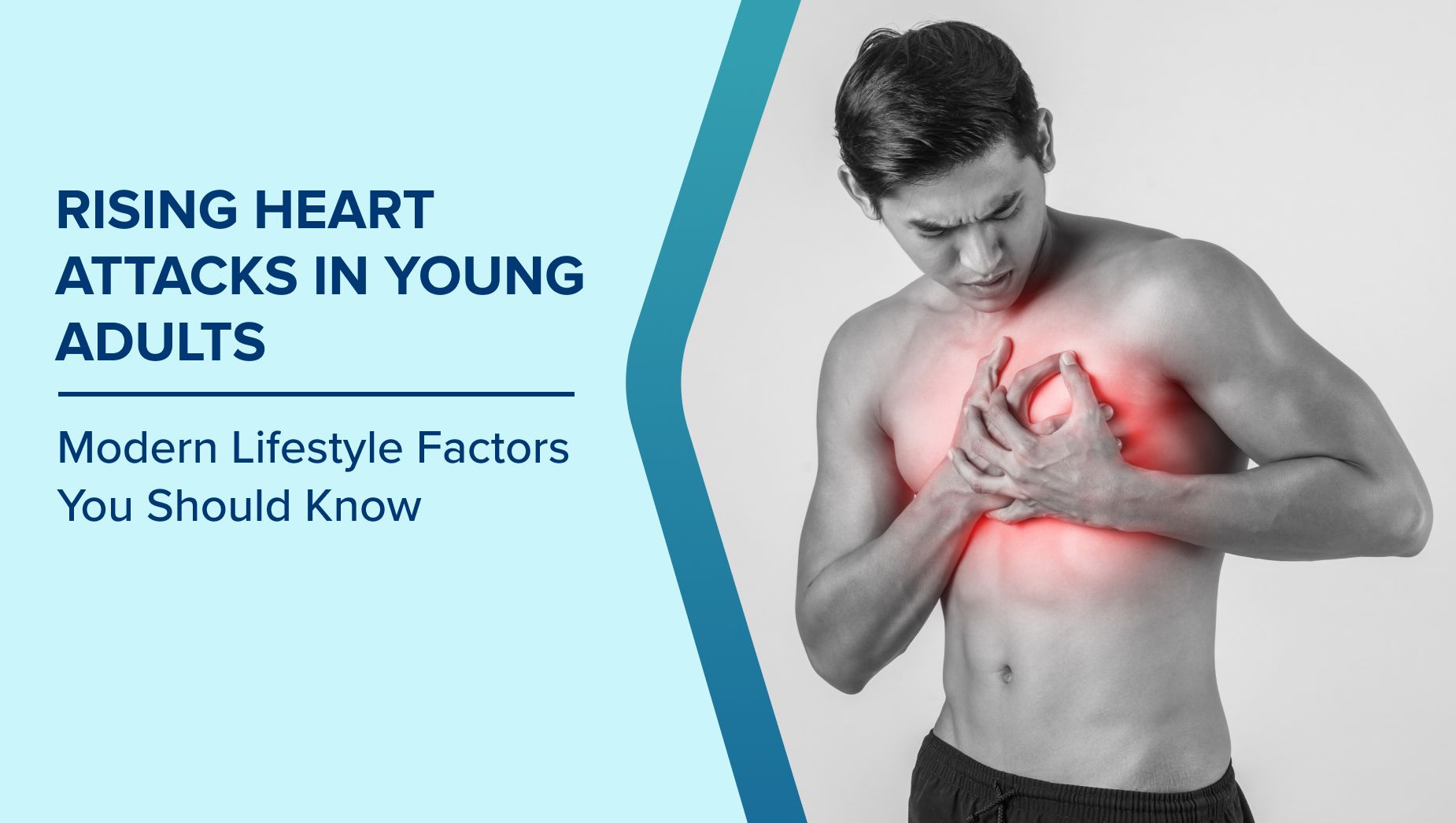
For decades, heart attacks were considered a health problem of older age. Today, this belief is rapidly changing. Hospitals across cities are seeing more patients in their 30s and even late 20s presenting with heart attacks. Many of them appear fit and active, with no known medical history. This shift is worrying, confusing, and often shocking for families and doctors alike.
The rise in heart attack cases among young adults is not driven by one single factor. It is the result of multiple modern lifestyle patterns quietly damaging heart health over the years, often without obvious warning signs. Understanding these hidden causes is essential if prevention is to start early.
Changing Patterns of Heart Disease in Younger Age Groups
Heart disease in young adults does not behave the same way it did earlier.
- Younger patients often have fewer classic risk factors like long-standing diabetes or high blood pressure.
- Many do not experience warning symptoms until a sudden cardiac event occurs.
- Heart attacks in younger adults are more likely to be missed or delayed due to low suspicion.
- Recovery can be physically and emotionally harder because the event occurs unexpectedly during active life years.
This shift highlights that heart disease today is evolving alongside modern lifestyles.
Hidden Risk Factors Most Young Adults Ignore
Many young people believe that heart disease only develops after decades of unhealthy habits. In reality, several subtle risks accumulate silently.
- Long working hours with minimal physical movement reduce blood flow and strain the heart.
- Chronic mental pressure keeps stress hormones elevated for long periods.
- Irregular eating schedules disturb metabolism and cholesterol balance.
- Frequent exposure to pollution increases inflammation inside blood vessels.
- Repeated short-term stress without recovery weakens heart resilience.
These factors often exist together, making the damage gradual and unnoticed.
The Role of Sleep Deprivation in Early Heart Attacks
Sleep is one of the most underestimated pillars of heart health.
- Sleeping less than 6 hours regularly raises blood pressure.
- Poor sleep increases insulin resistance, even in young and slim individuals.
- Irregular sleep timings disrupt the body’s natural heart rhythm.
- Night shift work disrupts hormonal balance and increases the risk of clot formation.
- Sleep deprivation reduces the body’s ability to repair blood vessels.
Many young adults sacrifice sleep for work, social commitments, or screen time, unaware of its impact on the heart.
Screen Time, Digital Stress, and Heart Health
Modern life keeps young adults constantly connected but rarely relaxed.
- Prolonged screen exposure keeps the nervous system in a constant state of alert.
- Blue light exposure at night disrupts sleep quality and heart rhythm.
- Continuous notifications prevent mental rest, raising stress hormone levels.
- Sedentary screen habits reduce overall daily physical activity.
- Mental fatigue from digital overload increases emotional stress on the heart.
This constant stimulation leaves the heart with little time to recover.
Why Being Fit or Slim Does Not Always Mean a Healthy Heart
Many young adults assume that visible fitness protects them from heart attacks. This is not always true.
- Normal weight does not guarantee healthy cholesterol levels.
- Hidden visceral fat around organs increases the risk of heart disease.
- Overtraining without recovery strains the heart muscle.
- Extreme diets may lead to nutrient deficiencies affecting heart function.
- Genetic predisposition can exist even in physically active individuals.
Heart health depends on internal balance, not just outward appearance.
Irregular Eating Patterns and Late Night Meals
Modern eating habits play a major role in early heart disease.
- Skipping meals leads to sudden spikes in blood sugar and fat later in the day.
- Late-night eating increases triglyceride levels overnight.
- Heavy dinners strain digestion and disturb sleep.
- Frequent reliance on processed foods increases inflammation.
- Weekend binge eating disrupts weekly metabolic balance.
Over time, these habits contribute to plaque buildup in arteries.
The Impact of Mental Burnout on the Heart
Mental exhaustion is not just an emotional issue, it directly affects the heart.
- Long-term burnout keeps cortisol levels high.
- Elevated stress hormones increase heart rate and blood pressure.
- Emotional suppression increases inflammation markers.
- A lack of emotional recovery increases the risk of rhythm disturbances.
- Burnout reduces motivation for healthy routines, such as exercise and sleep.
Young professionals often normalise burnout, not realising its physical consequences.
Environmental and Urban Lifestyle Factors
City living exposes young adults to risks rarely discussed.
- Air pollution damages the lining of blood vessels over time.
- Constant noise pollution keeps the stress response active.
- Limited green spaces reduce opportunities for stress relief.
- Long commuting hours reduce time for rest and exercise.
- Exposure to toxins increases oxidative stress inside the body.
These environmental factors quietly increase the risk of heart disease.
Early Warning Signs Young Adults Commonly Dismiss
Heart attacks in young adults often present with subtle symptoms.
- Repeated chest discomfort mistaken for acidity or muscle pain.
- Shortness of breath during routine activity.
- Unexplained fatigue lasting several weeks.
- Sudden sweating without physical exertion.
- Jaw, neck, or left arm discomfort ignored as posture-related pain.
- Episodes of anxiety that are actually heart-related symptoms.
Ignoring these signs delays treatment and increases damage.
Why Prevention Must Start Before Symptoms Appear
Heart disease begins years before a heart attack occurs.
- Artery damage develops silently over time.
- Symptoms often appear only when the blockage becomes severe.
- Early lifestyle correction can reverse many risk factors.
- Regular health checks help detect silent problems.
- Prevention in the twenties and thirties protects future heart health.
Waiting for symptoms is often too late.
Simple and Realistic Ways to Protect Heart Health Early
Preventing heart attacks in young adults requires practical changes, not extreme measures.
- Maintain consistent sleep timings even on weekends.
- Include short movement breaks during work hours.
- Eat meals at regular times with balanced portions.
- Reduce screen exposure at least one hour before sleep.
- Practice stress release activities like walking or breathing exercises.
- Get periodic heart health checks even without symptoms.
- Avoid assuming youth alone provides protection.
Small changes practised consistently make a significant difference.
Why Awareness Matters More Than Fear
The goal of understanding early heart attack risk is not to create panic.
- Awareness encourages timely lifestyle correction.
- Early detection improves long-term outcomes.
- Knowledge helps young adults take responsibility for their heart health.
- Families can support healthier routines together.
- Prevention reduces sudden, life-altering cardiac events.
Heart health awareness must start early to protect the most productive years of life.
Conclusion
Heart attacks among young adults are no longer rare events. They are signals that modern life is pushing the heart beyond its limits. Recognising hidden risks, respecting early symptoms, and prioritising heart health from a young age can prevent sudden and devastating outcomes. Taking care of the heart today protects not just longevity, but quality of life for years to come.
Frequently Asked Questions
Can heart attacks really happen under the age of 40?
Yes, heart attacks under 40 are increasingly reported due to modern lifestyle and hidden risk factors.
Do young adults experience silent heart attack symptoms?
Many young adults have mild or unusual symptoms that are often ignored or misunderstood.
Is stress alone enough to cause a heart attack?
Stress alone may not cause a heart attack, but long-term stress combined with other factors significantly increases risk.
Should young adults get heart tests even if they feel healthy?
Basic screening helps identify silent risk factors and allows early preventive action.
Can heart damage from early lifestyle habits be reversed?
Many early changes can be improved with timely lifestyle correction and medical guidance.
Related Blogs

Dr. Ritwick Raj Bhuyan In Cardiac Sciences , Cardiac Surgery (CTVS)
Nov 08 , 2020 | 2 min read

Dr. Gaurav Minocha In Cardiac Sciences
Nov 08 , 2020 | 4 min read
Blogs by Doctor

The Future of Cardiology: How Technology is Revolutionising Heart Care
Medical Expert Team
Sep 23 , 2025 | 4 min read
Most read Blogs


Related Blogs
Dr. Ritwick Raj Bhuyan In Cardiac Sciences , Cardiac Surgery (CTVS)
Nov 08 , 2020 | 2 min read
Dr. Gaurav Minocha In Cardiac Sciences
Nov 08 , 2020 | 4 min read
Blogs by Doctor
The Future of Cardiology: How Technology is Revolutionising Heart Care
Medical Expert Team
Sep 23 , 2025 | 4 min read
Most read Blogs