 WhatsApp Us (24/7)
 +91 926 888 0303 (24/7)


To Book an Appointment
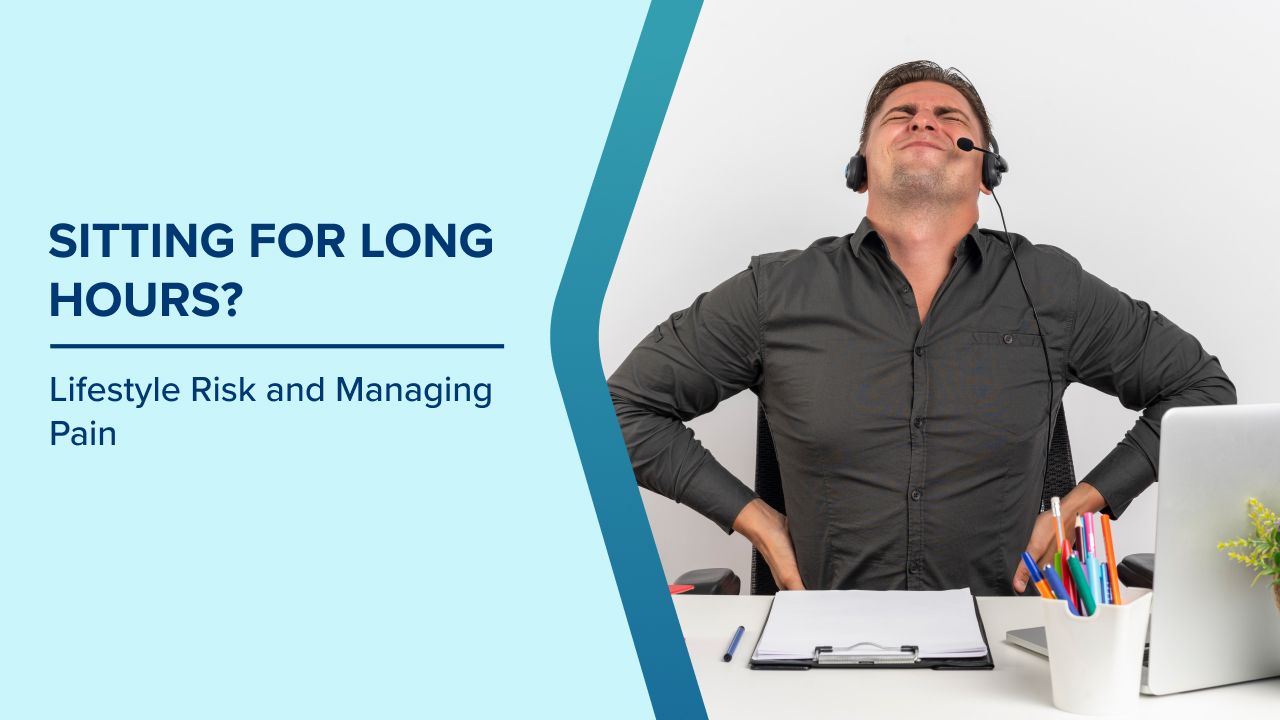
Call Us+91 926 888 0303Pain During Sitting for Long Hours: Lifestyle Risk and Managing Pain
By Dr. Divya Sehra in Cancer Care / Oncology , Gynecologic Oncology , Robotic Surgery , Gynaecologic Laparoscopy
May 19 , 2026
1

Spending long hours sitting has become a normal part of modern life, whether it’s working at a desk, commuting, or relaxing at home. While occasional discomfort may seem harmless, persistent pain during sitting is often a sign that something deeper is going on.
Many people assume it is related to poor posture or muscle strain, but in some cases, the underlying cause may be less obvious. One such overlooked reason is pelvic floor dysfunction, a condition that can quietly affect comfort, movement, and daily life. Understanding this connection can help you recognise early signs and take the right steps before the discomfort becomes long-term.
What Is the Pelvic Floor and Why Does It Matter
The pelvic floor is a group of muscles and connective tissues located at the base of the pelvis. These muscles support important organs such as the bladder, bowel, and reproductive structures.
Beyond support, the pelvic floor also plays a role in:
- Maintaining bladder and bowel control
- Supporting core stability
- Assisting in posture and movement
- Coordinating with breathing and abdominal muscles
When these muscles function properly, they remain flexible and responsive. However, when they become too tight, weak, or uncoordinated, it can lead to discomfort, especially during activities like prolonged sitting.
Why Sitting for Long Hours Can Trigger Pelvic Pain
Sitting places continuous pressure on the pelvic region. Over time, this pressure can affect how the pelvic floor muscles behave.
Prolonged Muscle Compression
When you sit for extended periods, the muscles in the pelvic area remain compressed. This can reduce blood flow and create tension, leading to a dull ache or discomfort.
Reduced Movement
The body is designed for regular movement. Sitting for long durations limits muscle activity, which can cause stiffness not just in the back and hips, but also in the pelvic floor.
Poor Postural Habits
Slouching or leaning forward shifts pressure toward the lower pelvis. This uneven distribution can strain muscles that are not meant to bear constant load.
Weak Core Support
A weak core can place extra demand on the pelvic floor. When core muscles do not provide adequate support, the pelvic floor may overcompensate, leading to fatigue and discomfort.
Understanding Pelvic Floor Dysfunction
Pelvic floor dysfunction occurs when the muscles in this area do not work in coordination. They may become too tight (overactive), too weak (underactive), or fail to relax when needed.
Unlike general muscle pain, this type of dysfunction often develops gradually and may not be immediately recognised.
Signs That Your Pain May Be Linked to Pelvic Floor Dysfunction
Pain during sitting can have multiple causes, but certain patterns may suggest involvement of the pelvic floor.
Common Indicators
- A deep, aching discomfort in the pelvic region while sitting
- Pain that improves when standing or walking
- A feeling of pressure or heaviness in the lower abdomen
- Discomfort that spreads to the hips, lower back, or inner thighs
- Difficulty finding a comfortable sitting position
Less Obvious Signs
- A sensation of tightness in the pelvic area
- Discomfort after long meetings, travel, or desk work
- Increased sensitivity in the sitting bones region
These symptoms may not always be severe, but can become more noticeable over time if left unaddressed.
How This Differs from Other Causes of Sitting Pain
Not all sitting-related discomfort comes from the pelvic floor. It is important to understand how this condition differs from more common causes.
Muscle Strain
Typically linked to overuse or sudden activity, and often improves with rest.
Lower Back Issues
Pain may radiate down the legs or worsen with certain movements.
Sciatic Nerve Irritation
Usually causes sharp or shooting pain rather than a dull pelvic ache.
Pelvic Floor Dysfunction
More likely to cause deep, central discomfort that is influenced by sitting duration rather than movement alone.
Recognising these differences can help guide appropriate care.
Who Is More Likely to Experience This Problem
Pelvic floor-related sitting pain can affect a wide range of individuals, especially those with certain lifestyle patterns.
Higher Risk Groups
- People with desk-based jobs
- Individuals who sit for extended periods without breaks
- Those with poor posture habits
- Women after childbirth
- Individuals recovering from pelvic or abdominal procedures
- People experiencing long-term stress or muscle tension
While anyone can develop this issue, lifestyle plays a significant role in how it develops and progresses.
When Should You Pay Attention to the Pain
Not all discomfort requires immediate concern, but certain patterns should not be ignored.
Warning Signs
- Pain that persists despite changing positions
- Increasing discomfort over weeks or months
- Pain interfering with work or daily routine
- Difficulty sitting through normal activities like meals or travel
- Discomfort that keeps returning after temporary relief
These signs suggest that the issue may need proper evaluation rather than simple adjustments.
How Pelvic Floor Dysfunction Is Identified
Diagnosis is usually based on a combination of symptom discussion and physical assessment.
A healthcare professional may:
- Ask about the nature and timing of pain
- Assess posture and movement patterns
- Evaluate muscle tone in the pelvic region
- Recommend further tests only if necessary
The goal is to understand whether the pelvic floor muscles are tight, weak, or not functioning in coordination.
Managing Pain Related to Prolonged Sitting
The good news is that pelvic floor-related discomfort can often be managed effectively with the right approach.
Improve Sitting Habits
- Sit with your back supported and feet flat on the floor
- Keep hips slightly higher than knees
- Avoid slouching or leaning forward
Take Regular Movement Breaks
- Stand or walk every 30–45 minutes
- Gentle stretching can help reduce muscle stiffness
Use Supportive Seating
- Cushions or ergonomic chairs can reduce pressure on the pelvic area
- Avoid sitting on very hard surfaces for long periods
Focus on Body Awareness
- Pay attention to unnecessary muscle tightening
- Avoid holding tension in the lower abdomen or pelvic area
Gentle Strengthening and Relaxation
- Exercises that improve core stability can reduce strain
- Relaxation techniques help release muscle tightness
Consistency in these small adjustments often leads to noticeable improvement over time.
The Role of Lifestyle in Long-Term Relief
Managing pelvic floor discomfort is not just about correcting posture; it involves a broader lifestyle approach.
Balanced Activity
Alternating between sitting, standing, and movement supports overall muscle health.
Stress Management
Stress can increase muscle tension, including in the pelvic floor. Relaxation practices can help reduce this effect.
Hydration and General Health
Maintaining overall physical health supports muscle function and recovery.
When to Seek Professional Help
If the pain continues despite making lifestyle changes, it is important to consult a healthcare professional.
You should consider seeking help if:
- Pain is persistent or worsening
- Daily activities are affected
- Self-care measures are not providing relief
- You are unsure about the cause of discomfort
Early evaluation can help identify the issue and prevent it from becoming more complex.
Conclusion
Pain during sitting is often dismissed as a minor inconvenience, but when it becomes persistent, it deserves attention. Pelvic floor dysfunction is one of the lesser-known causes that can quietly affect comfort and daily functioning.
By understanding how prolonged sitting impacts the body and recognising early signs, you can take practical steps to manage discomfort effectively. Small changes in posture, movement, and awareness can make a meaningful difference over time.
Listening to your body and addressing discomfort early is the key to maintaining long-term comfort and overall well-being.
Frequently Asked Questions
Can pelvic floor dysfunction cause pain only while sitting?
Yes, in some cases, discomfort may be most noticeable during sitting due to direct pressure on the pelvic muscles, while other activities may feel relatively comfortable.
Is pelvic floor dysfunction common in people with desk jobs?
It can be more common in individuals who sit for prolonged periods, especially without regular movement or proper posture support.
Can changing my chair alone solve the problem?
While a better chair can reduce pressure, it is usually not enough on its own. Movement, posture, and muscle balance also need attention.
Does pelvic floor discomfort always indicate a serious condition?
Not necessarily. In many cases, it is related to muscle imbalance or tension, which can improve with proper care and adjustments.
Can men also experience pelvic floor dysfunction from sitting?
Yes, pelvic floor dysfunction can affect both men and women, especially when lifestyle factors like prolonged sitting are involved.
Written and Verified by:

Related Blogs

Dr. Kanika Batra Modi In Cancer Care / Oncology
Nov 07 , 2020 | 3 min read

Dr. R.Ranga Rao In Medical Oncology , Cancer Care / Oncology , Thoracic Oncology
Nov 07 , 2020 | 2 min read
Blogs by Doctor

Ovarian Cysts and Ovarian Cancer: How Lifestyle Choices Influence Your Risk
Dr. Divya Sehra In Cancer Care / Oncology , Gynecologic Oncology , Robotic Surgery
Oct 27 , 2025 | 5 min read

Most read Blogs


Related Blogs
Dr. Kanika Batra Modi In Cancer Care / Oncology
Nov 07 , 2020 | 3 min read
Dr. R.Ranga Rao In Medical Oncology , Cancer Care / Oncology , Thoracic Oncology
Nov 07 , 2020 | 2 min read
Blogs by Doctor
Ovarian Cysts and Ovarian Cancer: How Lifestyle Choices Influence Your Risk
Dr. Divya Sehra In Cancer Care / Oncology , Gynecologic Oncology , Robotic Surgery
Oct 27 , 2025 | 5 min read
Most read Blogs