 WhatsApp Us (24/7)
 +91 926 888 0303 (24/7)


To Book an Appointment
Call Us+91 926 888 0303Heatwave Stroke Risk: Symptoms, Causes & Prevention Tips
By Dr. Nikhil Dongre in Neurosciences , Neurology
Jun 11 , 2026

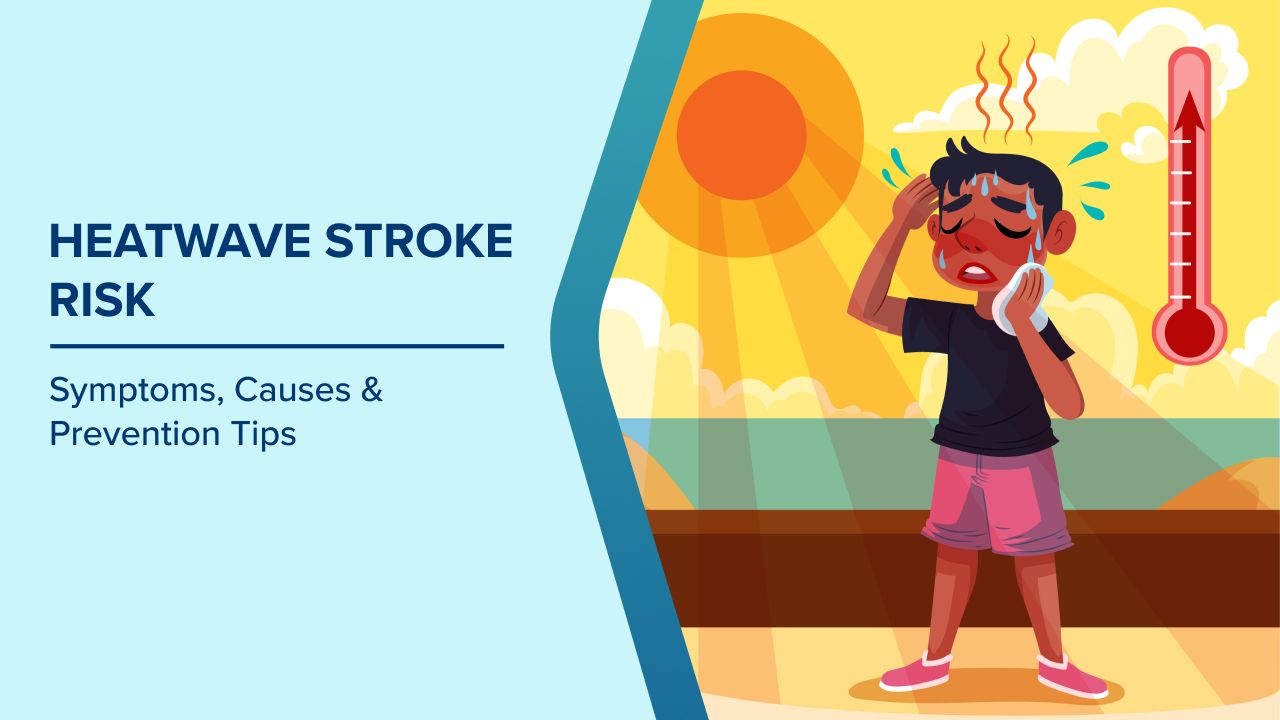
Extreme heat and stroke risk are closely connected, especially during intense summer heatwaves. High temperatures can lead to dehydration, blood pressure fluctuations, and increased strain on the heart and brain, all of which may raise the risk of a brain stroke. Older adults, people with hypertension, diabetes, or heart disease, and individuals exposed to prolonged outdoor heat are particularly vulnerable. Recognising early brain stroke symptoms such as sudden weakness, confusion, difficulty speaking, or facial drooping is critical because immediate medical care can save lives and reduce long-term complications.
Can Extreme Heat Increase the Risk of Brain Stroke?
Extreme heat can significantly affect the body’s circulation and increase the likelihood of stroke in vulnerable individuals.
During a heatwave, the body loses fluids through sweating. If these fluids are not replaced adequately, dehydration develops. Severe dehydration may thicken the blood, reduce circulation, and increase the risk of clot formation.
At the same time, hot weather can place additional stress on the cardiovascular system and affect blood pressure regulation, especially in people with existing medical conditions.
Why Heatwaves Increase Stroke Risk
- Increased dehydration
- Reduced blood flow to the brain
- Blood pressure instability
- Increased stress on the heart and blood vessels
These factors may increase the risk of heatwave stroke, especially during prolonged exposure to extreme temperatures.
How Heat Affects the Brain and Blood Circulation
Dehydration and Reduced Blood Flow
One of the biggest summer health risks is dehydration. When the body loses too much water:
- Blood becomes thicker
- Circulation slows down
- The risk of blood clots may increase
Reduced blood flow to the brain can increase the possibility of stroke in susceptible individuals.
Blood Pressure Changes
Extreme heat can affect blood pressure in different ways. Some people may experience:
- Sudden drops in blood pressure due to dehydration
- Spikes in blood pressure caused by stress on the cardiovascular system
These fluctuations can increase the strain on blood vessels supplying the brain.
Increased Stress on the Heart and Brain
The body works harder during very hot weather to regulate temperature. This extra stress can be dangerous for:
- Older adults
- People with hypertension
- Heart disease patients
- Individuals with diabetes
These groups already have a higher baseline risk of stroke.
Heat Stroke vs Brain Stroke: What’s the Difference?
Many people confuse heat stroke with a brain stroke because both can occur during hot weather and involve neurological symptoms.
Heat Stroke
Heat stroke is a severe heat-related illness caused by dangerously high body temperature. Common signs include:
- Very high fever or body temperature
- Hot, dry skin or excessive sweating
- Rapid heartbeat
- Confusion or fainting
Brain Stroke
A brain stroke occurs when the blood supply to part of the brain is interrupted. Common symptoms include:
- Sudden facial drooping
- Weakness on one side of the body
- Difficulty speaking
- Vision changes
- Severe headache
Key Difference
- Heat stroke is caused by overheating of the body
- An interrupted blood flow to the brain causes a brain stroke
Both are medical emergencies and require immediate treatment.
Warning Signs of a Brain Stroke During Extreme Heat
Recognising stroke warning signs early can save lives.
Symptoms You Should Never Ignore
- Sudden weakness or numbness in the face, arm, or leg
- Facial drooping
- Difficulty speaking or understanding speech
- Sudden confusion
- Dizziness or loss of balance
- Severe headache
- Blurred or lost vision
Remember the FAST Acronym
- F – Face drooping
- A – Arm weakness
- S – Speech difficulty
- T – Time to seek emergency help
If these symptoms appear suddenly, seek emergency medical care immediately.
Who Is Most at Risk During Heatwaves?
Some groups are especially vulnerable to heat-related stroke risk.
High-Risk Groups
- Elderly individuals
- People with high blood pressure
- Diabetes patients
- Heart disease patients
- Outdoor workers exposed to prolonged heat
- Individuals who are dehydrated
- People taking medications that affect fluid balance
These individuals should take extra precautions during extreme heat.
How to Prevent Stroke During Extreme Heat
Preventive measures are extremely important during heatwaves.
Stay Hydrated
Adequate hydration helps maintain healthy blood circulation.
Helpful Tips
- Drink water regularly, even before feeling thirsty
- Increase fluid intake during outdoor exposure
- Avoid excessive alcohol and caffeine
Proper hydration reduces the risk of dehydration and circulation problems.
Avoid Peak Heat Hours
The hottest hours of the day can place significant stress on the body. Reduce risk by:
- Staying indoors during the afternoon heat
- Scheduling outdoor activities early morning or evening
- Taking frequent breaks in shaded or cool areas
Manage Blood Pressure and Chronic Conditions
People with existing health conditions should monitor their health carefully during heatwaves. Important measures:
- Continue prescribed medications
- Monitor blood pressure regularly
- Follow medical advice for diabetes and heart disease management
Poorly controlled conditions can increase stroke risk.
Wear Light Clothing and Stay Cool
Keeping the body cool reduces heat stress. Cooling strategies:
- Wear loose, light-colored clothing
- Use fans or air conditioning when possible
- Take cool showers if overheated
Maintaining a cooler body temperature reduces cardiovascular strain.
Recognise Early Symptoms Quickly
Fast recognition can prevent complications. Never ignore:
- Sudden weakness
- Confusion
- Slurred speech
- Severe headache during extreme heat
Immediate treatment is critical for survival and recovery.
When to Seek Emergency Medical Help
Seek Immediate Care If Someone Develops:
- Sudden difficulty speaking
- Facial drooping
- Weakness or numbness
- Confusion or collapse
- Severe headache with neurological symptoms
- Loss of consciousness
Stroke is a medical emergency. Delayed treatment can lead to permanent brain damage.
Why Heatwaves Are Becoming a Bigger Health Concern
Heatwaves are becoming more frequent and intense worldwide. Rising temperatures are increasing:
- Heat-related illnesses
- Dehydration-related complications
- Cardiovascular stress
- Stroke risk in vulnerable populations
Public awareness about summer stroke risk is becoming increasingly important as climate conditions continue to change.
Conclusion
Extreme heat can increase the risk of brain stroke by causing dehydration, circulation problems, and blood pressure fluctuations, especially in vulnerable individuals. Recognising warning signs such as facial drooping, weakness, confusion, and speech difficulties is critical, as early treatment can save lives and reduce long-term complications. Staying hydrated, avoiding excessive heat exposure, and managing chronic medical conditions are essential preventive steps during summer heatwaves. As temperatures continue to rise globally, awareness about heat-related stroke risks is becoming increasingly important for protecting overall health and safety.
Frequently Asked Questions
Can dehydration trigger a brain stroke?
Yes, severe dehydration may reduce blood flow and increase the risk of clot formation, especially in people with existing cardiovascular disease.
Are strokes more common during summer?
Extreme temperatures and dehydration can increase stroke risk in certain individuals during summer heatwaves.
What is the difference between heat exhaustion and stroke?
Heat exhaustion causes symptoms like sweating, weakness, and dizziness, while stroke causes sudden neurological symptoms such as facial drooping or speech difficulty.
Can young people get heat-related strokes?
Although older adults are at higher risk, younger individuals can also develop stroke-related complications if severe dehydration or underlying conditions are present.
How much water should you drink during a heatwave?
Fluid needs vary by age, activity level, and medical conditions, but regular water intake throughout the day is essential during extreme heat.
Does hot weather affect blood pressure medications?
Yes, some medications may increase the risk of dehydration or impair the body’s ability to regulate temperature. Patients should follow their doctor’s advice during heatwaves.
Written and Verified by:

Related Blogs

Dr. Chandril Chugh In Neurosciences , Interventional Neurology
Nov 08 , 2020 | 1 min read

Dr. Chandril Chugh In Neurosciences , Interventional Neurology
Nov 08 , 2020 | 2 min read
Blogs by Doctor

Regaining Control: Understanding Paralysis, its Management, and the Path to Recovery
Dr. Nikhil Dongre In Neurosciences
Jul 19 , 2024 | 14 min read

Aphasia: Symptoms, Types, Causes & Treatment
Dr. Nikhil Dongre In Neurosciences
Sep 09 , 2024 | 8 min read
Most read Blogs


Related Blogs
Dr. Chandril Chugh In Neurosciences , Interventional Neurology
Nov 08 , 2020 | 1 min read
Dr. Chandril Chugh In Neurosciences , Interventional Neurology
Nov 08 , 2020 | 2 min read
Blogs by Doctor
Regaining Control: Understanding Paralysis, its Management, and the Path to Recovery
Dr. Nikhil Dongre In Neurosciences
Jul 19 , 2024 | 14 min read
Aphasia: Symptoms, Types, Causes & Treatment
Dr. Nikhil Dongre In Neurosciences
Sep 09 , 2024 | 8 min read
Most read Blogs