 WhatsApp Us (24/7)
 +91 926 888 0303 (24/7)


To Book an Appointment
Call Us+91 926 888 0303Why Epilepsy Safety Matters in Institutions: Safety and Inclusion
By Dr. K. M. Hassan in Neurosciences , Interventional Neurology
Feb 23 , 2026

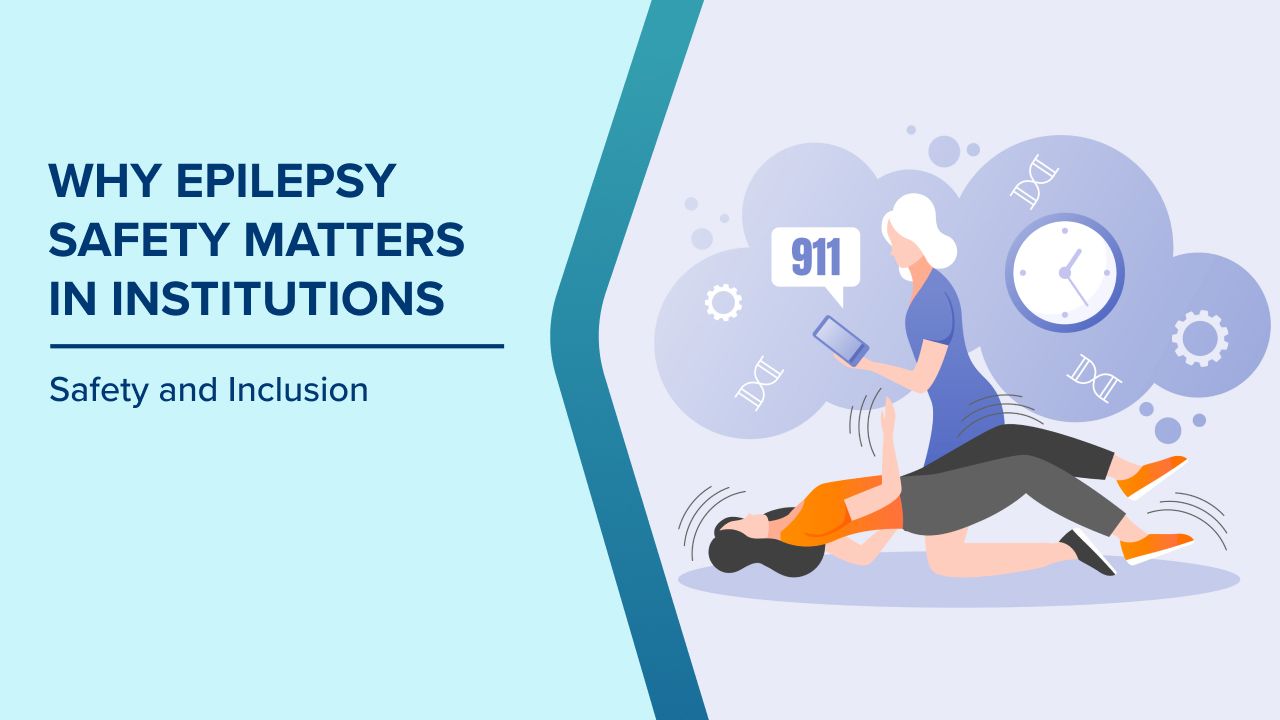
- Living with epilepsy should never limit a person’s right to learn, work, or grow professionally. Schools and workplaces play a vital role in ensuring that individuals with epilepsy feel safe, respected, and supported. Safety in these settings goes beyond emergency response. It includes awareness, preparedness, flexibility, and an inclusive mindset.
When institutions understand epilepsy and plan thoughtfully, they create environments where people can thrive without fear or unnecessary restrictions.
Why Institutional Safety Matters for People with Epilepsy
Epilepsy is a neurological condition that can affect people of all ages. While many individuals manage their condition effectively, unexpected situations can arise. Schools and workplaces must be prepared not only to respond appropriately but also to prevent unnecessary risks.
Safe environments help to:
- Reduce anxiety for students and employees
- Prevent avoidable injuries
- Encourage participation and confidence
- Promote equality and inclusion
- Build trust between individuals and institutions
Safety planning is not about limitations. It is about empowerment.
Building a Safe School Environment for Students with Epilepsy
Schools are places of learning, social interaction, and development. For students with epilepsy, safety measures should blend seamlessly into daily routines without singling them out.
Key Elements of School Safety Planning
Effective school safety involves collaboration between educators, administrators, parents, and healthcare providers.
Important considerations include:
- Clear communication between school staff and families
- Individualised health support plans
- Easy access to emergency contact information
- Defined roles during a medical situation
Preparedness ensures calm and coordinated responses.
Training Teachers and School Staff
Knowledge builds confidence. When teachers and staff understand how to respond appropriately, fear and confusion are reduced.
Training should cover:
- Recognising different seizure presentations
- Knowing when to seek medical assistance
- Understanding post-episode care and recovery
- Maintaining privacy and dignity
Well-informed staff create a reassuring atmosphere for students.
Classroom Adjustments That Support Safety and Learning
Small adjustments can make a meaningful difference without disrupting the classroom environment.
Examples include:
- Flexible seating arrangements
- Allowing short breaks if needed
- Adjusting lighting when possible
- Providing extra time during assessments if recovery is needed
These measures support learning continuity and safety.
Emergency Preparedness in Schools
Every school should have a clear and practised response plan. Emergency preparedness ensures that everyone knows what to do and what not to do.
An effective plan includes:
- Easily accessible written protocols
- Designated staff trained in response
- Clear communication channels
- Documentation after any incident
Preparedness reduces panic and protects student well-being.
Workplace Safety for Employees with Epilepsy
Workplaces should be environments of opportunity, not risk. With the right approach, most individuals with epilepsy can work safely across a wide range of roles.
Creating an Inclusive Workplace Culture
Safety begins with acceptance and understanding.
Inclusive workplaces focus on:
- Respecting medical confidentiality
- Encouraging open communication if the employee chooses
- Avoiding assumptions about ability
- Supporting performance rather than focusing on condition
A culture of trust benefits everyone.
Risk Assessment Without Discrimination
Workplace safety assessments should focus on the role, not the diagnosis. Individualised risk assessments help identify reasonable adjustments without limiting career growth.
This process may involve:
- Reviewing job tasks objectively
- Identifying potential hazards
- Implementing simple safety measures
- Reviewing adjustments periodically
The goal is safety, not exclusion.
Reasonable Workplace Adjustments
Many safety measures are simple and low-cost.
Examples include:
- Flexible work hours if needed
- Allowing rest breaks
- Adjusting workstation layout
- Providing seating options
- Modifying shift patterns where feasible
These adjustments support productivity and employee confidence.
Emergency Response Planning at Work
Workplace emergency response plans should be clear, respectful, and discreet.
Key components include:
- Designated first responders
- Clear instructions displayed in staff areas
- Confidential documentation where appropriate
- Guidance on post-episode recovery time
Prepared teams respond calmly and professionally.
Educating Colleagues Without Breaching Privacy
Awareness does not mean sharing personal medical details. General education fosters understanding while respecting boundaries.
Workplace awareness initiatives can include:
- General health and safety training
- Inclusive well-being programmes
- Clear policies on medical emergencies
- Promoting a respectful response culture
Education reduces stigma and encourages teamwork.
Managing Safety During Activities and Events
Schools and workplaces often involve activities beyond routine tasks.
Planning for safety during:
- Sports days or physical education
- Field trips or excursions
- Conferences and off-site meetings
- Long working hours or travel
Advance planning ensures participation without unnecessary risk.
Legal and Ethical Responsibility of Institutions
Institutions have a duty of care to provide safe environments. This includes ensuring equal access to education and employment opportunities.
Safety policies should focus on:
- Fair treatment
- Reasonable adjustments
- Protection from discrimination
- Respect for dignity and independence
A strong safety framework protects both individuals and institutions.
Read More:- Managing Epilepsy: Causes, Types & Expert Tips
Encouraging Self-Advocacy and Confidence
Safety is a shared responsibility. Schools and workplaces can empower individuals by encouraging self-advocacy.
Supportive environments:
- Listen without judgement
- Respect individual preferences
- Encourage independence
- Provide reassurance rather than control
Confidence grows when people feel heard and respected.
Long-Term Benefits of Inclusive Safety Planning
When institutions prioritise epilepsy safety thoughtfully, benefits extend beyond individuals.
Positive outcomes include:
- Improved attendance and performance
- Reduced emergency incidents
- Stronger trust within the community
- Enhanced reputation for inclusivity
Safety planning is an investment in people.
Conclusion
School and workplace safety for people with epilepsy is about preparation, understanding, and inclusion. With clear policies, trained staff, and supportive cultures, individuals with epilepsy can learn and work confidently without unnecessary barriers.
Frequently Asked Questions
Can schools legally refuse admission due to epilepsy?
Schools are expected to provide reasonable support and may not exclude students solely on the basis of a medical condition.
Should epilepsy be disclosed during a job interview?
Disclosure is a personal choice and is often discussed after a job offer when adjustments are considered.
How often should safety plans be reviewed?
Safety plans should be reviewed regularly and after any significant change in routine.
Can remote work be considered a safety adjustment?
Remote or hybrid work may be considered, as appropriate for the role.
Who is responsible for updating emergency contact details?
Both the individual and the institution should ensure details remain current.
Written and Verified by:

Related Blogs

Dr. Chandril Chugh In Neurosciences , Interventional Neurology
Nov 08 , 2020 | 1 min read

Dr. Chandril Chugh In Neurosciences , Interventional Neurology
Nov 08 , 2020 | 2 min read
Blogs by Doctor

Neurological Warning Signs: When to Schedule a Neurologist Visit
Dec 10 , 2024 | 3 min read

Stroke: Risk Factors, Recognise the Warning Signs & Save Lives
Feb 14 , 2025 | 2 min read
Most read Blogs


Related Blogs
Dr. Chandril Chugh In Neurosciences , Interventional Neurology
Nov 08 , 2020 | 1 min read
Dr. Chandril Chugh In Neurosciences , Interventional Neurology
Nov 08 , 2020 | 2 min read
Blogs by Doctor
Neurological Warning Signs: When to Schedule a Neurologist Visit
Dec 10 , 2024 | 3 min read
Stroke: Risk Factors, Recognise the Warning Signs & Save Lives
Feb 14 , 2025 | 2 min read
Most read Blogs