 WhatsApp Us (24/7)
 +91 926 888 0303 (24/7)


To Book an Appointment
Call Us+91 926 888 0303Why Belly Fat Increases After 35 in Women: Causes & Risk
By Dr. Parinita Kalita in Obstetrics And Gynaecology , Robotic Surgery , Gynaecologic Laparoscopy
Apr 11 , 2026
5

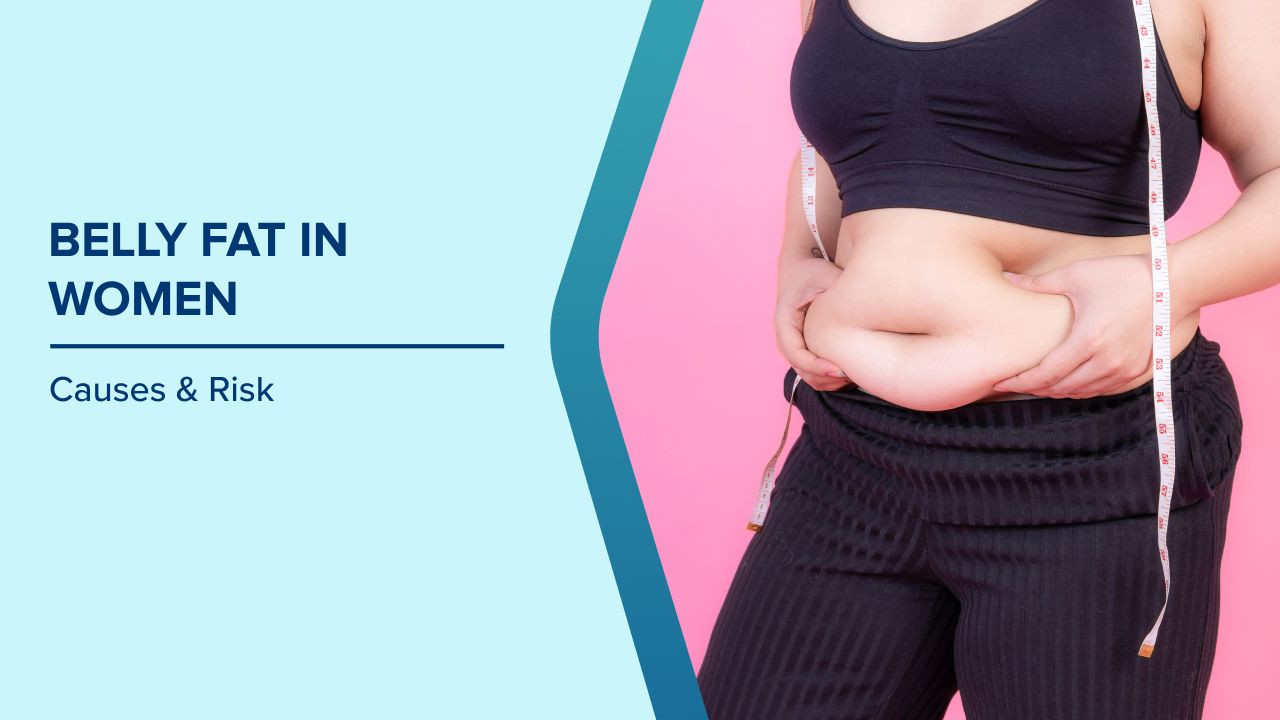
Belly fat after 35 is a common concern for many women, even without major changes in diet or lifestyle. This increase is often linked to hormonal shifts, slower metabolism, and evolving daily habits. While it may appear to be a cosmetic issue, abdominal fat, especially visceral fat, can significantly impact overall health. Understanding the causes of belly fat in women, along with associated health risks, is essential for taking early action and maintaining long-term well-being.
Why Belly Fat Increases After 35 in Women
As women age, their bodies undergo several internal changes that contribute to the accumulation of abdominal fat.
- Hormonal levels, particularly estrogen, begin to fluctuate
- Muscle mass gradually decreases
- Metabolism slows down, reducing calorie burn
These changes make it easier to gain weight and harder to lose it, especially around the midsection. This is why belly fat increases with age, particularly in women over 35.
Common Causes of Belly Fat After 35
Hormonal Changes
Hormones play a major role in belly fat in women.
- Decline in estrogen shifts fat storage toward the abdomen
- Increased risk of insulin resistance promotes fat accumulation
- Hormonal imbalance affects appetite and metabolism
These changes are especially noticeable during perimenopause and menopause.
Slower Metabolism
A natural decline in metabolism after 35 means:
- Fewer calories are burned at rest
- Fat is stored more easily
- Weight gain can occur even without increased food intake
This makes managing weight more challenging for women as they age.
Sedentary Lifestyle
Modern lifestyles often reduce physical activity levels.
- Desk jobs limit movement
- Less time for structured exercise
- Lower daily calorie expenditure
This contributes significantly to abdominal fat accumulation.
Stress and Cortisol Levels
Chronic stress increases cortisol production.
- Promotes fat storage around the abdomen
- Increases cravings for sugary and high-calorie foods
This makes stress a hidden but powerful contributor to belly fat.
Poor Sleep Patterns
Sleep plays a crucial role in weight regulation.
- Disrupts hunger hormones like ghrelin and leptin
- Leads to increased appetite and cravings
- Encourages fat storage
Women with poor sleep are more likely to experience weight gain.
Unhealthy Diet Habits
Diet is one of the most important factors in belly fat gain.
- High intake of processed and packaged foods
- Excess sugar and refined carbohydrates
- Irregular eating patterns
These habits directly contribute to increased abdominal fat.
Types of Belly Fat: Subcutaneous vs Visceral Fat
Not all belly fat is the same, and understanding the difference is important for women’s health.
- Subcutaneous fat: Lies just under the skin and is relatively less harmful
- Visceral fat: Surrounds internal organs and poses serious health risks
Visceral fat is strongly linked to metabolic disorders and is a major contributor to the health risks of belly fat.
Health Risks of Belly Fat in Women
Excess abdominal fat is not just a cosmetic concern, it can lead to serious health complications. Major risks include:
- Heart disease
- Type 2 diabetes
- High blood pressure
- Hormonal imbalances
- Metabolic syndrome
In women, belly fat can also worsen hormonal health and increase the risk of reproductive issues.
Signs Your Belly Fat May Be Affecting Your Health
Certain warning signs indicate that abdominal fat may be impacting your body:
- Increasing waist circumference
- Persistent fatigue
- Elevated blood sugar levels
- Difficulty losing weight
These signs should not be ignored, as they may indicate underlying metabolic issues.
Why Belly Fat Is Harder to Lose After 35
Many women find that losing belly fat becomes more difficult with age. Key reasons:
- Hormonal resistance affecting fat metabolism
- Slower calorie burning
- Reduced muscle mass
These factors make weight gain after 35 in women more persistent and challenging to reverse.
When to Seek Medical Advice
It’s important to consult a healthcare professional if you notice:
- Rapid or unexplained weight gain
- Increasing abdominal size despite efforts
- Associated conditions like high blood sugar or high blood pressure
Early medical guidance can help prevent long-term complications.
Healthy Lifestyle Changes That Can Help
Although internal factors play a role, lifestyle changes can significantly improve outcomes. Practical steps for women:
- Follow a balanced, nutrient-rich diet
- Engage in regular physical activity
- Manage stress through relaxation techniques
- Maintain consistent sleep patterns
These habits support better hormonal balance and overall health.
Long-Term Impact of Ignoring Belly Fat
Ignoring abdominal fat can have serious consequences over time.
- Increased risk of chronic diseases
- Reduced mobility and physical fitness
- Lower overall quality of life
Addressing belly fat early is essential for long-term health and well-being.
Conclusion
Belly fat after 35 in women is more than a cosmetic issue, it reflects underlying hormonal and metabolic changes that can significantly impact health. Factors such as hormonal imbalance, slower metabolism, stress, and lifestyle habits all contribute to increased abdominal fat and associated risks. Recognising these changes early and adopting healthier habits can help reduce complications. Taking proactive steps today can support better health, improve energy levels, and enhance overall quality of life.
Frequently Asked Questions
Is belly fat after 35 normal for women?
Yes, it is common due to hormonal and metabolic changes. However, excessive belly fat should be monitored as it may increase health risks.
Can a hormonal imbalance cause belly fat?
Yes, hormonal changes, especially reduced estrogen levels, can lead to abdominal fat accumulation in women.
How is belly fat different from overall weight gain?
Belly fat, particularly visceral fat, is more harmful because it surrounds internal organs and increases the risk of chronic diseases.
Can belly fat increase even without overeating?
Yes, factors like hormonal changes, stress, poor sleep, and slow metabolism can cause fat gain even without excess calorie intake.
Does menopause increase belly fat?
Yes, menopause significantly impacts hormone levels, often leading to increased abdominal fat in women.
How quickly can belly fat affect health?
Over time, excess belly fat can lead to metabolic issues, especially when combined with other risk factors like inactivity or poor diet.
Written and Verified by:

Related Blogs

Dr. Manju Khemani In Obstetrics And Gynaecology
Oct 27 , 2020 | 3 min read

Dr. Neera Aggarwal In Obstetrics And Gynaecology , Nutrition And Dietetics
Nov 07 , 2020 | 7 min read
Blogs by Doctor

What to Expect When you are Expecting
Dr. Parinita Kalita In Obstetrics And Gynaecology
Apr 18 , 2016 | 2 min read

What are Postpartum Periods: Essential Facts & Tips for New Moms
Dr. Parinita Kalita In Obstetrics And Gynaecology , Robotic Surgery , Gynaecologic Laparoscopy
Jul 31 , 2023 | 4 min read
Most read Blogs

Related Blogs
Dr. Manju Khemani In Obstetrics And Gynaecology
Oct 27 , 2020 | 3 min read
Dr. Neera Aggarwal In Obstetrics And Gynaecology , Nutrition And Dietetics
Nov 07 , 2020 | 7 min read
Blogs by Doctor
What to Expect When you are Expecting
Dr. Parinita Kalita In Obstetrics And Gynaecology
Apr 18 , 2016 | 2 min read
What are Postpartum Periods: Essential Facts & Tips for New Moms
Dr. Parinita Kalita In Obstetrics And Gynaecology , Robotic Surgery , Gynaecologic Laparoscopy
Jul 31 , 2023 | 4 min read
Most read Blogs