 WhatsApp Us (24/7)
 +91 926 888 0303 (24/7)


To Book an Appointment
Call Us+91 926 888 0303What is Robotic-Assisted Pelvic Prolapse Surgery: Benefits & Recovery
By Dr. Usha M Kumar in Obstetrics And Gynaecology , Robotic Surgery , Gynaecologic Laparoscopy
Apr 25 , 2025 | 5 min read

Pelvic organ prolapse (POP) is a common condition affecting many women, especially after childbirth, menopause, or hysterectomy. It happens when the pelvic muscles and tissues become weak, leading to the bladder, uterus, or rectum shifting from their usual position. While this condition can be uncomfortable and affect daily life, advancements in medical technology have made treatment more effective and less invasive.
One of the most significant breakthroughs in pelvic health treatment is robotic-assisted pelvic prolapse surgery. This innovative procedure provides greater precision, faster recovery, and minimal discomfort, making it a game-changer in the field of minimally invasive surgery.
This blog will explore how robotic-assisted surgery works, its benefits, and what patients can expect before and after the procedure.
Understanding Pelvic Organ Prolapse
Pelvic organ prolapse occurs when the muscles and connective tissues that support the pelvic organs become weak, causing one or more organs to shift out of place. Common symptoms include:
- A bulging sensation in the vaginal area
- Pelvic pressure or discomfort
- Urinary issues, such as leakage or difficulty emptying the bladder
- Bowel problems, including constipation
- Pain or discomfort during intercourse
If left untreated, pelvic prolapse can worsen over time, leading to severe discomfort and difficulty with daily activities. While non-surgical treatments like pelvic floor therapy and pessaries can help in mild cases, moderate to severe prolapse often requires surgical intervention.
Read More:- Pelvic Congestion Syndrome - Common But an Undiagnosed Condition
What is Robotic-Assisted Pelvic Prolapse Surgery?
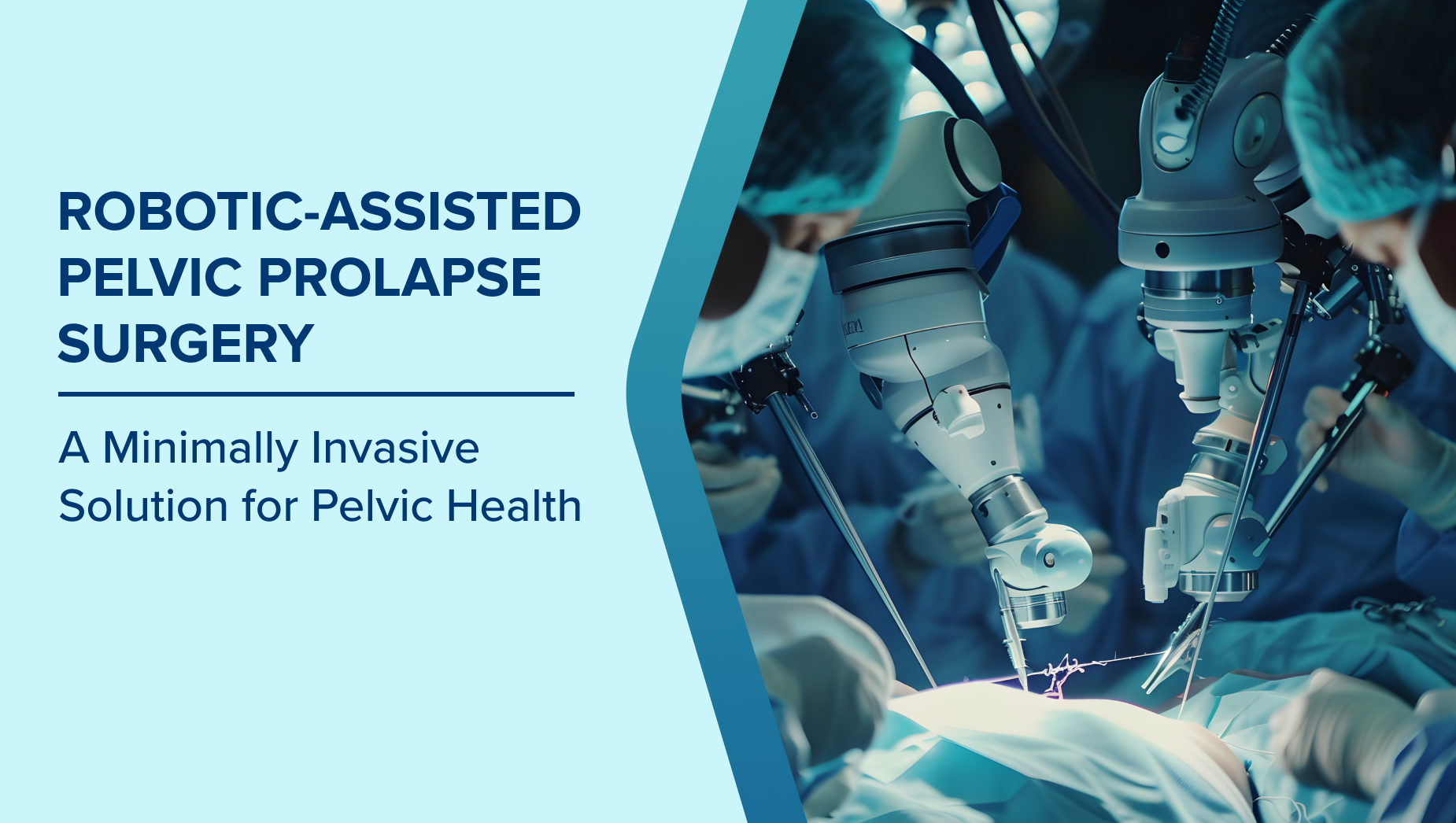
Robotic-assisted surgery for pelvic prolapse is a minimally invasive technique that utilises a robotic system to help surgeons restore weakened pelvic floor tissues. Unlike traditional open surgery, which requires large incisions, this technique involves small keyhole incisions, leading to faster healing and less pain.
The procedure is most commonly used for robotic sacrocolpopexy, a surgery to restore the vagina’s normal position by attaching it to the sacrum (a bony structure at the base of the spine) using a mesh.
Robotic Pectopexy, a newer technique, is also being used as an effective alternative, especially for patients where sacrocolpopexy may not be ideal. It involves attaching the vaginal or uterine support to the pectineal ligament, offering excellent anatomical restoration with minimal complications.
How Does It Work?
During the Surgery
- The surgeon makes tiny incisions in the lower abdomen.
- A small camera (laparoscope) is inserted, providing a high-definition, 3D view of the pelvic organs.
- Robotic arms, controlled by the surgeon, hold and manipulate surgical instruments with extreme precision.
- The weakened pelvic tissues are repaired, and in some cases, a surgical mesh is used for additional support.
- The small incisions are closed once the prolapsed organ is restored to its normal position.
Why Choose Robotic Surgery Over Traditional Methods?
Robotic-assisted pelvic prolapse surgery offers numerous advantages over traditional open surgery or laparoscopic surgery. Here’s why more patients and surgeons prefer this approach:
Minimally Invasive with Faster Recovery
Unlike open surgery, which requires a large incision, robotic surgery involves only a few tiny incisions. This means less blood loss, reduced scarring, and quicker healing. The majority of patients can return to their usual routines within a few weeks.
Greater Surgical Precision
The robotic system offers a magnified, 3D high-definition view, allowing surgeons to perform delicate maneuvers with incredible accuracy. This precision lowers the chances of complications and enhances long-term results.
Reduced Pain and Discomfort
Because the procedure is minimally invasive, patients have less post-surgery discomfort, reducing reliance on strong pain relievers.
Lower Risk of Infection and Complications
Smaller incisions mean a lower chance of infection, fewer complications, and a smoother recovery process.
Improved Long-Term Results
Studies show that robotic-assisted prolapse surgery has high success rates, with many women experiencing lasting relief from symptoms and improved quality of life.
Who is a Good Candidate for Robotic Pelvic Prolapse Surgery?
You may be a good candidate for robotic-assisted pelvic prolapse surgery if you:
- Have moderate to severe pelvic organ prolapse that affects your daily life
- Have not found relief with non-surgical treatments like pelvic exercises or pessaries
- Want a minimally invasive procedure with a shorter recovery time
- Are generally healthy and do not have serious medical conditions that might increase surgical risks
However, this procedure may not be suitable for women with certain health conditions or severe scar tissue from previous surgeries. A consultation with a pelvic health specialist can help determine if robotic-assisted surgery is the right choice for you.
What to Expect Before, During, and After Surgery
Before Surgery
- Your doctor will conduct a detailed medical assessment to decide whether surgery is the most suitable option.
- You may need tests such as ultrasounds, pelvic exams, and urodynamic studies to assess the severity of your prolapse.
- You’ll receive pre-surgery instructions, such as dietary guidelines and medication adjustments.
During Surgery
- The procedure typically lasts between 2 to 4 hours and is performed under general anesthesia.
- The surgeon will use the robotic system to perform the repair with extreme precision.
After Surgery
- Most patients go home within 24 hours, though some may stay for observation.
- Mild discomfort and bloating are common but manageable with medications.
- Avoid lifting heavy objects and engaging in intense activities for approximately 4-6 weeks.
- Pelvic floor exercises might be suggested to help strengthen the muscles and aid in recovery.
The Future of Pelvic Health with Robotic Surgery
With the continuous advancements in medical technology, robotic-assisted surgery is becoming the gold standard for treating pelvic organ prolapse. As these techniques become more widely available, more women will have access to safer, less invasive, and highly effective treatment options.
If you are struggling with pelvic organ prolapse, don’t hesitate to seek medical advice. Robotic-assisted surgery could be the solution that restores your comfort, confidence, and overall pelvic health.
Conclusion
Robotic-assisted pelvic prolapse surgery is a groundbreaking solution that offers greater precision, less pain, and faster recovery compared to traditional methods. If you are experiencing symptoms of pelvic organ prolapse, consult a specialist to explore your treatment options. With advancements in robotic surgery, you can restore comfort and enhance your quality of life through a less invasive method.
Frequently Asked Questions
How much does robotic-assisted pelvic prolapse surgery cost?
The cost varies depending on the hospital, surgeon, and insurance coverage. Although robotic surgery may cost more than traditional methods, most insurance plans will cover it if it is considered medically necessary.
How long does it take to fully recover?
Most patients resume light activities within two weeks and fully recover in about 6-8 weeks. However, individual recovery times may vary.
What lifestyle changes can help prevent prolapse from recurring?
Maintaining a healthy weight, avoiding heavy lifting, doing pelvic floor exercises (Kegels), and managing chronic coughing or constipation can help prevent recurrence.
Are there non-surgical alternatives to robotic-assisted prolapse surgery?
Yes, pelvic floor therapy, pessaries, and lifestyle modifications can help manage mild cases of prolapse. However, moderate to severe cases may require surgical intervention.
Written and Verified by:

Related Blogs

Dr. Manju Khemani In Obstetrics And Gynaecology
Oct 27 , 2020 | 3 min read

Dr. Neera Aggarwal In Obstetrics And Gynaecology , Nutrition And Dietetics
Nov 07 , 2020 | 7 min read
Blogs by Doctor

What is Endometriosis: Symptoms, Diagnosis, and Management Options
Dr. Usha M Kumar In Obstetrics And Gynaecology , Robotic Surgery , Gynaecologic Laparoscopy
Dec 04 , 2024 | 1 min read

Fertility Sparing Robotic Surgery: Conditions Treated and Advantages
Dr. Usha M Kumar In Obstetrics And Gynaecology , Robotic Surgery , Gynaecologic Laparoscopy
Feb 16 , 2025 | 1 min read
Most read Blogs

Related Blogs
Dr. Manju Khemani In Obstetrics And Gynaecology
Oct 27 , 2020 | 3 min read
Dr. Neera Aggarwal In Obstetrics And Gynaecology , Nutrition And Dietetics
Nov 07 , 2020 | 7 min read
Blogs by Doctor
What is Endometriosis: Symptoms, Diagnosis, and Management Options
Dr. Usha M Kumar In Obstetrics And Gynaecology , Robotic Surgery , Gynaecologic Laparoscopy
Dec 04 , 2024 | 1 min read
Fertility Sparing Robotic Surgery: Conditions Treated and Advantages
Dr. Usha M Kumar In Obstetrics And Gynaecology , Robotic Surgery , Gynaecologic Laparoscopy
Feb 16 , 2025 | 1 min read
Most read Blogs