 WhatsApp Us (24/7)
 +91 926 888 0303 (24/7)


To Book an Appointment
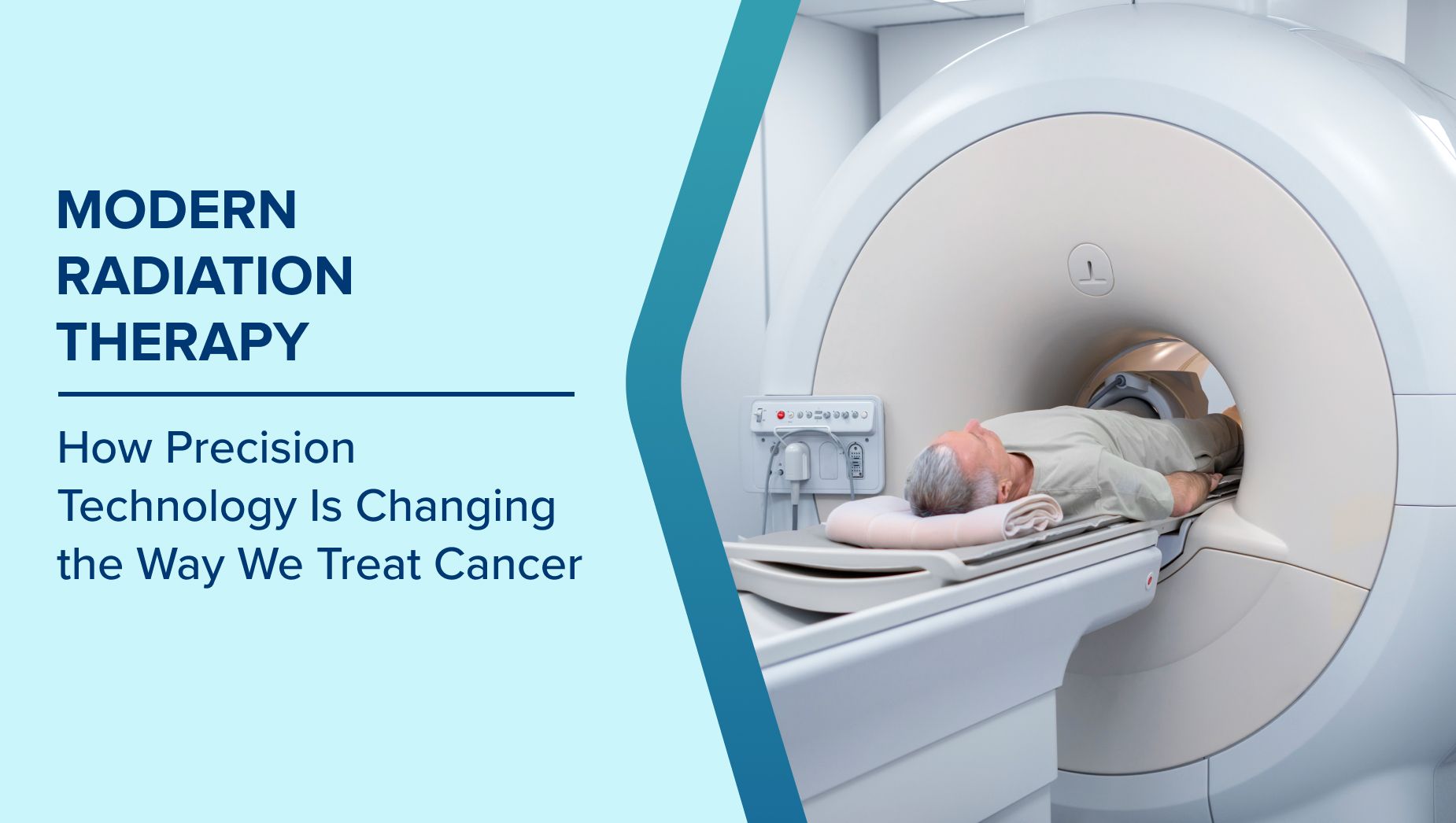
Call Us+91 926 888 0303Modern Radiation Therapy: How Precision Technology Is Changing the Way We Treat Cancer
By Dr Manish Bhushan Pandey in Radiation Oncology , Urology , Cancer Care / Oncology , Head & Neck Oncology , Neuro Oncology
Nov 25 , 2025 | 2 min read

When people hear the words “radiation therapy,” many imagine an intense treatment that harms healthy tissue along with cancer. But today’s reality is very different. Modern radiation oncology has become highly focused, gentle on healthy organs, and remarkably accurate. With advanced imaging and sophisticated planning, radiation therapy now works like a skilled marksman, delivering treatment exactly where it’s needed while keeping surrounding areas safe.
What Is Radiation Therapy?
Radiation therapy uses high-energy rays or particles to damage or destroy cancer cells so they can no longer grow or multiply. Healthy cells may be affected too, but they usually repair themselves much faster than cancer cells.
Radiation may be used:
- On its own
- Before or after surgery
- Alongside chemotherapy, targeted therapy, or immunotherapy
The treatment plan depends on the type and stage of cancer.
How Radiation Has Evolved: From Broad Beams to Precision Targeting
Earlier, radiation treatment relied on wide beams that often affected nearby healthy tissue. Over the years, technology has made it possible to shape, direct, and control radiation with extraordinary accuracy.
Modern techniques include:
Intensity-Modulated Radiation Therapy (IMRT)
IMRT shapes the radiation dose to match the 3D form of the tumour. Doctors can increase the dose to the cancer while reducing it for healthy organs.
Image-Guided Radiation Therapy (IGRT)
IGRT uses real-time imaging before and during treatment. Since tumours can shift slightly as the patient breathes or moves, IGRT ensures the beam stays on target every session.
Stereotactic Radiosurgery (SRS) and Stereotactic Body Radiotherapy (SBRT)
These techniques deliver extremely high, pinpoint-focused doses to small tumours in one or a few sessions, similar to concentrating sunlight on a single point for maximum impact.
Why Precision Matters
Imagine the difference between watering a plant with a bucket and using a dropper to place water exactly at the roots. Precision avoids waste and prevents unnecessary harm.
The same is true for radiation therapy. Better accuracy means:
- Fewer side effects
- Less damage to healthy tissue
- Faster recovery
- The ability to safely give higher doses for better tumour control
Modern radiation allows doctors to treat cancer aggressively while protecting quality of life.
Cancers Treated with Advanced Radiation Techniques
Precision radiation is used across many cancer types, including:
- Brain and spinal tumours
- Head and neck cancers
- Breast cancer (commonly after surgery)
- Lung cancer, especially when surgery is not possible
- Prostate cancer
- Cervical and endometrial cancers
- Rectal, pancreatic, and oesophageal cancers
- Childhood cancers, with customised techniques to protect growth
- Bone and soft tissue sarcomas
- Lymphomas near delicate organs
Radiation may cure the disease, control tumour growth, or relieve symptoms in advanced stages.
More Than Technology: The Team Behind the Treatment
While machines deliver the radiation, the true precision comes from the planning and expertise of the cancer care team. Radiation oncologists, physicists, radiographers, and nurses collaborate to create a personalised plan for each patient.
Every session is carefully monitored, and adjustments are made whenever needed. This teamwork ensures that treatment is not just technically accurate but also safe and patient-centred.
Conclusion
Modern radiation therapy is a powerful example of how cancer care has evolved. The focus is no longer on using broad treatments but on delivering targeted care that protects the patient while attacking the cancer. With today’s advanced technologies, radiation therapy has become more precise, more personalised, and far gentler on the body, helping patients fight cancer with better outcomes and greater confidence.
Written and Verified by:

Related Blogs


Dr. Charu Garg In Radiation Oncology , Cancer Care / Oncology , Breast Cancer
Sep 20 , 2017 | 3 min read
Most read Blogs


Related Blogs
Dr. Charu Garg In Radiation Oncology , Cancer Care / Oncology , Breast Cancer
Sep 20 , 2017 | 3 min read
Most read Blogs