 WhatsApp Us (24/7)
 +91 926 888 0303 (24/7)


To Book an Appointment
Call Us+91 926 888 0303What is Prediabetes: Risks, Reversal & When to See a Doctor
By Dr. Ashutosh Shukla in Internal Medicine
Feb 17 , 2026

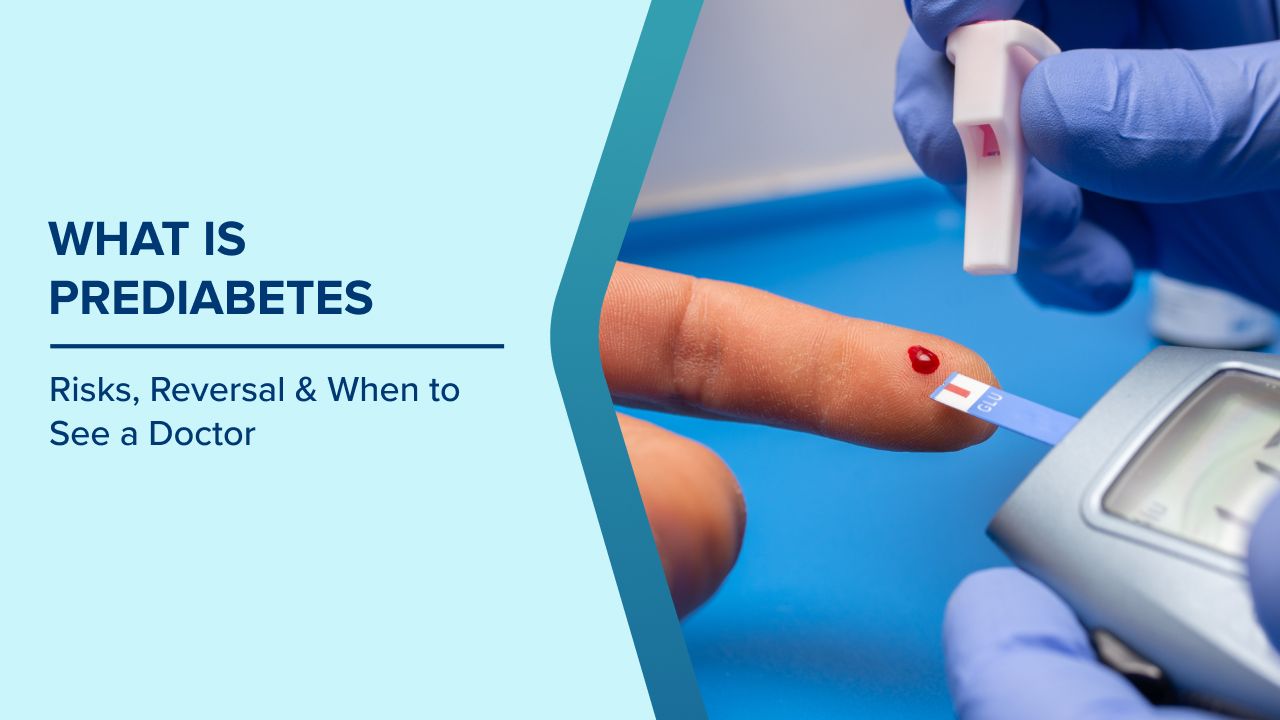
Prediabetes is often called a “silent warning sign,” where blood sugar levels are higher than normal, but not yet high enough to be diagnosed as diabetes. The good news? Prediabetes is reversible, especially when identified early and managed with the right medical guidance.
What Is Prediabetes?
Prediabetes occurs when the body begins to develop insulin resistance, meaning insulin does not work as effectively to control blood sugar levels.
A person is considered prediabetic if:
- Fasting blood sugar: 100–125 mg/dL
- HbA1c: 5.7%–6.4%
- Post-meal blood sugar: 140–199 mg/dL
Without timely intervention, nearly 70% of people with prediabetes may progress to Type 2 Diabetes.
Why Prediabetes Should Not Be Ignored
Even before diabetes develops, prediabetes can increase the risk of:
- Heart disease and stroke
- High blood pressure
- High cholesterol
- Fatty liver disease
- Weight gain and metabolic syndrome
Early treatment helps prevent long-term complications.
Can Prediabetes Be Reversed?
Yes, prediabetes can be reversed with timely and consistent medical intervention. A structured lifestyle can reduce the risk of developing diabetes.
Key Pillars of Prediabetes Reversal
Early Diagnosis & Medical Monitoring
Regular health check-ups help identify prediabetes before symptoms appear. An internal medicine physician can:
- Track blood sugar trends
- Identify associated risk factors
- Create a personalised prevention plan
Targeted Lifestyle Modifications
Small, sustainable changes make a big difference:
- Weight reduction: Losing just 5–7% of body weight improves insulin sensitivity
- Balanced diet: Low glycaemic index foods, high fibre, reduced refined carbohydrates
- Physical activity: At least 150 minutes of moderate exercise per week
Role of Medications (When Required)
In high-risk individuals, doctors may prescribe medications like metformin to:
- Improve insulin sensitivity
- Reduce liver glucose production
- Delay or prevent progression to diabetes
Medication is always used along with lifestyle changes, not as a replacement.
Managing Associated Conditions
Prediabetes often coexists with:
- Hypertension
- Dyslipidaemia
- Obesity
Treating these conditions simultaneously significantly improves outcomes.
Who Is at Higher Risk of Prediabetes?
You may be at higher risk if you:
- Have a family history of diabetes
- Are overweight or have abdominal obesity
- Lead a sedentary lifestyle
- Have PCOS or a history of gestational diabetes
- Are above 30 years of age
When Should You See a Doctor?
Consult an internal medicine specialist if:
- Your blood sugar levels are borderline
- You feel excessive fatigue, thirst, or unexplained weight changes
- You have risk factors even with normal sugar levels
- Early medical guidance can prevent lifelong diabetes
Prediabetes is not a disease; it is an opportunity. With timely medical intervention, lifestyle correction, and regular follow-up, diabetes can be delayed or even prevented.
If you have been told you are “borderline diabetic,” do not wait. Act early. Stay healthy. Reverse prediabetes before it progresses.
Written and Verified by:

Related Blogs


Dr. Vandana Boobna In Internal Medicine
Nov 08 , 2020 | 2 min read
Blogs by Doctor

Monsoon Sickness: Does Getting Wet from the Rain Make You Sick?
Dr. Ashutosh Shukla In Internal Medicine
Jul 11 , 2023 | 3 min read

Beware: Winters Can Aggravate Vitamin-D Deficiency!
Dr. Ashutosh Shukla In Internal Medicine
Oct 20 , 2023 | 2 min read
Most read Blogs


Related Blogs
Dr. Vandana Boobna In Internal Medicine
Nov 08 , 2020 | 2 min read
Blogs by Doctor
Monsoon Sickness: Does Getting Wet from the Rain Make You Sick?
Dr. Ashutosh Shukla In Internal Medicine
Jul 11 , 2023 | 3 min read
Beware: Winters Can Aggravate Vitamin-D Deficiency!
Dr. Ashutosh Shukla In Internal Medicine
Oct 20 , 2023 | 2 min read
Most read Blogs