 WhatsApp Us (24/7)
 +91 926 888 0303 (24/7)


To Book an Appointment
Call Us+91 926 888 0303What are Petechiae? Causes and Treatment
By Dr. Rommel Tickoo in Internal Medicine
Jun 19 , 2026
6

If you have ever noticed tiny red or purple pinpoint spots on your skin without any obvious explanation, you might have something called petechiae. These spots are actually small burst blood vessels beneath the surface of the skin, and they can appear due to a wide variety of reasons, ranging from something as minor as a heavy coughing fit to an underlying condition that needs proper medical attention. Knowing what's behind them matters, because the cause directly shapes how petechiae are treated or managed. This blog covers exactly that, including what petechiae are, what they look like, the most common causes, and the treatment options.
What is Petechiae?
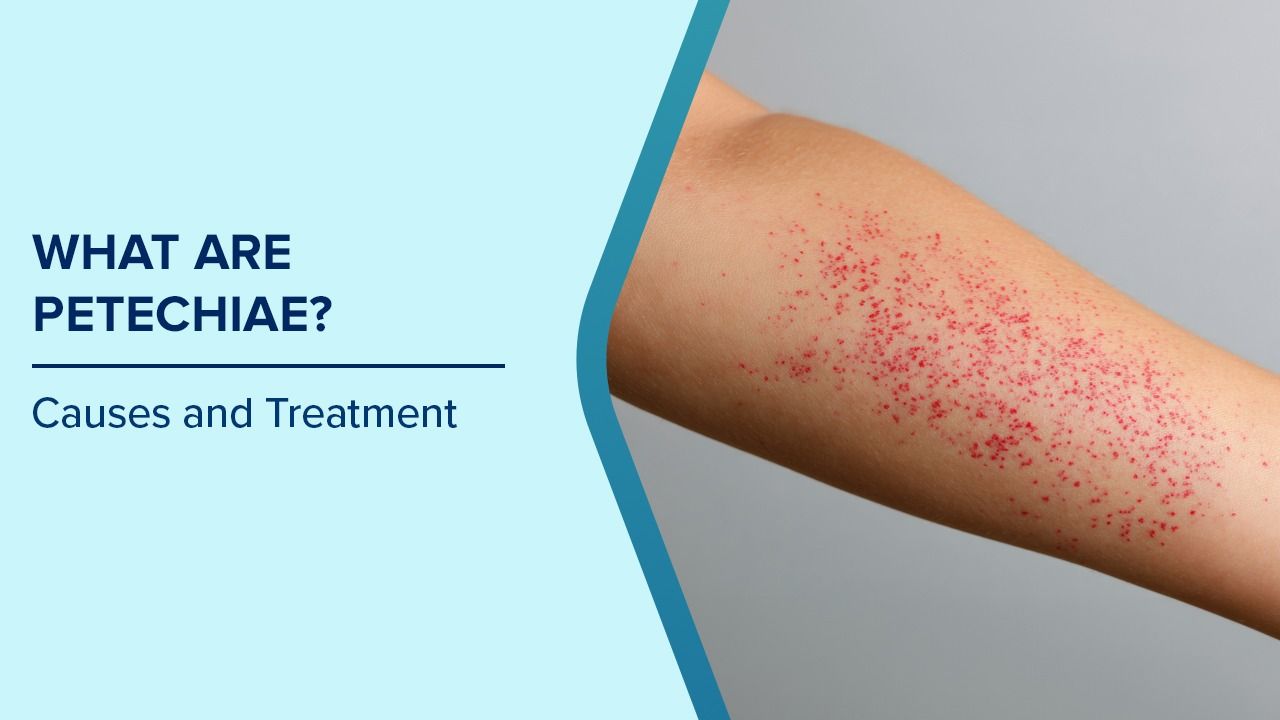
Petechiae are tiny red, purple, or brown spots that appear on the skin due to small amounts of bleeding under the surface. They develop when very small blood vessels called capillaries break and leak blood into the skin or mucous membranes. Unlike a regular rash, petechiae are flat and do not turn white or fade when pressed. Petechiae themselves are not a disease. They are a symptom that can occur for many different reasons.
These spots are usually pinhead-sized and may appear in clusters, making them look similar to a rash at first glance. Petechiae can develop anywhere on the body but are commonly seen on the legs, arms, stomach, or face. In some cases, they may also appear inside the mouth or around the eyes.
What do Petechiae Look Like?
Petechiae are tiny spots that appear on the skin due to bleeding under the surface. They can sometimes look like a rash at first, but they have a few distinct features that make them different from common skin irritation or allergies.
- Tiny Size: Usually about 1 to 2 millimetres wide, often as small as a pinhead.
- Red Or Purple Colour: Commonly appear red, purple, or reddish-brown depending on how long they have been present.
- Flat Spots: The skin remains smooth, with no raised bumps or swelling.
- Clustered Appearance: May appear in groups that resemble a rash.
- Non-Blanching: Do not fade or turn white when pressed.
- Smooth Texture: Cannot usually be felt by touch.
- May Darken Over Time: Older spots can become brownish as the trapped blood breaks down.
- Usually Painless: Most cases are not painful or itchy, though associated symptoms may occur depending on the cause.
Symptoms That May Occur Along With Petechiae
Petechiae themselves are usually painless, but the symptoms that occur alongside them can provide important clues about the underlying cause. Here are the common symptoms that may appear alongside petechiae, depending on the underlying cause:
- Fever: May indicate a viral or bacterial infection.
- Fatigue: Persistent tiredness can occur with infections or blood-related disorders.
- Easy Bruising: Frequent or unexplained bruises may point to low platelet levels or clotting problems.
- Bleeding Gums: Bleeding while brushing teeth can sometimes occur alongside platelet disorders.
- Nosebleeds: Recurrent nosebleeds may suggest an underlying bleeding issue.
- Joint Pain: Can be seen in autoimmune conditions or certain infections.
- Muscle Aches: Body pain and soreness are common with viral illnesses.
- Shortness Of Breath: May occur in severe infections or blood disorders affecting oxygen levels.
- Swollen Lymph Nodes: Sometimes linked to infections or immune system conditions.
- Abdominal Pain: Can occur in certain inflammatory or infectious diseases.
- Pale Skin: May suggest anaemia or blood loss.
- Rapid Spread Of Spots: A sudden increase in petechiae can be a warning sign that needs urgent medical attention.
What Causes Petechiae?
Petechiae form when tiny capillaries break and leak small amounts of blood under the skin. The causes include:
Physical Strain
One of the more common and benign causes is physical pressure or strain. Intense coughing, vomiting, heavy lifting, or even prolonged crying in infants can cause capillaries to burst, leading to petechiae around the face, eyes, or neck. In these cases, the spots typically resolve on their own within a few days.
Infections
Certain bacterial and viral infections can trigger petechiae as the body's immune response affects blood vessels. Strep throat, infective endocarditis, and more seriously, bacterial meningitis are known to cause them. Some viral fevers, including those caused by dengue and cytomegalovirus, can also lead to petechial rashes.
Medications
Some medications interfere with the blood's ability to clot or affect platelet function, making capillary bleeding more likely. Blood thinners, aspirin, certain antibiotics, and even some anti-seizure drugs have been associated with petechiae as a side effect.
Low Platelet Count (Thrombocytopaenia)
Platelets are what help the blood clot. When platelet levels drop significantly, even minor trauma can cause capillaries to leak, resulting in petechiae. This can be triggered by viral infections, autoimmune conditions, or certain medications.
Autoimmune Conditions
Conditions like lupus and vasculitis, where the immune system mistakenly attacks the body's own tissues including blood vessels, can cause recurring petechiae. These cases usually come with other symptoms and require long term management.
Blood and Bone Marrow Disorders
In more serious cases, petechiae can be an early sign of conditions affecting blood cell production, such as leukaemia or aplastic anaemia. Here, the bone marrow is unable to produce enough healthy platelets, leading to spontaneous bleeding beneath the skin.
Nutritional Deficiencies
Deficiencies in Vitamin C or Vitamin K, both of which play a role in maintaining healthy blood vessels and clotting, can also contribute to petechiae. This is less common but worth noting, particularly in cases where diet has been severely restricted.
Treatment for Petechiae
Treatment for petechiae depends entirely on the underlying cause. The spots themselves are not treated directly in most cases, because they are a symptom rather than a standalone condition.
Treating the Cause
The first step is identifying and managing what is triggering the petechiae. If it is due to an infection, doctors focus on treating that infection with appropriate medication or supportive care. Once the infection resolves, the spots usually fade on their own.
Medication Review
If petechiae are linked to certain medicines, a doctor may adjust the dosage or switch the medication. This is particularly relevant for blood thinners or drugs that affect platelet function.
Platelet Support
When low platelet levels are the cause, treatment is aimed at improving platelet count or function. This may involve specific medications, immune-modulating therapy, or in some cases, hospital-based care depending on severity.
Nutritional Correction
If deficiencies are contributing, correcting them becomes important. Vitamin C or vitamin K supplementation, along with improved dietary intake, can help restore normal blood vessel strength and clotting ability over time.
Medical Therapy
For autoimmune or inflammatory conditions, treatment may include steroids or other immune-suppressing medications. The goal is to reduce the body’s abnormal immune response that is affecting blood vessels or platelets.
Emergency Care
If petechiae are part of a serious infection or blood disorder, urgent hospital treatment may be required. This can include intravenous antibiotics, blood products, or specialised care in a monitored setting.
Consult Today
Petechiae are one of those things that are easy to dismiss at first glance, especially when they appear after something as routine as a coughing fit or a strenuous workout. But as this blog has covered, they are not always harmless. The spots themselves will often fade, but what is causing them may not go away on its own. Getting a proper diagnosis is always the smarter route, both for peace of mind and for timely treatment when it is genuinely needed. At Max Hospital, our haematology team is equipped to diagnose and manage the full range of conditions that can cause petechiae, from thrombocytopenia and autoimmune disorders to more complex blood and bone marrow conditions. Book a consultation today and get the clarity you need.
Frequently Asked Questions
Can petechiae appear inside the mouth or eyes?
Yes. Inside the mouth, they are often linked to infections like strep throat. In the eyes, they appear as a subconjunctival haemorrhage, usually caused by sneezing or rubbing the eye. Both are worth a check-up if there is no obvious trigger.
Is it safe to exercise if petechiae are present?
If they appeared after intense exertion and there are no other symptoms, light activity is generally fine. But if the cause is unknown or linked to a blood disorder, hold off on exercise until a doctor has been consulted.
Can stress cause petechiae?
Not directly. Stress does not burst capillaries, but it can aggravate autoimmune conditions that lead to petechiae. If they consistently appear during stressful periods, an underlying condition may be worth investigating.
Do petechiae look different on darker skin tones?
Yes. On darker skin, they can appear as brown or barely visible marks rather than the classic red or purple spots. Checking thinner-skinned areas like the inner arms or inside the mouth can help, but a clinical examination is always more reliable.
Can petechiae be a side effect of COVID-19?
Yes. COVID-19 can affect blood vessels and platelet counts, both of which can lead to petechiae. Anyone noticing them during or after a COVID-19 infection should get it evaluated.
Are petechiae more common in older adults?
Somewhat. Blood vessel walls become more fragile with age, and older adults are more likely to be on medications that affect clotting. That said, petechiae can appear at any age.
Can petechiae appear during pregnancy?
They can, sometimes linked to gestational thrombocytopenia. Any petechiae during pregnancy should be reported to a doctor promptly.
Is petechiae hereditary?
Petechiae are not inherited, but some conditions that cause them, such as platelet disorders or autoimmune diseases, can have a genetic component. Family history is worth mentioning during diagnosis.
Can sunburn or heat cause petechiae?
Severe sunburn can occasionally affect superficial blood vessels, but it is not a common cause. Heat rashes and petechiae can look similar, so the blanch test is a useful first check.
Do petechiae scar the skin after they fade?
Generally, no. The body reabsorbs the leaked blood and the spots fade without leaving a mark. Frequent recurrence in the same area may cause minor discolouration over time, but scarring is uncommon.
Written and Verified by:

Related Blogs


Dr. Vandana Boobna In Internal Medicine
Nov 08 , 2020 | 2 min read
Blogs by Doctor


Dengue Fever: Risk Factors, Variants, Vaccine & Latest Trends
Dr. Rommel Tickoo In Internal Medicine
Aug 25 , 2024 | 2 min read
Most read Blogs


Related Blogs
Dr. Vandana Boobna In Internal Medicine
Nov 08 , 2020 | 2 min read
Blogs by Doctor
Dengue Fever: Risk Factors, Variants, Vaccine & Latest Trends
Dr. Rommel Tickoo In Internal Medicine
Aug 25 , 2024 | 2 min read
Most read Blogs