 WhatsApp Us (24/7)
 +91 926 888 0303 (24/7)


To Book an Appointment
Call Us+91 926 888 0303What is Endoscopic Gynecologic Surgery: Benefits & Recovery
By Dr. Rakhi Gupta in Obstetrics And Gynaecology , Gynecologic Oncology , Robotic Surgery , Gynaecologic Laparoscopy
Jun 02 , 2026

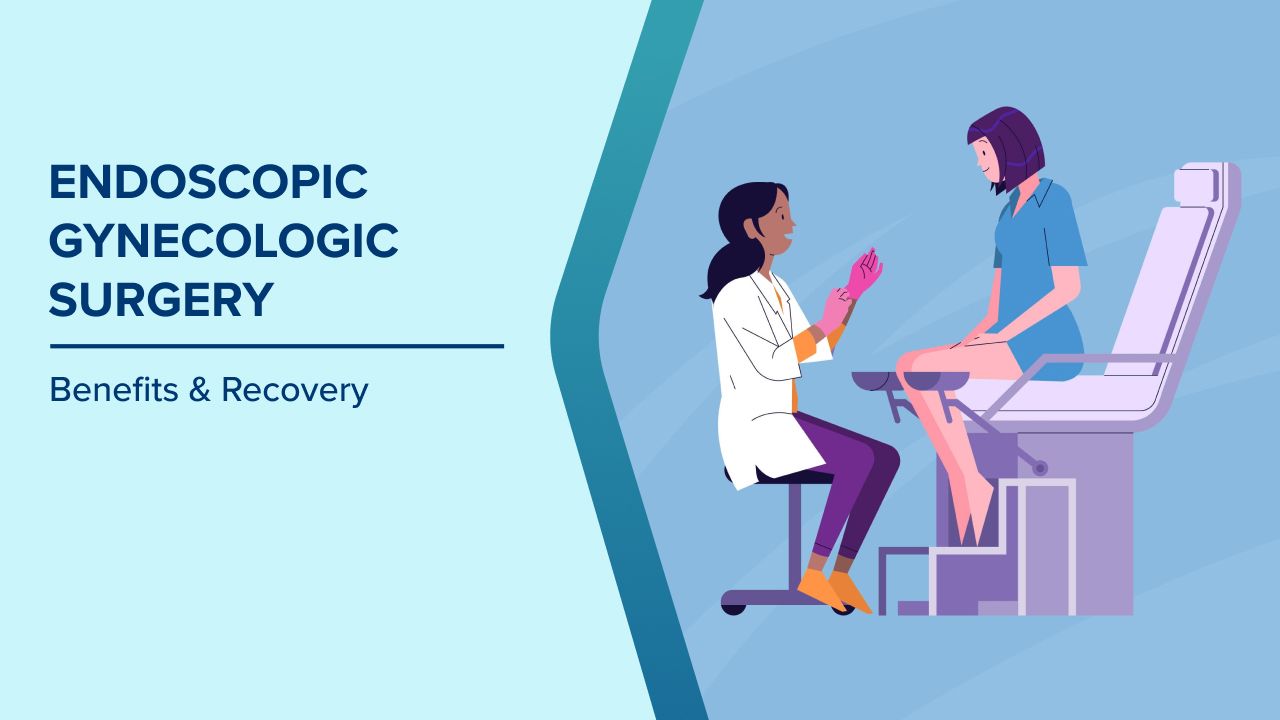
Endoscopic gynecologic surgery is a minimally invasive procedure used to diagnose and treat several conditions affecting women's reproductive health. Techniques such as laparoscopic gynecologic surgery and hysteroscopy help doctors treat problems like ovarian cysts, fibroids, endometriosis, and abnormal uterine bleeding using small incisions and specialised instruments.
Compared to traditional open surgery, minimally invasive gynecologic surgery usually involves less pain, smaller scars, a shorter hospital stay, and a faster recovery. Women experiencing persistent pelvic pain, heavy bleeding, fertility issues, or recurrent gynecologic symptoms may benefit from timely medical evaluation and surgical treatment.
What Is Endoscopic Gynecologic Surgery?
Endoscopic gynecologic surgery refers to minimally invasive surgical procedures used to diagnose and treat conditions involving the female reproductive organs.
These procedures are commonly performed using:
- Laparoscopy
- Hysteroscopy
- Robotic-assisted surgery
In laparoscopic gynecologic surgery, surgeons make small cuts in the abdomen and insert a thin camera called a laparoscope to view and treat internal organs. Hysteroscopy involves inserting a thin telescope-like instrument through the vagina and cervix to examine the uterus.
Unlike traditional open surgery, minimally invasive gynecologic surgery avoids large abdominal cuts. This often results in reduced pain, faster recovery, and shorter hospital stay.
Conditions That May Require Endoscopic Gynecologic Surgery
Endometriosis
Endometriosis occurs when tissue similar to the uterine lining grows outside the uterus. It can cause severe pelvic pain, painful periods, pain during intercourse, and fertility problems.
Endoscopic gynecologic surgery helps diagnose and remove endometriosis tissue while preserving healthy reproductive organs whenever possible. Laparoscopic surgery is often considered one of the most effective approaches for endometriosis treatment.
Uterine Fibroids
Fibroids are non-cancerous growths that develop inside or around the uterus. Some women may not experience symptoms, while others develop:
- Heavy menstrual bleeding
- Pelvic pressure
- Frequent urination
- Pain during periods
Fibroid surgery using minimally invasive techniques may help remove fibroids while reducing recovery time compared to open uterus surgery.
Ovarian Cysts
Many ovarian cysts disappear naturally without treatment. However, persistent or large cysts may require ovarian cyst surgery, especially if they cause pain, twisting of the ovary, or internal bleeding.
Laparoscopic gynecologic surgery is commonly used to remove ovarian cysts while preserving ovarian function whenever possible.
Abnormal Uterine Bleeding
Heavy or irregular menstrual bleeding may occur due to hormonal imbalance, fibroids, polyps, or other uterine conditions.
When medications fail to control symptoms, minimally invasive gynecologic surgery may help identify and treat the underlying cause of abnormal uterine bleeding.
Ectopic Pregnancy
An ectopic pregnancy develops when the fertilised egg implants outside the uterus, most often in the fallopian tube, and can pose serious health risks if not managed quickly.
Endoscopic gynecologic surgery is often used in emergencies to remove the ectopic pregnancy and control internal bleeding.
Infertility Evaluation and Treatment
Some women with infertility may require gynecologic laparoscopy to identify hidden conditions affecting fertility.
Laparoscopic procedures may help diagnose:
- Endometriosis
- Scar tissue
- Blocked fallopian tubes
- Pelvic adhesions
Treating these conditions may improve the chances of conception in certain patients.
Chronic Pelvic Pain
Persistent pelvic pain can significantly affect daily life and emotional well-being. In some cases, imaging tests may not clearly identify the cause.
Endoscopic gynecologic surgery helps doctors directly examine pelvic organs and detect hidden causes such as endometriosis, adhesions, or cysts.
Symptoms That Should Not Be Ignored
Many women delay seeking treatment because they assume pelvic symptoms are normal. However, persistent symptoms should not be ignored.
Women should consult a gynaecologist if they experience:
- Severe pelvic pain
- Painful menstrual periods
- Heavy or prolonged bleeding
- Pain during intercourse
- Difficulty conceiving
- Pelvic bloating or pressure
- Recurrent ovarian cysts
- Irregular menstrual cycles
Early diagnosis may help prevent complications and improve treatment outcomes.
Benefits of Endoscopic Gynecologic Surgery
Smaller Incisions: One of the biggest advantages of minimally invasive gynecologic surgery is the use of small incisions rather than large abdominal incisions. Smaller wounds usually heal faster and reduce visible scarring.
Faster Recovery: Gynecologic surgery recovery is often quicker after laparoscopic surgery compared to open surgery. Many patients return to routine activities sooner.
Less Pain and Scarring: Because the incisions are smaller, patients usually experience less post-operative pain and minimal scarring.
Shorter Hospital Stay: Many endoscopic gynecologic procedures require shorter hospitalisation, and some patients may even return home the same day, depending on the procedure.
Lower Risk of Complications: Minimally invasive approaches may reduce the risk of excessive bleeding, wound infection, and post-surgical complications in suitable patients.
Types of Endoscopic Gynecologic Procedures
Laparoscopy is one of the most commonly performed minimally invasive gynecologic procedures. It is used for ovarian cyst surgery, fibroid surgery, endometriosis treatment, and hysterectomy surgery.
Hysteroscopy allows doctors to examine the inside of the uterus and treat conditions such as polyps, fibroids, or abnormal bleeding without external cuts.
Robotic-assisted gynecologic surgery uses robotic technology to improve precision during complex procedures. It may be recommended for selected patients depending on the condition being treated.
How to Know If You Are a Candidate
Not every patient requires surgery immediately. Doctors first evaluate symptoms, medical history, imaging reports, and response to medications.
A gynaecologist may recommend endoscopic gynecologic surgery if:
- Symptoms persist despite treatment
- Fibroids or cysts continue growing
- Pain affects daily life
- Fertility issues require investigation
- Imaging tests show abnormalities
- Heavy bleeding causes anaemia or weakness
Diagnostic tests may include ultrasound, MRI, blood tests, or hysteroscopy, depending on the condition.
Risks and Possible Complications
Although minimally invasive gynecologic surgery is generally considered safe, all surgeries carry some risks.
Possible complications may include:
- Bleeding
- Infection
- Anaesthesia-related complications
- Blood clots
- Injury to nearby organs, such as the bladder or bowel
- Scar tissue formation
The overall risk depends on the patient's health condition, type of surgery, and complexity of the procedure. Following medical advice before and after surgery helps reduce complications.
Recovery After Endoscopic Gynecologic Surgery
Recovery after laparoscopic gynecologic surgery varies depending on the procedure performed and the patient's overall health. Many patients experience:
- Mild abdominal discomfort
- Temporary bloating
- Fatigue for a few days
- Light vaginal bleeding
Most women gradually return to normal activities within one to three weeks after minimally invasive procedures.
Doctors may advise patients to:
- Avoid heavy lifting temporarily
- Keep incisions clean and dry
- Attend follow-up appointments
- Avoid strenuous exercise initially
Patients should contact their doctor if they develop:
- Fever
- Severe pain
- Excessive bleeding
- Breathing difficulty
- Persistent vomiting
Following recovery instructions carefully supports smoother healing and reduces the risk of complications.
When to Consult a Gynaecologist
Women should not ignore persistent reproductive health symptoms, especially when they interfere with daily activities or quality of life. Consult a gynaecologist if you experience:
- Recurrent pelvic pain
- Heavy or irregular periods
- Fertility difficulties
- Repeated ovarian cysts
- Pelvic pressure or bloating
- Pain during intercourse
- Symptoms that do not improve with medication
Early medical evaluation may help identify conditions before they become more severe or difficult to treat.
Conclusion
Endoscopic gynecologic surgery has transformed the treatment of many women's reproductive health conditions by offering safer and less invasive alternatives to traditional open surgery. Conditions such as endometriosis, ovarian cysts, fibroids, abnormal uterine bleeding, and chronic pelvic pain may often be managed effectively through minimally invasive gynecologic surgery.
Early diagnosis and timely treatment play an important role in preventing complications and improving quality of life. Women experiencing persistent pelvic symptoms, fertility concerns, or abnormal bleeding should consult a gynaecologist to understand whether laparoscopic gynecologic surgery or other endoscopic procedures may be appropriate.
Frequently Asked Questions
Is endoscopic gynecologic surgery painful?
Most patients experience less pain compared to traditional open surgery because minimally invasive procedures use smaller incisions. Mild discomfort and bloating may occur temporarily during recovery.
How long does recovery take after laparoscopic gynecologic surgery?
Recovery depends on the type of procedure performed. Many women resume light activities within a few days, while complete recovery may take one to three weeks.
Can endoscopic surgery improve fertility?
In some cases, yes. Procedures used for endometriosis treatment, scar tissue removal, or blocked fallopian tubes may improve fertility outcomes in selected patients.
Is laparoscopic surgery safer than open surgery?
Minimally invasive gynecologic surgery often involves smaller incisions, less bleeding, and faster recovery. However, the safest approach depends on the patient's condition and surgical complexity.
Will there be visible scars after surgery?
Laparoscopic procedures usually leave very small scars because the surgery is performed through tiny abdominal cuts rather than a large incision.
Can fibroids return after laparoscopic surgery?
Yes, new fibroids may develop after fibroid surgery in some women, especially before menopause. Regular gynecologic follow-up remains important.
Is hysteroscopy considered a surgery?
Hysteroscopy is a minimally invasive procedure used to examine and treat conditions inside the uterus. Some hysteroscopy procedures are diagnostic, while others involve surgical treatment.
Written and Verified by:

Related Blogs

Dr. Manju Khemani In Obstetrics And Gynaecology
Oct 27 , 2020 | 3 min read

Dr. Neera Aggarwal In Obstetrics And Gynaecology , Nutrition And Dietetics
Nov 07 , 2020 | 7 min read
Blogs by Doctor

Urinary Tract Infections: Signs, Symptoms & How to Prevent UTI in Summer
Dr. Rakhi Gupta In Obstetrics And Gynaecology
Jul 02 , 2025 | 4 min read
Brown Vaginal Discharge: Possible Causes and When to Seek Medical Advice
Dr. Rakhi Gupta In Obstetrics And Gynaecology
Jul 09 , 2025 | 10 min read
Most read Blogs

Related Blogs
Dr. Manju Khemani In Obstetrics And Gynaecology
Oct 27 , 2020 | 3 min read
Dr. Neera Aggarwal In Obstetrics And Gynaecology , Nutrition And Dietetics
Nov 07 , 2020 | 7 min read
Blogs by Doctor
Urinary Tract Infections: Signs, Symptoms & How to Prevent UTI in Summer
Dr. Rakhi Gupta In Obstetrics And Gynaecology
Jul 02 , 2025 | 4 min read
Brown Vaginal Discharge: Possible Causes and When to Seek Medical Advice
Dr. Rakhi Gupta In Obstetrics And Gynaecology
Jul 09 , 2025 | 10 min read
Most read Blogs