 WhatsApp Us (24/7)
 +91 926 888 0303 (24/7)


To Book an Appointment
Call Us+91 926 888 0303Ectopic Pregnancy: A Guide to Symptoms, Causes, and Treatment
By Dr. Astha Srivastava in Obstetrics And Gynaecology
Jan 05 , 2026 | 6 min read
1

Getting a positive pregnancy test is usually a moment filled with happiness and anticipation. However, pregnancy can sometimes bring unexpected challenges that require special medical care.
One such condition is ectopic pregnancy, where the embryo implants and grows outside the uterus. While relatively uncommon, this condition can be serious, but with timely diagnosis and treatment, doctors can manage it effectively to safeguard your health and future fertility.
What is an Ectopic Pregnancy?
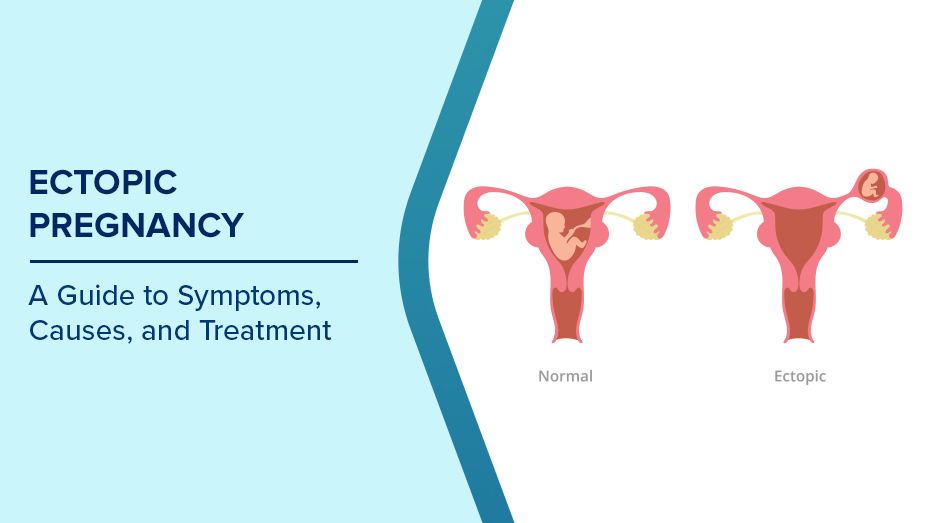
An ectopic pregnancy occurs when a fertilised egg grows outside the uterine cavity instead of the womb. Unfortunately, an ectopic pregnancy cannot result in a baby. It is a non-viable pregnancy that requires immediate medical treatment to prevent life-threatening complications.
How an Ectopic Pregnancy Occurs
In a typical healthy pregnancy, a fertilised egg travels down a fallopian tube and implants in the uterine wall. While in an ectopic pregnancy, this journey is interrupted. The egg becomes stuck or implants in another location.
Over 95% of ectopic pregnancies occur in a fallopian tube, which is why it is often called a "tubal pregnancy." Less commonly, it can occur in an ovary, the cervix, or the abdominal cavity. The ectopic pregnancy is not only a loss of the pregnancy but also a serious medical risk to the woman.
Why It Happens
The primary cause of an ectopic pregnancy is damage or blockage in the fallopian tube, which prevents the fertilised egg from moving to the uterus. Some common causes include:
- Pelvic Inflammatory Disease (PID): An infection in the reproductive organs, often linked to sexually transmitted infections (STIs), may lead to scar tissue that partially or completely blocks the fallopian tubes.
- Previous Ectopic Pregnancy: Having one ectopic pregnancy significantly increases the risk of having another.
- Previous Surgery: Surgery on the fallopian tubes, uterus, or in the pelvic area can cause scarring, making it difficult for an egg to pass through.
- Endometriosis: This condition, where uterine tissue grows outside the uterus, can also cause blockages or inflammation in the fallopian tubes.
- Fertility Treatments: Some pregnancy care and fertility treatments, such as in vitro fertilisation (IVF), can increase the risk of an ectopic pregnancy, though doctors take precautions to minimise this risk.
- Smoking: Medical experts suggest that smoking is a risk factor for ectopic pregnancy.
Recognising the Symptoms: What to Look For
The signs of an ectopic pregnancy are often mild and can easily be confused with normal early pregnancy symptoms or other conditions. They typically appear between the fourth and twelfth week of gestation. If you have a positive pregnancy test and experience any of the following, it is important to seek immediate medical advice.
Early Warning Signs
The most common early signs often include a combination of pain and bleeding.
- Abnormal Vaginal Bleeding: This is a common sign. The bleeding can differ from a normal menstrual period. It may be a light, watery, or brownish discharge that comes and goes.
- Lower Abdominal Pain: This pain is often felt on one side of the lower abdomen and can be persistent or intermittent. It might feel like a sharp, stabbing pain or a dull ache. It’s important to note that a doctor should evaluate any severe or unusual abdominal pain during pregnancy.
Advanced and Severe Symptoms
As the ectopic pregnancy grows, it can cause the fallopian tube to rupture. A rupture is a life-threatening event and requires emergency medical care.
- Severe, Sudden Abdominal Pain: A sudden, excruciating pain in the lower abdomen, often localised on one side, can be a sign of a rupture.
- Shoulder Tip Pain: This is a surprising but critical symptom. The pain is not in the shoulder joint but at the tip, where the arm meets the shoulder. It's caused by internal bleeding irritating a nerve that runs from the diaphragm to the shoulder.
- Dizziness and Fainting: These are classic symptoms of internal bleeding. You may feel lightheaded, dizzy, or even faint.
- Looking Pale or Feeling Unwell: Feeling unusually weak, unwell, or looking pale are also signs of significant internal bleeding.
Diagnosis and Treatment: The Path Forward
If a doctor thinks an ectopic pregnancy may be present, they will quickly perform tests to confirm the diagnosis and decide on the most appropriate treatment. They may use a combination of methods:
- Blood Tests: The doctor will measure your human chorionic gonadotropin (hCG) levels. In a normal, healthy pregnancy, hCG levels double approximately every 48 hours. In an ectopic pregnancy, the levels may rise more slowly or even fall.
- Transvaginal Ultrasound: This is the primary diagnostic tool. The ultrasound can help the doctor see if the pregnancy sac is located within the uterus. If it's not visible and your hCG levels are high, it’s a strong indication of an ectopic pregnancy.
- Physical Exam: A pelvic exam can help a doctor identify any tenderness or masses in the pelvic area.
Treatment Options for Ectopic Pregnancy
An ectopic pregnancy cannot be carried to term and must be treated to prevent a life-threatening rupture. The treatment depends on the stage of the pregnancy, the location, and the woman's overall health.
- Medication: When an ectopic pregnancy is diagnosed early with low hCG levels, a doctor may use a methotrexate injection to halt the growth of the pregnancy tissue. This allows the body to absorb it naturally, helping avoid surgery and protecting the fallopian tube.
- Surgery: Surgery is the primary treatment for ectopic pregnancy. In most cases, a surgeon performs a minimally invasive procedure called laparoscopy (keyhole surgery) to remove the ectopic tissue. A small incision is usually made near the belly button, and a thin, lighted instrument is used to visualise and remove the affected tissue. Occasionally, the affected fallopian tube may also need to be removed. In urgent or complicated cases, a larger incision, known as a laparotomy, may be required.
Conclusion
An ectopic pregnancy is a challenging and heartbreaking experience. The physical and emotional pain that comes with it can be profound. It is crucial to remember that this is a serious medical condition and not your fault. By understanding the symptoms, seeking immediate medical care, and following your doctor’s advice, you can ensure your health and future prenatal health.
Frequently Asked Questions
Can I get pregnant again after an ectopic pregnancy?
Yes, it is possible to have a successful pregnancy after an ectopic pregnancy. The likelihood depends on the health of your remaining fallopian tube and the cause of the first ectopic pregnancy. Many women go on to have successful pregnancies in the future.
Will an ectopic pregnancy show up on a home pregnancy test?
Yes, a home pregnancy test will show a positive result because the body is producing hCG, the pregnancy hormone. However, the test cannot determine the location of the pregnancy.
How is an ectopic pregnancy different from a miscarriage?
A miscarriage is when a pregnancy that has implanted correctly in the uterus ends. An ectopic pregnancy, on the other hand, is a pregnancy that has implanted outside the uterus and can never be viable.
Is it safe to try for a baby right away after an ectopic pregnancy?
It is usually advised to wait at least two to three menstrual cycles before trying to conceive again. This allows your body and emotional health time to recover. Your doctor can suggest a personalised timeline based on your situation.
What is the risk of having a recurrent ectopic pregnancy?
The chance of experiencing another ectopic pregnancy is higher than the risk in the general population. Your doctor will provide you with specific pregnancy tips and guidance for your next pregnancy.
Written and Verified by:

Related Blogs

Dr. Manju Khemani In Obstetrics And Gynaecology
Oct 27 , 2020 | 3 min read

Dr. Neera Aggarwal In Obstetrics And Gynaecology , Nutrition And Dietetics
Nov 07 , 2020 | 7 min read
Blogs by Doctor

Living with PCOS: Embracing the Daily Challenges and Finding Strength
Dr. Astha Srivastava In Obstetrics And Gynaecology
Apr 28 , 2025 | 4 min read
Weeks 1 and 2 of Pregnancy: What You Need to Know
Dr. Astha Srivastava In Obstetrics And Gynaecology
Jul 16 , 2025 | 7 min read
Most read Blogs

Related Blogs
Dr. Manju Khemani In Obstetrics And Gynaecology
Oct 27 , 2020 | 3 min read
Dr. Neera Aggarwal In Obstetrics And Gynaecology , Nutrition And Dietetics
Nov 07 , 2020 | 7 min read
Blogs by Doctor
Living with PCOS: Embracing the Daily Challenges and Finding Strength
Dr. Astha Srivastava In Obstetrics And Gynaecology
Apr 28 , 2025 | 4 min read
Weeks 1 and 2 of Pregnancy: What You Need to Know
Dr. Astha Srivastava In Obstetrics And Gynaecology
Jul 16 , 2025 | 7 min read
Most read Blogs